
- LOGIN
- MemberShip
- 2026-06-14 20:44:41
- Company
- Pharma labor groups voice "job security concerns" ahead of drug pricing reform
- by Kim, Jin-Gu Mar 06, 2026 08:44am
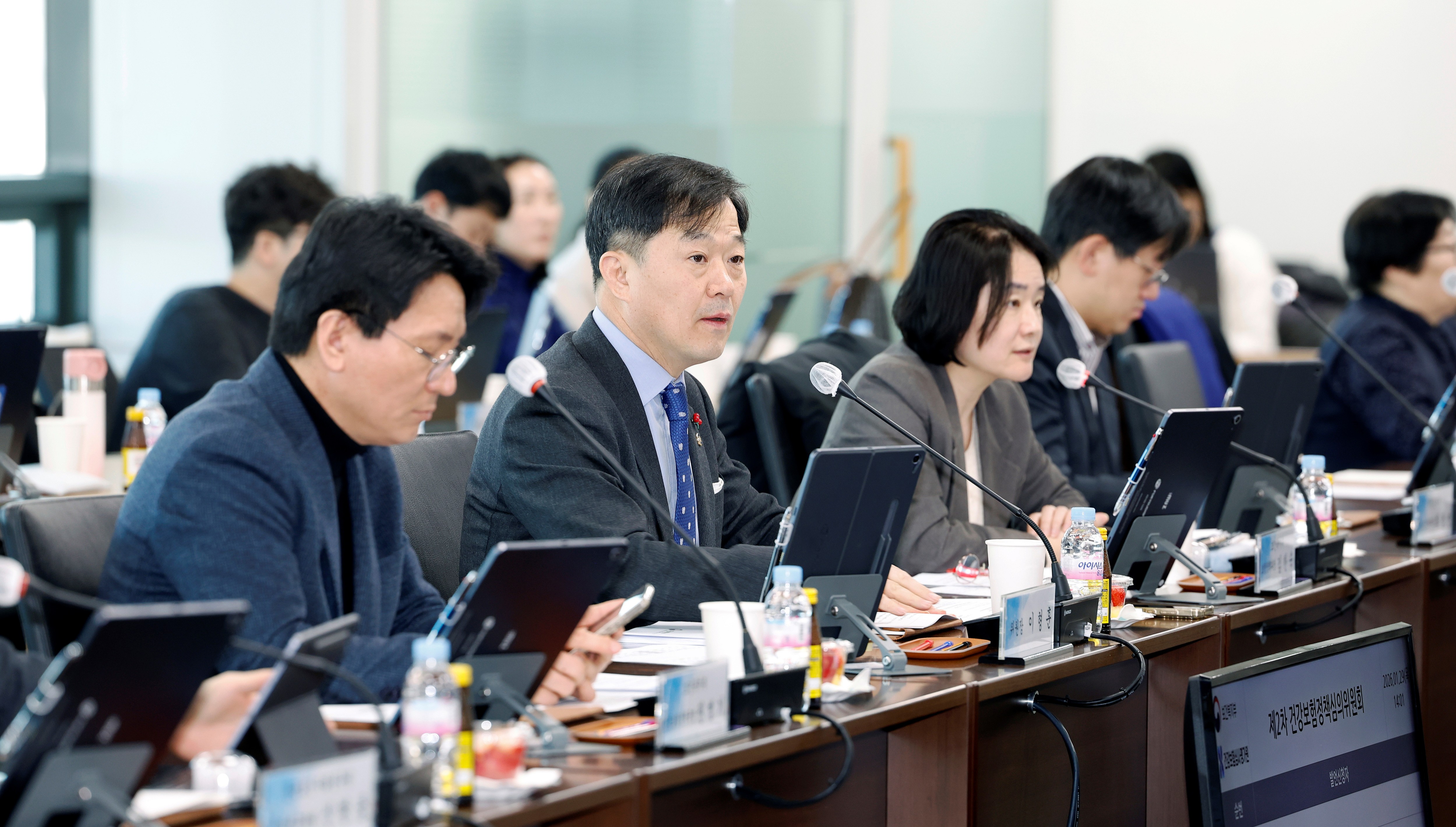
- Gemini 생성 이미지.As the government's drug pricing reform plan is soon to be finalized, labor groups in the pharmaceutical industry visited the Blue House (Presidential Office) to voice concerns regarding the policy's potential impact on employment.According to pharmaceutical industry sources on the 5th, the Pharmaceutical and Cosmetics Division of the Federation of Korean Chemical Workers' Unions (FKCU), under the Federation of Korean Trade Unions (FKTU), recently hosted a meeting with the Secretary to the President for Health and Welfare and the Secretary for Labor at the Presidential Office. The meeting was attended by Jang-hoon Lee, Chairman of the Pharmaceutical and Cosmetics Division, along with members of the FKTU's External Cooperation Headquarters.During a phone call with DailyPharm, Chairman Lee stated, "Organized by the FKTU, we met with the Secretary to the President for Health and Welfare and for Labor. We delivered our opinions on the drug price reductions from the perspective of workers." "We expressed concerns that if the government forces through the drug price reductions, it will undermine job security and hurt job creation," he said, "Regarding this, the Presidential Office responded that they could not provide a definitive answer at this time."The drug pricing reform plan was originally scheduled to be finalized through a resolution of the Health Insurance Policy Deliberation Committee last month; however, the schedule was postponed once due to continued backlash from the pharmaceutical and labor sectors. The government plans to hold a meeting in March to finalize the proposal, which includes the calculation rate for reductions in generic drug prices. Within the industry, a schedule is being discussed to pass the plan through the subcommittee on the 11th and reach a resolution at the plenary session in mid-March.Labor groups maintain that the government must consider the impact on industry and employment as it finalizes the reform plan. However, as specific details of the reform have not been disclosed, they plan to determine the intensity of their response after monitoring the HIPDC's discussion process.Regarding this, pharmaceutical labor unions under the FKCU will hold a two-day resolution rally starting on the 10th to fight for victory in the 2026 wage and collective bargaining agreements. Their response to the drug pricing reform is also expected to be discussed at this meeting.Chairman Lee stated, "Although this meeting is intended for the 2026 wage negotiations, discussing the direction of the union's response will be a major topic because concerns regarding the drug price reductions are great. Chairmen of the FKTU and the FKCU are also scheduled to attend, and we will review countermeasures together."The possibility of a joint response with the pharmaceutical and biotech industry has also been raised. Chairman Lee added, "I understand that the Korea Pharmaceutical and Bio-Pharma Manufacturers Association (KPBMA) is also discussing countermeasures," adding, "It is reported that various methods, such as a national signature campaign or a public petition, are being considered. We are exploring ways to respond jointly with the Association."On January 29, the FKTU issued a statement opposing the government's drug pricing reform, stating, "A hasty reform that excludes workers can protect neither the health insurance finances nor the pharmaceutical industry."At the time, the FKTU criticized, "We express deep concern that the drug pricing reform currently pursued by the government is being unilaterally pushed forward without sufficient social discussion and agreement," adding, "Indiscriminate drug price reductions are highly likely to eventually lead to a deterioration of labor conditions and layoffs. Policies that threaten the survival rights of workers will, in the long term, undermine the public's access to medicines and right to health.""As an organization representing National Health Insurance subscribers, we cannot tolerate policy decisions made through closed-door and desk-bound administration while excluding workers, patients, and the public," adding, "The government must transparently disclose the basis and financial effects of the drug pricing reform and immediately establish a social discussion structure where the opinions of stakeholders are substantially reflected."The FKTU concluded, "We will fulfill our responsible role to ensure that the interests of health insurance subscribers and the survival rights of workers are harmoniously reflected in the future drug pricing reform discussion process," adding, "We clearly state that we will never slip any attempts to cause a retreat in labor conditions or job insecurity under the disguise of this policy."

- Company
- US-Iran tension hits business trips for medical device Middle East projects
- by Hwang, byoung woo Mar 06, 2026 08:44am
- AI이미지 제작Although military tensions between the United States and Iran are escalating and destabilizing the Middle East, it appears that no direct setbacks have yet emerged in the operations of South Korean medical device companies established in thes regions.However, the industry is closely watching the situation, as factors such as overseas business trips and flight operations could have a short-term impact.According to the Korean medical device industry, medical AI companies and aesthetic·medical device firms currently active in the Middle East are monitoring the situation with local partners and medical institutions. So far, no direct disruptions to business operations have been identified.An official from Medical AI Company A, which operates in the Middle East, stated, "Upon checking with local partners and medical staff, there have been no particular changes in hospital operations or collaborative projects. We currently judge that there are no major setbacks to our business progress."An official from Company B also stated, "Our Middle East operations are primarily focused on Saudi Arabia, and we believe the likelihood of these military tensions directly affecting our business is low. As Saudi Arabia's medical digital transformation policy is being pursued as a long-term national strategy, it is unlikely to be suspended due to short-term variables."The situation suggests it is difficult to predict the outcome at this stage as local companies and hospitals continue to operate normally. An official from KOTRA's Dubai Trade Center stated in a call with DailyPharm, "As the conflict has only recently begun, there is currently no major impact on local companies or businesses. The UAE government also appears to be maintaining a normal daily routine as much as possible." They added, "While impact may appear if the situation is prolonged, no specific business disruptions or corporate inquiries have been received so far."Business trips and flight variables are variables…identified as short-term risksHowever, what companies are concerned about is not the local business itself, but the travels.As the Korean Ministry of Foreign Affairs has placed a Level 4 travel ban on Iran (effective March 5, 2026) and issued a Special Travel Advisory (Level 2.5) for seven other countries, including the UAE and Saudi Arabia, the burden on overseas business trips has increased significantly. This is particularly relevant for medical device companies, which often require Korean personnel to visit in person for local sales, medical staff training, and equipment installation.The industry also considers the psychological burden on employees with families, who may be hesitant to travel to the Middle East during a conflict, regardless of whether flights are operational. One industry official noted, "While local hospitals and partners are operating as usual, there is psychological pressure regarding movement, separate from the resumption of flights."The industry is particularly focused on the schedule following Ramadan. Ramadan is a religious period where Muslims fast from sunrise to sunset, and this year it is expected to continue until March 19, 2026. Generally, the Middle Eastern medical device market sees its most active sales activities begin after this religious period.In fact, visits from overseas companies typically increase around April for Abu Dhabi Global Health Week 2026, scheduled for April 7–9.The official from Company B stated, "Many domestic companies set the April to June period after Ramadan as a 'sprint month' and actively conduct overseas sales," adding, "We are currently keeping a close eye on the situation while considering various variables."The KOTRA official added, "Because medical exhibitions and events in the Middle East are organized after Ramadan, company visits are naturally high during this time," and concluding, "If the conflict stabilizes quickly, scheduled plans may proceed normally."
- Policy
- Rezurock, Fetroja reimbursed through Refund-type RSA
- by Jung, Heung-Jun Mar 06, 2026 08:44am
- The number of domestic pharmaceutical companies entering refund-type risk-sharing agreements (RSA) is gradually increasing. Following GC Biopharma’s Livmali solution in January, Jeil Pharmaceutical's Fetroja Inj has now signed a reimbursement contract.This brings the total number of domestic pharmaceutical companies that have signed Refund-type RSA contracts with the National Health Insurance Service (NHIS) to five, including Yuhan Corp, JW Pharmaceutical, and Handok.As of January and February this year, the number of domestic companies participating in Refund-type RSA has reached five. AI-generated imageAccording to the list of drugs eligible for refund-type RSA released by the NHIS this year, three new active ingredients signed contracts in January and February.In January, GC Pharma’s Livmarli solution (maralixibat chloride) for pruritus associated with Alagille syndrome signed a refund-type RSA contract. In February, Jeil Pharmaceutical’s gram-negative antibiotic Fetroja Inj (cefiderocol tosylate sulfate hydrate) and Sanofi Aventis’s third-line treatment for chronic graft-versus-host disease, Rezurock Tab (belumosudil mesylate), also entered refund-type RSA agreements.The listed prices were KRW 29,002,835 for Livmarli solution, KRW 210,097 for Fetroja Inj, and KRW 424,742 for Rezurock Tab.With additional refund contracts signed this year, the number of RSA refund-target drugs has reached 64 ingredients, or 115 products when dosage strengths are counted separately.Domestic companies that had previously signed refund-type agreements include Yuhan Corp for Leclaza (lazertinib), JW Pharmaceutical for Hemlibra (emicizumab), and Handok for Defitelio Inj (defibrotide), Vyxeos liposomal Inj, and Pemazyre Tab (pemigatinib).Among domestic companies, all except Yuhan Corp’s Leclaza are imported new drugs. The remaining 59 ingredients under refund agreements belong to drugs from 26 multinational pharmaceutical companies.With the addition of Rezurock, Sanofi now holds 5 RSA refund-type drugs, including four dosage forms of Dupixent and Rezurock.Among multinational pharmaceutical companies, AstraZeneca holds the largest number of RSA refund-type drugs, including Tagrisso, Lynparza, Imfinzi, Koselugo, Strensiq, and Fasenra. When dosage strengths are counted separately, AstraZeneca has 14 products under RSA refund contracts.
- Policy
- Padcev–Keytruda combo receives orphan drug designation for bladder cancer
- by Lee, Tak-Sun Mar 06, 2026 08:44am
- The Padcev–Keytruda combination therapy for bladder cancer has been designated as an orphan drug in Korea. Since orphan drug designation enables expedited review by the Ministry of Food and Drug Safety (MFDS), the timeline to commercial approval is expected to be shortened.On the 4th, the MFDS announced that it has designated three drugs, including the enfortumab vedotin–pembrolizumab combination therapy for bladder cancer, as orphan drugs.Enfortumab vedotin is the generic name of Padcev, an antibody-drug conjugate (ADC) developed by Astellas. Pembrolizumab is the generic name of Keytruda, the immuno-oncology drug developed by MSD.The newly designated orphan indication is muscle-invasive bladder cancer in the perioperative setting for patients ineligible for cisplatin-containing chemotherapy (limited to cases where both components are administered in combination).This indication was approved by the U.S. FDA in November last year. Results from the KEYNOTE-905 clinical trial, which evaluated the combination therapy of the two drugs for bladder cancer, showed that the combination of Padcev and Keytruda improved event-free survival (EFS) by 60% compared to the control group (NR. vs 15.7 months; HR 0.40; 95% CI 0.28–0.57; P<.001), and overall survival (OS) improved by 50%. The pathological complete response rate (pCR) was also significantly higher in the Padcev-Keytruda combination group.It appears that the company applied for domestic approval following FDA approval. If the combination therapy receives commercial approval, patient access to treatment is expected to improve substantially.The orphan drug designation also includes nirogacestat (tablet) and tovorafenib (oral formulation).Nirogacestat is a drug indicated for the treatment of desmoid tumors, marketed under the brand name Ogsiveo by Merck.SpringWorks Therapeutics, a healthcare affiliate of Merck, received approval for the oral gamma-secretase inhibitor Ogsiveo from the European Commission (EC) in August last year as monotherapy for adults with progressing desmoid tumors requiring systemic treatment.Ogsiveo is the first and only therapy approved in the European Union for the treatment of desmoid tumors.Tovorafenib is a treatment for pediatric low-grade glioma (pLGG). It is a type II BRAF inhibitor developed for pediatric low-grade glioma patients with BRAF gene mutations. Marketed as Ipsen's ‘Ojemda,’ the drug received U.S. FDA approval in 2024. It is expected to provide a new treatment option for pediatric brain tumor patients who have failed existing therapies.Designation as an orphan drug shortens the approval period through expedited review. Beyond conditional approval and fee reductions, submission requirements are simplified, including exemptions from bridging studies, and a fast-track approval process is conducted through priority review.
- Company
- Amgen immediately reapplies for Imdelltra’s reimbursement in Korea
- by Eo, Yun-Ho Mar 06, 2026 08:44am
- The bispecific antibody anticancer drug ‘Imdelltra’, which faced an initial setback in its reimbursement journey in Korea, is immediately making another attempt.According to industry sources, Amgen Korea recently resubmitted its application for reimbursement listing of Imdleltra (tarlatamab), a treatment for relapsed or refractory extensive-stage small cell lung cancer (SCLC).This comes less than 2 months after the drug failed to establish reimbursement criteria at the Health Insurance Review and Assessment Service’s Cancer Drug Deliberation Committee in January, highlighting the company’s strong commitment to securing coverage.With rapid reorganization and swift action, attention is now on whether Imdelltra can succeed in obtaining reimbursement status and emerge as a treatment option in the underserved small-cell lung cancer field.Approved domestically last May, Imdelltra is a bispecific antibody therapy targeting ‘Delta-like ligand 3 (DLL3)’, which is expressed in 85-96% of small cell lung cancer patients. The DLL3 antigen is typically distributed within normal cells but abnormally expressed on the surface of cancer cells in neuroendocrine tumors, including small cell lung cancer.Imdelltra binds to both the DLL3 antigen on cancer cells and the CD3 antigen on T cells, inducing T cells to kill cancer cells. Crucially, it acts directly on the antigens of T cells and cancer cells, independent of Major Histocompatibility Complex Class I (MHC-1) expression, a key mechanism tumors use to evade immune detection, making it effective even against cancer cells that escape immune surveillance.The drug demonstrated efficacy in the DeLLphi-301 clinical trial, a Phase II study involving adult patients with extensive-stage small-cell lung cancer whose disease had progressed after at least two prior treatments, including platinum-based chemotherapy.Study results showed Imdelltra demonstrated a significant objective response rate. The objective response rate in 100 patients treated with Imdelltra 10mg was 40%, and 58% of responders (23/40) maintained responses for more than 6 months.Furthermore, the median overall survival (OS) in the Imdelltra 10mg group was 14.3 months, and the median progression-free survival (PFS) was 4.9 months. Treatment-related adverse events in the Imdelltra 10mg group were mostly low grade, with grade 3 or higher adverse events occurring in 29% of patients in Parts 1-2 and 15% of patients in Part 3 of the trial.Based on these results, the National Comprehensive Cancer Network (NCCN) recommends Imdelltra monotherapy as a preferred regimen for platinum-resistant patients and an alternative recommended regimen for platinum-sensitive patients. Additionally, the American Society of Clinical Oncology (ASCO) also strongly recommends Imdelltra monotherapy for patients whose disease has relapsed after chemotherapy.Meanwhile, small cell lung cancer (SCLC) accounts for approximately 10-15% of all lung cancer patients and is characterized by rapid cancer cell proliferation, leading to widespread metastasis within a short period. It is known that 6 to 7 out of 10 patients are diagnosed at the extensive stage, where cancer cells have metastasized to the opposite lung or other organs.Currently, the main treatment options for extensive-stage small cell lung cancer are limited to chemotherapy and immunotherapy, and the choices become even more limited when treatment progresses beyond the third line. Although the initial response rate to chemotherapy in small-cell lung cancer patients is relatively high, it often does not last long, and the disease tends to progress rapidly. Particularly in refractory or resistant patients whose disease progressed within 6 months after the last chemotherapy treatment, the response rate to traditional chemotherapy drops below 10%, creating a high demand for new treatment options.
- Policy
- Implementation of the drug price reform may be delayed to next year
- by Lee, Jeong-Hwan Mar 05, 2026 05:30pm
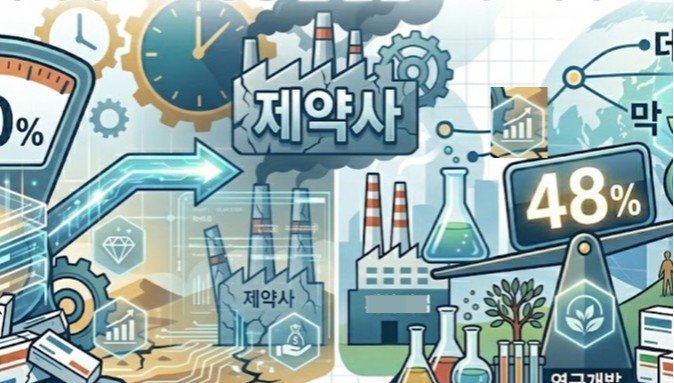
- The Ministry of Health and Welfare plans to finalize its drug pricing reform proposal that focuses on lowering prices of already-listed generics while granting pricing incentives to innovative pharmaceutical companies through a special one-point meeting of the Health Insurance Policy Deliberation Committee (HIPDC) review in early to mid-March.However, the government is reportedly considering postponing the implementation timeline from the originally planned July this year to January next year.The significant backlash from the domestic pharmaceutical industry against the drug pricing reform plan appears to be the reason the MOHW decided in February to postpone submitting it to the HIPDC subcommittee and plenary session, and is now reviewing whether to defer the implementation date from July this year to next year.Nevertheless, the MOHW remains steadfast in its plan to submit the drug pricing system reform proposal, which contains specific generic drug calculation rates, to the HIPDC this month (March) to finalize the drug pricing policy direction.A ministry official said on the 3rd, “It is true that we are reviewing a plan to postpone the implementation of the drug pricing system reform plan until next year, but we will complete the submission and vote on the reform proposal at the HIPDC this month.”In effect, even if implementation is delayed, the policy framework itself is expected to be finalized soon. This means the calculation rate for generic drug price reductions and the detailed regulations for preferential pricing for innovative pharmaceutical companies will be determined at this month's meeting.Currently, the ministry has proposed lowering the price calculation ratio for already-listed generics from the current 53.55% to the 40% range. The reform proposal also includes pricing incentives depending on whether a company is certified as an “innovative pharmaceutical company,” while allowing non-certified firms to receive preferential pricing based on their clinical trial performance and contribution to supplying drugs with unstable supply.Domestic pharmaceutical companies have criticized the proposal, arguing that it fails to adequately reward firms that invest in facilities for high-quality drug production and in innovative R&D for new drugs. They contend that it instead imposes the same level of price reduction shock on companies that have made no such investments and focused solely on generating revenue through contract generic production.Particularly regarding the MOHW's decision to finalize the drug pricing system reform plan at the March HIPDC meeting and postpone its implementation from July this year to next year, the domestic pharmaceutical industry is criticizing that “the specific policy content matters far more than delaying the implementation date.”They argue that if the government reduces the generic pricing ratio to the 40% range, companies may abandon the production of low-margin drugs, leading to job losses and reduced capacity for new drug R&D.Based on the current 53.55% generic drug pricing rate, the position of most domestic pharmaceutical companies is that the MOHW must set the rate at a minimum of 48% to allow them to maintain reasonable operations without changing their current business status.In particular, mid-sized and top-tier pharmaceutical companies, including those certified as Korean innovative pharmaceutical companies, state that the Korean pharmaceutical and biotech industry can only grow if drug prices for companies that have sustained value-based investments for decades are preserved, while prices for contract-manufactured generic-focused companies that have made no investments are significantly reduced.In other words, they insist the reform must move away from across-the-board mechanical price cuts and adopt a differentiated system reflecting actual investment and contribution.This is why attention is rising on whether the reform will include measures that foster innovative R&D environments crucial to the growth of the Korean pharmaceutical industry.As a result, the pharmaceutical industry is closely watching the detailed direction and revisions of the reform proposal expected to be presented at the one-point HIPDC meeting in early to mid-March.In the National Assembly, lawmakers like Yoon Kim of the Democratic Party of Korea have pointed out the incompleteness of the MOHW's drug pricing reform plan and called for a revised plan.While praising the Lee Jae-myung administration for deciding on the first significant overhaul of the domestic drug pricing system since the 2012 blanket generic price cuts, Rep. Kim also raised the need for a ‘more refined reform plan’.He argued that generic drug prices should be adjusted more carefully by therapeutic class, referencing price levels in 8 countries already being referenced by Korea.However, the drug pricing system reform plan announced by the MOHW on November 28 last year involves a blanket adjustment of approximately 40% for drugs whose prices have seen little change since the 2012 blanket price cuts.Rep. Kim has urged the MOHW to submit a revised proposal that sets differentiated reduction rates by therapeutic class instead of applying uniform cuts.Rep. Kim stated, “To enhance the innovation of the pharmaceutical industry through drug pricing policy, drug price reform should not be a standalone policy but part of a package policy that can foster innovative pharmaceutical companies. The core issue is not simply price cuts but addressing excessive marketing competition through CSOs, curbing the proliferation of generics, and identifying price distortions created by competition centered on selling and administrative expenses.”The pharmaceutical industry points out that the MOHW's approach of simply assigning different drug price premiums and preferential rates based solely on whether a company is certified as an innovative pharmaceutical company is overly crude and risks creating a distorted pharmaceutical industry landscape.The point is that promoting innovative R&D should not automatically translate into preferential treatment solely for companies with official certification.A drug pricing manager at a mid-sized domestic pharmaceutical company expressed, “The MOHW's drug price reform plan concentrates all benefits on certified innovative pharmaceutical companies. Ultimately, these innovative pharmaceutical companies are defined by the proportion of new drug R&D relative to total sales. It's questionable whether the standard for innovation can be determined solely by the R&D ratio.”This manager added, “It is highly inappropriate to select innovative pharmaceutical companies and grant benefits exclusively to them based on this criterion when the government and the pharmaceutical industry have not mutually agreed on the definition or standards of innovation. The reform plan must adequately reflect that pharmaceutical companies not certified as innovative are also striving for the development of the domestic pharmaceutical industry and overseas exports through high-value-added new drugs or improved new drugs. As it stands, it is unfair.”Another pricing executive at a large pharmaceutical company commented, “The current proposal effectively cuts prices uniformly without distinguishing between companies that invested in high-quality generic production and those that generated profits through contract generics and aggressive marketing without real investment. If the goal is to reward companies that contribute through new drug R&D, high-quality manufacturing, or stabilizing supply, the reform must introduce a differentiated pricing system that significantly lowers prices for companies that make no such contributions.”
- Policy
- ‘Forcing 40% generic drug price cut will kill the industry’
- by Lee, Jeong-Hwan Mar 05, 2026 05:30pm
- “If the generic price calculation rate is cut to 40%, companies will inevitably halt new drug research and development (R&D). Also, they will also stop producing medicines that are not profitable, even if they are designated as essential medicines or market-withdrawal prevention drugs. Companies will likely proceed with workforce restructuring to remove what they see as unnecessary personnel, which will worsen employment instability. While the pharmaceutical industry understands the government’s goal of strengthening the sustainability of the national health insurance system, , the absolute limit we can accept is 48%. Even lowering the current rate of 53.55% by more than 5 percentage points will cause considerable management losses and shock.”Although the MOHW has decided to postpone the implementation of its drug pricing system reform plan that focuses on generic drug price cuts and preferential pricing for innovative pharmaceutical companies until next year, the pharmaceutical industry has emphasized the need for revisions, stating that ‘the details matter more than the timing.’Multiple pharmaceutical companies have criticized the MOHW's proposed reform plan, arguing it fails to create a structure that properly values companies that have consistently invested in producing high-quality medicines, improving R&D capabilities for incrementally modified drugs and new drugs, and contributing to the stable supply of pharmaceuticals.In particular, while the industry understands the government’s intention to reduce drug prices to cut healthcare spending, many companies suggest that the maximum acceptable generic pricing rate would be 48%.This represents a 5.55 percentage point reduction from the current 53.55% calculation rate, equivalent to a roughly 10% drug price reduction when the generic calculation price is set at 100. The intent is to indicate that, while maintaining current operations and accepting the MOHW's policy, they can only tolerate a price reduction level of up to 10% when calculating the administrative shock impact on sales revenue and other factors.On the 4th, pricing managers at domestic pharmaceutical companies did not offer particularly positive assessments upon hearing that the MOHW is considering delaying the implementation of the drug pricing system reform plan until January next year.This is because, even looking at the implementation plan for the drug pricing system reform announced on November 28 last year, it was foreseeable that the timing for major policy implementations, such as drug price reductions, would be next year.Industry officials say that the specific details of the reform to be finalized at this month’s Health Insurance Policy Deliberation Committee (HIPDC) are far more important than the implementation schedule.The industry criticizes that the reform plan confirmed by the HIPDC must include measures that can fundamentally improve the domestic pharmaceutical industry's structure. They argue that the drug price preferential criteria and generic drug price reduction methods proposed by the MOHW thus far are essentially irrelevant to pharmaceutical industry innovation.Companies also say the government must significantly refine the criteria and tools used to evaluate a pharmaceutical company’s “innovation.”They argue that simply ranking companies based on whether they are certified as an “innovative pharmaceutical company or their R&D expenditure ratio relative to sales revenue to grant preferential drug pricing, or uniformly lowering generic drug prices, fails to accurately gauge the value of each company's true level of innovation.Pharmaceutical companies propose that the MOHW must establish and implement a drug pricing system reform plan that employs a multi-layered innovation assessment tool. They argue this would naturally lead to the elimination of ‘paper companies’ that contribute little to the development and innovation of the domestic pharmaceutical industry, while favoring drug prices for companies that diligently pursue value-based investment and sound management. This, they contend, would achieve the goal of pharmaceutical industry innovation.Furthermore, observations of advanced countries indicate that lowering the generic drug pricing rate to 40% may trigger the abandonment of domestic pharmaceutical production.Analyzing the cases of Japan and France, where the generic drug pricing levels are 40-50%, similar to the level proposed by the MOHW, Japan saw supply shortages and production discontinuation of 4,064 items (23.1% of generic items). Even in the French case published by the European Medicines Agency (EMA), only 15% of new generics are produced in France, and only 30% of all generic drugs are produced in the country.Given these precedents, the industry strongly advocates 48% as the maximum acceptable generic pricing rate, representing a 5.55 percentage-point reduction from the current 53.55% rate, but still significantly higher than the ministry’s proposed level in the 40% range.A representative from domestic pharmaceutical company A stated, “Contrary to the policy goal of prioritizing innovation value in the pharmaceutical industry, the MOHW's drug pricing system adopts a blanket price reduction approach. This structure means that companies with larger sales volumes and greater investment scale will incur proportionally larger absolute losses. A revised proposal must be developed to ensure that pharmaceutical companies that have contributed to the industry's development through clinical trial achievements, expansion of high-quality drug manufacturing facilities, advanced quality control, and hiring research personnel can gain a clear competitive advantage over paper companies.”Another official from pharmaceutical company B said, “If the government truly wants to build an innovative ecosystem for the pharmaceutical industry and strengthen health security, it must create clear criteria to identify companies that genuinely contribute to those goals and provide appropriate pricing incentives. If the generic pricing rate is reduced to the 40% range, this would cause immediate operational losses for pharmaceutical companies, creating shockwaves severe enough to prevent them from fulfilling new drug development, stable supply of essential medicines, and maintaining employment. Maintaining a minimum calculation rate of 48% is essential to ensure management is capable of sustaining innovation.”
- Company
- Pharma exports to the Middle East reach $570M
- by Kim, Jin-Gu Mar 05, 2026 05:30pm
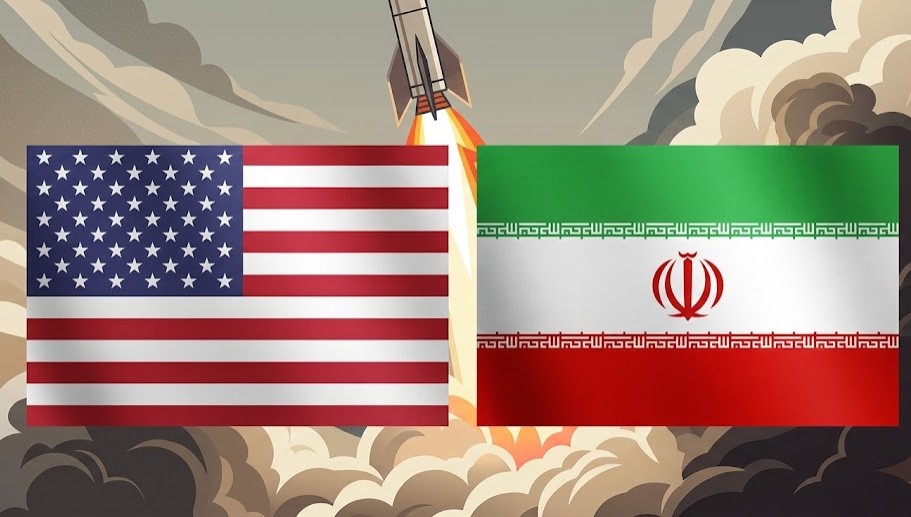
- AI-generated image As military tensions in the Middle East escalate following the United States’ attack on Iran, the pharmaceutical and biotech industry is closely monitoring developments.While export volumes to Iran and other directly involved countries remain limited, concerns are emerging that major export markets, including Türkiye, could contract if the conflict spreads to neighboring regions. Observers also note that indirect burdens could increase due to heightened volatility in energy prices and exchange rates.According to the Korea Customs Service on the 3rd, exports of Korean pharmaceuticals to 15 Middle Eastern countries (Syria, Bahrain, Saudi Arabia, United Arab Emirates, Yemen, Oman, Jordan, Iraq, Iran, Israel, Egypt, Qatar, Kuwait, and Türkiye) totaled USD 569.07 million (approximately KRW 830 billion) last year.Since 2018, annual pharmaceutical exports to the Middle East have consistently exceeded USD 500 million. Exports peaked at USD 723.79 million in 2020 before entering a gradual decline. Last year’s figure marked a 4.3% decrease compared to the previous year.As of last year, the Middle East accounted for 6.5% of total Korean pharmaceutical exports. This represents a steady decline from 15.7% in 2018. The trend reflects stagnant exports to the Middle East alongside expanding exports to the United States and Europe.Exports to Iran remain minimal. Last year, shipments to Iran totaled just USD 3.17 million (approximately KRW 4.6 billion). Iran has long been subject to secondary sanctions by the United States. Direct transactions may restrict access to dollar settlements and U.S. financial networks, leading Korean companies to rely primarily on indirect export channels.Similarly, exports to neighboring countries where retaliatory actions by Iran have been confirmed or anticipated, including the United Arab Emirates, Bahrain, Jordan, Kuwait, Qatar, and Saudi Arabia, each amounted to less than USD 50 million, indicating relatively limited exposure.However, if the conflict spreads to neighboring countries, it could directly impact pharmaceutical export performance. Türkiyestands out as a key variable. Türkiyewas the seventh-largest destination for domestic pharmaceutical exports last year. A full 67.5% of exports to the Middle East are concentrated in this country. Last year's exports alone reached USD 384.28 million (approximately KRW 560 billion). Under these circumstances, any disruption in shipments to Türkiye could translate into an overall decline in pharmaceutical exports.Heightened alert over indirect impacts, such as rising costs and exchange ratesThe pharmaceutical industry is also closely watching the potential indirect effects of a prolonged conflict. While short-term export disruptions may be limited, uncertainty across cost structures and supply chains could increase.In particular, concerns are mounting over rising energy costs amid the growing possibility that Iran could block the Strait of Hormuz. If crude oil prices increase, this could trigger a chain reaction affecting not only factory operating expenses but also the prices of intermediate goods and raw materials.For the pharmaceutical industry, which heavily relies on petrochemical-based raw materials, this could lead to increased manufacturing cost burdens. If the situation prolongs, there is an analysis suggesting delays in the supply schedules for some equipment, reagents, and raw materials.Increased volatility in foreign exchange markets is another burden factor. Should the strength of the U.S. dollar persist, upward pressure on the won–dollar exchange rate is expected. The Korean pharmaceutical industry is heavily dependent on imported active pharmaceutical ingredients (APIs), meaning that a weaker won directly raises production costs. Although a significant share of APIs is sourced from China, transactions are typically settled in U.S. dollars, leaving companies vulnerable to exchange-rate fluctuations.On the 28th of last month (local time), the United States and Israel launched a large-scale airstrike targeting missile bases and command centers within Iran. Iran has warned of a major retaliation, especially following the death of Supreme Leader Khamenei, a core figure of the Iranian regime. Iran has initiated retaliatory airstrikes against nearby U.S. bases and announced a policy of mobilizing all means, including the closure of the Strait of Hormuz.
- Policy
- Voluntary recall announced of Bayer's contrast agent 'Gastrografin'
- by Lee, Tak-Sun Mar 05, 2026 05:30pm
- Bayer Korea's GastrografinBayer Korea's contrast agent Gastrografin (amidotrizoic acid, meglumine, sodium hydroxide) is being recalled for its commercially distributed units due to concerns over excessive impurity detection. Bayer has suspended supply in South Korea as a preemptive measure.Gastrografin is a contrast agent used for gastrointestinal examinations, with an import value of $139,636 (KRW 206.18 million) as of 2024.The Ministry of Food and Drug Safety (MFDS) announced on the 26th of last month that it issued an operator recall for commercially distributed units of certain batch numbers of Bayer Korea's Gastrografin due to concerns over the detection of the impurity N-Nitroso-Meglumine exceeding permissible limits.The batch numbers subject to recall are MA04TPB, MA04RUS, MA04NK2, MA04NDM, MA04JX3, MA04H8X, MA048E7, MA043KK, MA040LT, and MA03VLL.Bayer stated, "During recent post-marketing stability testing, the potential formation of N-Nitroso-Meglumine, a nitrosamine byproduct, was identified. While this component was not detected during quality testing at the shipping stage, post-marketing stability results for some manufacturing units confirmed levels exceeding the European Medicines Agency (EMA) Acceptable Daily Intake (ADI) standards (calculated based on conservative guidelines for nitrosamine byproduct management)."The company added, "Bayer has decided to stop production immediately and voluntarily recall all manufacturing units currently in circulation (Class II) as a preemptive measure. Depending on clinical judgment, alternative use of broadly approved low-osmolality iodinated contrast agents is possible."Furthermore, they explained, "The cause of the component's formation is under investigation, and production of new batches will be temporarily suspended until the investigation is complete. At this point, it is difficult to predict when the supply of Gastrografin will resume."Additional products are being recalled due to excessive impurity levels. CMG Pharm's Tratol Inj (tramadol hydrochloride) has been recalled for batch numbers 23001, 23002, 23003, 24001, 24002, 24003, 24004, 24005, and 24006. The official announcement date was the 27th of last month.Tratol Inj is used for severe and moderate acute or chronic pain (such as various cancers) and for pain following diagnosis and surgery. Its production performance in 2024 was 49.82 million KRW.Meanwhile, certain units of Samchandang Pharm's S-Porin Eye Drops 0.05% (cyclosporine) are being voluntarily recalled following the discovery that the outer packaging and the contents differ.The batch number for the recalled product is 25004. The production performance of this product in 2024 was KRW 1.2 billion. The recall was officially announced on the 27th of last month.Additionally, Jeil Pharmaceutical's diabetes treatment, Linatin Tab (linagliptin), has been recalled voluntarily due to deviations from standards in certain categories (active ingredient content) during post-marketing stability testing. The MFDS announced this as of March 3.The recalled batch numbers are FLEA601, FLEA602, FLEA603, FLEA701, FLEA702, FLEA703, FLEA704, FLEA705, and FLEA801. The production performance of this product in 2024 was KRW 651.16 million.
- Company
- IgA nephropathy drug Vanrafia soon to be introduced to Korea
- by Eo, Yun-Ho Mar 05, 2026 05:30pm
- Vanrafia, a new treatment for the rare kidney disease IgA nephropathy, may soon enter the Korean market.According to industry sources, Novartis Korea recently submitted a marketing authorization application to the Ministry of Food and Drug Safety (MFDS) for Vanrafia (atrasentan), a treatment for adults with primary IgA nephropathy (IgAN) with a urinary protein-to-creatinine ratio (UPCR) of 1.5 g/g or higher.Vanrafia was designated an orphan drug in Korea in August last year and previously received accelerated approval from the U.S. Food and Drug Administration (FDA).The drug is a once-daily oral non-steroidal therapy that can be used in combination with supportive treatment, including renin–angiotensin system (RAS) inhibitors, and may also be used in combination with sodium-glucose cotransporter-2 (SGLT-2) inhibitors.Vanrafia demonstrated efficacy in an interim analysis of the Phase III ALIGN study. However, the study has not yet confirmed whether the drug can slow the decline of kidney function in IgAN patients.In the ALIGN study, patients receiving Vanrafia in combination with RAS inhibitors experienced a clinically meaningful and statistically significant 36.1% reduction in proteinuria compared with the placebo group. This effect was observed as early as 6 weeks and was sustained for 36 weeks.The effect of Vanrafia on UPCR was consistent across subgroups in the primary study cohort, including differences in age, sex, race, estimated glomerular filtration rate (eGFR), and baseline proteinuria.IgA nephropathy is a progressive, rare autoimmune kidney disease in which the immune system attacks the kidneys, often causing glomerular inflammation and proteinuria.Up to 50% of IgAN patients with persistent proteinuria progress to kidney failure within 10 to 20 years after diagnosis, eventually requiring maintenance dialysis or kidney transplantation. Treatment responses can vary among patients.
