
- LOGIN
- MemberShip
- 2026-06-14 23:40:32

- Company
- Tariff risk again…pharma closely watches exports to the US
- by Kim, Jin-Gu Feb 25, 2026 05:46pm
- The US Supreme Court's ruling that reciprocal tariffs are unconstitutional, and President Trump's new 15% reciprocal tariff, come into effect at 2 PM on the 24th. The pharmaceutical and biotech industries are closely monitoring the situation as the risk of US tariffs may reignite.Currently, many view the impact of the new 15% tariff as limited. Major pharmaceutical and biotech companies that export have already prepared countermeasures by securing sufficient local inventory and expanding local production through manufacturing facilities in the United States. Some observers also predict that export performance, which surged significantly last year during the process of securing local inventory, may decrease to typical levels this year due to a base effect.New '15%' tariff takes effect…Prospects↑ for "Limited impact on Korean drug exports to the US"According to pharmaceutical industry sources on the 24th, the new 15% tariff imposed by US President Donald Trump on imports from all countries worldwide takes effect today (the 24th).Immediately following the US Supreme Court's ruling on the unconstitutionality of reciprocal tariffs on the 20th, President Trump announced that he had signed an executive order imposing a new 10% tariff. The following day, President Trump adjusted the tariff upward to 15%. According to the White House, the new tariff takes effect at 12:00 AM on the 24th, Eastern Time, which corresponds to 2 PM on the 24th, Korean Time.The new 15% tariff is based on 'Section 122 of the Trade Act.' This clause focuses on responding to serious international balance of payment deficits or a decline in the value of the dollar. It allows for the imposition of emergency tariffs of up to 15% for 150 days, which can be extended with congressional approval.Regarding the Supreme Court's ruling and President Trump's 15% tariff, the pharmaceutical industry is keeping a close watch, keeping in mind the possibility that US export risks could reignite.However, many view that the impact will be limited even if a 10% (or 15%) tariff is imposed. Indeed, during an emergency meeting immediately after President Trump's announcement, the Ministry of Trade, Industry and Energy explained, "While export uncertainty to the US has risen slightly, the export conditions for the US secured through the Korea-US tariff agreement will largely be maintained."An official from the domestic pharmaceutical and biotech industry also stated, "As a result, a new 15% tariff replaces the 15% reciprocal tariff. The key is whether the Most Favored Nation (MFN) status for medicines will be maintained following the conclusion of Korea-US tariff negotiations; however, regardless of MFN status, we have prepared measures, such as securing inventory in the US and acquiring local production facilities. Even if new tariffs are applied, we expect the impact to be minimal."Securing local stock + acquiring US manufacturing plants…Major pharmaceutical and biotech firms complete countermeasuresThe domestic pharmaceutical and biotech industry secured sufficient local inventory last year as a short-term measure ahead of the Trump administration's tariff imposition. Using Celltrion as an example, the company has preemptively secured two years' worth of inventory for products exported to the US as of early this year.In the mid- to long-term, measures have been put in place to minimize risk by acquiring local production facilities.Celltrion will engage in local production through Eli Lilly’s biologic manufacturing plant in Branchburg, New Jersey, which it acquired last year. In September last year, Celltrion acquired the Branchburg plant, with a production capacity of 66,000 liters, for KRW 460 billion (approximately USD 330 million). The acquisition process was finalized last month, and the facility reportedly began full-scale operations this month.Samsung Biologics plans to commence local production after finalizing the acquisition of a biologic manufacturing plant in Maryland, purchased in December last year, by next month. This plant has a production capacity of 60,000 liters, and the company is considering expanding to 40,000 liters.Preemptive export↑ last year for inventory accumulation…Export sales may decrease this year due to base effectSome in the pharmaceutical industry suggest that the export performance of Korean medicines to the US this year may appear to decrease on the surface compared to last year.This prospect suggests that while major companies preemptively increased export volumes last year to secure local inventory, leading to a significant spike in export performance, this year will see a decrease due to the resulting base effect.Sales performance of Korea's domestic medicines exported to the US (unit: USD 1 million; source: Korea Customs Service)According to the Korea Customs Service, the value of Korean medicines exported to the US reached USD 1.76 billion last year, the highest on record. Exports to the US have increased significantly over the past four years. Drug exports to the US, which were USD 843.94 million in 2022, grew by 7% to USD 903.3 million in 2023, and increased by approximately 50% to USD 1.358 billion in 2024. Building on this, high growth of nearly 30% continued last year, driving record-breaking performance for Korean medicines.However, this year is slightly different. In January of this year, the export value of Korean medicines to the US was USD 76.42 million, which is less than half of the USD 176.3 million recorded in January last year. This figure is also more than 25% lower than the USD 103.07 million recorded in January 2024.
- Policy
- GC Biopharma expands lineup to target antihistamine market
- by Jung, Heung-Jun Feb 25, 2026 05:45pm
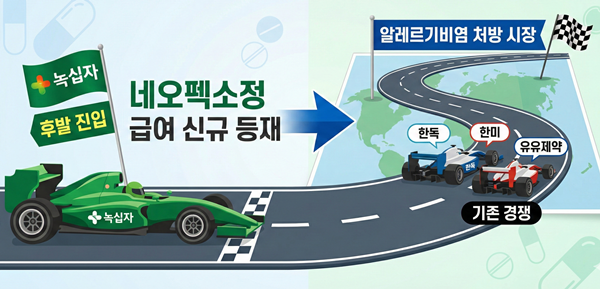
- GC Biopharma is expanding its reimbursed lineup of its fexofenadine-based Neofexo Tablets this year to strengthen its position in the prescription market for allergic rhinitis.By increasing the number of reimbursed items, it is entering the antihistamine prescription market as a latecomer, where companies like Handok, Hanmi, and Yuyu are competing.According to industry sources on the 24th, following the listing of Neofexo Tab 120mg (fexofenadine hydrochloride) in January, GC Biopharma will add Neofexo Tab 180mg to the reimbursement list in March.GC Biopharma plans to list Neofexo Tab 180mg for reimbursement in March. AI-generated image.The reimbursement ceiling price for Neofexo Tab 180mg has been set at KRW 267. Neofexo Tab 120mg, listed in January, previously received a ceiling price of KRW 220.Fexofenadine, a third-generation antihistamine, is marketed as both an over-the-counter (OTC) and prescription drug. The 120mg formulation is available in both categories, while the 180mg strength is prescribed exclusively.OTC formulations are indicated solely for the relief of seasonal allergic rhinitis, whereas prescription products carry broader indications, including symptom relief in chronic idiopathic urticaria.Neofexo Tab 120mg was approved as an OTC product, while the newly listed Neofexo Tab 180mg can only be sold as a prescription drug.A review of previously reimbursed products shows that companies including Handok, Hanmi Pharm, Yuyu Pharma, Chong Kun Dang, Il-Yang Pharm, and Hutecs Korea are actively competing in the prescription segment.Meanwhile, Allegra Tab, the original fexofenadine product, continues to demonstrate steady sales growth. According to UBIST, Allegra recorded sales of KRW 7.9 billion last year, marking a 9% increase year-on-year. Hanmi Pharm’s Fexonadine Tab also posted modest growth, rising 2% to KRW 3.3 billion.GC Biopharma already markets Allerjet Soft Cap, a 60mg OTC fexofenadine hydrochloride product approved in 2023.With reimbursement coverage now for Neofexo Tab, the company is expected to accelerate its strategic push into the allergic rhinitis market.
- Company
- Will Retevmo finally be reimbursed 5yrs post-approval?
- by Eo, Yun-Ho Feb 25, 2026 05:45pm
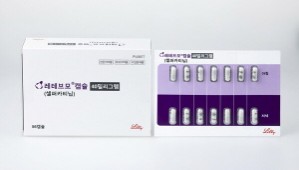
- Attention is once again turning to whether the RET-targeted anticancer therapy Retevmo can finally conclude its reimbursement listing process.Despite domestic regulatory approval, reimbursement coverage has yet to be granted nearly 5 years later, extending the wait for eligible patients.According to industry sources, Eli Lilly Korea resubmitted its reimbursement application for Retevmo (selpercatinib), indicated for RET-mutated non-small cell lung cancer (NSCLC), in April of last year. The therapy subsequently passed the Health Insurance Review and Assessment Service (HIRA) Cancer Disease Review Committee again in September. Follow-up procedures, including pharmacoeconomic evaluation, are reportedly in progress.The company has already submitted the required documentation, including the pharmacoeconomic evaluation data. However, specific timelines for review or details regarding price negotiations remain difficult to ascertain at this stage.Retevmo endured a truly arduous journey through the listing process. The drug received approval from the Ministry of Food and Drug Safety in March 2022. Subsequently, reimbursement criteria were established by the Health Insurance Review and Assessment Service in November 2022, and it passed the Drug Reimbursement Evaluation Committee in May 2023, gaining recognition for its cost-effectiveness.However, its listing fell through in August 2023 when price negotiations with the National Health Insurance Service broke down. Then, in October 2023, Phase III clinical trial data showing improved overall survival (OS) were announced, prompting the company to reapply based on this evidence.RET mutations represent rare genetic alterations identified in approximately 1–2% of NSCLC patients.Currently, Retevmo remains the only RET-targeted therapy approved in Korea. Conventional chemotherapy and immunotherapy have historically shown limitations in response rates and durability within this patient population.Meanwhile, the US National Comprehensive Cancer Network (NCCN) Guidelines recommend Retevmo as a Preferred Category 1 option for first-line treatment of RET-mutated metastatic NSCLC. This is the highest level of evidence and expert consensus. While it is considered a treatment option immediately upon diagnosis in global standards, it remains non-reimbursed in Korea.Of course, many anticancer drugs designated as global standard treatments remain non-covered in Korea. However, Retevmo differs in that, despite having already been recognized for cost-effectiveness once and securing additional clinical evidence after negotiations stalled, discussions for its coverage have been prolonged.Among the A7 reference pricing countries, Retevmo is reimbursed and actively used in clinical practice across six nations (the United States, Germany, Italy, the United Kingdom, Switzerland, and Japan), with France being the sole exception.
- Policy
- MFDS offering regulatory support for orphan drug discovery
- by Lee, Tak-Sun Feb 25, 2026 05:45pm
- The Ministry of Food and Drug Safety (MFDS) plans to accelerate the commercialization of government-led orphan drug (treating rare diseases) development by providing regulatory support from the early stages of development.The MFDS has initiated support for the orphan drug sector through the "Overcoming Unconquered Diseases" project, the Korean ARPA-H initiative led by the government.Through this support, the MFDS aims to accelerate the commercialization of orphan drugs and improve patient access to treatment for ultra-rare diseases.In observance of "Overcoming Rare Disease Day" on the 28th, the MFDS held a briefing for the medical and pharmaceutical press to explain the current status of support and policies for rare disease treatments.In observance of "Overcoming Rare Disease Day" on the 28th, the MFDS held a briefing for the medical and pharmaceutical press. (from left) Project Manager Misun Park of the Korea Health Industry Development Institute (KHIDI); Hyeon Jin Yim, Head of the Regulatory Science Policy Promotion Division; and Division Heads Chun-rae Kim, Jae-hyun Park, and Mi-ryeong Ahn."World Rare Disease Day" falls on February 29th, the rarest day of the year that occurs once every four years. Under the Rare Disease Management Act, the Korean government commemorates the last day of February each year (typically February 28th or 29th) as Rare Disease Day. The goal is to enhance public understanding of rare diseases and improve access to treatment and medical support for patients and their families.While South Korea has designated 1,380 rare diseases, drug development remains challenging due to the small patient population and the difficulty of attracting corporate investment.The government began treatment development through the Korean-style ARPA-H project. Benchmarked after the U.S. "ARPA-H (Advanced Research Projects Agency for Health)," this project is a "high-risk, high-return" national R&D initiative that began last year.In the field of rare diseases, projects currently underway include the development of a tailored, innovative treatment platform for pediatric rare disease patients, the N-of-1 (single-patient) clinical trial project (HEART), and patient-customized gene therapy to overcome visual impairment in hereditary eye diseases (BEACON). A national budget of KRW 17.5 billion is allocated for investment over 4.5 years.Typically, national R&D projects often conclude with researchers registering papers or patents. However, this project aims for commercialization. Consequently, regulatory support from the MFDS is considered crucial.Misun Park, Project Manager of the K-Health Future Promotion Division at KHIDI, explained, "To meet regulatory requirements after development has significantly progressed can lead to irreversible losses in time and cost. It is essential to communicate with the MFDS from the early stages of development to collaborate on clinical trial design and the direction of data preparation."Furthermore, due to the nature of rare diseases, patient administration cannot be cancelled even if any issues arise during the Investigational New Drug (IND) process. Therefore, the aim is to minimize trial-and-error by consulting with the MFDS from the start of development.The MFDS provides early-stage regulatory support through the "Regulatory Adequacy Review System," which has been in place since last year. This system analyzes and supports regulatory requirements during the initial stages of national R&D projects.The system reviews how products under development are classified and which laws apply to them, and provides consultations on evaluation criteria and methods for demonstrating safety and efficacy. Through this, regulatory response strategies and the necessity of joint research with the MFDS are also reviewed.Last year, the system supported commercialization by classifying stem-cell-based artificial blood projects as advanced biopharmaceuticals and recommending GRADE changes for digital therapeutic development projects for developmental disabilities.Hyeon Jin Yim, Head of the Regulatory Science Policy Division at the MFDS, stated regarding the system, "Researchers often develop innovative technologies but face difficulties at the commercialization stage because they do not fully understand regulatory procedures. The Ministry provides guidance from the beginning on which laws apply, what data needs to be prepared, and what strategies are necessary to increase the likelihood of approval."Yim added, "Preventing delays in commercialization is possible if the time required for supplementation is shortened by analyzing regulatory targets in advance. We are currently in discussions regarding eight projects under the ARPA program."The MFDS is also working to improve accessibility by easing designation requirements for orphan drugs and implementing expedited reviews. Starting this year, drugs can receive orphan drug designation (ODD) even without submitting data demonstrating significantly improved safety or efficacy compared to existing alternatives.Chun-rae Kim, Head of the Pharmaceutical Policy Division at the MFDS, explained, "Previously, for rare disease drugs announced by the Korea Disease Control and Prevention Agency (KDCA), data proving improved safety and efficacy had to be submitted. However, through consultations with the pharmaceutical industry last year, we decided to omit this regulatory requirement."This year, the Ministry plans to discuss with the industry measures to ease regulations on orphan drug designation cancellations.When designated as an orphan drug, rapid approval can be expected through expedited regulatory reviews. The MFDS selects drugs for expedited review through the "GIFT" (Global Innovative products on Fast Track) system. Currently, of the 50 items approved as GIFT products, 42 are orphan drugs.Jae-hyun Park, Head of the Expedited Review Division at the MFDS, stated, "According to the disease groups of treatments designated as GIFT, half are recurrent or intractable cancers with small patient populations. For these patients, clinical trials themselves can be a treatment opportunity. In the future, we plan to consult with the public and private sectors to ensure that patient opinions are reflected in GIFT reviews."For orphan drugs not designated under GIFT, the MFDS also offers flexibility in reviews, granting approval based on Phase 2 clinical trials, with the requirement to submit Phase 3 clinical data post-market. Mi-ryeong Ahn, Head of the Oncology and Antibiotics Division, added, "We continue to develop guidelines related to clinical trial design to increase flexibility at the approval stage."
- Company
- Imfinzi reimbursed for gastrointestinal cancer in Korea
- by Son, Hyung Min Feb 25, 2026 05:45pm
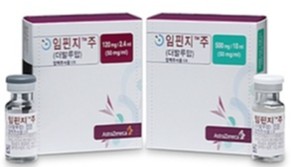
- AstraZeneca’s immuno-oncology drug Imfinzi is poised for expanded reimbursement in first-line hepatocellular carcinoma and biliary tract cancer, signaling potential shifts in gastrointestinal cancer treatment strategies.In hepatocellular carcinoma, the Imfinzi + Imjudo combination is expected to compete with the Tecentriq+Avastin regimen. In biliary tract cancer, an Imfinzi-based triplet combination will face off against Keytruda-based combination therapy. Given the characteristics of immunotherapy combinations, which carry a relatively lower bleeding risk, and the fact that reimbursement for Imfinzi is being applied first, there is an atmosphere of anticipation for a first-mover advantage in the market.AstraZeneca's immuno-oncology drug ImjudoAccording to industry sources on the 25th, the reimbursement expansion for AstraZeneca's immuno-oncology drug Imfinzi (durvalumab) is scheduled for next month.For hepatocellular carcinoma, the reimbursed regimen includes the PD-L1 inhibitor Imfinzi combined with the CTLA-4 inhibitor Imjudo (tremelimumab). Both drugs are immunotherapies, designed to enhance antitumor responses by simultaneously promoting initial T-cell activation and sustaining immune activity while blocking immune evasion mechanisms.Clinical efficacy of the Imfinzi+Imjudo combination was demonstrated in the Phase III HIMALAYA study. The trial evaluated 1,171 treatment-naïve patients aged 18 years or older with unresectable hepatocellular carcinoma, comparing Imfinzi + Imjudo versus Bayer’s Nexavar (sorafenib).Results showed that the Imfinzi+Imjudo combination therapy reduced the risk of death by 22% compared to Nexavar monotherapy. The overall survival (OS) for the Imfinzi + Ibrutinib combination therapy was 16.4 months versus 13.8 months for Nexavar monotherapy.The Imfinzi+Imjudo regimen will compete with Roche’s reimbursed Tecentriq (atezolizumab)+Avastin (bevacizumab) combination.A key advantage cited for the Imfinzi+Imjudo regimen is reduced bleeding risk. Tecentriq+Avastin is known to be associated with relatively higher bleeding incidence attributable to Avastin.Competition is expected to intensify further with the introduction of later entrants. Ono Pharmaceutical and Bristol Myers Squibb (BMS) are currently preparing reimbursement applications for the Opdivo(nivolumab)+Yervoy (ipilimumab) combination in hepatocellular carcinoma. This Opdivo(nivolumab)+Yervoy (ipilimumab) regimen is a combination of PD-1 and CTLA-4 class immuno-oncology drugs.Opdivo+Yervoy’s primary advantage lies in its OS outcomes. In the Phase III CheckMate-9DW study, median OS reached 23.6 months, exceeding the 20.6 months observed with Eisai’s Lenvima (lenvatinib) or Nexavar.Furthermore, recently released 4-year analysis results showed the overall survival rate was 31% in the Opdivo + Yervoy group, higher than the 18% in the control group.First-line coverage for biliary tract cancer...Competition with KeytrudaAstraZeneca's immuno-oncology drug ‘Imfinzi’For biliary tract cancer, coverage for the combination therapy Imfinzi+gemcitabine+cisplatin will be newly established. The specific indication is for the treatment of unresectable locally advanced or metastatic biliary tract cancer. Reimbursement is limited to adenocarcinoma and excludes ampullary carcinoma.Although biliary tract cancer affects relatively few patients, early diagnosis is difficult. Due to rapid metastasis to surrounding organs and high recurrence rates, the 5-year relative survival rate (2017-2021) is only 28.9%. Seven out of ten patients die from biliary tract cancer. It has also been a challenging field for drug development. The combination therapy of Imfinzi+gemcitabine+cisplatin demonstrated a 2-year overall survival rate of 24.9% in the TOPAZ-1 clinical trial led by Korean medical teams, confirming a survival rate more than double that of the existing standard treatment (10.4%).Furthermore, the TOURMALINE study showed that the combination of Imfinzi, gemcitabine, and cisplatin demonstrated similar efficacy compared to other gemcitabine-based chemotherapy combinations (such as oxaliplatin, paclitaxel, carboplatin, etc.). The objective response rate (ORR) for the primary combination therapy in that clinical trial was 27%.With this reimbursement, Imfinzi will directly compete with Keytruda plus gemcitabine plus cisplatin combination therapy in the first-line biliary tract cancer treatment space.Keytruda-based therapy received regulatory approval for expanded indications in April 2024. Supporting clinical data demonstrated a median OS of 12.7 months. However, the earlier reimbursement approval of the Imfinzi regimen is expected to confer market entry advantages.
- Policy
- First matching-form Ofev generic listed at half price
- by Jung, Heung-Jun Feb 24, 2026 03:55pm
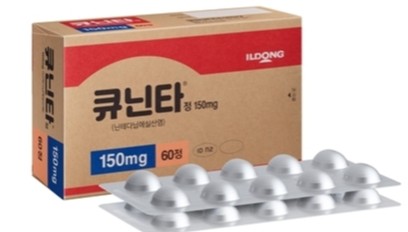
- A generic version of the chronic fibrotic interstitial lung disease treatment Ofev Soft Cap (nintedanib esylate) with the same formulation will be listed for reimbursement for the first time.With its reimbursement entry at a price more than 50% lower than the original, full-scale market competition is expected.According to industry sources on the 20th, Ildong Pharmaceutical’s Cuninta Soft Cap 100 mg and 150 mg will be added to the March reimbursement list.The substance patent for Boehringer Ingelheim Korea's Ofev Soft Capsules expired in January last year. Subsequently, generic companies have successively launched their versions.However, unlike the original drug, those products obtained approval in tablet formulations. From July last year, Yungjin Pharm, Ildong Pharmaceutical, Daewoong Pharmaceutical, Kolon Pharmaceutical, and others entered reimbursement. Whan In Pahrm also received approval for Ofenib Tab, but the drug is yet to be listed for reimbursement.Until now, no reimbursed generic matching Ofev’s soft capsule formulation has been available. Ildong Pharmaceutical is expected to be the first to list a soft capsule generic, Cuninta Soft Cap, following its release of Cuninta Tab.Cuninta Tab 150 mg was previously listed at KRW 13,500, roughly half the price of Ofev Soft Cap, which was priced at KRW 26,220.Although generics designated as orphan drugs could receive equivalent pricing to the original, manufacturers pursued lower prices to strengthen market competitiveness.The reimbursement ceiling prices for Cuninta Soft Cap 100 mg and 150 mg are set at KRW 8,500 and KRW 13,500, respectively. Notably, the lower dose represents about 40% of the originator’s 100 mg price of KRW 20,960.Where earlier competition strategies relied on tablet differentiation and lower pricing, manufacturers can now seek prescription expansion based on identical formulation at half the cost.Because switching prescriptions within the same formulation is expected to face less patient resistance, Ildong Pharmaceutical is anticipated to intensify its competitive positioning against Ofev.Given that Ofev entered reimbursement relatively late, 8 years after domestic approval, Ofev is expected to face intensifying competition from the later entrant generics.
- Policy
- Government to establish bioequivalence standards for complex generics
- by Lee, Jeong-Hwan Feb 24, 2026 03:55pm
- The government is moving forward with the development of guidelines, including bioequivalence evaluation standards for complex generic drugs.This initiative aims to support the rapid development of complex generics as market entry for new technology and new concept drugs increases.Formulations targeted for new assessment criteria and testing methodologies include oral agents, injectables, inhalation products, and ophthalmic preparations.On the 20th, the National Institute of Food and Drug Safety Evaluation (NIFDS) under the Ministry of Food and Drug Safety (MFDS) announced the launch of a research project titled the “New Technology and New Concept Drug Guideline Development Project”.To develop bioequivalence assessment standards and testing method guidelines for complex generics, the Ministry of Health and Welfare (MOHW) will establish a multi-layered advisory framework involving industry, academia, and regulatory experts. Policy decisions will be made through an expert committee following internal review for stage-by-stage examination and verification.The research will define the concept of complex generics and conduct comparative analyses of domestic pharmaceutical industry demand alongside guideline frameworks from major global regulatory authorities to create new guidelines.Guidelines currently operated by the US FDA, European EMA, and Japan PMDA will be analyzed. Priorities for new guideline development will be determined based on technological impact, industry needs, and regulatory necessity.Subsequently, it will present general evaluation principles applicable to all dosage forms of complex generics and publish a reference manual to support development.In addition, bioequivalence guidelines specific to complex generics will be developed. It plans to create equivalence evaluation guidelines for oral, injectable, inhaled, and ophthalmic combination generics, validate them through a separate expert advisory body, including the Ministry of Food and Drug Safety (MFDS), and then finalize them.For this year, oral formulations selected for guideline development include pentosan polysulfate sodium products, ferric citrate hydrate capsules, and mesalamine extended-release tablets.Injectable products include dexamethasone extended-release implants and paliperidone palmitate long-acting injections. Inhalation products cover budesonide, formoterol fumarate inhalation aerosols, fluticasone propionate inhalers, and fluticasone propionate/salmeterol xinafoate inhalation powders.Ophthalmic formulations include brinzolamide suspension eye drops and prednisolone acetate suspension eye drops.Notably, authorities plan to establish a collaborative framework with the task force supporting rapid drug development guidelines. Once completed, newly developed guidelines will be promoted to industry and academic stakeholders, alongside implementation activities such as conferences.NIFDS stated, “We plan to develop more than 10 bioequivalence guidelines for complex generics and publish a project report. Through technological support for complex generics, we aim to accelerate the timely commercialization of high-quality generics while strengthening review reliability and transparency through science-based guidelines.”
- Company
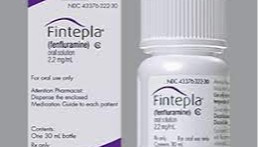
- Fintepla’s reimbursement listing process draws attention
- by Eo, Yun-Ho Feb 24, 2026 03:55pm
- Attention is focused on the insurance reimbursement process for ‘Fintepla’, a drug included in Korea’s approval-evaluation-negotiation parallel pilot program.The reimbursement application for UCB Pharma Korea’s Dravet syndrome drug Fintepla (penfluramine) has been submitted to the Health Insurance Review and Assessment Service's (HIRA) Pharmacoeconomic Evaluation Subcommittee and is currently undergoing subsequent procedures.Approved domestically last December, Fintepla was designated as an orphan drug and was selected as a candidate for the second phase of the government's ‘Approval-Evaluation-Negotiation Parallel Pilot Program’. Amid ongoing debates about the effectiveness of the pilot program, it remains to be seen whether Fintepla can smoothly complete the listing procedures, including review by the Drug Reimbursement Evaluation Committee.Dravet syndrome is an ultra-rare, pediatric, intractable disorder that typically manifests in infancy. According to experts, approximately 80% of cases are associated with SCN1A mutations.It typically manifests around 12 months of age, with up to 15% of patients dying during infancy or adolescence. Patients face elevated risks of both physical and neurodevelopmental comorbidities, including motor impairment, language delay, autism spectrum disorders, intellectual disability, and ADHD.Caregivers also endure high caregiving stress and low quality of life, including the burden of 24-hour care, career disruptions, and loss of income.Frequent, long-term seizures in Dravet syndrome patients not only degrade the quality of life for both patients and caregivers but also carry a risk of sudden unexpected death in epilepsy (SUDEP). Therefore, seizure reduction or elimination is the central treatment objective for the condition.However, conventional antiepileptic drugs often show limited efficacy, and certain therapies may even exacerbate seizures, leaving considerable unmet medical need in the domestic treatment landscape. Fintepla is being evaluated as a treatment option that not only reduces seizure frequency but may also achieve near-complete seizure control in some patients.Fintepla’s clinical value has been demonstrated through 3 randomized Phase III trials (Study 1–3).An integrated analysis combining data from 119 patients enrolled in Study 1 and participants recruited in Study 3 showed that the Fintepla treatment group showed a reduction in monthly convulsive seizure frequency (MCSF) by 62.3% and 64.8%, respectively. Notably, near-complete seizure elimination was observed exclusively in the Fintepla treatment groups.Study 2, a 15-week trial consisting of a six-week baseline, three-week titration, and 12-week maintenance phase, randomized patients 1:1 to receive Fintepla or placebo alongside standard therapy with stiripentol (plus clobazam and/or valproate). Results showed that 54% of patients in the Fintepla combination group achieved at least a 50% reduction in MCSF from baseline, compared with only 5% in the placebo group.
- Policy
- Backlash mounts to drug price reduction reform plan
- by Lee, Jeong-Hwan Feb 24, 2026 03:55pm
- The Korean pharmaceutical industry continues criticizing that the background of the Minister of Health and Welfare (MOHW)'s drug pricing system reform, which includes 'calculation criteria for impact of drug price reductions' and 'preferential drug price criteria,' is unreasonable.The MOHW calculated simulation results for losses incurred from drug price reductions based on total sales amount. However, the view is that the calculation standard itself is flawed, as sales amount includes all accounting elements involved in the manufacturing and production of medicines.Furthermore, the criticism is that preferential drug price clauses based on whether a company is certified as an Innovative Pharmaceutical Company or on its ratio of new drug Research and Development (R&D) expenditure to sales are inappropriate because they are arrived at unilaterally, without proper agreement between the government and the industry.On the 22nd, the pharmaceutical industry voiced concerns about MOHW's unilateral push for drug pricing reform, stating, "The justification for the price reduction is unclear, and such administration significantly undermines trust in the government, leading to results that run counter to the fostering of the global pharmaceutical industry."On the 20th, the Health Insurance Policy Deliberation Committee (HIPDC) subcommittee excluded the drug pricing system reform plan, including the price reduction for currently listed generics, from its agenda.The MOHW cited insufficient gathering of industry opinions and said it would continue communicating with the industry until next month's (March) HIPDC meeting.Despite the MOHW’s decision to defer or postpone the agenda, the pharmaceutical industry remains skeptical about the possibility of revisions to the reform plan. This is due to the observation that the MOHW has not shown a proactive negotiation attempts thus far.Korean pharmaceutical companies cite the MOHW's methodology for calculating the impact of drug price reductions as the biggest issue.It is reported that the MOHW, based on simulation results analyzing the financial impact after price reductions using the sales revenue of several domestic pharmaceutical companies operating the generic business, concluded that revenue losses would be minimal even if the generic price calculation rate were lowered to 40%.Furthermore, the ministry believes that its reform plan is sufficiently valid and consistent, having derived results showing that certified innovative pharmaceutical companies or those with a high proportion of new drug R&D relative to sales would remain relatively unaffected by the price reductions.Korea's domestic pharmaceutical companies maintain that if the MOHW simulates the impact of price reductions based solely on total sales revenue or simple operating profit, an accurate evaluation is impossible.The reason is that a simulation based on sales revenue calculates figures by including every accounting element without exception. In contrast, one based on operating profit excludes selling, general, and administrative (SG&A) expenses. This evaluation method is impossible to reflect the innovation of pharmaceutical companies that have substantially contributed to the development of the domestic industry.In particular, while the MOHW has stated multiple times that the purpose of this drug pricing system reform is to foster the pharmaceutical industry rather than reduce health insurance drug expenditures, the pharmaceutical industry argues that reducing generic drug prices significantly while claiming to foster the industry is contradictory.The criticism is that the ministry's administrative goal, which it seeks to achieve through price reductions, is unclear.An official from domestic Pharmaceutical Company A pointed out, "The sales revenue evaluation, which is the standard for the MOHW’s impact simulation, is flawed as it includes all accounting elements," and added, "They must divert from single standards like sales revenue, perform a value evaluation considering various factors, and then proceed with simulations in a direction that grows the pharmaceutical industry and the drug market."Then added, "The MOHW changed the health insurance listing method for drugs from a negative list to a positive list system," and added, "This implies that the governemtn will make value judgments on drug prices. Therefore, all-at-once reduction of drugs listed through this system means the government considers existing medicines to have no value and intends to suppress the market."An official from domestic Pharmaceutical Company B also expressed, "The MOHW can analyze the reduction in pharmaceutical companies' revenue quite precisely through health insurance claim amounts or supply history reports. It is puzzling why they designed the drug price reduction and the pricing system reform plan with a simulation that excludes such big data when it is available for use."The official stated, "The pharmaceutical industry will be able to trust the government again only if the MOHW discloses transparent data regarding the evidence and standards used to design the drug pricing system reform and shows a willingness to negotiate," and added, "For now, meetings between the MOHW and the pharmaceutical industry may become a superficial formality, aimed at filing a quota of superficial mutual consultations."
- Policy
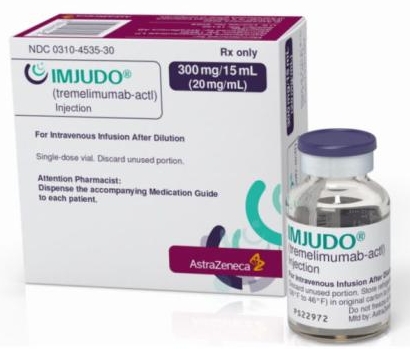
- Imjudo + Imfinzi comb to enter reimb list next month
- by Jung, Heung-Jun Feb 23, 2026 09:16am
- AstraZeneca Korea's liver cancer treatment, Imjudo (tremelimumab), will be included in the reimbursement list next month. This follows three months after the Drug Benefit Evaluation Committee (DBEC) approved combination therapy with Imfinzi.It is reported that a ceiling price of KRW 16.5 million has been set for this newly listed high-cost drug. Treatment access to hepatocellular carcinoma treatment is expected to improve significantly.According to industry sources on the 20th, AstraZeneca Korea's Imjudo Injection (0.3g/15mL) will be reimbursed starting in March.In November last year, the DBEC approved the reimbursement appropriateness of Imjudo as 'first-line treatment of adult patients with advanced or unresectable hepatocellular carcinoma in combination with durvalumab.'The listing process proceeded smoothly as drug price negotiations with the National Health Insurance Service (NHIS) began in December. Following the conclusion of price negotiations, insurance coverage is scheduled to begin in March.Imjudo was a drug for which requests for rapid listing were made during the Ministry of Health and Welfare (MOHW)'s National Assembly audit last year. At that time, the National Assembly inquired about plans to expand the reimbursement evaluation method, given the drug's distinct single-dose administration.According to the MOHW's response at the time, an application for health insurance coverage for Imjudo was filed in March last year, and the DBEC conducted a review of the drug cost comparison criteria in September of the same year.However, the DBEC delivered a reconsideration decision regarding the combination therapy with Imfinzi last September. After that, Imjudo's appropriateness for reimbursement was recognized during the DBEC reconsideration in November.Analysis suggests that the government's designation of a flexible application of the Incremental Cost-Effectiveness Ratio (ICER) value for Imjudo, second since the ADC anticancer drug 'Trodelvy (sacituzumab govitecan)', facilitated the smooth winding up of the drug price negotiations.
