
- LOGIN
- MemberShip
- 2026-06-20 01:22:38
- Company
- Korea’s bio-industry production hits ₩22.9 trillion
- by Kim, Jin-Gu Nov 12, 2025 06:19am
- Last year, the domestic bio industry's production scale reached KRW 22.9216 trillion, a 9.8% increase compared to the previous year. Exports rose 17.1% year-on-year, driven by existing key export items such as antibody drugs and CMO for biopharmaceuticals. R&D investment increased by 3.2%. The Ministry of Trade, Industry and Energy, in collaboration with the Korea Biotechnology Industry Association, announced the results of the ‘2025 Domestic Bioindustry Status Survey’ on the 11th. The survey includes the status of production, exports/imports, employment, and investment in the bio industry as of 2024. According to the survey results, the domestic bio industry's production scale reached KRW 22.9216 trillion, a 9.8% increase compared to the previous year. By year, the figures were KRW 17.1983 trillion in 2020, KRW 21.3971 trillion in 2021, KRW 23.8160 trillion in 2022, and KRW 20.8713 trillion in 2023, showing a sustained high average annual growth rate of 7.4% over the last 5 years. The biopharmaceutical sector holds the largest share of production scale. As of 2024, the biopharmaceutical sector's production scale reached KRW 8.4305 trillion, accounting for 36.8% of the total biotechnology industry production scale. This is followed by the bio-food sector (including health functional foods and fermented foods) at 20.0%, and the bio-service sector (including contract manufacturing and bio-analysis) at 17.4%. The production scale of the biopharmaceutical sector increased by 33.2% from KRW 6.3313 trillion in 2023. By specific product category, therapeutic antibodies and cytokine preparations led the production expansion, growing 53.7% year-on-year to KRW 4.8645 trillion. Additionally, biomanufacturing and contract services recorded KRW 3.2179 trillion, a 5.2% increase from the previous year. Biotech exports grew by 17.1% from KRW 11.7081 trillion in 2023 to KRW 13.7109 trillion in 2024. During the same period, imports increased by 10.4% from KRW 3.3452 trillion to KRW 3.6917 trillion. Growth in the biopharmaceutical sector was particularly notable in exports. Biopharmaceutical exports, which were KRW 4.2978 trillion in 2023, increased by 46.0% to KRW 6.2740 trillion last year. Therapeutic antibodies and cytokine preparations, in particular, showed an increase of KRW 1.5939 trillion won over one year. The workforce in the biotech industry reached 65,818 people in 2024, a 1.5% increase from the previous year. Compared to 52,297 people in 2020, this represents an average annual growth rate of 5.9% over the past 5 years. By job type, research positions increased by 1.8% from 19,432 to 19,877. Production roles grew by 1.9% from 21,746 to 22,151. Sales, management, and other positions rose by 0.8% to 23,879. Total investment in 2024 reached KRW 5.4821 trillion, a 46.1% increase compared to KRW 3.752 trillion in 2023. During this period, R&D expenses rose 3.2% from KRW 2.6188 trillion to KRW 2.7024 trillion, while facility investment costs surged approximately 2.5-fold from KRW 1.1332 trillion to KRW 2.7797 trillion. Woo-hyuk Choi, Director-General for Advanced Industry Policy at the Ministry of Trade, Industry and Energy, stated, “Despite the uncertain global trade environment, the bio industry is recovering its growth momentum. We will strengthen support for companies to boost their R&D, production, and exports so that the sector can make an even greater contribution to our economy and employment.”
- Company
- Biotech firms with net loss overestimate their performance
- by Cha, Jihyun Nov 12, 2025 06:19am
- While Korean biotech and healthcare companies are using the Technology Exception Listing system to challenge the Initial Public Offering (IPO) market, there have been concerns over their valuation methods. Critics argue that some companies are excessively inflating their valuations by presenting overly optimistic estimates of future performance or by selecting comparables that are significantly larger and established at the public offering price. All 2024 listed biotech companies are in deficit, but the futue estimated earnings used for IPO price show tens of billions in surplus According to the Financial Supervisory Service (FSS) on the 12th, a total of 10 biotech and healthcare companies have been listed through the Technology Exception Listing system this year. Starting with Orum Therapeutics in February, OrganoidSciences, ROKIT Healthcare, ImmuneOncia, and IntoCell were listed in May. GC Genome debuted on the stock market in June, followed by Neurofit and Protina in July. G2GBIO and Graphy entered the KOSDAQ market in August. Other companies are also pursuing listings through the Technology Exception Listing system, with Curiosis, AimedBio, Rznomics, QuadMedicine, and LivsMed having submitted IPO registration statements to the Financial Services Commission. The Technology Exception Listing system is a regulatory measure designed to lower the listing barrier for companies with technology and growth potential but that lack profitability. It is considered the primary IPO channel for biotech companies that invest massive amounts in new drug development without clear revenue streams. Most companies listed via the Technology Exception Listing system use the Relative Valuation Method to calculate their public offering price. The prevalent method involves applying the Price-to-Earnings Ratio (PER) of comparable listed companies in the same industry to the listing applicant's estimated future earnings. The PER, calculated by dividing the stock price by earnings per share, is an index that comprehensively reflects a company's profitability, risk, and market valuation from its operating activities. Thus, future growth potential, rather than current earnings, becomes the core criterion for the public offering price. However, the problem is that the public offering price is often calculated higher than its actual value due to questionable practices in estimating future earnings and selecting comparable companies. An analysis of the registration statements of 15 biotech and healthcare companies that listed or are pursuing listing via the Technology Exception Listing system this year showed that not a single company was profitable in 2024. All 15 surveyed companies were in a net loss position. Despite this, most of these companies projected they could achieve a net profit of KRW 10-90 billion within 2-3 years. They claim significant results can be achieved through early technology exports from underdeveloped pipelines, product approvals, and product sales. "2025 Biotech and healthcare companies that were listed using the Technology Exception Listing system. Their estimated profit and the actual net profit when listed"; COLUMN1 (COMPANIES): Orum Therapeutics, OrganoidSciences, ROKIT Healthcare, ImmuneOncia, IntoCell, GC Genome, Neurofit, Protina, G2GBIO, Graphy, Curiosis, AimedBio, Rznomics, QuadMedicine, and LivsMed; COLUMN2 (2024 NET PROFIT in KRW 100M); COLUMN3 (FUTURE ESTIMATED NET PROFIT). (source: Financial Supervisory Service) AimedBio reported the highest future estimated net profit, projecting KRW 87.1 billion by 2029. This is an aggressive target, considering AimedBio recorded a consolidated net loss of KRW 3.3 billion last year. LivsMed, which recorded a consolidated net loss of KRW 13.9 billion last year, projected an estimated net profit of KRW 71 billion by 2027. Rznomics, which recorded a separate net loss of KRW 18.9 billion last year, projected net profits of KRW 35.3 billion in 2027, KRW 2.9 billion in 2028, and KRW 67.2 billion in 2029. G2GBIO showed the largest gap between current earnings and future estimates. G2GBIO reported a separate net loss of KRW 83.3 billion last year, yet the company projected a net profit of KRW 40 billion by 2029. ImmuneOncia projected KRW 51.7 billion by 2028; Neurophit projected KRW 9.1 billion in 2027 and KRW 28.9 billion in 2028; and IntoCell projected KRW 24 billion in net profit by 2027, all of which were used as bases for calculating their public offering prices. Orum Therapeutics was the only surveyed company that reflected actual earnings, not future estimates, in its public offering price calculation. The company calculated its corporate value using net profit based on its Last Twelve Months (LTM) ending Q3 2024 (which combined performance from Q4 2023 to Q3 2024). This allowed the company to set its public offering price based on actual earned revenue, primarily driven by technology fees from a large-scale technology export agreement with a global big pharma, rather than on mere projections. However, whether the proceeds from technology exports are one-time or sustainable still needs to be assessed. Although not included in the public offering price calculation, Orum Therapeutics projected it could achieve KRW 75.2 billion in sales and KRW 34.7 billion in net profit in 2026. This calculation is based on the premise of securing additional technology export agreements alongside the inflow of milestones from existing contracts. Comparison to big pharma, multi-trillion-won global firms included...overvaluation has been pointed out Analysis suggests that not only are the future earnings projections presented by the listing companies overly optimistic, but the selection of comparable companies also lacks justification. A review of the similar companies selected by the 15 surveyed firms shows a high proportion of major pharmaceutical companies like Hanmi Pharmaceutical, Chong Kun Dang, and Daewoong Pharmaceutical. Unlike the pre-listing companies, which are not generating profit, these comparables boast annual revenues exceeding KRW 1 trillion. A significant number of firms also presented overseas companies as comparables. GC Genome, the genomics analysis affiliate of Green Cross Group, selected four comparable companies, including the domestic firm Boditech Med, along with Revvity, Hologic, and Diasorin. Except for KOSDAQ-listed Boditech Med, the other three companies in GC Genome's peer group are overseas-listed global diagnostic firms with annual revenues in the trillions of KRW. Protina also included Danaher and Revvity in its peer group, and Graphy selected all overseas firms as comparables, including Align Technology, Straumann Holding AG, and Modern Dental Group. Curiosis and LivsMed also included a large number of major global companies with net profits in the trillions of KRW in their comparable groups. Comparables and PER discount rate of biotech and healthcare companies listed in 2025 using the Technology Exception Listing system. COLUMN1 (COMPANIES): Orum Therapeutics, OrganoidSciences, ROKIT Healthcare, ImmuneOncia, IntoCell, GC Genome, Neurofit, Protina, G2GBIO, Graphy, Curiosis, AimedBio, Rznomics, QuadMedicine, and LivsMed; COLUMN4 (per-share valuation calculation). (source: Financial Supervisory Service) The inclusion of conglomerate companies in the comparable groups also led to higher PERs in the per-share valuation calculation. LivsMed's calculated PER, based on the market value of its peer group, was 45.5 times, the highest applicable PER among the 15 surveyed companies. This was followed by Rznomics (29.6 times), Graphy (29.0 times), G2GBIO (28.1 times), and QuadMedicine (27.5 times). Emerging-technology companies cannot set the public offering price on their own. The estimated earnings and comparable companies are determined through consultation between the company and the listing underwriter, based on a comprehensive consideration of the listing applicant's technology and market outlook. Furthermore, the final public offering price is confirmed only after a second step involving institutional investor demand forecasting, followed by applying a discount rate to the estimated earnings to determine the desired public offering price range. However, the market assessment is that the public offering prices for biotech and healthcare companies are being set at an excessively unrealistic level. Indeed, the majority of emerging-technology biotech companies fail to achieve the earnings estimates presented in the public offering price calculation. Experts commonly point out that biotech companies, which lack visible earnings such as sales or profits, are more likely to overestimate their public offering price than conventional companies.
- Company
- Celltrion completes review for acquiring Lilly pharma plant
- by Choi, Da-eun Nov 12, 2025 06:19am
- Celltrion announced on the 11th that it has completed the merger review process under the Premerger Notification Office (PNO) of the U.S. Federal Trade Commission (FTC) for its acquisition of Eli Lilly's manufacturing facility in Branchburg, New Jersey, USA. This is the final regulatory step, following the merger approval from the Irish government on October 31st (local time). With this approval, all necessary regulatory reviews for the factory acquisition have been finalized. The merger review process evaluates whether an acquisition restricts competition. Celltrion was subject to review in the U.S. under the Hart-Scott-Rodino Act (HSR Act) as well as in Ireland due to meeting certain revenue thresholds. With the completion of this procedure, Celltrion plans to finalize the 'Deal Closing' within the year as scheduled. Immediately upon completion of the deal, Celltrion will commence the Post-Merger Integration (PMI) process to achieve rapid organizational unification without disruption to operations. The company will also implement customized programs to support local employees. This acquisition secures three major strategic advantages for Celltrion: △resolving tariff risks through establishing a U.S. production hub △mitigating geopolitical uncertainties △expanding its U.S. Contract Manufacturing Organization (CMO) business. Notably, by centering its operations at the Branchburg facility, Celltrion expects to meet the growing CMO demand in the U.S. and generate revenue immediately upon acquisition through its existing CMO contract with Eli Lilly. The Branchburg plant is a large campus spanning approximately 45,000 pyeong. Celltrion plans to invest an additional KRW 700 billion or more in the 11,000 pyeong of idle land within the facility, expanding its production capacity to 1.5 times the size of its Plant 2 in Songdo, Incheon. Celltrion employee stated, "Celltrion has completed all necessary regulatory processes to acquire the U.S. facility, securing a stepping stone for challenging the global market," and added, "We plan to put efforts into company growth and enhance shareholder value by strengthening the competitiveness of global pharmaceutical production."
- Policy
- Yuhan–Janssen join forces to tackle lung cancer
- by Jung, Heung-Jun Nov 12, 2025 06:19am
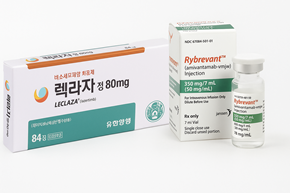
- As Yuhan Corporation and Janssen Korea join forces to co-promote their lung cancer treatments, securing reimbursement for the combination therapy has emerged as the next major hurdle to fully realize their market synergy. Janssen Korea’s non-small-cell lung cancer drug Rybrevant (amivantamab) was granted reimbursement as monotherapy by the Cancer Disease Deliberation Committee (CDDC) in September, but its combination with carboplatin or lazertinib did not receive reimbursement approval. According to industry sources on the 10th, Janssen Korea has submitted a request for reconsideration to the CDDC regarding the unestablished reimbursement criteria. At that meeting, Rybrevant’s reimbursement was not established for use in ▲combination with carboplatin and pemetrexed as first-line therapy for adults with locally advanced or metastatic EGFR exon 20 insertion-positive NSCLC, and in ▲combination with lazertinib for adults with EGFR exon 19 deletion or exon 21 (L858R) substitution mutation-positive NSCLC. However, Janssen Korea applied for a reimbursement re-evaluation for the combination therapy with carboplatin and pemetrexed 3 weeks after the CDDC decision. A cost-effectiveness review is underway for the re-evaluation. Also, with its combined use with Leclaza, which is also accumulating clinical evidence, the company’s attempts for reimbursement listing are expected to continue. Recently, the National Comprehensive Cancer Network (NCCN) also prioritized the combination therapy of Leclaza + Rybrevant as a first-line treatment for EGFR-positive non-small cell lung cancer. Given Rybrevant’s high price, public demand for its reimbursement had been strong, with a national petition for reimbursement gathering over 50,000 signatures, leading to formal discussion in the National Assembly earlier this year. During the latest NA audit, multiple lawmakers again raised questions about its reimbursement timeline. Rep. Nam-Hee Kim (Democratic Party of Korea) specifically urged the Ministry of Health and Welfare (MOHW) to establish reimbursement criteria for first-line treatment and expedite insurance coverage. In response, the Ministry stated, “The pharmaceutical company has applied for a re-evaluation of reimbursement criteria for the first-line treatment indication that had not been set the last time. We plan to proceed with the process and determine reimbursement eligibility.” Meanwhile, Janssen Korea, the domestic pharmaceutical subsidiary of Johnson & Johnson, announced on the 10th a joint promotion plan with Yuhan Corporation for the combination therapy of ‘Leclaza (lazertinib)’ + ‘Rybrevant (amivantamab)’.
- Company
- HanAll, ‘US Immunovant’s HL161 development is on track'
- by Kim, Jin-Gu Nov 12, 2025 06:18am
- HanAll Biopharma’s US partner Immunovant announced the clinical progress of its autoimmune disease treatment candidate ‘HL161’ in a financial report released on November 10 (local time). HL161 is an autoimmune disease treatment candidate developed by Hanall Biopharma. It licensed out the technology to Roivant Sciences, the parent company of Immunovant, which is currently developing HL161 in two distinct pipelines: batoclimab (Immunovant code name IMVT-1401) and imeroprubart (Immunovant code name IMVT-1402). The next-generation FcRn inhibitor imeroprubart is being clinically developed across six autoimmune indications — Graves' disease (GD), difficult-to-treat rheumatoid arthritis (D2T RA), myasthenia gravis (MG), chronic inflammatory demyelinating polyneuropathy (CIDP), Sjögren's syndrome (SjD), and cutaneous lupus erythematosus (CLE) — with all studies progressing as planned. In 2026, it plans to sequentially release early data from the pivotal rheumatoid arthritis trial and topline results from the Proof-of-Concept (PoC) trial for cutaneous lupus erythematosus (CLE). In 2027, it will release topline results from the pivotal trials for refractory rheumatoid arthritis, Graves' disease, and myasthenia gravis. Immunovant is conducting 2 Phase III trials of batoclimab for thyroid eye disease (TED). The company stated that the first trial is expected to be completed as scheduled within December this year. However, it plans to announce the combined data from both trials in the first half of next year, rather than releasing the first trial results at year-end. The second trial is expected to be completed before the first half of next year. HanAll Biopharma plans to announce topline results as each clinical dataset becomes available, following close discussions with Immunovant. Seungwon Jeong, CEO of HanAll Biopharma, stated, “We will transparently share the results of our clinical programs through collaboration with our partners. Based on the thyroid eye disease data, we plan to continue preparations for the commercialization of batoclimab in Japan.”
- Company
- Eun Jin Bae appointed Director of Sanofi’s Global MA team
- by Eo, Yun-Ho Nov 11, 2025 06:09am
- Eun Jin Bae, Sanofi Korea Eun-jin Bae (44), MCO Head of Market Access at Sanofi Korea, has been promoted to the global headquarters Market Access team. According to industry sources, Bae, who previously served as MCO Head of Market Access for Korea and the Australia/New Zealand cluster, was officially appointed Director of Sanofi’s Global Market Access team as of October. This appointment is drawing attention as it was achieved through individual initiative rather than Sanofi Group's internal promotion process. Bae is a seasoned marketing access expert with 17 years of experience since beginning her pharmaceutical career in 2010 at Roche Korea. Since 2021, she has led Sanofi Korea’s Market Access division, spearheading reimbursement listings for various products, including the atopic dermatitis treatment Dupixent. Bae earned her Bachelor of Pharmacy from Kyung Hee University and a Master’s degree in Pharmacoeconomics/Public Policy from Sookmyung Women’s University’s Graduate School of Clinical Pharmacy.
- Company
- Imfinzi nears reimb for biliary tract cancer in Korea
- by Son, Hyung Min Nov 11, 2025 06:09am
- Immunotherapy Imfinzi Inj The immunotherapy drug Imfinzi has cleared the Drug Reimbursement Evaluation Committee review and has taken one step closer to expanding reimbursement for biliary tract cancer. Beyond biliary tract cancer, Imfinzi has also shown efficacy in hepatocellular carcinoma and gastric cancer, signaling its potential across the spectrum of gastrointestinal cancers. According to industry sources on the 11th, the Health Insurance Review and Assessment Service's Drug Reimbursement Evaluation Committee recently approved the reimbursement appropriateness of AstraZeneca's ‘Imfinzi (durvalumab)’. The specific indication is as a first-line treatment for patients with advanced or metastatic biliary tract cancer, in combination with gemcitabine and cisplatin. Imfinzi is an immuno-oncology drug that targets PD-L1. It has been approved for multiple cancer types, including non-small cell lung cancer, small cell lung cancer, hepatocellular carcinoma, endometrial cancer, and bladder cancer, in addition to bile duct cancer. However, except for non-small cell lung cancer, it is currently not reimbursed in Korea, limiting patient access. The DREC approval is significant as it raises potential for expanding access in the treatment of gastrointestinal cancers, where treatment gaps have persisted. First reimbursable new drug for biliary tract cancer to be introduced in a decade Immunotherapy Imfinzi InjBiliary tract cancer has long been one of the most challenging areas in oncology drug development. Although the patient population is smaller than that of other cancers, early detection is difficult, and the disease is characterized by rapid invasion and frequent recurrence, yielding a 5-year relative survival rate of only 28.9% (2017–2021) in Korea. The mortality rate stands at 11.6%. Another reason for the low survival rate is the limited treatment options available. For locally advanced or metastatic biliary tract cancer where surgery is not feasible, and after failure of first-line therapy, there is a shortage of treatment options available as second-line therapies. In this context, in 2022, Imfinzi was approved as a first-line therapy in combination with chemotherapy, demonstrating the potential for improving long-term survival in biliary tract cancer patients. Imfinzi demonstrated an improved 3-year long-term survival rate compared to the control group in clinical trials, with particularly pronounced effects observed in the Korean patient cohort. Notably, no new drugs for biliary tract cancer have been reimbursed in Korea over the past decade. The Imfinzi combination therapy also offers the advantage of higher overall survival (OS) rates in Korean patients. According to the study results at the time, the 2-year survival rate for the Korean patient group receiving the Imfinzi combination therapy was 38.5%, more than double the 14.1% survival rate in the group receiving chemotherapy alone. Furthermore, the 36-month survival rate was 21.0% for the Imfinzi combination group, more than double the 8.8% in the chemotherapy group. Expanding to hepatocellular carcinoma and gastric cancer... ‘Immunotherapy combination’ competition intensifies During the same reimbursement review, Imfinzi also demonstrated potential as a first-line therapy for hepatocellular carcinoma in combination with Imjudo (tremelimumab), a CTLA-4–targeting immuno-oncology drug. The Imfinzi–Imjudo immunotherapy regimen has already entered the Korean market. Imfinzi, a PD-L1-targeted immune checkpoint inhibitor, was launched domestically in May as a liver cancer treatment in combination with the CTLA-4-targeted Imjudo. The Phase III HIMALAYA study demonstrated the efficacy of the Imfinzi and Imjudo combination. The trial compared the efficacy and safety of the Imfinzi + Imjudo combination versus Bayer's Nexavar in 1,171 patients aged 18 years or older with previously untreated, unresectable HCC. The study showed that Imfinzi + Imjudo reduced the risk of death by 22% compared to Nexavar alone. Median overall survival was 16.4 months versus 13.8 months, respectively. The Imfinzi–Imjudo combination is expected to face stiff competition from Roche’s Tecentriq-Avastin combination regimen. Imfinzi is considered to carry a lower bleeding risk. In contrast, Roche's already approved combination of the immuno-oncology drug Tecentriq and the targeted therapy Avastin is known to cause bleeding issues at a relatively high frequency due to Avastin. Liver cancer patients often have impaired liver function, increasing their bleeding risk. However, as the Imfinzi combination therapy carries a lower bleeding risk, it offers the advantage of enabling immediate endoscopic treatment. The expansion of Imfinzi's indications for gastrointestinal cancers is extending beyond bile duct and liver cancers to include gastric cancer. The final analysis of the Phase III MATTERHORN trial that was presented at the recent European Society for Medical Oncology (ESMO) Annual Congress 2025 in Berlin, Germany, confirmed that Imfinzi neoadjuvant and adjuvant therapy statistically significantly improved overall survival (OS). This study is considered the first instance of an immunotherapy demonstrating a survival benefit as neoadjuvant and adjuvant therapy for gastric cancer. The study enrolled patients with resectable locally advanced gastric cancer (stages II–IVA) and gastroesophageal junction cancer, and patients received Imfinzi plus FLOT combination therapy pre-surgery, followed by maintenance Imfinzi post-surgery. The Imfinzi combination group reduced the risk of death by 22% compared to the control group, with consistent survival benefits observed regardless of PD-L1 expression levels. Event-free survival (EFS) was also improved, reducing the risk of disease progression or recurrence by 29%. The pathological complete response (pCR) rate was also more than double in the Imfinzi group (19%) compared to the control group (7%).

- Company
- UCB "Korea is a key country globally…patient access"
- by Hwang, byoung woo Nov 11, 2025 06:08am
- The regulatory strategy of global pharmaceutical companies is changing to enhance access to new drugs in the treatment landscape for rare and intractable diseases. The trend is a 'regulatory science approach' that goes beyond simply meeting approval requirements. It now involves incorporating patient-reported treatment experience and quality-of-life (QoL) measures into regulatory and evaluation processes from the early stages of development. In line with the current trend, UCB is restructuring its global regulatory strategies, focusing on a patient-centric approach across clinical design, evaluation variables, and regulatory cooperation. DailyPharm met with Susanne Dorn, Senior Vice President and Head of Global Regulatory Affairs at UCB, to discuss the shift toward patient-centric regulatory strategies and the direction of collaboration in the Korean market. Changes in regulatory strategy, strengthening patient-centric access Susanne Dorn, Head of Global Regulatory Affairs at UCBSusanne Dorn evaluated that the regulatory function within pharmaceutical companies is shifting from merely meeting requirements to a scientific discussion focused on delivering value to patients. She said, "In rare and intractable diseases, it is difficult to secure sufficient evidence using conventional clinical trial designs alone," and explained. "Therefore, an approach that sets the actual difficulties and burdens experienced by patients and their families during the treatment process as variables in the clinical design stage is becoming critical." According to Dorn, UCB is incorporating everyday patient experiences, such as the degree of functional recovery, the burden of taking medicine, and the long-term sustainability of treatment, into its clinical trial endpoints. She said, "UCB sets investment priorities and establishes strategies to simultaneously meet regulatory requirements and deliver tangible value to patients during the drug development process," and emphasized, "The patient's story is not just a reference, but it is the motivation and starting point for why we must continue developing this therapy." Dorn also noted the expansion of the regulatory environment toward Regulatory Science, shifting from an approval-procedure focus to one centered on scientific evaluation. "Given the increasing complexity of diseases, it's crucial to set appropriate endpoints and find the optimal pathway from the product development stage," she stressed. "In areas where the total population is small, such as rare diseases or pediatrics, an efficient evaluation design that maintains scientific evidence is necessary." It means that the importance of developing faster, more efficient evaluation methods while maintaining scientific integrity through collaboration with regulatory authorities aligns with the discussion of utilizing Real-World Data (RWD). Dorn added, "Regulatory agencies in various countries are actively considering new evaluation methods like expedited approval, and UCB is collaborating closely with them." "Korean approval success provides crucial global insights" UCB's regulatory perspective is drawing attention because the company has recently achieved success in new drug approvals in Korea. Starting with the psoriasis treatment Bimzelx (approved August 2024, reimbursed June 2025), the company has continued its success with the systemic myasthenia gravis treatments Zilbrysq (approved November 2024) and Rystiggo (approved April 2025). Regarding these successes, Dorn said, "Korea is a vital country in the global market, and we are extremely proud of the achievements made in the short span of the last one or two years. We see the effort to resolve unmet needs through a patient-centric approach in neurology and immunology as highly exemplary." UCB is pursuing collaborations that leverage the environments and strengths of each country in line with its global strategy. The recent experience in Korea is considered crucial for the execution of the global strategy. "Based on these experiences, we are deliberating on how to implement successful cases from the U.S. and Europe even more effectively in the Korean market," she emphasized. "This visit to Asia is also intended to broadly understand institutional differences between countries and further strengthen global collaboration." UCB is also currently preparing for the domestic approval of its Dravet syndrome treatment candidate. The drug has been selected as a target for the MFDS's Concurrent Approval-Evaluation-Negotiation Pilot Program, which is noteworthy. Dorn stressed, "Dravet syndrome is a severe intractable disease that impacts the entire daily life of not only the children affected but also their caregivers and siblings. The treatment goal is not just to reduce seizure frequency and manage comorbidities but also to restore the family's quality of life." She said, "Access to innovative treatments is not only a matter of drug price or budget discussions; it is a matter of the time remaining for patients," and added, "UCB will collaborate with Korea's institutional efforts and do its utmost to create an environment where innovative treatments genuinely change the lives of patients and their families." Dorn concluded by stating that the global headquarters and the Korean branch will work closely together to expand patient access to patient-centric, innovative treatments continuously. "Our goal is to create an environment where Korean patients can rapidly benefit from innovative treatments through efforts, including regulatory collaboration and clinical evidence generation," she added. "UCB will continue to accurately identify unmet patient needs and fulfill its role as a partner contributing to the improvement of the treatment environment."
- Policy
- NA requests rapid reimb listing for diabetes drug Mounjaro
- by Jung, Heung-Jun Nov 11, 2025 06:08am
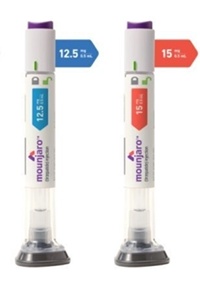
- The Ministry of Health and Welfare (MOHW) announced that it will reflect the results of the October expert advisory meeting in reimbursement criteria for Mounjaro (tirzepatide), Eli Lilly’s dual GIP/GLP-1 receptor agonist, following growing calls for its rapid inclusion under the National Health Insurance for type 2 diabetes. The ministry also stated it is working to ensure the smooth reimbursement process for Ozempic (semaglutide), Novo Nordisk’s GLP-1 receptor agonist, which was reviewed by the Drug Reimbursement Evaluation Committee in October. On the 10th, Miae Kim, a lawmaker from the People Power Party, inquired about the current status of the reimbursement application process for Mounjaro for type 2 diabetes during a written inquiry session for the Ministry of Health and Welfare's comprehensive audit. She also questioned the plans for utilizing the expedited listing system, which reflects international drug prices and reimbursement cases. According to the Ministry of Health and Welfare, Mounjaro applied for reimbursement approval in March last year and was discussed by the Drug Reimbursement Criteria Subcommittee in May of the same year. Subsequent evaluations on its reimbursement adequacy were conducted in August and December 2023, and March and June 2024 by the Cost-Effectiveness Evaluation Subcommittee. The Ministry explained, “The company applied for reimbursement of Mounjaro in March last year and is currently undergoing a review on its reimbursement adequacy. The drug is being reviewed in accordance with HIRA regulations, referencing factors such as its listing status in other countries, listed prices, and coverage criteria.” It added, “To ensure appropriate use of the GLP-1 agonists Mounjaro and Ozempic for diabetes patients, HIRA held an expert advisory meeting last October to discuss patient selection criteria and evaluation methods. The findings will be reflected in the drug's reimbursement criteria.” Rep. Seo Mi-hwa of the Democratic Party of Korea also inquired about the Ministry's stance on reviewing insurance coverage for new drugs to strengthen diabetes management. The Ministry responded, “We agree that the health insurance coverage of new diabetes drugs should be actively reviewed. Currently, GLP-1 receptor agonists Ozempic and Mounjaro are undergoing the listing process. We will closely monitor to ensure the listing process proceeds smoothly and continue our efforts to improve treatment accessibility.”
- Company
- Yuhan-Janssen Korea to jointly sell 'Leclaza + Rybrevant'
- by Son, Hyung Min Nov 11, 2025 06:08am
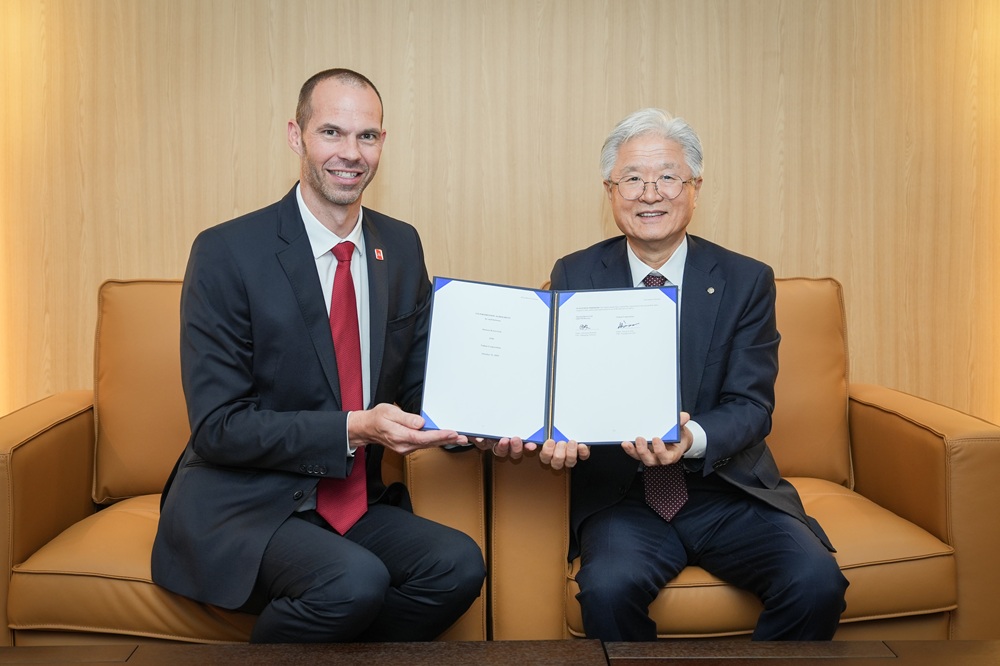
- (from left) Christian Rodseth, Managing Director of North Asia for Johnson & Johnson Johnson & Johnson's Korea-based pharmaceutical unit, Janssen Korea (CEO Chris Rodseth), announced that it will jointly conduct domestic promotion for the non-small cell lung cancer treatment combination therapy, Leclaza (lazertinib) + Rybrevant (amivantamab), with Yuhan Corporation (Yuhan). Previously, promotional activities for the Leclaza + Rybrevant combination therapy were led by Johnson & Johnson, which holds the global rights. Through this new agreement, the promotion will be conducted jointly with Yuhan. Yuhan had previously been responsible for promoting Leclaza monotherapy and will now expand its role to include co-promotion of the combination therapy. The Leclaza + Rybrevant combination therapy received approval from the Ministry of Food and Drug Safety (MFDS) this January for the first-line treatment of non-small cell lung cancer (NSCLC) with EGFR exon 19 deletions or exon 21 (L858R) substitution mutations. Christian Rodseth, Managing Director of North Asia for Johnson & Johnson's pharmaceutical sector, said, "Through this strategic partnership with Yuhan, we hope that more NSCLC patients in Korea can benefit from the treatment of this combination therapy." Rodseth added, "Johnson & Johnson is dedicated to changing patients' lives through science and innovation, and we will do our best to provide better treatment opportunities to patients based on close collaboration and communication with Yuhan." In addition to Leclaza monotherapy, for which Yuhan holds the rights and conducts promotion in Korea, Johnson & Johnson will exclusively conduct promotion for: second-line or later treatment of adult NSCLC patients with EGFR exon 19 deletion or exon 21 (L858R) substitution mutations, and first-line treatment of adult NSCLC patients with EGFR exon 20 insertion mutations. Johnson & Johnson will also supply Rybrevant exclusively.
