
- LOGIN
- MemberShip
- 2026-06-19 22:48:43
- Company
- "Expanded access to Pergoveris…for older infertile women"
- by Son, Hyung Min Nov 14, 2025 06:12am
- The paradigm of infertility treatment is shifting amid the increased age of mothers and the expansion of the patient population with poor ovarian response (POR). Notably, the utilization of FSH (Follicle-Stimulating Hormone) and LH (Luteinizing Hormone) combination therapy has surged since the reimbursement criteria for 'Pergoveris inj (follitropin alfa, lutropin alfa)' were eased last year. Consequently, a personalized ovulation induction strategy focused on older and low-responder patients is emerging as the core of domestic infertility treatment. In response to this change, Merck Korea held a 'Fertility Academy' on November 13 at the Parnas Hotel in Gangnam-gu, Seoul, to share the clinical value of Pergoveris and emphasize the importance of personalized treatment strategies. The event was held to commemorate Infertility Family Day (November 11), which was established to encourage infertile couples, raise social awareness, and share the clinical value and personalized treatment strategies associated with Pergoveris. The expanded insurance reimbursement for Merck's ovulation induction injection last April provided new treatment opportunities for many infertility patients. Professor Hee Jun Lee of CHA Gangnam Medical CenterPreviously, Pergoveris was only reimbursed (up to 2 vials/day) for assisted reproductive technology in patients with severe endogenous Luteinizing Hormone (LH) deficiency (concentration below 1.2 IU/L). However, the reimbursement criteria were expanded to cover 'cases where Pergoveris is administered (up to 2 vials/day) for ART in patients with LH deficiency.' Consequently, patients can now receive reimbursement benefits for Pergoveris without restriction based on LH levels. Pergoveris is the only approved combination product in Korea that mixes recombinant rFSH and r-hLH. It has shown significantly improved results across all indices, including pregnancy rate, cumulative pregnancy rate, and pregnancy rate per embryo transfer, compared to FSH monotherapy. These data were consistent in the real world. A large-scale analysis involving 10,000 poor ovarian response patients showed that Pergoveris resulted in a higher cumulative live birth rate compared to FSH monotherapy. The effect of Pergoveris was particularly pronounced in cases of severe poor ovarian response. Professor Hee Jun Lee of CHA Gangnam Medical Center's Department of Obstetrics and Gynecology assessed, "In older mothers and those with poor ovarian response, a treatment strategy that considers the balance of FSH and LH is paramount." He added, "It has been confirmed across multiple clinical trials and international expert consensus that co-administering recombinant LH from the beginning of ovulation induction improves both implantation and pregnancy success rates." Professor Lee added, "Given the high proportion of older mothers in Korea, the preference for combination therapy is increasing in actual clinical practice. The FSH + LH combination, primarily with Pergoveris, is becoming a key treatment strategy. The expanded reimbursement for Pergoveris has been a great help to patients. However, support for oocyte cryopreservation is still lacking, and there is room for improvement." Professor Lee emphasized, "The importance of early treatment for infertility is continuously stressed. As the efficacy and safety of these injectable agents have been confirmed, it is necessary to start treatment early." Merck's efforts to improve access for Korean infertility patients The infertility sector is particularly important due to the unique situation of low birth rates and aging demographics. Korea's fertility rate was 0.75 last year, the lowest in the world, and the population is expected to halve by the end of this century. The country remains at the lowest level among OECD nations. Demand for infertility treatment is also rapidly increasing due to the rise in older mothers. As of 2022, women aged 35 and over accounted for 70% of those receiving infertility procedures. Female fertility rapidly declines after age 35, often leading to Low Ovarian Reserve (LOR). When ovarian function is reduced, ovulation is less regular, and oocyte quality decreases, lowering fertilization and implantation rates. Merck is involved in social activities to address the low birth rate, going beyond simply supplying treatments. Kim Wook, Healthcare Fertility Unit Head at Merck KoreaMerck currently supplies the ovulation inducers 'Gonal-F' and 'Luveris,' in addition to Pergoveris, and has developed treatments for preventing premature ovulation. Merck launched the 'Fertility Counts' initiative in 2023 to discuss and respond to the socioeconomic challenges arising from declining birth rates in the Asia-Pacific (APAC) region. Fertility Counts was established to support effective policy intervention by authorities in building a family-friendly society through relevant research and resource provision, emphasizing the need for improved fertility-related policies to help those who wish to have children. In particular, Merck plans to continue its environmental, social, and governance (ESG) activities in Korea through its Infertility Awareness Campaign. Last year, Merck and the Korean Infertility Family Association signed an MOU to address the growing social problem of infertility rates. Kim Wook, Healthcare Fertility Unit Head at Merck Korea, stated, "We are conducting various activities in collaboration with multiple stakeholders, including the Fertility Counts initiative, the Family-Friendly Future Forum, a network of companies, government, and academia, as well as collaboration with infertility patient groups," and added, "We will continue our efforts, focusing on Pergoveris, to contribute to healthy births for Korean mothers."
- Policy
- Pricing nego for Erleada underway…last hurdle to reimb
- by Jung, Heung-Jun Nov 14, 2025 06:12am
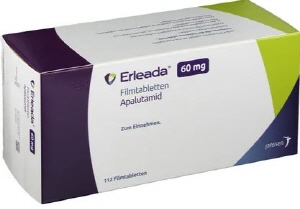
- Janssen Korea's prostate cancer treatment Erleada (apalutamide) has entered price negotiations, the final hurdle for its reimbursement expansion in Korea. Erleada passed the Drug Reimbursement Evaluation Committee review last October and was deemed appropriate to expand reimbursement coverage to ‘high-risk non-metastatic castration-resistant prostate cancer’. According to industry sources on the 13th, the National Health Insurance Service (NHIS) is in pricing negotiations for Erleada’s reimbursement expansion. It being a drug subject to reimbursement under the risk-sharing agreement, the contract will be finalized based on the refund rate determined during negotiations. Once the price negotiations are complete, Erleada will be covered for ‘high-risk non-metastatic castration-resistant prostate cancer (nmCRPC)’ in addition to its existing coverage for ‘metastatic hormone-sensitive prostate cancer (mHSPC)’. The hormone-sensitive metastatic prostate cancer (mHSPC) indication was granted reimbursement in April 2023 as a refund-type risk-sharing agreement drug at KRW 20,045. At that time, Janssen focused its efforts on securing reimbursement for Erleada, even voluntarily lowering the price of its own prostate cancer treatment, Zytiga. It also became the first androgen receptor targeted agent (ARTA) to receive essential reimbursement at a 5% coinsurance rate. About six months later, competition intensified when Astellas Pharma Korea's Xtandi Soft Cap (enzalutamide) was added to the list as an essential reimbursement drug. Another competitor is Bayer Korea's Newbeqa, which also indicates treating ‘high-risk non-metastatic castration-resistant prostate cancer’. The company submitted a reimbursement application for Newbeqa in June this year, but the drug’s clinical benefit is still under review. With Erleada poised for reimbursement expansion, its prescription scope is also expected to broaden. Consequently, attempts to expand reimbursement for competing prostate cancer treatments are likely to follow. According to the pharmaceutical market research institution UBIST, Erleada's sales last year reached KRW 31.2 billion, a 368% increase from the previous year's KRW 6.6 billion.
- Company
- Generic company challenges flu drug Xofluza’s patent
- by Kim, Jin-Gu Nov 14, 2025 06:12am
- Roche's influenza treatment Xofluza (baloxavir marboxil) has become a generic company’s target for patent challenge. This marks the first patent challenge against Xofluza. Industry observers predict related patent challenges will continue in the near future. According to industry sources on the 13th, Kwangdong Pharmaceutical recently filed a passive scope of rights confirmation trial against Shionogi & Co. regarding Xofluza’s formulation patent. Shionogi is the original developer of Xofluza, and Roche Korea is currently in charge of its domestic sales. A total of 4 patents related to Xofluza are currently registered. These include two substance patents expiring in 2031 and 2036, respectively, and two formulation patents expiring in 2038 and 2039, respectively. Among these, Kwangdong Pharmaceutical has filed a circumvention trial against the formulation patent (for a solid formulation with excellent stability) that expires in April 2039. The industry anticipates that patent challenges against Xofluza will likely expand in the future. Kwangdong Pharmaceutical is expected to file an additional challenge against one of the remaining formulation patents. If Kwangdong Pharmaceutical successfully avoids both formulation patents, it could bring forward the launch date for Xofluza generics to September 2036. There is also speculation that other generic companies may follow suit with patent trial applications. Under current regulations, to satisfy the requirement of being the “first to file a trial request” and obtain exclusive marketing rights (first generic exclusivity rights), companies only need to file the same trial request within 14 days. As a result, it is projected that patent challenges from other generic companies besides Kwangdong Pharmaceutical will continue until the end of this month. Previously, a total of 10 companies participated in the patent challenge against another influenza treatment, Peramiflu inj (Peramivir). Xofluza is an influenza treatment approved in Korea in 2019. Roche introduced Xofluza as a successor to its existing influenza treatment Tamiflu (oseltamivir). Unlike Tamiflu, which requires oral administration over 5 days, Xofluza offers improved convenience in administration by enabling treatment with a single injection. However, Xofluza is currently a non-reimbursed drug, resulting in limited domestic sales performance. If it succeeds in gaining reimbursement status, projections indicate it could absorb Tamiflu's sales. According to the Ministry of Food and Drug Safety, Xofluza’s domestic import sales were around USD 1.6 million in 2022-2023 but surged significantly to USD 7.38 million (approximately KRW 10.8 billion) last year.
- Company
- AZ runs Lung Health Check Bus…screens Changwon residents
- by Son, Hyung Min Nov 14, 2025 06:11am
- The ‘Lung Health Check Bus’ was operated in the ‘2025 Anti-Aging BIOHealth Expo’ that was held at the Changwon Exhibition and Convention Center (CECO) from the 6th to 8thAstraZeneca Korea announced on the 12th that it operated a ‘Lung Health Check Bus’ equipped with AI-based chest X-ray technology at the ‘2025 Anti-Aging BIOHealth Expo (ABEXPO 2025)’, which was held at the Changwon Exhibition and Convention Center (CECO) in Gyeongsangnam-do from the 6th to the 8th, in collaboration with the Korea Tuberculosis Association and Maihub. ABEXPO 2025 is Korea’s premier healthcare exhibition dedicated to advancing healthy longevity and innovation in the anti-aging industry in response to an aging society. The event showcased next-generation anti-aging solutions that integrate cutting-edge technologies such as AI, biotechnology, and digital healthcare. The Lung Health Check Bus was showcased as a representative example of digital healthcare applying AI to enable early screening of lung diseases, embodying the starting point of anti-aging medicine, “disease prevention through early detection.” Notably, Changwon, the host city of the exhibition, officially entered a super-aged society in June, with more than 20% of its population aged 65 or older, a demographic particularly vulnerable to cardiovascular and pneumonia-related risks. AstraZeneca Korea participated in this expo with the aim of expanding healthcare access beyond the capital region to rural areas. Moving forward, it plans to continue touring the nation with the Lung Health Check Bus, supporting diverse citizens to easily check their lung health. During the expo, approximately 570 visitors came to the booth to experience AI-based chest X-ray screening. Visitors were able to directly check their lung health status through the interpretation reports provided on-site. Fifty-seven percent of the examinees were aged 50 or older. The AI reports detected abnormal findings, such as lung nodules (165 individuals), in 238 people (42%). Among those with abnormal findings, 11% (26 individuals) had a family history of lung cancer. The results of the specialist's detailed interpretation were sent to each individual within a week. Abnormal findings detected on chest X-rays can be associated with various lung and cardiovascular diseases, including lung cancer, making early detection and prompt management crucial. Confirming uncertain lung nodules is also essential for the early diagnosis of lung cancer. Lung cancer was the leading cause of cancer-related mortalities in Korea in 2023. Beyond smoking, it can arise from various factors, including family history, secondhand smoke, and environmental exposures like air pollution. Lung cancer often presents with minimal early symptoms or, even when the disease has progressed, may show no significant symptoms beyond coughing and sputum production. At the time of diagnosis, 41.4% of patients already have distant metastases. According to 5-year relative survival rate statistics from 2018-2022, the survival rate is only 12.9% when lung cancer metastasizes to other sites. However, if detected at a localized stage, the survival rate significantly increases to 79.8%. The current national lung cancer screening program targets high-risk individuals aged 54 to 74 with a smoking history of 30 pack-years or more, utilizing low-dose chest CT scans. Additionally, AI-based chest X-rays are being regarded as an effective tool for lung cancer diagnosis due to their high detection rate of pulmonary nodules. At the Changwon ABEXPO, a Lung Health Check Bus was operated as a way for non-smokers and low-risk citizens to check their lung health through AI chest X-rays. Jiyoung Ahn, Executive Director of Strategy and External Cooperation at AstraZeneca Korea, stated, "AstraZeneca Korea is creating practical solutions to enhance access to early diagnosis and treatment through collaboration with domestic AI healthcare companies. The Lung Health Check Bus is a prime example demonstrating how cutting-edge AI technology can directly contribute to public health.“ She added, ”We hope the AI-integrated Lung Health Check Bus will address the screening gap for lung cancer in non-smokers and serve as an opportunity to spread awareness about the importance of early screening. AstraZeneca Korea will continue to contribute to raising awareness for early lung cancer diagnosis and improving the quality of public health through science-driven collaboration and practice." Min-seok Shin, President of the Korea Tuberculosis Association, stated, “We hope this campaign enables more citizens to easily check their lung health and detect diseases early. The Korea Tuberculosis Association will continue its efforts to promote nationwide lung health and expand screening accessibility.” Hyeok Yang, CEO of Maihub, said, “Digital healthcare technology is a crucial means of innovating personal health management and increasing access to medical services. The Lung Health Check Bus, which utilizes AI chest X-ray technology, holds significance as it demonstrated how advanced technology can contribute to actual public health improvement. We will continue to strive to build a healthy society based on public benefit and innovation.” Visitors to the ‘2025 Anti-Aging BIOHealth Expo’ held at the Changwon xhibition and Convention Center from the 6th to the 8th are receiving on-site lung health interpretation reports after having AI-equipped chest X-rays taken at the Lung Health Check Bus. As a member of the global non-profit collaboration ‘Lung Ambition Alliance (LAA)’, AstraZeneca Korea has been continuing various initiatives to create ‘a world where lung cancer is no longer a cause of death’. Last year, AstraZeneca Korea and the LAA launched the ‘Lung Cancer Zero’ campaign. In collaboration with the British Chamber of Commerce in Korea and the British Embassy Seoul, they expanded the reach of lung cancer awareness activities across various sectors of society. Last June, AstraZeneca Korea signed a tripartite Memorandum of Understanding (MOU) with the Korea Tuberculosis Association and Maihub to successfully operate the ‘Lung Health Check Bus’ campaign. It is leading the way in early detection of lung diseases by operating mobile screening buses nationwide, equipped with AI chest X-ray imaging capabilities. Participating in this Changwon Expo is part of the effort to create an early screening environment accessible to everyone, extending beyond the capital region to local communities. AstraZeneca Korea has been expanding its collaboration with Korea’s AI and digital healthcare ecosystem. Specifically, it is conducting joint research and pilot projects with various domestic startups across diverse fields, including: ▲AI image analysis (OncoSoft, AVIS), ▲Precision medicine and genomic analysis (3Billion), and ▲digital patient community and health data-based management solutions (Humanscape, Maihub), to build innovative healthcare models applicable in real clinical settings.
- Policy
- Ultomiris gains reimbursement approval for 'NMOSD·gMG'
- by Jung, Heung-Jun Nov 14, 2025 06:11am
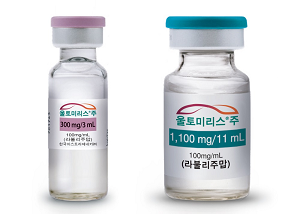
- Product photo of Ultomiris AstraZeneca's Ultomiris (ravulizumab) will receive reimbursement coverage for Neuromyelitis Optica Spectrum Disorder (NMOSD) this month, and its reimbursement scope will expand to generalized myasthenia gravis. Notably, the Ministry of Health and Welfare (MOHW) has requested reimbursement coverage for myasthenia gravis. Therefore, it was considered a separate agenda item for the Drug Reimbursement Evaluation Committee (DREC) held on November 6. According to industry sources, Ultomiris has passed the DREC, and it will be covered for reimbursement of 'anti-acetylcholine receptor (AchR) positive generalized myasthenia gravis (gMG)' starting December 1. Although it was not included in the meeting report disclosed by the DREC; however, it was discussed as a separate supplementary agenda. It appears that the MOHW's request for reimbursement for gMG treatments has played a role. During this year's MOHW Parliamentary Inspection, access to treatment for rare, severe diseases, including gMG, was highlighted. According to the report that Democratic Party Rep. Young-seok Seo received from the MOHW, there are no gMG medicines eligible for reimbursement. In response, the MOHW stated, "The MOHW continues to identify rare disease treatments that require urgent reimbursement coverage through seeking clinical field." It appears that the inclusion of the agenda and approval in the DREC was influenced by the critiques from the Parliamentary Inspection and the government's policy to enhance patient access. As of November 1, Ultomoris is covered by reimbursement for its indication to 'treat anti-aquaporin-4 (AQP-4) antibody-positive neuromyelitis optica spectrum disorder (NMOSD).' Eligible patients include those aged 18 or older who test positive for anti-aquaporin-4 (AQP-4) antibodies. There have been continued requests for reimbursement coverage for Ultomiris by patient organizations and petitions to the National Assembly. With the reimbursement scope expanding between November and December, more patients are likely to be prescribed in the future.

- Policy
- Pharmaceutical post-market management system to be enhanced
- by Jung, Heung-Jun Nov 14, 2025 06:11am
- The National Health Insurance Service (NHIS) plans to revise its drug price negotiation and post-market management systems next year, with a focus on stable pharmaceutical supply. The NHIS will actively enforce penalties stipulated in its regulations if pharmaceutical companies discontinue drug supply without notification in violation of agreements reached during price negotiations. This is a response to criticism raised during this year's parliamentary inspection that the agency was not adequately managing the supply obligation despite having the 'Drug Price-Reimbursement Agreement.' Se-rim Oh, Head of the Negotiation and Post-Management Unit at the Department of Drug Management.On November 11, the NHIS held a 'Drug Price Negotiation and Post-Market Management System Briefing' at its headquarters in Wonju, sharing the direction for management reinforcement with industry stakeholders for next year. The NHIS emphasized that if a company must inevitably suspend supply in violation of the agreement, it must formulate patient protection measures and consult with the NHIS beforehand. Se-rim Oh, Head of the Negotiation and Post-Management Unit at the Department of Drug Management, said, "The NHIS plans to strengthen management focusing on supply issues. If a company withdraws approval and suspends supply, it must ask pharmaceutical associations and formulate patient protection measures." Starting next year, the NHIS will actively consider imposing penalties on companies that violate their supply obligations, based on a fixed formula. The current formula sets the penalty amount per day of violation as: "(Previous Year's Annual Claim Amount of the Violating Drug) X 1/n X1/365X50%." Furthermore, companies will be required to submit data to the NHIS within 40 days of the end of each quarter to verify the fulfillment of their supply obligation (including monthly production volume, import volume, requested supply volume, and actual supply volume). The existing clause requires a company to pay a KRW 1 million fine for failure to mee these requirements. This is in response to criticism during the parliamentary inspection that the clause was not being enforced. The NHIS plans to actively enforce this rule. Oh explained, "If fulfilling the agreement is difficult, you must communicate and consult with the NHIS beforehand. Some companies have already agreed to the penalty clause after prior consultation due to the circumstances of their contract manufacturers." Oh added, "Companies failing to submit (data) are supposed to pay KRW 1 million, but this hasn't been enforced. The NHIS is aware of this. Please comply with it going forward." Eliminating reporting requirements for new efficacy and effectiveness...will review streamlining the requirement to report dosage The current obligation for companies to report any additional efficacy and effectiveness secured overseas after signing a contract with the NHIS will be exempted starting in the first half of next year. Reporting obligations when adding a new dosage will also be streamlined. Instead, if the domestic introduction of the new strength is necessary, the details will be stated in the agreement. Oh said, "The agreement includes the obligation to report when an indication is added. We are reviewing the exemption of this reporting obligation starting in the first half of next year," and added, "We are also considering simplifying the reporting obligation for adding new dosage strengths. However, if domestic introduction of a strength already listed for overseas reimbursement is necessary, we plan to address this by explicitly stating the details in the agreement. We will be gathering opinions on this matter." The NHIS is also considering the partial disclosure of information regarding Risk-Sharing Agreement (RSA) drugs. They are currently conducting consultations on disclosing a list of drugs subject to the refund-type RSA. Oh said, "If a reimbursement decision application is made to HIRA, we will ensure that information about the refund rate can be provided. However, a non-disclosure agreement must be signed," and added, "We are also conducting consultations on publicly disclosing the list of drugs subject to the refund-type RSA." PVA 'one-time refunds' will be allowed temporarily next year...new guidelines for negotiaing scope expansion will be established Hae-hee Moon, Head of the Volume Management Unit at the Department of Drug Management.The NHIS will also improve its drug utilization management plan next year. The agency plans to restrict the operation of the "one-time refund" mechanism, which was implemented during the COVID-19 pandemic, and establish new guidelines for negotiating the expansion of a drug's usage scope. Hae-hee Moon, Head of the Volume Management Unit at the Department of Drug Management, said, "We plan to limit the products eligible for the one-time refund contract starting next year. We are currently discussing this with the Ministry of Health and Welfare (MOHW). We plan to gather opinions from the pharmaceutical association afterward." Moon explained, "We are also preparing guidelines due to the need for written instructions in the process of negotiating the expansion of usage scope. We plan to conduct consultations this week and will refine these guidelines next year." The NHIS is also reviewing plans for introducing a dual pricing system with the MOHW. Moon said, "There is a request from pharmaceutical companies to introduce a dual pricing system due to the U.S. MFN policy. We are reviewing system improvements and implementation plans with the MOHW." Revision of price cap adjustment guidelines...separate adjustments for emergency imported drugs Hyung-min Kim, Head of the New Drug Management Department.The guidelines for adjusting the ceiling price during drug price negotiations will also be partially revised. The consideration for the estimated claim amount, which was previously based on the 'claim volume and growth rate of the negotiated drug over the past 3 to 5 years,' will be changed to the 'claim amount generated by the negotiated drug over the past 3 to 5 years.' Furthermore, a clause will be added to ensure that drugs urgently imported through the Korea Orphan and Essential Drug Center (KODC) will have a separate price adjustment procedure. In addition, the clause specifying 'when there is a need for public healthcare' as an exception to the three-year limit on price adjustment applications after the initial adjustment will be further specified. Hyung-min Kim, Head of the New Drug Management Department, explained, "We will define the need for public healthcare as a request for cooperation from central administrative agencies, and revise the regulation to require the Pharmaceutical Benefit Evaluation Committee to notify the NHIS of a price readjustment application," and added, "A clause will be inserted requiring measures such as refunds if the contract falls short of the mandatory production volume agreement," emphasizing the ministry's commitment to stable supply.
- Policy
- MOHW and MOJ oppose legislating mandatory INN prescribing
- by Lee, Jeong-Hwan Nov 13, 2025 06:08am
- The Ministry of Health and Welfare and the Ministry of Justice have expressed reluctance toward a bill that would only partially mandate and enforce physician international non-proprietary name (INN) prescribing for government-designated drugs with unstable supply. Despite this being President Jae-Myung Lee’s presidential election pledge and national policy task to eliminate public inconvenience and confusion over recurring drug shortages, the Ministry of Health and Welfare and the Ministry of Justice have issued a ‘careful review’ opinion. They cited the ongoing conflict between medical and pharmaceutical groups and emphasized the need to gather broader public consensus from patients (medical consumers) and society before moving forward. The Ministry of Justice specifically expressed concern that mandating INN prescribing for drugs designated by the Ministry of Health and Welfare as having unstable supply, instead of brand names, could eliminate pharmacists' obligation to inform patients—unlike in cases of substitution dispensing—thereby restricting patients' right to know and potentially posing significant risks to public health. It also added that the post-prescription accountability remains unclear. This conclusion stems from reviewing the opinions submitted on the 11th by the Ministry of Health and Welfare and the Ministry of Justice regarding the bill mandating INN prescribing for drugs with unstable supply (partial amendments to the Medical Service Act and the Pharmaceutical Affairs Act), proposed by Representative Jong-tae Jang of the Democratic Party of Korea. Rep. Jang's bill mandates that when prescribing drugs designated as having unstable supply under the Pharmaceutical Affairs Act, the active ingredient name must be written instead of the brand name, as an exception to the current law requiring the brand name on prescriptions. The bill also includes penalty provisions stipulating that violating the active ingredient name prescription requirement for supply-unstable drugs is punishable by up to one year of imprisonment or a KRW 10 million fine for noncompliance. Ministry of Health and Welfare·Ministry of Justice “Careful Review” Both the Ministry of Health and Welfare and the Ministry of Justice, the main ministries responsible for the bill, submitted opinions calling for careful review. Their view is that caution must be exercised in legislation, separate from the fact that it is a presidential election pledge and a national policy task of the Lee administration. The Ministry of Health and Welfare expressed sympathy with the intent of introducing INN prescribing, which aims to ensure continuity of patient treatment during drug supply disruptions like shortages. However, it stated that disagreements between doctors' and pharmacists' professional organizations regarding the safety and efficacy of INN prescribing must be taken into account. This is the fundamental response the Ministry has repeatedly given in past statements regarding INN prescribing. The Ministry further stated that criteria for defining drug supply instability, measures to ensure safety and efficacy of INN prescribing, and effective implementation methods for INN prescribing must first be reviewed. The intent is to further discuss whether to introduce mandatory INN prescribing for physicians or adopt an indirect approach, such as providing incentives to prescribers who use INN prescribing. The Ministry also raised concerns about the bill's penalty provisions. It cautioned that criminalizing doctors by imposing criminal penalties for not following INN prescribing when prescribing drugs with unstable supply is an approach that requires careful consideration. The Ministry of Justice provided more specific reasons for playing caution regarding the bill. First, it stated that designating a drug as having an unstable supply would force doctors to prescribe by INN instead of brand name, which would have the effect of broadly permitting substitution dispensing regulated by the Pharmaceutical Affairs Act. The current Pharmaceutical Affairs Act’s substitution dispensing provisions require informing the patient of the substitution and obtaining prior consent from the prescribing physician or providing post-notification within one day. The Ministry of Justice opined that under Rep Jong-tae Jang’s bill, the obligation to inform patients would disappear for designated unstable-supply drugs, and the requirement to obtain prior physician consent or provide post-notification would also vanish, potentially creating problems. The Ministry pointed out, “There would be no need to inform patients, and as notification or prior consent from physicians is not required, this may potentially be a significant risk to public health. This restricts patients' right to know and also leaves unclear whether prescribers would bear responsibility after the fact.” KMA·KHA “Oppose”…KPA “Favor” The Korean Medical Association (KMA) and the Korean Hospital Association (KHA) voiced strong opposition. The KMA argued that mandating INN prescriptions is excessive legislation, as it cannot be a fundamental solution to unstable drug supply issues, yet it stipulates penalties of up to 1 year in prison or fines of up to KRW 10 million for non-compliance. It further argued that forcing doctors to INN prescribe drugs with unstable supply without considering patient conditions disregards public health rights. The KMA also contended that mandating INN prescribing undermines patient safety and treatment continuity, completely infringes on physicians' prescribing rights, and violates the fundamental principle of separating medical and pharmaceutical practices. The KMA stated, “A physician's diagnosis and prescription constitute a professional medical act that comprehensively considers individual patient characteristics, including disease status, underlying conditions, presence of drug allergies, past drug reactions, and ease of administration. When prescribing drugs, physicians select specific products—including the most suitable dosage form, strength, excipients, and coating technology—based on the specific disease and patient characteristics. Forcing INN prescribing hinders patient treatment, infringes on physicians' prescribing rights, and undermines the principle of separation of medical and pharmaceutical services." The KHA also opposed the measure, stating that instability in drug supply arises from multiple causes, such as raw material shortages, production plant issues, distribution problems, pricing, and increased demand due to specific disease outbreaks. KHA argued that legally mandating INN prescribing would be insufficient to resolve the problem and could potentially infringe on physicians' prescribing rights. The KHA emphasized that establishing comprehensive national policies would be necessary to create an environment enabling a stable drug supply. It further pointed out that penalizing non-compliance with INN prescribing, even when physicians may unknowingly prescribe by brand name due to difficulties in quickly and accurately assessing drug supply situations, violates the principle of proportionality. The KHA stated, “Long-term, fundamental measures must be established, such as creating a management system to prevent supply instability in advance. The penalties are excessive sanctions compared to other violations subject to the same penalties under current law, relative to the risk and illegality of the act.” The Korean Pharmaceutical Association (KPA) countered that INN prescribing is the most effective solution to respond swiftly to drug supply instability issues. The association's rationale for supporting the bill is that this legislation will reduce the social and economic waste caused by drug shortages and enable timely dispensing and medication services for patients. Specifically, the association argued that it is irrational for pharmacies to wait solely for a specific brand (product) to arrive when equivalent generic alternatives are available. It also expects the bill to alleviate the burden on pharmacies, which must stock medications from multiple pharmaceutical companies to accommodate individual prescriptions from different medical institutions, even for the same active ingredient. The KPA stated that Representative Jang’s bill does not contradict the existing legal framework, as the Medical Service Act and its enforcement regulations already permit INN prescribing. It also argued that distrusting or claiming differing efficacy for generics approved and registered by the Ministry of Food and Drug Safety (MFDS) is unscientific. The KPA emphasized, “When an INN prescription is issued, even if the supply of a specific pharmaceutical company's drug is unstable, the same active ingredient medication needed by the patient can be dispensed on time, preventing treatment gaps. This allows patients to obtain their prescribed medication anywhere, strengthening public access to medicines and their right of choice.” Welfare Committee expert committee presents divergent views on generic efficacy equivalence The National Assembly Health and Welfare Committee’s expert committee acknowledged that legislation has a valid aspect, as mandatory INN prescribing could help stabilize drug supply. However, it also presented points to consider during legislation. Unlike substitution dispensing, INN prescribing eliminates the need for prior physician consent or post-dispensing notification by pharmacists. In this sense, the expert committee noted that the differing opinions surrounding the therapeutic equivalence of identical-ingredient drugs (generics) must be examined. The expert committee stated, “Those affirming the therapeutic equivalence of identical-ingredient drugs maintain that generics undergo the Ministry of Food and Drug Safety's strict approval and review system, thereby ensuring recognized bioequivalence. “Conversely, those who deny equivalence argue that even with the same active ingredient, differences exist between products in formulation, dosage, excipients, coating technology, etc. They contend that when patients take a different product than before, it increases the potential for drug side effects and may lead to uncertainty in treatment efficacy.” The expert committee also pointed out that the Ministry of Health and Welfare recently clarified the requirement for post-substitution notification. It noted that the revised Pharmaceutical Affairs Act, which aims to enhance information sharing between doctors and pharmacists, passed the National Assembly, was submitted to the government, and was promulgated. Finally, it stated that the penalty clause, which imposes imprisonment for up to one year or a fine of up to KRW 10 million for violations, should also be examined for potential excessiveness. The expert committee stated, “Recently, concerns have been raised that imposing excessive penalties for administrative violations burdens criminal justice agencies and creates a large number of citizens with criminal records. Consequently, legislative reforms are underway to convert fines for minor administrative law violations into administrative penalties. In the exceptional situation where INN prescribing is mandated for unstable supply drugs, it is necessary to examine whether imposing criminal penalties for prescribing by brand name due to lack of awareness constitutes excessive punishment for violating administrative order.”
- Company
- "Life-cycle prevention system completed with Prevenar 20"
- by Son, Hyung Min Nov 13, 2025 06:07am
- "As pneumococcal infections occur in both adults and children, the need to establish a full-life-cycle prevention is growing. Especially given the high mortality rates in children, the elderly, and chronic disease patients, prevention-centered management is considered important. With the recent launch of 'Prevenar 20,' the 20-valent pneumococcal conjugate vaccine (PCV20), in Korea, a vaccination strategy that does not vary by age is once again drawing attention." On November 12, Pfizer Korea held a press conference at its headquarters in Jung-gu, Seoul, to commemorate the domestic launch of the pneumococcal vaccine Prevenar 20, emphasizing the vaccine's utility. Prevenar 20 is the first new pneumococcal vaccine introduced by Pfizer in approximately 15 years since Prevenar 13. The vaccine includes the 13 serotypes common to the existing Prevenar 13, plus 7 additional serotypes (8, 10A, 11A, 12F, 15B, 22F, 33F). Prevenar 20 was officially launched on the market approximately one year after receiving domestic approval last November. Comparison table for different serotypes in various pneumococcal vaccines. Prevenar 20 can be used for ▲the prevention of invasive disease, pneumonia, and acute otitis media caused by pneumococcus (serotypes 1, 3, 4, 5, 6A, 6B, 7F, 8, 9V, 10A, 11A, 12F, 14, 15B, 18C, 19A, 19F, 22F, 23F, 33F) in infants, children, and adolescents aged 6 weeks to under 18 years ▲the prevention of invasive disease and pneumonia caused by pneumococcus in individuals aged 18 and older. Among these serotypes, 10A and 15B are the most common causes of invasive pneumococcal disease in Korean children. According to a study tracking IPD in 20 domestic hospitals between 2016 and 2023, serotypes 10A and 15B were the most frequently isolated vaccine serotypes, and those serotypes included in Prevenar 20 accounted for over half (54%) of all pediatric infections. Professor Dong Hyun Kim of the Department of Pediatrics at Inha University Hospital A pneumococcal serotype analysis study conducted by the Korea Disease Control and Prevention Agency (KDCA) from July 2018 to July 2021 confirmed the same results. Of the total 67 pediatric infection cases, 36 cases (approx. 54%) were due to the 10A and 15B serotypes included in Prevenar 20. The 20 serotypes included in Prevenar 20 also accounted for approximately 51% of adult cases during the same period. Professor Dong Hyun Kim of the Department of Pediatrics at Inha University Hospital explained, "In pediatric infection cases, the 10A and 15B serotypes are most prevalent, and this trend continues into adult infections. " NIP inclusion reduces 'Infection Blind Spots' With Prevenar 20 recently included in the National Immunization Program (NIP), the infection management system is shifting. While the existing 13-valent vaccine focused on pediatric prevention, the expanded serotype coverage now enables protection across all generations. According to the healthcare big data of Health Insurance Review & Assessment Service (HIRA), the number of patients with pneumococcal pneumonia increased about 9-fold, from 1,063 in 2021 to 10,191 in 2024. Of these, over half (51.9%, or 5,292 cases) were in infants and young children under the age of five, indicating that the primary infection remains in the pediatric population. Pneumococcus is a bacterium that can reside in the upper respiratory tract of healthy people and is a major cause of bacteremia, meningitis, pneumonia, and otitis media in infants and young children. It also acts as a primary cause of secondary bacterial infections following influenza, playing a significant role in other respiratory viral infections. The KDCA expects that this NIP inclusion will achieve both higher pediatric vaccination rates and reduced community infections. Since the introduction of the 13-valent vaccine previously resulted in an approximate 70% reduction in the incidence of invasive disease, the vaccination effect of this 20-valent vaccine is also expected to appear quickly. Pfizer Korea held a press conference to commemorate the launch of Prevenar 20 in South Korea. Song Chan-woo, Vice President of Pfizer Korea, said, "Pneumococcus is an infectious disease that has a fatal impact not only on the elderly but also on healthy children," and emphasized, "Prevenar 20 is an integrated solution that offers expected preventive efficacy regardless of age, and will contribute to enhancing the efficiency of infection management at the national level." Professor Kim said, "Over half of the confirmed invasive pneumococcal infections in Korea are caused by serotypes included in Prevenar 20," and emphasized, "Ultimately, vaccination itself is more important than distinguishing by age." Professor Kim explained, "While a 21-valent vaccine has also been developed recently, it is difficult to determine which one is superior in terms of efficacy as sufficient clinical data have not yet been accumulated," and said, "Although the vaccination schedule was changed during the COVID-19 pandemic, some aspects are not yet fully reflected in the epidemiological analysis."
- Company
- Former AZ Director Do to lead New Business at Lilly Korea
- by Eo, Yun-Ho Nov 13, 2025 06:07am
- AstraZeneca Commercial Director David H. Do Former AstraZeneca Commercial Director David H. Do (39) has taken on a new leadership role at Lilly Korea. According to industry sources, Lilly Korea recently appointed AZ Commercial Director Do to lead its newly launched Neurology Business Division. .As a result, Director Do will oversee sales and marketing for Lilly's neurology product portfolio, including ‘donanemab,’ a next-generation Alzheimer's treatment gaining global attention .Director Do joined AstraZeneca Korea in 2020 as Executive Director of External Affairs, where he led negotiations with the Korean government during the early stages of the COVID-19 pandemic, successfully securing the supply of vaccines and antibody therapies .He also contributed to stabilizing the global supply chain through a manufacturing partnership with SK Bioscience .His contributions were recognized with the Minister of Health and Welfare Award .From 2023, Director Do worked at AstraZeneca’s global headquarters in Cambridge, UK, where he helped establish the Vaccines & Immune Therapies Division and developed strategies for the GLP-1 portfolio, playing a key role in the development and commercialization of next-generation therapies .Before entering the pharmaceutical industry, Do served as a Project Leader at the Boston Consulting Group (BCG), where he led numerous projects across the technology and healthcare sectors, including new business development, performance improvement, and due diligence .Do holds a Bachelor’s degree in Neuroscience from King’s College London, a Master’s degree from Imperial College London, and a Ph.D .in Clinical Medicine (Endocrinology & Diabetes) from the University of Oxford.
- Company
- UCB Korea appoints Edward Lee as new GM
- by Son, Hyung Min Nov 13, 2025 06:07am
- Edward Lee, new General Manager of UCB Korea UCB Korea announced that Edward Lee has been appointed as its new General Manager, effective November 1. Edward Lee is an expert with over 15 years of experience in the global pharmaceutical industry, in areas ranging from Market Access, Medical Affairs, to Health Economics & Outcomes Research (HEOR). Lee has a strong background in driving patient-centered innovation and advancing sustainable healthcare ecosystems. Since joining UCB in 2016, Lee has held key leadership positions at the US and UK subsidiaries, as well as at the Intercontinental Headquarters. Most recently, he served as Head of Access, Sustainability, and External Engagement at the Intercontinental Headquarters, where he led strategies to improve healthcare access and promote health equity. Prior to joining UCB, he worked at Astellas and Boehringer Ingelheim, leading multiple drug value assessment and patient access initiatives. He earned a Doctor of Pharmacy degree from the University of Illinois at Chicago and completed a Health Economics and Outcomes Research (HEOR) program through a joint fellowship with Thomas Jefferson University and Daiichi Sankyo. The new GM said, “UCB Korea will continue to advance change and innovation by enhancing access to innovative therapies based on patient-centric principles and building a sustainable healthcare ecosystem. We will strengthen collaboration with patients, healthcare professionals, the government, and various partners throughout the approval and reimbursement listing processes for new products, to ensure Korean patients can benefit from new treatments as quickly as possible.” UCB Pharma is the Korean subsidiary of UCB, a global biopharmaceutical company headquartered in Belgium, which is dedicated to continuous research and development in neurology and immunology. Recently, the company obtained local approvals for Bimzelx (for plaque psoriasis), Zilbrysq, and Rystiggo (for generalized myasthenia gravis). Its treatment for Dravet syndrome, an extremely rare and severe pediatric intractable disease, was designated as the 30th GIFT (Global Innovative product on Fast Track) item in May 2024. It was also selected for the Approval-Evaluation-Negotiation pilot program in December of the same year and is currently undergoing the domestic approval process and reimbursement review by the Health Insurance Review and Assessment Service (HIRA).
