
- LOGIN
- MemberShip
- 2026-06-20 01:22:38
- Policy
- "Will establish preferential pricing for drug R&D"
- by Lee, Jeong-Hwan Oct 23, 2025 06:12am
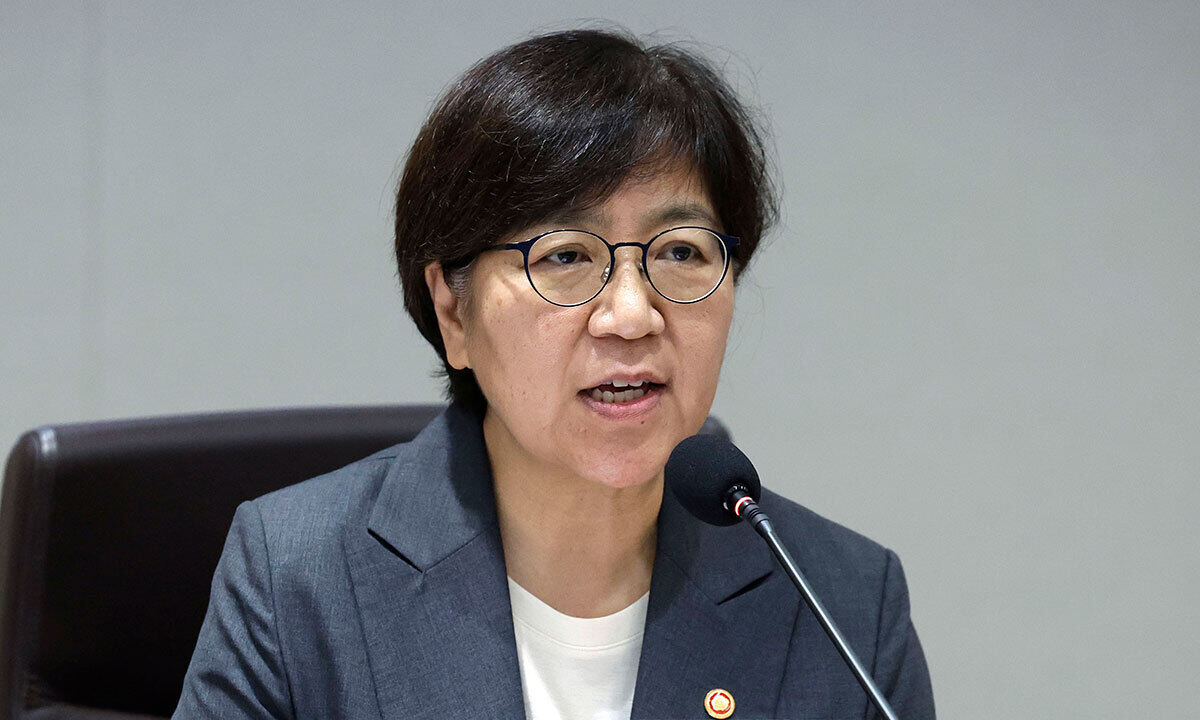
- Minister of Health and Welfare Jeong Eun Kyeong Minister of Health and Welfare Jeong Eun Kyeong is drawing attention after stating, "It is necessary to reform the pharmaceutical company compensation system through a drug pricing system linked to R&D investment. The Ministry will prepare measures to improve the drug pricing system." Minister Jeong also promised, "The Ministry will prepare multi-faceted support measures, including finance, tax, and human resources, for domestic pharmaceutical companies, including those designated as Innovative Pharmaceutical Companies." Regarding plans to reduce drug prices through the Re-evaluation of Foreign Drug Prices and the Reimbursement Appropriateness Re-evaluation, Minister Jeong acknowledged the following: the high level of domestic generic drug prices compared to major overseas countries, and the need for appropriate drug price management within limited National Health Insurance finances to ensure optimal drug coverage. She responded, "The Ministry will review drug price management after consulting with citizen groups, patient organizations, the pharmaceutical industry, and academic societies to ensure fair management and acceptance." Minister Jeong made these statements on October 22 in response to written inquiries during the parliamentary inspection from Democratic Party Representatives Nam In-soon and Lee Kai Ho, and People Power Party Representative Suh Myeong-ok. Rep. Nam and Rep. Suh pointed out the necessity of drug price incentives to encourage domestic pharmaceutical companies' New Drug R&D investment. The Ministry of Health and Welfare stated that the pharmaceutical and bio-industry is a national strategic industry and that national-level investment expansion is needed for it to become the next growth engine. In particular, the Ministry agreed on the need to reform the drug pricing system and compensation structure to strengthen the reward for the innovative value of new drugs and incentivize R&D investment, aiming to foster pharmaceutical companies with global new drug development capabilities. Minister Jeong stated, "We will prepare drug pricing system improvement measures after gathering opinions from industry experts and academic societies." She added, "We will comprehensively review the sound growth of the pharmaceutical and bio-industry and the sustainability of National Health Insurance finances by closely examining the status of domestic and foreign drug pricing systems, policy improvement areas, and global trade situations, while considering social acceptance." Regarding plans to foster domestic pharmaceutical and biotech companies, Minister Jeong explained, "The government has established three core tasks to achieve the vision of making Korea a global top 5 nation in the K-BIO and Pharmaceutical sector," and added, "We will shift to consumer-oriented regulations, accelerate innovative growth by linking technology, human resources, and capital, and support the co-growth of anchor and biotech companies to strengthen global competitiveness." Minister Jeong further stated, "We plan to establish detailed implementation plans for each task through consultation with relevant ministries and will execute follow-up measures without fail, reviewing opinions gathered from forums," and added, "We will improve the Innovative Pharmaceutical Company Designation System to reflect changes in the industry ecosystem. We will support the strengthening of domestic companies' competitiveness through field-centered workforce training and support programs for attracting overseas talent." Regarding the push for the Re-evaluation of Foreign Drug Prices and the Reimbursement Appropriateness Re-evaluation, Minister Jeong gave a principled answer, stating that the Ministry will consider industry opinions during the review process. Minister Jeong said, "Drug expenditure in Korea continues to increase due to the growing number of elderly and chronic disease patients." She added, "Domestic generic drug prices are high compared to major overseas countries. We will reasonably manage drug prices after listing by gathering feedback from the field, including the pharmaceutical industry." She concluded, "The Ministry is currently conducting the reimbursement appropriateness evaluation for eight APIs this year," and added, "We are preparing a fairer and systematic implementation plan based on the results of the five-year re-evaluation effort. We will review it after sufficient consultation to ensure social acceptance."
- Company
- "AI pathology analysis changes trt paradigm…Lunit presents"
- by Hwang, byoung woo Oct 23, 2025 06:11am
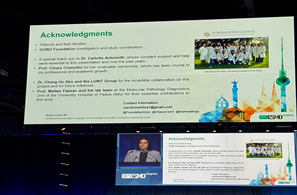
- At the European Society for Medical Oncology conference (ESMO Congress 2025), Lunit presented new clinical evidence for its Artificial Intelligence (AI) pathology analysis. The results are particularly significant as Lunit demonstrated that AI can distinguish treatment response in a subset of proficient mismatch repair (pMMR) colorectal cancer (CRC) patients, a group that typically shows little response to immunotherapy. DailyPharm met with Im Yu-ju, Medical Director of Lunit's Oncology Group (Hematology-Oncology Specialist), at ESMO 2025 to discuss the clinical significance and future vision of the research. Oral presentation by Lunit at the ESMO Congress 2025. "Predicting treatment response from a single Slide... AI biomarker proves utility" Lunit presented two abstracts utilizing its AI biomarker platform, Lunit SCOPE. In particular, Oral Presentation detailing the results of a joint study with Professor Chiara Cremolini's research team at the University of Pisa garnered attention. The study's core objective was to predict the therapeutic effect of atezolizumab (Tecentriq) combination therapy using Lunit's AI pathology platform, 'Lunit SCOPE.' Im explained, "pMMR colorectal cancer is a notoriously intractable cancer that barely responds to immunotherapy. However, this study allowed us to identify a specific patient subgroup that benefits from the addition of immunotherapy." Im emphasized, "We quantified the tumor microenvironment (TME) using only conventional H&E (Hematoxylin & Eosin-stained slide) slides, without the need for new tests or tissue collection, to predict treatment response. This result shows that AI can possess clinical utility as a biomarker." H&E slides are standard stained tissue slides made from most patient specimens during pathological diagnosis. The clinical applicability is high because they can be used without additional testing. In the study, researchers analyzed pathology slides from 161 patients using Lunit SCOPE to quantify the density of six cell types, including lymphocytes and tumor cells. Subsequently, they stratified patients into two groups (A/B). The analysis showed that in the atezolizumab combination group, Group A demonstrated improvement in both progression-free survival (PFS) and overall survival (OS) compared to Group B. Notably, this difference was observed only in the combination arm, but not in the chemotherapy monotherapy group, proving Lunit SCOPE to be an immunotherapy-specific predictive indicator. "AI incorporated complex immune response...AI refines tumor microenvironment analysis" The key finding of this research is its complex interpretation of the tumor microenvironment (TME), moving beyond simple cell density analysis. Im stated, "The response to immunotherapy is a comprehensive result of complex immune factors, including T-cell infiltration, antigen presentation pathways, and neoantigens, not just PD-L1 expression." She added, "Lunit SCOPE quantifies these multi-layered variables through AI pathology analysis and presents them in an interpretable format." Im Yu-ju, Medical Director of LunitIn particular, this model moved beyond the traditional inflamed-centric classification by incorporating the interplay between various cells, including endothelial cells and fibroblasts. Im added, "Along with lymphocyte distribution, the proportion of dividing tumor cells was the highest contributor to predicting response," and said, "AI has overcome the limitations of conventional single-factor-based biomarkers." Furthermore, Im said, "Although it varies by slide size, the analysis of a single slide typically takes 5–10 minutes. Even large-volume data can be processed within tens of minutes." She stated, "This speed allows the results to be immediately referenced concurrently with the clinical interpretation process." Lunit, which has attended ESMO for five consecutive years since 2021, is leveraging this research to expand collaboration discussions with global pharmaceutical companies. Im said, "Since many immune checkpoint inhibitors are already approved, collaboration is more active in companion diagnostics for subsequent indications and new drug development, rather than new clinical trials," and added, "We are accumulating evidence through investigator-initiated clinical trial data," "We are concurrently researching biomarkers for next-generation anti-cancer drugs like BiTE (Bispecific T-cell Engager) and ADC based on Lunit SCOPE IO," said Im and mentioned, "Our goal is to establish the technology as a practical treatment predictive tool through collaboration with partner pharmaceutical companies from the clinical trial stage." "AI, a New Partner in Drug Development... Expanding to ADC and TKI" At the annual ESMO conference, presentations on new modalities, such as ADCs, are consistently featured alongside those on immunotherapies. Lunit is also expanding its AI biomarker research in these areas. Im stated, "In the ADC field, global pharmaceutical companies are actively adopting digital pathology AI-based Companion Diagnostics (CDx), where Lunit's analysis technology can significantly contribute." Lunit is currently developing biomarkers for ADC drugs using IHC analysis of immunostained slides and is also building a TKI response-prediction model using morphological pattern analysis. Im also added, "If AI quantifies drug-specific response patterns, it will allow us to connect both companion diagnostics and patient-specific treatment in the future." At this ESMO Congress 2025, Lunit also presented research on renal cell carcinoma and non-small cell lung cancer in addition to colorectal cancer. In the renal cell carcinoma study, the immune-activated patient group showed a significantly higher ORR of 60.5% in the nivolumab + ipilimumab combination therapy compared to the non-activated group (23.2%). In the NSCLC study, the immune-activated phenotype showed a superior response in a Japanese multi-center patient cohort, confirming the reproducibility of the AI model. Im said, "AI pathology analysis is not limited to a specific cancer type." She added, "We are conducting multi-cancer expansion studies to apply it to early treatment stages and adjuvant therapies." Ultimately, the assessment is that AI is no longer a future technology but becoming established as a practical tool that is changing treatment strategies in real-world clinical settings. Im concluded, "AI pathology analysis is not limited to a specific cancer type. Lunit is conducting multi-cancer expansion studies so that it can be applied to early treatment stages and adjuvant therapies."
- Policy
- ‘Expanding dual pricing under review to mitigate risks’
- by Jung, Heung-Jun Oct 23, 2025 06:11am
- The Ministry of Health and Welfare has expressed its commitment to actively review plans to expand the dual drug pricing system to resolve risks associated with the introduction of innovative new drugs. The MOHW expressed consensus on the need for the expansion as a countermeasure to the Most-Favored-Nation (MFN) drug pricing system introduced by the Trump administration in the United States. Responding to a written inquiry from lawmakers Ye-ji Kim and Jia Han of the People Power Party during the National Assembly audit on the 21st, the MOHW stated that it is reviewing measures for improvement. The lawmakers asked what concrete measures the government plans to take to mitigate risks posed by other countries, referencing Korea’s drug prices. The Ministry stated, “As the domestic launch of new drugs could be postponed or delayed if Korea becomes a reference country, we agree on the need to expand the dual pricing system to enhance patient access to treatments. We will prepare countermeasures.” It explained that it is reviewing plans to expand the current dual drug pricing system by gathering industry opinions. The Ministry expressed its commitment to the task, stating, “We will actively review plans to expand the dual drug pricing system to resolve the risk related to introducing innovative new drugs domestically.” Regarding the proposal to expand the risk-sharing system beyond anticancer drugs to cover new drugs for chronic diseases and other conditions, it responded that it would review reasonable systemic improvements. “In August last year, we revised the system to allow new drugs for severe, irreversible chronic diseases that significantly impair quality of life to also apply for RSA. We will continue to review rational policy improvements through expert consultation and on-site feedback.”
- Policy
- MOHW to institutionalize a fast-track listing system
- by Jung, Heung-Jun Oct 23, 2025 06:10am
- The Ministry of Health and Welfare (MOHW) has announced plans to institutionalize a fast-track reimbursement system based on the outcomes of the ongoing “approval–evaluation–negotiation” pilot program, aimed at accelerating patient access to innovative new drugs. It also stated its intention to expedite the reimbursement decision process for drugs for severe diseases that have submitted applications. The ministry responded so to Rep Mi-hwa Seo’s inquiry on strengthening access to new drugs during the National Assembly audit on the 21st. “We are currently conducting a pilot program that concurrently operates the regulatory approval (MFDS), reimbursement evaluation (HIRA), and price negotiation (NHIS) processes to support faster access. We will analyze the program’s performance and collect feedback from the field to review options for institutionalizing the system.” Furthermore, to provide optimal drug coverage within limited finances, the MOHW plans to include rational improvements to cost-effectiveness evaluations and implement a periodic drug price adjustment system, and strengthen compensation for R&D investments. The Ministry of Health and Welfare stated, “We aim to enhance coverage for severe and rare diseases by making cost-effectiveness evaluations more rational. We also plan to establish a periodic drug price adjustment system to proactively prepare for future increases in drug costs and strengthen appropriate compensation for R&D investment to foster an innovation ecosystem that promotes new drug development." The ministry expressed plans to expedite reimbursement decisions for specific drugs for severe diseases, such as third-line treatments for metastatic colorectal cancer. The MOHW responded, “‘Fruzaqla Cap (Takeda Pharmaceuticals Korea)’ is being reviewed for reimbursement as a third-line treatment for metastatic colorectal cancer. We will expedite its review procedures and make a prompt decision.” The ministry acknowledged the need for improvement regarding third-generation thrombolytic agents that are reimbursed overseas but not yet introduced in Korea. The Ministry stated, “We agree on the necessity of introducing third-generation thrombolytic agents, which reduce the burden of existing thrombolytic therapy. Currently, the second-generation agent Actilyse is listed, and the third-generation agent Metalyse was approved in October, but we confirm that no reimbursement application has been submitted. Once submitted, we will ensure the review proceeds smoothly.”
- Company
- Boehringer withdraws 1 lawsuit over unlisted Trajenta patent
- by Kim, Jin-Gu Oct 22, 2025 06:11am
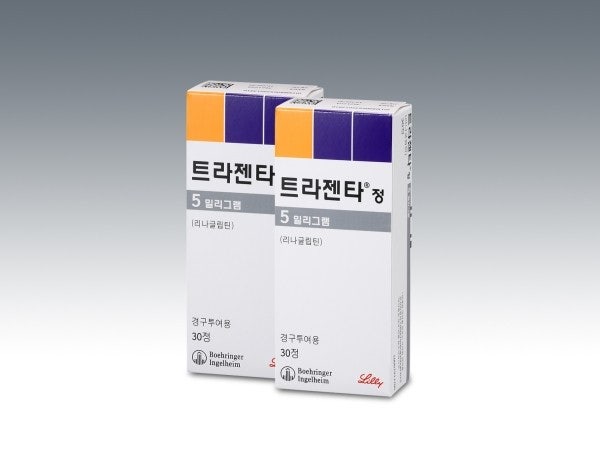
- Product photo of Trajenta Boehringer Ingelheim has voluntarily withdrawn one of its ongoing patent disputes involving unlisted Trajenta (linagliptin) patents. Attention is focused on whether this withdrawal will lead to the conclusion of other ongoing disputes, as Boehringer Ingelheim has been pursuing unlisted patent challenges even after the launch of Trajenta generics. According to the pharmaceutical industry, on October 21 Boehringer Ingelheim voluntarily withdrew a lawsuit seeking to cancel a patent invalidation ruling against 16 companies, including Genuone Sciences, on October 20. The patent was registered under the name "Treatment of Diabetes in Patients with Insufficient Glycemic Control Despite Therapy with Oral or Non-oral Agents for Diabetes." It involves the combination of linagliptin and sulfonylurea (SU). This patent was one of the unlisted Trajenta-related patents. Boehringer Ingelheim filed this patent in January 2020, and it was registered with the Korean Intellectual Property Office in April 2022. However, it was not listed in the Ministry of Food and Drug Safety (MFDS) patent registry. Generic companies, anticipating the launch of Trajenta generics in June 2023, challenged this unlisted patent to alleviate patent risk. Companies that filed the invalidation trial included Genuone Sciences, Kukje Pharm, Kyungbo Pharmaceutical, KyungDong Pharm, DongKoo Bio & Pharma, Dongwha Pharm, Daewon Pharm, Boryung, Shinil Pharm, Aju Holdings, Alvogen Korea, Ildong Pharmaceutical, Jeil Pharmaceutical, Korea Prime Pharm, Korea Huons, and Hanlim Pharm. The substance patent for Trajenta expired while the dispute was ongoing. Twenty-nine companies launched their generics when substance patent expired in May of last year. However, Trajenta's unlisted patents continue to pose a risk to generic companies. If generic companies lose unlisted patent disputes, their generic sales could be deemed patent infringement. In such a scenario, Boehringer Ingelheim could file for preliminary injunctions to halt sales and pursue damages through lawsuits. In May of this year, the Intellectual Property Trial and Appeal Board ruled in favor of the generic companies. Boehringer Ingelheim subsequently appealed to the Patent Court. However, it voluntarily withdrew the lawsuit approximately five months later. This concluded one of the multiple lawsuits surrounding Trajenta's unlisted patents. The pharmaceutical industry's attention is now focused on whether the remaining disputes over Trajenta's unlisted patents will also be resolved. Boehringer Ingelheim has registered over 10 unlisted Trajenta patents, in addition to the linagliptin-sulfonylurea combination patent. Generic companies have filed circumvention and invalidation trials against each of these patents, and the disputes are ongoing. If Boehringer Ingelheim voluntarily withdraws the remaining unlisted patent lawsuits, the patent risks surrounding Trajenta generics are mostly expected to be resolved.

- Company
- Targeting EZH1·2…Hanmi unveils next-gen anticancer agent
- by Hwang, byoung woo Oct 22, 2025 06:10am
- Hanmi Pharmaceutical has unveiled another pillar of its new anticancer pipeline at the ESMO Congress 2025 (European Society for Medical Oncology). The company presented Phase 1 clinical trial results of 'EZH1/2 dual inhibitor (HM97662),' suggesting possibilities for a new anticancer mechanism that could overcome drug resistance. DailyPharm met with Young Su Noh, Director of Hanmi's Oncology Clinical Team, and heard about the clincal significance of HM97662 and the company's future development strategy. Young Su Noh, Director of Hanmi "Evidence confirmed for resistance inhibition and maintained response… proving the value of EZH1 co-inhibition" According to the poster presentation, HM97662 secured safety and tolerability and confirmed initial anti-tumor responses in a Phase 1 clinical trial involving patients with advanced or metastatic solid tumors. A total of 28 patients received treatment across seven dose cohorts (50 to 350mg QD). Partial response (PR) and long-term stable disease (SD) were observed in some patients. Director Noh said, "HM97662 was developed based on a mechanism that simultaneously inhibits both EZH1 and EZH2, showing superiority over single inhibition in terms of resistance suppression and response durability." He explained, "Since EZH1 is compensatorily activated, leading to resistance when EZH2 is inhibited alone, the approach of targeting both is favorable." Noh also stated, "Long-term SD was also confirmed in the clinical trial, which shows the possibility that EZH1 co-inhibition contributes to maintaining the response," and added, "Although we are still in the early stages, we plan to continue establishing clinical evidence." The presentation highlighted a PR observed in a patient with SMARCA4 deficiency. Noh said, "The observation of PR in a patient with a SMARCA4 mutation is highly significant," and explained, "This patient group is high-risk with typically low response rates to existing treatments, and the results suggest that the EZH1/2 dual inhibition strategy has the potential to show therapeutic activity even in patients with molecular mutations." He added, "In solid tumors, PRC2 (Polycomb Repressive Complex 2) complex abnormalities are often involved, while EZH2 mutations are directly implicated in blood cancers. HM97662 is a candidate that reflects these molecular characteristics and can expand treatment possibilities even in solid tumors." Hanmi Pharmaceutical is currently conducting the Phase 1 trial of HM97662 in Korea and Australia and is considering expanding to the U.S. Noh said, "Hanmi Pharmaceutical is focusing on small cell carcinoma, ovarian cancer, and prostate cancer as cancer types where EZH1/2 dual inhibition may be particularly effective. Although we started with a broad scope of metastatic solid tumors, we will gradually narrow down to cancer types with clearer responses." "Combining global collaboration and in-house development… building the Hanmi oncology portfolio" Although Hanmi Pharmaceutical's presentation at ESMO Congress 2025 focused on HM97662, the company is building a diverse portfolio of other anti-cancer pipelines. Young Su Noh, Director of HanmiNoh said, "Out-licensing (L/O) is an important process, but it is not the only goal." He added, "We are also considering a strategy of simultaneously pursuing in-house development and commercialization to target areas where patient access is limited in Korea and Asia." Noh stated, "Global pharmaceutical companies are showing interest, and we are preparing for combination clinical trials," and added, "We have confirmed the possibility of synergy in preclinical studies when combining with immunotherapies, targeted therapies, or chemotherapy, and we plan to expand this into clinical trials." Hanmi plans to strengthen the clinical evidence for the EZH1/2 mechanism based on these results while also entering combination clinical trials with immunotherapies. Noh said, "We plan to secure dose and tolerability with monotherapy first, and then expand to combination strategies." He explained, "We are securing preclinical data that suggests the possibility of synergy when used in combination with chemotherapy and immunotherapy." Noh particularly mentioned Hanmi Pharmaceutical's ongoing oncology research efforts, noting that the company is pursuing a long-term, sustainable commercialization strategy. "Hanmi Pharmaceutical is known for obesity and metabolic diseases, but we also have long-standing research experience and accumulated capabilities in the oncology field," he said. "Our past clinical and research experience is driving our current anti-cancer pipeline." Noh also expressed confidence, stating, "Hanmi has already had multiple global technology transfer experiences, and we are developing returned projects in-house. We are building the foundation to complete new drugs with proprietary capacity, such as the EZH1/2 dual inhibitor." Following this trend, Hanmi is also accelerating its expansion into next-generation research areas. Noh commented, "In addition to immunotherapy combinations, we are also conducting research on next-generation platforms like mRNA and TPD (Targeted Protein Degradation)," and added, "Even after ESMO, we will continue to make subsequent presentations at major conferences like SITC to bring our oncology portfolio into public view.
- Company
- ‘Age-specific vaccination needed to address unmet needs'
- by Son, Hyung Min Oct 22, 2025 06:09am
- Professor Jung-Hyun Choi, Division of Infectious Diseases, Eunpyeong St. Mary A new vaccine targeting the largest number of serotypes in the pneumococcal market has been introduced in Korea. MSD Korea plans to address unmet needs in pneumococcal disease through age-specific prevention strategies, following the release of its adult vaccine, which follows pediatric vaccines. On the 21st, MSD Korea held a press conference at the JW Marriott Hotel Seoul to mark the domestic approval of the pneumococcal vaccine Capvaxive and introduced the vaccine's clinical evidence and preventive efficacy. Capvaxive, which was approved in Korea in August, is indicated for adults aged 18 and older to prevent invasive disease and pneumonia caused by 21 pneumococcal serotypes (3, 6A, 7F, 8, 9N, 10A, 11A, 12F, 15A, 15C, 16F, 17F, 19A, 20A, 22F, 23A, 23B, 24F, 31, 33F, 35B). Notably, it covers 8 unique serotypes (15A, 15C, 16F, 23A, 23B, 24F, 31, 35B) not included in Pfizer’s Prevnar 20, which recently entered the Korean market. These serotypes are clinically significant for preventing pneumococcal disease in adults, as they are detected in over 30% of infected adults aged 65 and older. Pneumococcal disease is an infection caused by Streptococcus pneumoniae, which has approximately 100 different serotypes. In the United States, over 150,000 adults are hospitalized annually for pneumococcal pneumonia. As a result, pharmaceutical companies have continued competition to develop vaccines that cover more serotypes, and the emergence of the 21-valent vaccine Capvaxive represents an evolution in this serotype coverage competition. Capvaxive demonstrated non-inferiority compared to the existing 20-valent protein-conjugated vaccine (PCV20) in the Phase III STRIDE-3 trial. In this study involving 2,662 adults with no prior pneumococcal vaccination history, Capvaxive showed non-inferior immune responses to the 20-valent vaccine for shared serotypes and even higher antibody responses for unique serotypes. Furthermore, enhanced immune responses were observed in certain serotypes when administered as a booster to individuals previously vaccinated with 13-valent, 15-valent protein-conjugated vaccines, or the 23-valent polysaccharide vaccine. Professor Jung-Hyun Choi of the Division of Infectious Diseases at Eunpyeong St. Mary's Hospital emphasized, “Herd immunity formed solely through the National Immunization Program (NIP) for children is insufficient to prevent adult infections completely. The need for adult-specific vaccines is growing as serotypes with high antibiotic resistance and those not included in existing vaccines are increasing.” He further noted, “The 21-valent vaccine has a completely different coverage spectrum compared to existing vaccines. This is expected to provide approximately 20-30% higher preventive efficacy in adults.” Serotype replacement phenomenon causes prevention gaps…Need for separate pediatric/adult strategies highlighted Jaeyong Cho, Executive Director of MSD Korea’s Vaccine Business Unit MSD Korea has clearly differentiated its vaccine strategy by age group. It has obtained approval for the pediatric ‘Vaxneuvance (15-valent)’ and the adult ‘Capvaxive (21-valent)’ separately to establish a tailored prevention system considering age-specific immune characteristics and infection risks. This strategy pursues an age-optimized approach, differing from Pfizer's Prevnar series, which uses the same vaccine across all age groups. MSD Korea emphasizes that Capvaxive is specifically tailored for adults. While the overall pneumococcal infection rate has decreased due to the availability of various vaccines, a prevention gap still exists due to serotype replacement. Analysis indicates that infections caused by serotypes not included in vaccines developed since 2014 are increasing, necessitating a new response focused on the adult population. Reflecting this global trend, the U.S. Centers for Disease Control and Prevention (CDC) recently updated its pneumococcal vaccination guidelines, recommending vaccination for adults aged 50 and older, expanding the age range from the previously recommended 65 and older. The CDC specifically emphasized the need for broader serotype coverage, stating that even individuals who previously received the 13-valent vaccine should consider additional vaccination with the 20-, 21-, or 23-valent vaccines. Professor Choi stated, "Compared to PCV20, the preventive efficacy of Capvaxive against invasive pneumococcal disease caused by unique serotypes is expected to be 21-30%. The preventive effect against PCV20-specific serotypes when using Capvaxive appears to decrease by about 8%.“ He further emphasized, ”While the preventive effect is similar for some common serotypes, additional protection can be secured through Capvaxive’s unique serotypes. Ultimately, an age-specific customized vaccine strategy is the most realistic and efficient approach." Jaeyong Cho, Executive Director of MSD Korea’s Vaccine Business Unit, said, “By providing age-specific vaccines, we will reduce the risk of hospitalization and death from adult pneumococcal disease, alleviate healthcare costs, and ease the socioeconomic burden of an aging society. Capvaxive will become the new standard for adult pneumococcal prevention.” He added, “We plan to launch Capvaxive in the first or second quarter of next year and pursue collaboration with domestic pharmaceutical companies for its rollout at an appropriate time.”
- Policy
- 'Distrust in MFDS rises after Leqembi safety issue'
- by Jung, Heung-Jun Oct 22, 2025 06:09am
- The Ministry of Food and Drug Safety (MFDS) has been criticized for losing public trust due to inadequate safety verification of the dementia drug Leqembi (Lecanemab) and poor post-marketing adverse event management measures. On the 18th, during the National Assembly audit of the MFDS, Representative Jin-sook Jeon of the Democratic Party of Korea criticized, “The MFDS has caused a crisis of trust at every stage of the approval and post-marketing management of dementia drugs. It must take responsibility and apologize before the public’s life.” Although Minister Yu-Kyoung Oh explained during last year's audit that ‘Aduhelm was not being used in Korea,’ the Korea Orphan Drug Center confirmed that a total of 5,847 vials were supplied for self-treatment at patients' request from 2021 to 2024. Jeon said this could constitute false reporting or perjury before the National Assembly. Rep. Jeon criticized, “Similarly, 448 vials of Leqembi were supplied for self-treatment before its official domestic launch. Despite knowing this, the MFDS answered ‘it was not in use.. MFDS’s safety management system failed to function during the pre-approval phase for Leqembi.” He further stated that the MFDS, which promised thorough post-marketing surveillance, is relying solely on reports from the pharmaceutical company. Jeon explained that surveillance is being conducted based on how much of the ‘post-marketing surveillance’ management plan submitted by the pharmaceutical company during the approval process has been quantitatively achieved. This is criticized as a dereliction of duty, entrusting patient safety to the pharmaceutical company. Rep. Jeon stated, “The U.S. FDA identified 6 deaths (4 unique cases after deduplicating) during the initial administration phase in its 2024 routine drug surveillance process and took safety measures, increasing MRI follow-up scans from three to four times. However, no separate follow-up measures have been made by our MFDS to date.” Domestically, 135 adverse events were reported within a year of its approval, with 12 (9%) classified as serious adverse events. Major adverse events included ▲ cerebral edema ▲ microbleeds ▲ hemosiderin deposition, identified as ‘amyloid-related imaging abnormalities (ARIA)’, posing risks of long-term brain damage and atrophy. Rep. Jeon stated, “The Yoon Suk-yeol administration appointed Director Yu-Kyoung Oh under the pretense of ensuring science and trust. However, the MFDS's science has vanished, and its trust collapsed. Minister Oh must apologize to the public for undermining the public’s trust.” She further proposed alternatives, stating, “New mechanism drugs, high-risk biological products, and conditionally approved drugs must be legislated to mandate external expert consultations.. The lack of post-marketing surveillance obligations for self-administered drugs requested by patients must be addressed to strengthen safety monitoring. Guidelines for regular inspections of adverse effects from self-administered drugs must also be established.”

- Company
- FutureChem to apply for cond approval of Ludotadipep in KOR
- by Hwang, byoung woo Oct 22, 2025 06:08am
- Results for FutureChem's next-generation radioligand therapy (RLT) ‘Ludotadipep (FC705)’, presented at the European Society for Medical Oncology (ESMO 2025), are drawing significant attention. In a multiple-dose clinical trial for patients with metastatic castration-resistant prostate cancer (mCRPC), the cumulative radiation dose to major organs was found to be below international safety standards, and tolerability was maintained even with repeated administration. DailyPharm met with Chansoo Park, Executive Director of Development at FutureChem, in Berlin to discuss the significance of these results and the company's future development strategy. ESMO2025 Poster Presentation by Chan-soo Park, Executive Director of Development, FutureChem " “Albumin-binding structure extends …alleviates safety concerns" Director Park stated, “This data proves that the albumin-binding structure extends the substance’s half-life in the body while enhancing tumor accumulation without increasing exposure to normal organs.” The study, a Phase II clinical trial that was conducted in Korea, analyzed a total of 68 treatment cycles in 20 mCRPC patients. At the first dose, the highest absorbed doses were observed in the salivary glands (1.22±0.53 Gy/GBq) and kidneys (0.674±0.33 Gy/GBq), while the lowest dose was in the bone marrow (0.053±0.011 Gy/GBq). After repeated administration, the salivary gland dose decreased significantly (p

- Company
- 'Will accelerate innovation through AI and clinical focus'
- by Hwang, byoung woo Oct 21, 2025 06:20am
- “AI is now at the heart of drug development. We must make our clinical support system more flexible and manage budgets more efficiently.” At the 2025 European Society for Medical Oncology (ESMO)—one of the world’s largest cancer conferences—Dr. Yeong-Min Park, Director of the Korea Drug Development Foundation (KDDF), stressed the importance of practical support measures to keep pace with global drug development trends. “Trends rapidly shifting around AI and oncology... an unavoidable trend for Korea as well” Director Park cited ‘AI (Artificial Intelligence)’ as the most notable keyword at this year's ESMO 2025. “Understanding global R&D trends is essential to identifying competitive fields. As KDDF prepares its next 5-year plan, this conference has provided valuable insights for discussion.” Indeed, many global pharmaceutical companies showcased AI-based drug candidate discovery, virtual clinical data utilization, and combination therapy optimization at this year’s meeting. Notably, ESMO also released official guidance titled “ESMO Guidance on the Use of Large Language Models in Clinical Practice (ELCAP)”, outlining the use of large language models (LLMs) in clinical practice. Director Park remarked, "The number of AI-related sessions was remarkably high, and the presentation quality was exceptionally strong. The government is also shifting its focus to AI starting next year, and the use of AI in the field of oncology will become an unavoidable trend. We also need to connect AI with our clinical and data businesses to accelerate innovation." At the ESMO2025 conference Hall in Berlin, booths from Korean companies like Lunit and Prestige Biopharma were set up throughout the conference halls. Additionally, the Korea National Enterprise for Clinical Trials (KoNECT) set up a booth to support domestic companies in securing investors and global partnerships. The Korea Drug Development Fund (KDDF) also participated in this support effort. Director Park said, “We have seen domestic companies actively engaging on-site. At this ESMO, which has grown to rival ASCO in scale, the presence of Korean companies was distinctly felt.” “KDDF plans to focus on clinical strengthening measures in its next five-year plan” For KDDF, participation in ESMO 2025 served not merely as observation but as a key step in policy planning. Director Park noted that the organization is currently meeting with industry leaders on-site to refine its future support framework. KDDF’s upcoming five-year plan is expected to include “enhanced clinical support” and “establishing an AI-driven drug development foundation” as its core initiatives. Director Park stressed execution and flexibility as critical elements for success, identifying three key factors in drug development: clinical support systems, budget management, and responsiveness to emerging trends. To this end, he stated that discussions are underway to allow clinical support funding to be flexibly adjusted within the scope of the preliminary feasibility study (PFS), rather than being constrained by a fixed budget. To enable this, KDDF is considering expanding the authority of evaluation committees and adjusting weightings based on clinical stage. Director Park mentioned, "Even if the total budget remains unchanged, we can adjust its allocation per project. We should allocate more to projects that require more funding and reduce allocations to those that require less. This approach will lead to tangible results.“ Finally, he added, ”Ultimately, new drug development hinges on the flexibility of the clinical support system and budget management. KDDF must chart a course that keeps pace with current trends while ensuring our companies gain competitiveness on the global stage."
