
- LOGIN
- MemberShip
- 2026-06-20 01:22:37

- Company
- Samsung Biologics spins off Samsung Epis Holdings
- by Cha, Jihyun Nov 06, 2025 06:34am
- Samsung Biologics spun off its investment and subsidiary management business unit to establish Samsung Epis Holdings as a dedicated bio investment holding company The company announced on the 3rd that the holding company was officially established following a board resolution. Samsung Bioepis Holdings will establish separate subsidiaries to pursue bio-technology platform development projects, while retaining Samsung Bioepis—a company focused on developing and commercializing biosimilars (generic versions of biopharmaceuticals)—as a wholly-owned subsidiary. Samsung Epis Holdings plans to maximize enterprise value and shareholder value by establishing tailored strategies for each subsidiary and driving aggressive R&D and investment. First, it intends to further strengthen the biosimilar business capabilities the company has accumulated over the past 13 years. Samsung Bioepis will focus its R&D efforts on securing more than 20 competitive products and pipelines in the biosimilar industry, which is expected to grow steadily alongside rising global demand driven by population aging and chronic disease growth. Since its establishment in 2012, Samsung Bioepis has successfully developed and launched biosimilars for 11 blockbuster biologics. Last year, the company reported record-high sales of KRW 1.5377 trillion and an operating profit of KRW 435.4 billion. Furthermore, Samsung Epis Holdings plans to actively explore promising new businesses based on next-generation technologies by establishing a new subsidiary for future growth. The new subsidiary will pursue innovation and discover new growth engines beyond the biosimilar business by developing next-generation biotech platforms with diverse modalities (treatment approaches). The new subsidiary will adopt a biotech model as its core business structure, focusing on platformizing highly scalable core technologies and developing various new drug candidates to pursue joint development with global pharmaceutical companies. Kyung-ah Kim, the current CEO of Samsung Bioepis, has been appointed as the inaugural CEO of Samsung Epis Holdings and will oversee both the holding entity and its operating subsidiaries. Samsung Epis Holdings will complete legal procedures to establish its new subsidiary by November 14, with re-listing on the Korea Exchange scheduled for November 24. Kim stated, “The launch of Samsung Epis Holdings marks a new leap forward to lead the future global bio industry. We will strengthen synergies across all business divisions to write a unique success story that contributes to a better life for humanity.”
- Company
- GSK reattempts reimb for myelofibrosis drug Omjjara
- by Eo, Yun-Ho Nov 06, 2025 06:33am
- GSK’s myelofibrosis drug Omjjara (momelotinib), which failed reimbursement on its first attempt, is once again seeking insurance reimbursement in Korea. According to industry sources, GSK Korea recently resubmitted its reimbursement application for Omjjara. Despite its recent failure to be presented to the Health Insurance Review and Assessment Service (HIRA) Drug Coverage Evaluation Committee, the company is showing renewed determination. Omjjara passed the Cancer Disease Deliberation Committee review last March, but reimbursement procedures were halted after disagreements arose between GSK and HIRA regarding comparator drug selection for price calculation. Consequently, it remains to be seen whether GSK and the government can reach a consensus this time. Omjjara has a triple mechanism of action that inhibits JAK1 and JAK2 as well as ACVR1 (activin A receptor type 1). In myelofibrosis treatment, JAK1 and JAK2 inhibition helps relieve systemic symptoms and reduce splenomegaly, while ACVR1 inhibition decreases hepcidin expression and thereby alleviates anemia. Anemia management remains one of the major unmet needs in treating myelofibrosis. Transfusion-dependent anemia brings more than just the commonly perceived issue of dizziness - depending on its severity, it can be life-threatening. Phase III trials SIMPLIFY-1 and MOMENTUM demonstrated that Omjjara significantly improved key symptoms such as splenomegaly and reduced transfusion dependence in anemic myelofibrosis patients regardless of prior JAK-inhibitor exposure. In SIMPLIFY-1, which compared Omjjara to ruxolitinib (Jakavi) in JAK-inhibitor-naïve myelofibrosis patients, Omjjara demonstrated non-inferiority to ruxolitinib in the primary endpoint of spleen volume response at week 24. The proportion of transfusion-independent patients was 66.5 % in the Omjjara group versus 49.3 % in the ruxolitinib group, showing a statistically significant reduction in transfusion dependence in the Omjjara arm. Professor Seo-yeon Ahn of Chonnam National University Hwasun Hospital’s Department of Hematology stated, “Existing JAK inhibitors relieve splenomegaly and systemic symptoms but often worsen anemia or increase transfusion needs, leaving an unmet clinical need. Omjjara demonstrated significant clinical value in improving anemia, which is closely tied to prognosis in myelofibrosis patients.”
- Company
- "Fosamax's value in osteoporosis sequential therapy rises"
- by Hwang, byoung woo Nov 06, 2025 06:32am
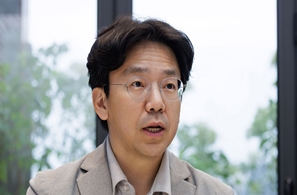
- As South Korea enters a super-aged society, the importance of long-term management in osteoporosis treatment is being emphasized. During this process, the bisphosphonate class of drugs, demonstrating long-term evidence and sustained efficacy, is once again becoming the key treatment strategy. DailyPharm met with Professor Beom-jun Kim of the Department of Endocrinology and Metabolism at Seoul Asan Hospital, to discuss the changing landscape and future challenges of osteoporosis treatment. "Osteoporosis cases is increasing...prevention before fracture is crucial" Professor Beom-jun Kim of the Department of Endocrinology and Metabolism at Seoul Asan HospitalSouth Korea is one of the world's fastest-aging nations. With the elderly population rapidly increasing, the importance of osteoporosis management and government attention have both grown. In particular, the rise in osteoporosis cases in South Korea is attributed to rapid aging and increased diagnosis rates. Professor Kim explained, "As the elderly population rapidly increased, government attention rose, and this year, osteoporosis screening in general health check-ups was expanded to include women aged 60 and older," and added, "With early prevention and diagnosis underway, the number of patients is also increasing." Osteoporosis is a disease characterized by porous bones. Since it typically presents no specific symptoms before a fracture occurs, it is easily overlooked by both patients and physicians. However, as bone strength naturally declines by about 2% annually with age, the risk of fracture increases. Therefore, continuous management is emphasized, treating osteoporosis as a chronic disease requiring lifelong care, similar to hypertension or hyperlipidemia. He stated, "Spinal and hip fractures not only severely diminish the quality of life due to pain, deformity, and mobility impairment, but hip fractures, in particular, carry a mortality rate of about 20%. Preventing fractures before they occur is particularly important, more so than treating them after one." "Fosamax, a drug with 30 years of evidence...sustained efficacy of oral therapy is gaining attention" To effectively treat osteoporosis, it is essential first to evaluate the patient's fracture risk and prescribe the appropriate medication. According to Professor Kim, various factors are considered, including bone mineral density (BMD), T-score, age, weight, current medications, and family history. Generally, patients with a T-score below -2.5 are diagnosed with osteoporosis and categorized as high-risk for fracture. Bisphosphonate agents, including Fosamax, are globally recommended as the first-line treatment for these patients. The major bisphosphonate, Fosamax (alendronate sodium), celebrates its 30th anniversary this year since its U.S. FDA approval in 1995. It was introduced in Korea in 1998. Professor Kim explained, "The fact that we are still talking about Fosamax after three decades indicates its reliability." He added, "Its preventive effect has been confirmed across various sites, including vertebrae, non-vertebrae, and hip, establishing it as a first-line treatment for high-risk patients in both domestic and international guidelines." He also mentioned the unique advantage of Fosamax as a once-weekly oral drug in the osteoporosis treatment landscape, where injectable drugs are commonly used. Professor Kim pointed out, "According to the Korean Society for Bone and Mineral Research fact sheet, only 73.9% of women and 66.7% of men maintain treatment for a full year after starting medication. For injectables, discontinuing treatment can rapidly increase the risk of multiple vertebral fractures." He added, "In contrast, Fosamax is deposited in the bone and maintains its therapeutic effect for a certain period." He emphasized that this feature, where the fracture-prevention effect persists for a period even after discontinuation, is an advantage in the Korean context, where treatment persistence is often low. "The last in sequential therapy...need to improve access for patients at ultra-high-risk" Professor Kim stressed that the concept of sequential therapy is becoming crucial, as osteoporosis treatment is a long-term strategy rather than a short-term prescription. He said, "Considering the 100-year lifespan, continuously using a single drug is impractical. Therefore, a strategy of sequentially using multiple treatments, similar to hypertension or diabetes, is necessary," And added, "While Fosamax is recommended as a first-line treatment, its advantage as a 'closer' in the context of sequential therapy is gaining attention." Professor Kim also said, "In the 'finishing stage' after reaching the osteoporosis treatment goal, Fosamax has the advantage of maintaining its efficacy in the bone, preventing rapid deterioration of the patient's condition." He added, "Regardless of the initial drug used, treatment must ultimately conclude with a bisphosphonate agent. We believe Fosamax's role in sequential therapy will only grow as new drugs increase." He also evaluated the expansion of reimbursement criteria for osteoporosis treatment last year as a meaningful change. He said, "Previously, patients had to stop treatment coverage if their T-score went above -2.5, even if they wished to continue. Now, the maximum period for continued treatment has been extended up to two years, even at a T-score of -2.0, which is positive for securing treatment continuity." Professor Kim pointed out the institutional need to lift restrictions on the treatment sequence for ultra-high-risk patients and advised against avoiding treatment due to concerns about adverse reactions. Professor Kim said, "Globally, the recommended strategy is first to use bone formation promoters (anabolic agents) followed by anti-resorptive agents for maintenance. However, due to current domestic reimbursement criteria, we must apply this in reverse," and suggested, "The treatment sequence needs to be improved, at least for the ultra-high-risk group." Finally, Professor Kim said, "Although fear of adverse reactions is one reason for hesitation, concerns like 'jawbone necrosis' are actually very rare," and added, "The incidence in South Korea is around 4 per 10,000 people (0.04%), while the risk of fracture is a thousand times higher. Avoiding treatment due to a rare risk is like not wearing a seatbelt."
- Policy
- MFDS to ease orphan drug designation eligibility criteria
- by Lee, Tak-Sun Nov 06, 2025 06:32am
- Yu-Kyoung Oh, Minister of the MFDS, is speaking at the As the criteria for Orphan Drug Designation are set to be significantly eased, this is expected to expand the introduction of rare disease treatments currently not approved in Korea. The Ministry of Food and Drug Safety (MFDS) plans to revise the regulations by February of next year. The MFDS announced this during the 'Top 50 Food and Drug Safety Tasks National Briefing Session' held on the 5th at the International Conference Hall on the first floor of the Seoul Foundation of Women and Family in Dongjak-gu, Seoul. The relaxation of the Orphan Drug Designation requirements was introduced as the very first of the seven key projects. Yu-Kyoung Oh, Minister of the MFDS, said, "We will ease the designation requirements for rare drugs not yet approved in Korea to expand treatment opportunities for patients." Currently, a drug is designated as an orphan drug if the prevalent patient population is 20,000 or fewer and if comparative data are available with an alternative medicine. During this process, it is required to submit data demonstrating that the drug is significantly safer and more effective than existing alternatives, but the industry reports difficulty providing this documentation. There have been calls to ease designation requirements to expand treatment options for rare disease patients with limited or difficult treatment options. In response, the MFDS plans to revise the criteria. Under the revised plan, a drug will be designated as an orphan drug simply by being used for the treatment or diagnosis of a rare disease, effectively eliminating the requirement to submit comparative data against an alternative therapy. The exemption of the superiority requirement for orphan drug designation is already unnecessary in countries like the United States, Switzerland, and Taiwan. The relaxation of the orphan drug designation will be implemented through the revision of the 'Regulations on Orphan Drug Designation' planned for February of next year. In addition, the MFDS plans to tag medications currently imported directly by patients for self-treatment as urgently imported drugs to ensure proper inventory stockpiling and supply. The policy aims to sequentially transition over 10 items annually, starting next year. To achieve this, the MFDS plans to secure the necessary budget through inter-ministerial consultation and expand the scope of the related program. The seven key tasks also include: ▲Operating a hotline for rapid and convenient one-stop preliminary consulting ▲Faster announcement of harmful food information via 'consumer-customized SNS' ▲Expanding treatment opportunities for innovative anti-cancer drugs by improving clinical trial participant requirements ▲Quick confirmation of safe information on dietary supplements via QR code ▲Rapid safety management of contaminants in livestock products (meat) using AI ▲Establishing clear standards for safe consumption of decaffeinated coffee. The task of improving anti-cancer clinical trial participant requirements involves establishing review criteria for early-stage anti-cancer clinical trials. This is intended to expand patient choice, invigorate anti-cancer clinical trials, and support the development of treatments for intractable cancers in situations where a cure is difficult. The MFDS plans to issue the 'Considerations for Participant Selection in Early-Stage Anti-Cancer Clinical Trials' guideline in December, which will clearly present the review criteria for clinical trials involving patients with established alternative treatments. Minister Oh emphasized that through these seven key tasks, the MFDS aims to "add security to food and drug safety so that the daily lives of the people can be healthier."

- InterView
- ADCs rise to become SOC in key solid tumors
- by Son, Hyung Min Nov 06, 2025 06:32am
- Major antibody-drug conjugates (ADCs) are rapidly becoming standard-of-care (SOC) therapies across solid tumors, reshaping treatment paradigms. Daiichi Sankyo and AstraZeneca’s Enhertu (trastuzumab deruxtecan) has displaced Kadcyla (trastuzumab emtansine) as the new SOC in HER2-positive breast cancer. Enhertu is also validating potential as a first-line therapy in combination with the targeted therapy Perjeta (pertuzumab). In urothelial carcinoma, Astellas’ Padcev (enfortumab vedotin) is rising rapidly. Padcev monotherapy has already become SOC in second-line settings, and in first-line disease, Padcev + Keytruda (pembrolizumab) is now a preferred regimen in the NCCN guidelines, overtaking Bavencio (avelumab) + chemotherapy as the dominant option. Merck's existing immuno-oncology drug ‘Bavencio (avelumab)’ + chemotherapy, has been used as the SOC for urothelial carcinoma, but the introduction of Padcev significantly increased the likelihood of this position changing. Enhertu aims to become SOC across HER2-mutated solid cancers Enhertu is a next-generation ADC composed of a monoclonal antibody that has the same structure as trastuzumab, which binds to receptors overexpressed on cancer cells and a highly potent Topo I inhibitor payload, linked via a tumor-selective cleavable linker. ADCs are anticancer drugs manufactured by linking an antibody that binds to a specific target antigen on the surface of cancer cells with a drug that has cell-killing (cytotoxic) properties (payload). ADCs act selectively on cancer cells by using the selectivity of antibodies to their targets and the killing activity of drugs to increase therapeutic efficacy while minimizing side effects. In a head-to-head study, Enhertu nearly doubled progression-free survival (PFS) compared to Kadcyla. Enhertu and Kadcyla use the same trastuzumab backbone but with a different microtubule inhibitor payload. Unlike Kadcyla, which uses a microtubule inhibitor monomethyl auristatin E (MMAE) as its payload, Enhertu utilizes a topoisomerase I inhibitor. This difference led to a starkly contrasting efficacy. As a result, companies in Korea and abroad are actively pursuing ADC development using topoisomerase I inhibitor payloads. Among later-stage drugs, ‘Datroway (datopotamab)’ and ‘Trodelvy (sacituzumab govitecan)’ have adopted topoisomerase I inhibitor payloads. However, Enhertu's ambition extends beyond second-line HER2-positive breast cancer. It has shown potential not only as the second-line SOC for HER2-positive breast cancer but also as a first-line therapy, demonstrating efficacy across various solid tumors. Enhertu has established its efficacy in combination with Roche's Perjeta. Perjeta is one of the drugs used in the so-called ‘THP regimen (taxane + Herceptin + Perjeta)’, which serves as the standard first-line treatment for HER2-positive breast cancer. The Phase III DESTINY-Breast09 trial compared the efficacy and safety of Enhertu plus Perjeta versus THP therapy in 1,157 patients with previously untreated HER2-positive breast cancer. Patients were randomized in a 1:1:1 ratio to the Enhertu + placebo group (387 patients), the Enhertu + Perjeta group (383 patients), or the THP therapy group (387 patients). The primary endpoint was progression-free survival (PFS) assessed by blinded independent central review (BICR). Secondary endpoints included overall survival (OS), objective response rate (ORR), duration of response (DOR), and safety. During a median follow-up of 29 months (interim data cutoff February 26, 2025), the PFS in the Enhertu+Perjeta group was 40.7 months, longer than the 26.9 months in the THP therapy group. The ORR was 85.1% in the Enhertu+Perjeta group and 78.6% in the THP therapy group. DOR was 39.2 months in the Enhertu+Perjeta group and 26.4 months in the THP therapy group, showing a difference. The OS data were immature at the time of cutoff. In addition to breast cancer, Enhertu has been approved for gastric cancer and non-small cell lung cancer. In April last year, it also received accelerated approval from the U.S. Food and Drug Administration (FDA) for all HER2-positive solid tumors that lack alternative treatment options. Its potential is now being explored in cancers with limited treatment options, such as colorectal cancer and biliary tract cancer. Padcev seeks to become first-line SOC in urothelial carcinoma in combination with an immune-oncology drug Astellas’ Padcev is pushing toward first-line SOC in combination with Keytruda. That position had long been held by Bavencio plus chemotherapy. Bavencio is a relatively mild agent and has advantages for use in elderly patients and long-term administration. But Padcev’s clinical results are being regarded as groundbreaking. In the Phase III EV-302/KEYNOTE-A39 study, Padcev + Keytruda achieved a median overall survival (OS) of 31.5 months in previously untreated urothelial carcinoma patients. This represented a significant difference compared to the 16.1 months observed in the control group(chemotherapy). Although differences existed in the control group and clinical design, the median OS for the Bavencio maintenance therapy arm was 29.7 months. This represents an extension of over 9 months compared to the 20.5 months observed in the control group receiving maintenance therapy alone. However, patients were randomized after receiving approximately 4 months or more of prior treatment (4-6 cycles) with gemcitabine plus cisplatin or carboplatin combination therapy. Accordingly, the NCCN guidelines recommend Padcev + Keytruda as a Category 1 first-line therapy in locally advanced or metastatic urothelial carcinoma. For second-line or later settings, Padcev monotherapy is the preferred therapy, and for third-line or later, it is recommended as a Category 1 preferred therapy. Padcev also demonstrated efficacy in muscle-invasive bladder cancer, where radical cystectomy is the SOC, presenting new possibilities. The combination therapy of Padcev plus Keytruda demonstrated statistically significant improvements in event-free survival (EFS), overall survival (OS), and pathological complete response rate (pCR) compared to radical cystectomy+pelvic lymph node dissection (RC+PLND) alone. This study is the first randomized Phase III trial demonstrating a clear survival benefit from pre- and post-operative combination therapy in patients with cisplatin-ineligible, muscle-invasive bladder cancer who are eligible for surgery. Padcev is an ADC targeting Nectin-4, composed of a Nectin-4-specific fully human monoclonal antibody and MMAE. Padcev chose MMAE as the payload due to its synergistic effect with PD-1. Nectin-4 is overexpressed in urothelial carcinoma cells compared to normal tissue, providing high selectivity for cancer cells. After binding, it enters the cell and releases MMAE to induce cell death. When combined with PD-1 inhibitors like Keytruda, the cytotoxicity of MMAE synergizes with the immune activation from PD-1 inhibition, maximizing antitumor activity. Despite its aggressive nature, metastatic urothelial carcinoma has had no first-line treatment options beyond chemotherapy for 30 years, creating a significant unmet need. Before Padcev monthearpy, the response rate to immune-oncology drugs was only 13-28% regardless of PD-L1 status, and a significant number of patients experienced disease progression within 3 months of treatment. Therefore, whether Padcev + Keytruda becomes the new standard of care (SOC) in the first-line treatment space is now a matter of intense interest. Recently, this combination therapy cleared the first hurdle for reimbursement in Korea by passing the Cancer Disease Deliberation Committee, taking a significant step closer to commercialization in Korea.

- Company
- "Bavencio MT after short chemotherapy proves survival·QoL"
- by Hwang, byoung woo Nov 06, 2025 06:30am
- The treatment for urothelial carcinoma is shifting toward the direction of 'short chemotherapy, long survival'. The DISCUS study confirmed that there is no difference in treatment outcome even when platinum-based chemotherapy is administered for only three cycles. This evidence demonstrated that it can reduce unnecessary toxicity while maintaining survival. During a meeting with DailyPharm, Professor In Ho Kim of Seoul St. Mary's Hospital's Department of Oncology assessed, "Bavencio is now a treatment strategy that goes beyond simple maintenance therapy, reducing patient burden while extending survival benefit." He added, "The DISCUS study, disclosed at ESMO (European Society for Medical Oncology) conference, clearly demonstrated the potential for patient-centric treatment." "Switching to Bavencio after 3 cycles of chemotherapy... no survival difference, improved quality of life" Professor In Ho Kim of Seoul St. MaryThe DISCUS study was an exploratory Phase 2 trial that compared the effect of Bavencio maintenance therapy in 267 patients with locally advanced or metastatic urothelial carcinoma, divided into two groups: 3 cycles (133 patients) and 6 cycles (134 patients) of platinum-based chemotherapy. The study results showed that the median overall survival (OS) for the 3-cycle group was 18.9 months, with no significant difference compared to the 6-cycle group (18.9 months). Progression-free survival (PFS) was also statistically similar (3-cycle group had 8.0 months vs. 6-cycles group had 9.0 months). Notably, quality of life (QoL) improved in patients who received shorter chemotherapy. The QoL score change in the 3-cycle group was 0.0 points (95% CI -5.9 to 5.2), showing an improvement of +8.5 points (p=0.016) compared to the 6-cycle group (-8.5 points; 95% CI -14.1 to -2.9). Regarding this, Professor Kim explained, "While it was customary in the past to administer up to six cycles, in reality, side effects and fatigue often accumulated around the fourth cycle, making treatment continuation difficult." He said, "The DISCUS study provides clinical evidence that sufficient efficacy can be achieved without compromising the patient's condition." Professor Kim added, "In clinical practice, treatment cycles were often adjusted to around four cycles based on the patient's condition, and this result supports that empirical finding." Professor Kim summarized the study's key finding as maintaining therapeutic efficacy while reducing the burden of side effects. He said, "For urothelial carcinoma, the treatment process itself can cause greater suffering to the patient than the treatment types," and added, "The strategy of switching to Bavencio after short chemotherapy is a model that captures both survival and quality of life." In the DISCUS study, the incidence of adverse events was 11.9% in the 3-cycle group and 15.7% in the 6-cycle group, confirming a lower toxicity burden in the shorter chemotherapy group. Bavencio's clinical significance is further strengthened by the fact that its clinical trial results and Real-World Data (RWD) are nearly identical. Professor Kim stated, "The efficacy of most drugs is lower in actual clinical practice, but Bavencio's results in the clinical trial and the real world align," and added, "It is due to low toxicity and good tolerability, which allows it to be used even in patients with poor health. The same result was confirmed in the AVENANCE RWD analysis conducted in France. In patients whose disease had not progressed after platinum-based chemotherapy, the probability of surviving for more than 1 year after receiving Bavencio maintenance therapy for 1 or 2 years was maintained at the same level as in the JAVELIN Bladder 100 trial. Professor Kim said, "This data consistency is evidence that medical professionals can trust in treating patients," and added, "I often see elderly patients continuing treatment stably." "Customized treatment completed through patient value and communication" This effect is evaluated as significant for urothelial carcinoma, a disease where patients aged 70 and over account for the majority. Professor Kim said, "In the past, chemotherapy was rarely given to patients in their 80s, but recently, treatment has been continued if their condition is good," and added, "What is important in such cases is not just the duration of survival but how comfortably they can receive treatment." He continued, "Patients are increasingly expressing that they do not want difficult treatments." He stressed, "The process of shared decision-making, where medical staff and patients set treatment goals together, is now essential." Meanwhile, the enfortumab vedotin + pembrolizumab combination therapy also garnered significant interest at this conference. Professor Kim said, "The clinical indexes are very impressive, but the patients participating in clinical trials are generally in good overall condition," and added, "In everyday clinical practice, the proportion of patients in poor condition is higher, making it difficult to apply the data directly." He mentioned, "If a patient's disease is progressing very rapidly, combination therapy should be considered. However, patients with more controllable metastases, such as liver or lymph node metastases, can achieve long-term survival with Bavencio maintenance therapy alone." Professor Kim continued, "In everyday clinical practice, the patient's condition and preferences must be considered comprehensively over numerical data." He assessed, "Bavencio is the most 'balanced option' in this regard." Professor Kim summarized the key findings confirmed at this ESMO as the 'importance of the process, not the answer'. Professor Kim said, "Each urothelial carcinoma patient has different disease progression rates, metastasis patterns, and values. Some patients say, 'I want to live a little longer,' while others say, 'I want to maintain my routine quietly.'" He concluded, "Ultimately, the treatment strategy is finalized through conversation with the patient." Finally, Professor Kim said, "The strategy of maintenance therapy after 3 cycles of chemotherapy, as suggested by the DISCUS study, is the starting point for this individualized treatment," and, "Bavencio is the most realistic choice that can guarantee quality of life while maintaining survival benefits."

- Company
- 'Leqembi will reshape early dementia care landscape'
- by Hwang, byoung woo Nov 05, 2025 06:23am
- Leqembi (lecanemab), a therapy that directly removes the pathogenic protein driving Alzheimer's disease and slows disease progression, is opening a new treatment paradigm in a super-aged society. Unlike existing drugs that primarily focused on symptomatic relief, Leqembi has demonstrated disease-modifying potential, signaling broad changes across clinical practice and policy. Dailypharm spoke with Professor Min-young Chun, neurologist at Yongin Severance Hospital, regarding Leqembi’s long-term evidence, real-world clinical implications, and the importance of early diagnosis and early intervention in Alzheimer's disease. “Leqembi delays disease progression by one year, which is a significant extension in the survival period” Professor Min Young Chun, Department of Neurology, Yongin Severance HospitalLeqembi is the first disease-modifying treatment to emerge in the field of Alzheimer's disease, which had seen no new drugs for over 20 years. Since the 1990s and early 2000s, there have been almost no new drugs developed for Alzheimer's disease, resulting in a prolonged 20-year innovation gap without any new drug approvals. While existing drugs focus on symptom relief, Leqembi is drawing attention for its mechanism that directly removes amyloid beta to slow the fundamental progression of the disease. Professor Chun stated, “Leqembi is the first treatment option that directly targets amyloid beta to slow the fundamental progression of the disease, marking a significant advancement that ends the 20-year gap in new drug development.” She further explained, “In the recently published 4-year long-term analysis, the Leqembi treatment group showed a delay in disease progression of approximately one year compared to the natural decline in Alzheimer's disease. Based on the CDR-SB score, it was 1.75 points lower versus ADNI and 2.17 points lower versus BioFINDER.” Furthermore, no new safety concerns were observed during the 4-year OLE study, and the ARIA incidence rate decreased after the initial 12 months of treatment and remained stable without significant change over the 4 years. Professor Chun emphasized, “Some may underestimate a one-year delay, but just as a 6-month survival gain in oncology is considered a meaningful outcome, delaying the time when independent daily living becomes impossible by even one year holds immense value.” Lower ARIA rate in Asians…Will also strengthen domestic monitoring system As Leqembi has not been released in Korea for long, sufficient data has not yet accumulated to yield statistically significant results. Concerns also exist regarding the management of amyloid-related imaging abnormalities (ARIA), the most notable adverse reaction requiring caution during Leqembi treatment. On this, Professor Chun explained, “ARIA-E occurred in 6.2% and ARIA-H in 14.4% of Asian patients %, lower than the overall population. This could be attributed to complex factors like differences in APOE ε4 gene frequency or drug dosage variations due to body weight.” She further noted, “South Korea has well-established imaging infrastructure, including MRI and PET, enabling systematic monitoring before and after administration. This environment supports the safe use of new drugs like Leqembi.” According to Professor Chun, the Asian subgroup analysis of Leqembi’s Phase III Clarity AD clinical trial showed an ARIA-E incidence rate of 6.2% in Asians, lower than the 12.6% rate in the overall population. The ARIA-H incidence rate was also lower in Asians at 14.4%, compared to 17.3% in the overall population. She added, “Adverse reactions are being closely managed through regular monitoring. When they occur, treatment is guided by established medication-related guidelines. Currently, multiple institutions are compiling and analyzing Leqembi treatment data, and clearer results are expected as early as the beginning of next year. Regarding the approval of the subcutaneous (SC) maintenance therapy formulation in the U.S., Professor Chun noted, “The Leqembi SC formulation offers similar efficacy to the intravenous (IV) formulation while having a lower incidence of infusion-related adverse events. This allows patients or caregivers to administer the drug themselves, offering significant advantages in terms of accessibility and compliance.” “Early diagnosis and treatment of Alzheimer's reduces socioeconomic burden” With South Korea entering a super-aged society, dementia has emerged as a socioeconomic challenge beyond an individual disease. Professor Chun emphasized that advancing the timing of treatment is key to reducing the national burden. She stated, “Domestic dementia care costs approximately KRW 25 trillion annually. Delaying progression to severe stages through early diagnosis and treatment can significantly reduce long-term care and medical expenditure.” Long-term simulation data showed Leqembi confirmed such an effect. Leqembi delayed progression to mild-and-moderate stages by 2.7 years and 2.9 years, respectively — supporting meaningful savings in healthcare costs. Regarding this, Professor Chun explained, “These results can enhance the efficiency of the dementia management system and positively impact national healthcare finances.” Institutional challenges remain. The treatment remains non-reimbursed, and while MRI scans are covered, amyloid PET scans remain non-reimbursed, resulting in patient out-of-pocket costs. Professor Chun noted, “Beyond amyloid, the long-term therapeutic effect of new drugs like Leqembi is more pronounced in patients with lower tau protein accumulation. As Alzheimer's disease progresses, tau protein accumulation increases. Therefore, I believe it would be efficient to prioritize coverage for the early stages when tau levels are lower.” Professor Chun further explained, “We are conducting amyloid PET scans to compare how much amyloid is removed before and after Leqembi administration, but this process incurs significant cost burdens. If amyloid PET scans were covered, it would greatly aid patients in receiving early diagnosis and treatment.” Finally, Professor Chun reiterated the necessity of early intervention for Alzheimer's disease. Professor Chun added, “Early detection and intervention are paramount for Alzheimer's disease, yet some delay hospital visits due to fear of dementia diagnosis. The sooner diagnosis and treatment occur, the greater the effect. If treatments become reimbursed, it would alleviate household medical expenses and could positively impact socioeconomic aspects and reduce national healthcare costs in the long term.”
- Company
- Alfresa launches Jenecell to expand stem-cell business in KR
- by Chon, Seung-Hyun Nov 05, 2025 06:22am
- Alfresa Group, a major Japanese pharmaceutical distribution company, has entered the Korean market with the establishment of its subsidiary Jenecell and declared its entry into the stem cell business market. Hee-seok Joo, CEO of Jenecell Alfresa Corporation announced on the 3rd that it has established Jenecell in Korea. The Alfresa Group is a Japanese healthcare company engaged in diverse businesses, including pharmaceutical distribution, operation of dispensing pharmacies, and regenerative medicine–related businesses. The group recorded annual sales of JPN 2.961 trillion (approx. KRW 28 trillion) last year. Jenecell was established to expand the group's business in the stem cell sector, which the group has identified as a next-generation growth engine. Alfresa plans to strengthen its presence in the Asian market and accelerate global expansion through Jenecell. The company appointed Hee-Seok Joo, former Vice President of Medytox, as CEO. Joo is a seasoned industry expert with 35 years of experience at Daewoong Pharmaceutical and Medytox, spanning operational roles through executive leadership. He has led regulatory affairs, pricing, PR, and marketing, and is known for his broad network and expertise across the pharmaceutical industry. Joo selected “Forever Young” as the corporate slogan, reflecting a commitment to the pursuit of eternal youth. Leveraging Korea’s advanced biotechnology infrastructure, Jenecell plans to pursue ▲regenerative medicine research, ▲stem cell and culture-media-based product development, and ▲strategic partnerships and M&A with promising domestic biotech companies. The company is accelerating recruitment talent in key functions, including R&D, marketing, and business development. Hee-seok Joo, CEO of Jenecell, said, “Leveraging the expertise and broad network built through years of experience, I plan to grow Jenecell into a global core hub in the stem cell field. Based on Alfresa’s technological capabilities and know-how, we will advance high-value product development and premium brand positioning.”
- Company
- Vyloy gains reimb momentum...targets gastric cancer mkt
- by Moon, sung-ho Nov 05, 2025 06:22am
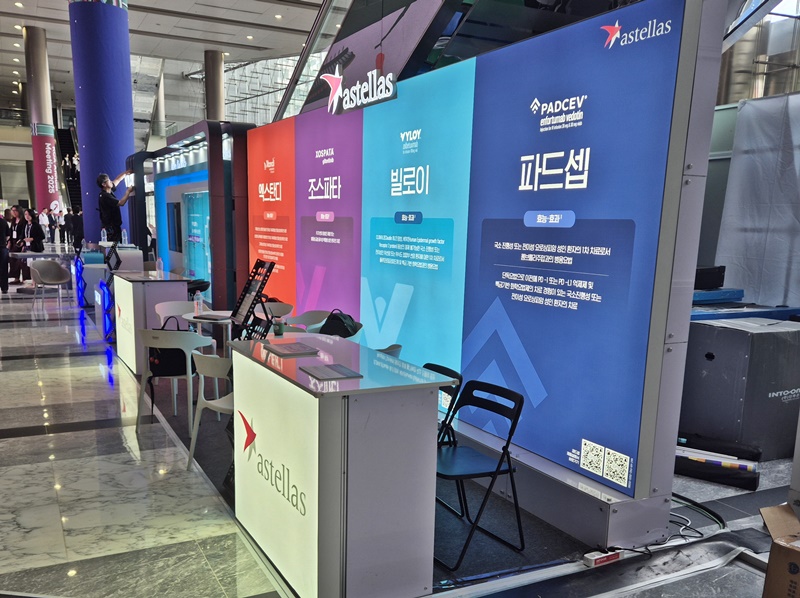
- After clearing reimbursement review on its second attempt, Astellas’ Vyloy (zolbetuximab) is expected to reshape the metastatic gastric cancer treatment landscape. The entry of a targeted therapy option into a market previously dominated by immuno-oncology drugs presents a dilemma for treatment selection in clinical practice. #According to industry sources on the 3rd, the Health Insurance Review and Assessment Service (HIRA) recently convened its 8th Cancer Disease Deliberation Committee to review reimbursement criteria for major anticancer drugs submitted for consideration. At this meeting, Vyloy, the first-in-class CLDN18.2-targeted therapy, successfully established reimbursement criteria, and the application will now move up for review by the Drug Reimbursement Evaluation Committee. The indication approved for reimbursement is as ‘first-line treatment, in combination with fluoropyrimidine- and platinum-based chemotherapy, for patients with unresectable locally advanced or metastatic CLDN18.2-positive, HER2-negative gastric adenocarcinoma or gastroesophageal junction adenocarcinoma. The current treatment landscape for metastatic gastric cancer is dominated by immuno-oncology drugs. Specifically, Opdivo (nivolumab) is currently reimbursed in domestic clinical settings and is considered a first-line treatment option. Patients with PD-L1 expression levels of ‘CPS 5 or higher’ are granted Opdivo use with reimbursement. The other two options (Keytruda, Tevimbra) remain non-reimbursed. Under the recently revised partial coverage policy for combination anticancer therapies, only existing platinum and fluoropyrimidine-based chemotherapy regimens qualify for ‘partial coverage (5/100)’, while immuno-oncology drugs remain uncovered. However, Keytruda is currently undergoing price negotiations with the National Health Insurance Service for metastatic gastric cancer indications, with coverage expected in the first half of next year. However, Keytruda's situation is not so rosy. As its reimbursement criteria were set at ‘CPS 10 or higher,’ meaning its listing could actually impose greater restrictions on its use relative to Opdivo. In such a context, the industry believes that Vyloy would be sufficiently competitive if it were to be covered. Furthermore, according to the integrated analysis of the SPOLIGHT and GLOW studies presented at last year's European Society for Medical Oncology Annual Congress 2024 (ESMO 2024), the median progression-free survival (PFS) was 9.2 months in the Vyloy-chemotherapy combination group and 8.2 months in the placebo group. The median overall survival (OS) was 16.4 months in the Vyloy combination group and 13.7 months in the placebo group. Subsequent analysis of the Korean subgroup showed that the Vyloy combination group's mPFS and mOS were 12.6 months and 30.0 months, respectively. This is a marked improvement compared to the results previously published in the global study. Having passed the National Health Insurance Service (NHIS) review, if reimbursement is approved, as nearly 40% of all gastric cancer patients express Claudin-18.2, clinicians may consider between Vyloy and immuno-oncology drugs. Professor Minkyu Jung (Department of Medical Oncology) at Yonsei Cancer Hospital stated, “For clinicians, a major dilemma arises when a patient is both Claudin-18.2 and PD-L1 positive: which agent should be used first?” He added, “For patients who are Claudin18.2-positive and have a PD-L1 CPS (Combined Positive Score) between 5 and 10, the hazard ratio confirmed for Vyloy is 0.77, lower than that for immuno-oncology drugs. If reimbursement status is not a factor, many oncologists prefer using Vyloy in that patient group. He emphasized, “Claudin18.2 is a biomarker expressed in gastric and pancreatic cancers. It may be a pivotal biomarker in the entire gastric cancer treatment paradigm.”

- Policy
- 'Rebate points deduction system' has been stalled
- by Lee, Jeong-Hwan Nov 04, 2025 06:13am
- The revision of South Korea's Innovative Pharmaceutical Company Certification System, which the Ministry of Health and Welfare (MOHW) is pursuing to foster the Korean pharmaceutical industry, is stalling. This is likely due to arguments for and against 'conversion to a rebate scoring system.' Following agreement with the pharmaceutical industry, the MOHW had tentatively finalized a revision to switch the 'one-strike-out' rule for innovative pharmaceutical companies caught giving illegal pharmaceutical rebates to a 'points deduction system.' However, due to recent concerns about revising the scoring system, the MOHW has yet to decide. The MOHW is criticized by opponents who argue that the current one-strike-out rule is a "poison clause" and an excessive·dual regulatory burden for companies penalized for past rebate incidents. In contrast, the counter-argument is that it is illogical to grant the Innovative Pharmaceutical Company designation, along with tax and drug price benefits, to unethical and unlawful pharmaceutical companies. Some in the pharmaceutical industry even express concern that the conversion of the rebate penalty rule from a penalty to a points system, which had been discussed positively by the Yoon Suk Yeol administration until the inauguration of the Lee Jae Myung administration, might not be pursued. The MOHW is internally reviewing the final proposal and the timing for the administrative pre-announcement of the certification system on November 2. MOHW delays the administrative pre-announcement for revision from October The MOHW had planned to complete the administrative pre-announcement procedure for the certification system revision last month (October), aiming for implementation in January of next year. Specifically, this involved amending the 'Regulations on the Certification of Innovative Pharmaceutical Companies (Notice)'. However, the ministry failed to proceed with the notice revision because it could not reach an internal conclusion on provisions such as converting the penalty for revision-violating pharmaceutical companies to a points deduction system. Consequently, the administrative pre-announcement of the revision was delayed, making the planned January implementation of the revision impossible. Pharmaceutical companies caught giving rebates, dispute over certification The point of the argument is a regulatory proposal that would ease penalties for innovative pharmaceutical companies that previously provided illegal drug rebates. This involves differentiating and converting the current standard, which immediately revokes the designation, to a lesser penalty, such as a '10-point deduction'. Pharmaceutical companies have long maintained that the Innovative Pharmaceutical Companies system, intended to encourage domestic new drug R&D and increase the potential for new drug creation, is burdened by excessive regulation that allows the certification to be revoked instantly for a debate violation. The MOHW had tentatively decided to partially reflect the pharmaceutical industry's views by abolishing the one-strike-out rule and changing the disqualification criteria to a scoring system that would deduct points from companies' scores for rebates. A 10-point deduction during the certification review for a company found to have provided rebates was highly likely. This decision by the MOHW was made during the Yoon administration, and according to the original plan, the reform, which included converting the rebate penalty to a points system, should have been finalized and revised during the first quarter of this year. However, the situation surrounding the revision changed with the transition of government. The argument gained traction that the conversion to a points system could have a negative effect, softening vigilance against illegal drug rebates or hindering the deterrent effect against unlawful activities. Accordingly, Vice Minister of Health and Welfare Lee Hyung-hoon and others were reportedly instructed to review and reconsider the detailed proposal for the rebate points deduction system. Will the scoring system be abandoned? The conversion of the rebate penalty to a points deduction system is an administrative reform strongly requested by domestic and international industry stakeholders. With news emerging that the MOHW is struggling with the transition to the points system, some parts of the pharmaceutical industry are even speculating that the conversion of the rebate penalty might be abandoned entirely. The pharmaceutical industry is considering the possibility that the MOHW may set more specific, stringent criteria for the 10-point deduction proposal. For instance, some in the pharmaceutical industry anticipate that the current regulation will be further refined into a cumulative strike-out system, where the deduction points would be increased based on the number of violations and the amount of rebates: a 10-point deduction for the first violation, 15 points for the second, and certification revocation for the third. Another side of the pharmaceutical industry predicts that the transition to a points deduction system will be abandoned. This is due to prevailing social opposition, which argues that implementing the reform could grant re-certification opportunities to pharmaceutical companies whose certification was previously canceled due to rebates (despite the penalty period), which would be socially unacceptable. In fact, during this year's parliamentary inspection, Democratic Party Rep. Kim Yoon had planned to question the CEO of a domestic pharmaceutical company as a witness regarding the appropriateness of granting re-certification opportunities and associated benefits to companies involved in rebates, but the subpoena for the witness was later withdrawn. There is also an argument for implementing the rebate deduction system, but applying the one-strike-out rule (revocation of certification) only to pharmaceutical companies that provide rebates after the new system's introduction date. This logic attempts to reflect the claim that revoking certification based on old illegal rebate incidents is overly archaic and excessive regulation, while still securing a deterrent effect against future rebate activities. The certification system revision, which appeared to be progressing smoothly, has encountered an unexpected barrier, drawing the attention of both the pharmaceutical and healthcare sectors toward the MOHW's administration. An official from a mid-sized domestic pharmaceutical company said, "It's true that there were strong complaints that the rebate revocation rule contradicted the purpose of the Innovative Pharmaceutical Company Certification System, which is to expand benefits for R&D-focused pharmaceutical companies." He added, "I understand that the MOHW accepted this, decided to switch to a points system, and even went through the deliberation of the MOHW. However, the administrative delay, coupled with the change in administration and the appointment of new ministers, altered the atmosphere." The official added, "The MOHW is reconsidering because of the growing perception that the conversion to a rebate deduction system could be viewed externally as regulatory easing that partially condones illegal activities by pharmaceutical companies." He said, "We cannot rule out the possibility that the points system transition will be abandoned. Even if the conversion proceeds, we hear that the direction will likely be to clarify the disqualification criteria for companies whose certification has already been revoked or to increase the severity of the deduction penalties." Minister of Health and Welfare Jeong Eun Kyeong stated during this parliamentary inspection regarding the revision, "The MOHW is internally reviewing the comprehensive drug pricing system revision proposal as well as the Innovative Pharmaceutical Company Certification System improvement plan."
