
- LOGIN
- MemberShip
- 2026-06-22 06:02:46
- Policy
- MFDS' drug data protection to be implemented next year
- by Lee, Hye-Kyung Dec 24, 2024 06:22am
- Starting next year, innovative new drugs (IND) or those developed with new indications will have their approval data protected for up to six years, drawing attention to whether this will encourage domestic pharmaceutical companies to conduct more clinical trials. The Ministry of Food and Drug Safety (MFDS) will implement the Pharmaceutical Data Protection System starting February 21 to enhance the current post-marketing surveillance (PMS) system. The new data protection system has been established as a regulatory measure for integrating the systems for post-marketing safety, including the re-examination system and risk management plan. Under this system, clinical trial data submitted for marketing authorization of a drug will be protected to ensure it cannot be used by any entity other than the original submitter to obtain approval for a similar product. The Pharmaceutical Data Protection System, which is to be added to the Pharmaceutical Affairs Act on February 21. Data Protection Period: 1. Orphan Drug: 10 years from the date of marketing authorization (Additional 1 year if adding pediatric indication), 2. New Drug: 6 years from the date of marketing authorization, 3. Drug requiring submission of new clinical trial data due to a material change to a drug already approved, as prescribed by the Prime Minister The amendment specifies that data protection will apply to drugs with significant changes to their active ingredients or other essential properties (called incrementally modified drugs) to improve safety·efficacy·utility, and other necessary data protection cases. According to Article 31-6(1)(3) of the Pharmaceutical Affairs Act, drugs with significant changes to their active ingredients or other essential elements are granted a data protection period of six years. Specifically, ▲Clinical trial data submitted at the time of approval to demonstrate the efficacy of combination therapies for prescription drugs with a different composition or ratio of active ingredients compared to already approved drugs ▲Clinical trial data submitted at the time of approval for prescription drugs with the same active ingredients as already approved drugs but with a different administration route. For example, clinical trial data for drugs where the route of administration is changed from continuous intravenous infusion, requiring more than 24 hours after hospitalization, to subcutaneous injection to improve patient convenience will be protected for six years. Clinical trial data for combination drugs with different active ingredients compared to already approved drugs will also be protected for six years. Meanwhile, combination drugs that are developed using two active ingredients, both already approved for combination therapy, do not qualify for data protection Under Article 31-6(1)(4) of the Pharmaceutical Affairs Act, a data protection period of four years is granted for 'Other cases that require data protection.' In detail, ▲Clinical trial data submitted to demonstrate clearly different therapeutic effects or to add distinctly different indications ▲Clinical trial data submitted at the time of approval for studies conducted in children under 12 years old ▲Drugs deemed necessary for data protection by the MFDS (such as new isomers, salts, formulations, or dosage strengths of already approved drugs to improve usage and dosage. These cases will be reviewed individually based on newly submitted clinical trial data) ▲Drugs for which expert consultations, such as those conducted by the Central Pharmaceutical Affairs Advisory Committee (CPAC), have determined that data protection is required. Phase 3 clinical trial data can also be included for pharmaceuticals deemed necessary for data protection by the MFDS. Pharmaceuticals eligible for data protection criteria indicate that each case will be reviewed individually for clinical trial data (Phase 3) submitted to demonstrate improvements in dosage and administration for already approved drugs and data submitted for adding 'other indications or effects' that are not distinctly different from existing uses of the same active ingredients and administration routes. Technically, clinical trial data eligible for protection must consist of new data required for approval. Data submitted for the approval of drugs that are identical to existing ones (regarding active ingredients, specifications, dosages, forms, indications, and routes of administration) do not qualify for protection.

- Company
- Soyun Oh appointed to head Organon Malaysia
- by Whang, byung-woo Dec 24, 2024 06:22am
- Soyun Oh, Sales and Customers Lead, Organon Korea Organon Korea announced today that Soyun Oh, who currently heads the company’s Sales and Customer Department, has been appointed Country Lead for Organon Malaysia, effective January 1, 2025. With more than 26 years of experience in the industry, Oh has been with Organon since its inception in Korea and has successfully led the company's growth as its Sales and Customer Lead. As Sales and Customer Lead, Oh strengthened leadership in the chronic disease space, rapidly expanded the company's presence in women's health, stabilized the company's operations, and established a foundation for the company’s growth. Throughout her career, Oh has maximized revenue, expanded the portfolio, and driven multiple commercial successes through management strategies for key products including Atozet, Propecia, Singulair, Vytorin, and Cozaar. She has also demonstrated exceptional leadership and management skills in leading a sales organization that consists of over 150 people, contributing to the growth and development of the organization. In her new role as Country Lead of Organon Malaysia, Oh will leverage her wealth of experience and leadership capabilities to drive the company to new heights with the Malaysian team. Prior to Organon Korea, Mr. Oh held various leadership roles at MSD Korea, including Director of Primary Care (PC) and Director of Diversified Brands (DV) (Respiratory, Dermatology, Urology, etc.), with an initiative to drive the development and growth of the industry.
- Company
- SK Bioscience and Sanofi reinforce vaccine R&D partnership
- by Dec 24, 2024 06:22am
- SK Bioscience has expanded the scope of its vaccine development partnership with global pharmaceutical giant Sanofi. The goal is to develop a next-generation vaccine that is more advanced than the existing jointly developed pneumococcal protein-conjugate vaccine. The expanded agreement is more than 10 times larger in total value than the original agreement signed by the two companies a decade ago. When including the technology export agreement that SK Bioscience signed with Sanofi in 2018, SK Bioscience will receive more than KRW 160 billion from Sanofi. On the 23rd, SK Bioscience and Sanofi announced that they have entered into an agreement to jointly develop a next-generation pneumococcal protein-conjugate vaccine for infants, children, and adults that will provide broader protection than commercially available products. The agreement expands the scope of the companies' existing collaboration to develop and commercialize GBP410, a 21-valent pneumococcal protein conjugate vaccine candidate. In 2014, SK Bioscience signed an agreement with Sanofi to co-develop and commercialize a next-generation pneumococcal vaccine. Under the expanded agreement, the two companies plan to develop an innovative next-generation pneumococcal vaccine that is more advanced than the 21-valent vaccine. Under the new project, SK Bioscience will receive an upfront payment of EUR 50 million from Sanofi. Additional milestone payments will be made upon achievement of milestones until development is completed. The total value of the agreement is EUR 350 million (approximately USD 528.7 billion). R&D costs for the vaccine will be shared equally by the two companies. All costs related to commercialization will be borne by Sanofi. Upon commercialization, SK Bioscience will be responsible for sales of the vaccine in Korea, and Sanofi will be responsible for global sales. Revenue will be shared in a defined ratio based on product sales. Previously, SK Bioscience and Sanofi signed an agreement in 2014 to co-develop and market a next-generation pneumococcal vaccine with an upfront payment of USD 23 million (approximately KRW 25.6 billion). The total worth of the agreement, including upfront technology fees and milestones, was $45 million. The worth of the expanded agreement is more than 10 times larger in total value than the previous agreement signed by the two companies 10 years ago. In terms of down payment, this agreement is approximately 3 times larger than the previous agreement. This is the 10th year of R&D collaboration between the 2 companies and further strengthens their partnership. SK Bioscience-Sanofi R&D agreement (Source: FSS, SK Bioscience) In 2018, SK Bioscience also exported its cell culture-based high-efficiency influenza (flu) vaccine production platform to Sanofi. The contract is worth USD 155 million, including a USD 15 million upfront payment and a USD 20 million milestone payment upon completion of the technology transfer. The flu vaccine production platform agreement was terminated at the end of 2021 with Sanofi returning the rights. However, SK Bioscience has no obligation to return the upfront payment of USD 35 million (approximately KRW 40 billion). SK Bioscience had received all the payments for the GBP410 agreement signed in 2014. Including the payments from the Sanofi technology export agreement and this expansion agreement, SK Bioscience's total payments from Sanofi amount to KRW 165.5 billion. Last year, SK Bioscience and Sanofi also jointly invested in the expansion of manufacturing facilities for the commercialization of GBP410. In October 2023, SK Bioscience decided to invest KRW 81.5 billion to expand its vaccine production facility in Korea, the Andong L House. The investment amount, which will be decided by SK Bioscience's board of directors, will be combined with Sanofi's co-investment to build a new production facility of approximately 4,200㎡(1,300 pyung) at Andong L House. The expanded production facility will be utilized for the production of GBP410, which is being co-developed by the two companies. The facility is expected to be completed by May next year. SK바이오사이언스 안동L하우스 전경. (자료: SK바이오사이언스 GBP410 is currently in a Phase III clinical trial. GBP410 entered a multi-country Phase III clinical trial last week and started administration first subject. The GBP410 multinational Phase III study will compare the immunogenicity and safety of GBP410 to licensed pneumococcal vaccines after up to 4 doses in more than 7,700 infants, children, and adolescents aged 6 weeks to 17 years. SK Bioscience and Sanofi confirmed the efficacy and safety of GBP410 in a Phase II clinical trial in June last year. The study, which included an initial and booster dose of GBP410 and a control vaccine (Prevenar 13) in 140 children aged 12 to 15 months and 712 infants and toddlers aged 42 to 89 days, confirmed that the immunogenicity of GBP410 and the control vaccine was equivalent. In terms of safety, no serious vaccine-related adverse events were reported in the GBP410 arm. Equivalent immunogenicity and safety to the control vaccine were also demonstrated when coadministered with other recommended vaccines for infants and children, including tetanus, diphtheria, pertussis, polio, and Haemophilus influenza type B vaccines. GBP410 is the first vaccine candidate to enter Phase III clinical trials in infants and children to include more than 20 serotypes. With this, SK Bioscience believes GBP410 will contribute significantly to reducing the frequency of invasive pneumococcal disease (IPD) in infants and young children. “The agreement expansion between SK and Sanofi is based on the high success potential of the 21-valent vaccine, positive market outlook, and mutual trust,” said Jae-Yong Ahn, President and CEO of SK Bioscience. ”As a Korean vaccine and bio leader, we will do our best to secure vaccine sovereignty and the successful launch of a blockbuster vaccine.
- Company
- Keytruda faces challenge from 'Steep Slope' CDRC
- by Moon, sung-ho Dec 24, 2024 06:21am
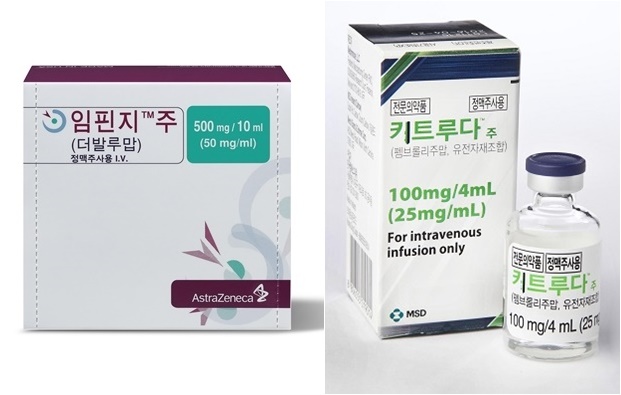
- The Cancer Disease Review Committee (CDRC) of the Health Insurance Review and Assessment Service (HIRA) is the first and most challenging hurdle in reviewing the insurance reimbursement of new anticancer drugs. A required step toward obtaining reimbursement listing, the committee has been nicknamed a "steep slope," giving many anticancer drugs a hard time. The industry faced significant challenges this year as well. New anticancer drugs from major global pharmaceuticals have been submitted for CDRC review but failed. Yet, some products passed the CDRC and successfully obtained reimbursement or expansion. Medical Time reported this year's review outcomes and next year's key news based on HIRA's CDRC documents and reporting from each pharmaceutical company. It was reported that the HIRA held nine CDRC meetings this year and discussed about the necessity of establishing reimbursement criteria for new anticancer drugs. After the meetings, the CDRC approved around 20 drugs that require establishing or expanding reimbursement criteria. If we were to pick a single treatment that gained attention from the pharmaceutical company and clinical practices, it would be immune checkpoint inhibitors. One of those immune checkpoint inhibitors is AstraZeneca's Imfinzi (durvalumab) and MSD Korea's Keytruda (pembrolizumab). These drugs have been submitted to establish reimbursement criteria for respective cancer types and have been followed to see if they will pass the CDRC review. At this year's CDRC meeting, Imfinzi passed, whereas Keytruda failed. Keytruda will need to submit again for next year's insurance reimbursement approval. In the case of Imfinzi, the drug was approved for requiring reimbursement criteria expansion for the treatment of bile duct cancer at the eighth CDRC meeting held in November. Additionally, Imfinzi's approval also led to the approval of Imjudo (tremelimumab), another treatment for bile duct cancer. Imfinzi will likely be considered for reimbursement for treating bile duct cancer and liver cancer at the Drug Reimbursement Evaluation Committee (DREC) review scheduled for next year. Despite its multiple attempts to obtain reimbursement expansion since last year, Keytruda has not succeeded. In the case of Keytruda, Keytruda has been submitted for reimbursement of almost 17 types of cancer. However, its attempt is stuck at the CDRC due to potentially involving substantial national health insurance finance. As of December 2024, Keytruda was approved for 33 indications in 17 cancer types. It has been submitted to the CDRC for insurance reimbursement of 17 indications. The company has applied for reimbursement of 13 indications. Then, it has added four additional indications, including ▲Gastric cancer with MSI-H ▲Bile duct cancer with MSI-H ▲HER2-positive gastric cancer ▲HER2-negative gastric cancer. In October, MSD Korea submitted a new proposal for financial contributions to expand reimbursement criteria for 17 indications, including gastric cancer. The company has made significant efforts this year to establish these reimbursement criteria. However, the company received a decision of 'reconsideration' for gastric cancer at the year's last CDRC meeting despite suggesting additional financial contributions. As a result, none of the 17 indications passed the CDRC hurdle this year. It has been reported that the members of CDRC were not satisfied with the additional financial sharing proposal presented by MSD Korea. The results indicate that there were more opposing opinions than supportive ones. "Although both are immune checkpoint inhibitors, the situations of Imfinzi and Keytruda are different. Imfinzi focuses on biliary tract cancer and liver cancer, while Keytruda is pushing for reimbursement expansion for 17 cancer types," a university hospital oncology professor and committee member stated. "As a result, Imfinzi's company has proposed a satisfactory financial contribution proposal, but it is challenging for Keytruda's company to present a corresponding plan due to its wide range of indications." "In other words, Imfinzi is focused on biliary tract cancer and liver cancer, where reimbursement expansion is urgently needed, and it has accepted significant financial contribution," professor added. "However, applying this standard to Keytruda, which has 17 indications, won't be easy. The last CDRC meeting only reviewed Keytruda for gastric cancer, and it seems there were more negative opinions about the financial contribution proposal." Additionally, the focus of CDRC discussions in the second half of this year has been on new drugs for blood cancers. This change is related to the recent introduction of bispecific antibody-based therapies for blood cancer in the Korean market, with their active pursuit for committee approval starting at the end of this year. Bispecific antibody drugs indicated for treating blood cancers include ▲Roche's Lunsumio (mosunetuzumab), Columvi (glofitamab) ▲Janssen's Rybrevant (amivantamab), Tecvayli (teclistamab), Talvey (talquetamab) ▲AbbVie's Epkinly (epcoritamab) ▲Pfizer's Elrexfio (elranatamab). Seven drugs received approval in South Korea. Among these, Roche's Columvi, AbbVie's Epkinly, and Janssen's Tecvayli have been submitted for the DREC review. Columvi and Epkinly are treatments for Diffuse Large B-Cell Lymphoma (DLBCL), a type of blood cancer. Tecvayli is a treatment for multiple myeloma. These drugs have been submitted to the DREC review but failed. They all received 'unestablished reimbursement criteria' decision and were not given 'reconsideration.' Consequently, the companies accepted the review result as equivalent to failure. In the case of Columvi, Roche Korea pushed to pass the CDRC this year but failed to establish reimbursement criteria at the CDRC meetings held in July and December. Even the patient organizations have joined the pursuit of requesting the establishment of reimbursement criteria but failed, delaying another attempt next year. Epkinly, which has the same indication as Columvi, was reviewed during this year's final CDRC meeting. However, the decision not to establish reimbursement criteria indicated a challenging reevaluation process ahead. This is the current landscape of bispecific antibody-based therapies held by global pharmaceutical companies. These therapies will become a key focus in next year's CDRC discussions. The discussions on blood cancer treatments may become a key issue depending on the results of next year's meetings. There are increasing demands from clinical fields for the reimbursement of these therapies. Additionally, as discussions surrounding reimbursement for blood cancer treatments intensify, there is an increasing demand for establishing a dedicated discussion body led by the Korean Society of Hematology to address these issues with the HIRA. In response to the growing prevalence of high-cost blood cancer treatments, HIRA expanded the CDRC this year, adding two hematology experts to the panel, now comprising nine members. This move is a response to the rapid introduction of innovative blood cancer therapies by global pharmaceutical companies and the increasing demand for their reimbursement. By incorporating more expert opinions, HIRA aims to enhance discussions surrounding the reimbursement of blood cancer therapies, ensuring that the concerns of clinicians specializing in hematology are better represented. However, clinical practices responsible for treating blood cancer are unsatisfied with the HIRA's decisions. "Two additional blood cancer experts were indeed appointed during the reorganization of the 10th CDRC members. Seven blood cancer experts are on the committee, including one from HIRA, while the remaining six are from university hospitals," Seok Jin Kim, Chair of the Korean Society of Hematology and a hematology-oncology specialist at Samsung Medical Center, stated. Professor Kim pointed out that "Over the past two years, 36 new blood cancer therapies have undergone review, compared to 58 new solid tumor therapies discussed during the same period. Out of the 43 members of the CDRC, only 5.5 members can be considered experts in blood cancer. This composition may not be adequate for evaluating blood cancer cases properly."
- Company
- Oral contraceptive market expands
- by Whang, byung-woo Dec 23, 2024 04:19pm
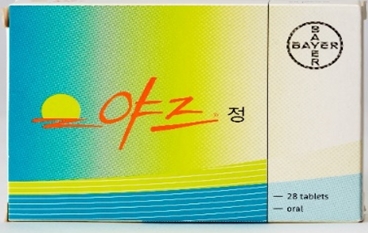
- As the oral contraceptive market expands, Yaz seems to maintain its market share despite the introduction of generics. According to a report by global market research firm Research and Markets, the global oral contraceptive market is expected to grow from approximately KRW 33.8 trillion (USD 23.6 billion) in 2023 to around KRW 67.3 trillion (USD 47.1 billion) by 2028. Product photo of Yaz.The South Korean market also shows a consistent growth rate, similar to the global trend, with a market size of approximately KRW 42 billion in 2023, encompassing both prescription drugs and over-the-counter drugs. Contraceptives, which contain hormones such as estrogen and progesterone, are classified into four generations. The first-generation drugs have been withdrawn from the market due to side effects. Second- and third-generation oral contraceptives are available as over-the-counter medications and are distributed through pharmacies. The third-generation contraceptives minimize the side effects of the second-generation, such as acne, hirsutism, and weight gain. Bayer's Yaz (drospirenone/ethinyl estradiol) has the largest market share. In 2023 (based on IQVIA), the sales of Yaz amounted to KRW 17.4 billion, holding 41% of the market share and remaining as the No.1 drug in the market. After obtaining domestic approval in 2008, Yaz has been increasingly prescribed over the past 15 years. Contrary to expectations for heightened competition following the patent expiration of Yaz in 2020, it is meaningful that Yaz has maintained its status as the market leader. 5-year sales trend of Bayer The five-year sales of Yaz amounted to ▲KRW 14.4 billion in 2019 ▲KRW 15.9 billion in 2020 ▲peaked at KRW 19.8 billion in 2021, and slightly decreased to KRW 17.5 billion in 2022. Although the sales declined due to the introduction of generics, the original product seems to maintain its impact in the market. Currently, generic versions of Yaz are available as ▲Hyundai Pharm's Yaroz ▲GL Pharma's Plan-A ▲Alvogen Korea's Gvez ▲TheU Pharmaceuticals' Yamiz ▲Kwang-dong Pharm's Esleesi. Besides Yaroz generating KRW 2.1 billion last year, the rest of the generics have not had a significant impact in the market. The analysis is Yaz's impact stems from being the fourth-generation original oral contraceptive as well as having indications for various menstruation-related conditions, such as ▲dysmenorrhea ▲premenstrual dysphoric disorder, and ▲moderate acne treatment. 2023 sales report of Yaz and Yaz generics: from the top, Yaz, Yaroz, Plan-A, Gvez (unit: KRW 100 million, source: IQVIA). The number of patients with menstruation-related conditions in South Korea has been steadily increasing over the past five years. Dysmenorrhea showed an increase of approximately 85% (162,020 in 2017→299,115 in 2022), while premenstrual dysphoric disorder (PMDD) increased by approximately 34% (11,442 in 2017→15,296 in 2022). Regarding this, Bayer emphasizes that they have obtained results of Yaz from real-world studies involving 410 patients with dysmenorrhea. This study demonstrated that short-term and long-term administration of Yaz immediately relieved pain and symptoms and recovered endometrial thickness to normal. Additionally, in a real-world study conducted at 68 domestic hospitals involving 770 healthy women aged 18–50 who visited gynecologists for contraception regardless of premenstrual dysphoric disorder status, 92.3% of participants reported an improvement in premenstrual dysphoric disorder symptoms after six cycles of treatment with Yaz. Expert analysis indicates that real-world data (RWD) from various studies have impacted the prescription of the drug, considering that the contraception and menstruation-related diseases require long-term administration. "Menstruation diseases, such as dysmenorrhea, significantly impact women's lives, and the disease prevalence rate is increasing, requiring more attention to treatments," Dr. Yun Bo Hyun, Professor of Severance Hospital's Department of Obstetrics and Gynecology, said. "The disease requires long-term and frequent treatments. When choosing a treatment option, patients' conditions must be considered for potential incompatibility in combining oral contraceptives." Dr. Yun added, "Yaz has 15 years of prescription history in South Korea, and it is a treatment option with confirmed benefits of improving symptoms related to menstrual diseases and established safety based on numerous studies."

- Company
- Multidisciplinary approach required for urothelial carcinoma
- by Whang, byung-woo Dec 23, 2024 05:50am
- New drugs, such as immunotherapy, have been introduced as the first-line treatment for urothelial carcinoma, which was primarily treated with platinum-based chemotherapies. The treatment landscape for the disease is constantly evolving. As more treatment options became available, doctors are now discussing the optimal treatment for each disease stage to establish the standard therapy. Discussions about being made about curative intent, in other words remission, in the long term. Dr. Enrique Grande, professor at MD Anderson Cancer Center Madrid, and Dr. In-ho Kim, professor at Seoul St. Mary's Hospital, have discussed the treatment landscape and unmet needs of urothelial carcinoma. (From left) Dr. In-ho Kim, professor at Seoul St. Mary's Hospital and Dr. Enrique Grande, professor at MD Anderson Cancer Center Madrid Urothelial carcinoma (UC) is a type of cancer that begins in the epithelial cells lining the urinary tract and accounts for approximately 90% of all bladder cancer diagnoses, making it the most common form of bladder cancer. Unlike other cancer types, such as lung and breast cancer, where the introduction of new drugs has rapidly transformed first-line standard treatments, UC has historically been viewed as a challenging area for anti-cancer drug development, with substantial unmet needs for first-line treatment options. "The treatment landscape has been changing in the past few years. The treatments are now targeting various types of patients, including metastatic UC patients and management of surgical cycles for patients with muscle-invasive bladder cancer (MIBC)," Dr. Grande said. "The maintenance treatment Bavencio plays a significant role in the UC treatment landscape in South Korea," Dr. Kim said. "The enfortumab vedotin+pembrolizumab combination therapy and nivolumab+gemcitabine+cisplatin combination therapy have been approved as first-line treatments in South Korea, offering various treatment options for patients with UC." Additionally, significant advancements in the field have been made, including the approval of therapies such as enfortumab vedotin monotherapy and erdafitinib monotherapy for second-line or later treatments in South Korea. The first-line maintenance treatment Bavencio continues to generate sales…"Expected to play a significant role in South Korea" How are these various options utilized in clinical practice? Dr. Grande emphasizes that patients prioritize achieving treatment effects and improving their quality of life. "Patients with UC are typically heavy smokers in their 60s to 70s with accompanying chronic diseases, and the cancer is often detected before extensive metastasis has occurred," Dr. Grande said. "Treatment begins with chemotherapy to achieve therapeutic efficacy while maintaining quality of life, followed by first-line maintenance therapy options like Bavencio." Dr. Grande stressed the importance of using safe, low-toxicity treatments over long-term use, allowing patients to maintain their quality of life while receiving treatment safely. While the number of available treatment options in South Korea has increased, Bavencio as a first-line maintenance therapy still plays a critical role when considering the reimbursement in practices. Dr. Enrique Grande, professor at MD Anderson Cancer Center Madrid"Many options have been introduced to the treatment landscape for UC. However, in South Korea, Bavencio maintenance therapy continues to play a crucial role and is expected to remain a key option for a significant period," Dr. Kim said. "Bavencio is currently the only reimbursed first-line maintenance therapy option for UC in South Korea." In fact, Bavencio's data has been accumulating. Bavencio's company presented the SPADE study at ESMO Asia earlier this December, reaffirming the drug's efficacy and safety as a first-line maintenance therapy for patients with locally advanced or metastatic UC. The SPADE study is the first prospective study to evaluate the efficacy of Bavencio as a first-line maintenance therapy in the Asia-Pacific (APAC) region. Interim analysis results showed that at the 12-month final follow-up, 61 patients (67.0%) who received first-line chemotherapy treatment proceeded to Bavencio first-line maintenance therapy. Additionally, 72% of patients who received Bavencio maintenance therapy subsequently received second-line treatments. Additionally, the Bavencio study demonstrated safety through global clinical trials, showing a low incidence of adverse events during the treatment period and extending the quality-adjusted time without symptoms or toxicity (Quality-TWIST) to more than double compared to best supportive care (BSC). "A comparison between Bavencio combination therapy and optimal supportive care revealed no significant difference in the quality of life between the BSC and Bavencio combination therapy groups. These outcomes show an excellent tolerability profile for Bavencio maintenance therapy," Dr. Grande said. "Although the results were from a subgroup analysis, Bavencio as a first-line maintenance therapy used for one or two years has demonstrated significant clinical survival benefits," Dr. Grande remarked. "The proportion of patients who die within a short period is less than 10–20%, making the continuation of Bavencio as a first-line maintenance therapy after chemotherapy the optimal scenario." "Various changes to treatment options for UC…curative intent approach must be discussed" A common concern among UC treatment experts is identifying the characteristics of patient groups capable of achieving long-term survival. Dr. Kim highlighted the importance of considering both an individual’s health status and their socioeconomic environment. Dr. Kim stated that simplifying treatment sequences could improve patient tolerability rather than repeatedly administering multiple therapies over an extended period. Dr. In-ho Kim, professor at Seoul St. MaryDr. Kim said, "Palliative treatments aimed at prolonging life are important, and there are instances where patients achieve a cure while receiving maintenance therapy with treatments such as Bavencio." Adding, "I believe that for urothelial carcinoma to ultimately achieve the goal of curing cancer, the field of curative treatment must advance further." "In the current treatment landscape for UC, various novel therapies and combination regimens with different mechanisms are being introduced. However, we need more time to observe the real-world clinical effects of these newly introduced treatment options," Dr. Kim said. Additionally, Dr. Grande highlighted the importance of biomarker studies and multidisciplinary approaches to seek optimal treatment options. "We hope to establish a biomarker that can be utilized across treatment planning to surgical cycles and be used towards practices. There are many factors to consider when treating patients. A multidisciplinary approach involving urology, medical oncology, radiology, and nuclear medicine is essential," Dr. Grande remarked.
- Policy
- Original 'Otezla' withdraws, whereas 5 generics get listed
- by Lee, Tak-Sun Dec 23, 2024 05:50am
- Dong-A ST Generics to Otezla (apremilast, Amgen), which is used to treat psoriatic arthritis and psoriasis, will be reimbursed starting January 2025. The ceiling price has been set as KRW 5,840 per tablet. According to industry sources on December 20, Dong-A ST's 'Otelia,' Daeowoong Pharmaceutical's 'Apsola,' Chong Kun Dang's 'Otebell,' Dongkoo Bio's 'Otemila,' and Hanlim Pharm's 'Psopre Tab' as two tablets per package will all be listed for reimbursement. The ceiling price has been set as KRW 5,840 per tablet. The 27-tablet package will cost KRW 141,328. The drug prices are the same for all five companies. Otezla received approval from the Ministry of Food and Drug Safety (MFDS) in South Korea in November 2017. However, the company withdrew from the Korean market due to difficulty listing the drug for reimbursement. Amgen voluntarily withdrew approval in June 2022. The original has not been reimbursement listed. Yet, recognizing apremilast's superior effectiveness and marketability, Korean pharmaceutical companies have been putting efforts into registering the drug in the reimbursement market ahead of the original drug. Pharmaceutical companies with generics successfully avoided two cases of active ingredient patents registered in South Korea. They have successfully overcome the patent challenge by signing an agreement with Amgen for the remaining usage patent. Based on these outcomes, they received approval from the MFDS in April. The Drug Reimbursement Evaluation Committee (DREC) review held in October ruled that medicines would be appropriate for reimbursement coverage if the company accepted the drug price below the evaluated amount. Analysis suggests that relevant pharmaceutical companies have accepted the drug price below the evaluated amount and proceeded with the negotiation phase with the NHIS. Considering that the negotiation has been completed early, most companies may have accepted a drug price negotiation exemption criterion when they accept the drug price below the evaluated amount. After that, the company have likely to proceed with the negotiations for the expected claim amount. Korean companies developing generics have successfully obtained reimbursement listings in the Korean market, where the original drug company withdrew. Attention has focused on how much sales they will generate. Otezla is a highly marketable product, recording No.1 in global sales among oral psoriasis treatments last year. Its global sales last year amounted to US$3.984 billion (about KRW 5.5 trillion). Whether generics will continue to generate sales in South Korea is to be followed.
- Policy
- New drug approval fees to increase next year
- by Lee, Hye-Kyung Dec 23, 2024 05:50am
- The Ministry of Food and Drug Safety has completed preparations to raise the fee for new drug approvals to KRW 410 million from January 1 next year. Since mid-October, the agency has formed the ‘Consultative Body for Discussions on New Drug Approval and Review Procedures' and completed the 'New Drug Approval and Review Business Procedures (Guidelines for Officials)' after 4 meetings. The MFDS expects the increase in new drug approval fees to be the first step towards improving the system to the level of the U.S. FDA and the European EMA. (From the left) Director Sang-Ae Park, Director Young-Joo Kim, Director Chun-Rae Kim, The MFDS press corp recently met with Director Young-Joo Kim, Head of the Pharmaceutical Approval Management Division at MFDS; Director Chung-Rae Kim, Head of the Pharmaceutical Policy Division at MFDS; and Director Sang-Ae Park, head of the Pharmaceutical Standardization Division at the National Institute of Food and Drug Safety Division to learn more about the 'Notification of Partial Amendment to the Fee Regulations for Approval of Pharmaceuticals, etc.' that was announced on the 8th of last month. The following is the Q&A transcript of the meeting. ▶ The MFDS issued an administrative notice of the proposed revision from September 9 to November 8, and in the process disclosed the business procedures for approving and reviewing new drug items. What progress has been made since then? “In October, we created a council to discuss the new drug approval process. A total of 32 people, including 8 from the Ministry of Food and Drug Safety, 6 from the Korea Pharmaceutical and Bio-Pharma Manufacturers Association, 9 from the Korean Research-based Pharmaceutical Industry Association, 3 from the Korea Pharmaceutical Traders Association, and 6 from the Korea Biomedicine Industry Association, took part in the council. Various discussions were made during the meeting, starting with a moratorium on fee hikes. After 4 meetings to collect opinions, the final guidelines were created. There was much industry input and I think we've reached something near of a consensus. The system is ready to be implemented.” ▶The KRPIA had strongly insisted on a moratorium on the fee hike last November, have you reached a consensus?. Director Young-Joo Kim “The MFDS is on a level where we can show the approval process, transparency, and predictability of advanced regulatory agencies such as the FDA and EMA. We have fully discussed concerns through the council, and the KRPIA has no objection. Procedurally, we have increased the number of face-to-face consultations and allow GMPs to be performed within 90 days, and I think this will be a step towards creating a system that can allow new drugs to be approved within 295 days. Some companies are already preparing for the increased fees. I think the KRW 410 million fee will be fully compensated by receiving approvals a month earlier.” ▶ You said that you had held 4 meetings, and it seems that the guidelines have changed somewhat after the meetings, such as the addition of a pre-registration process to provide supplementary materials to MFDS in advance during the first and second supplement request processes, and the allowance to request an explanatory meeting based on the submitted material. Director Young-Joo Kim “As you can see from the table of guideline changes, slight changes have been made to the guideline. The biggest difference from the draft is the addition of the preliminary consultation session before fee payment to increase the predictability of the approval process before paying the fee. However, pre-consultations are limited to one session per item. Instead, we added more face-to-face consultations, so that each supplementation to their application can be consulted and reviewed in advance. In the past, there were many claims on how the MFDS makes unexpected supplement requests at the last minute. The goal is to increase predictability in this area. Through prompt communication, we aim to shorten the approval period by reducing unnecessary waste of time. We plan to also further the approval process by formally recording the minutes of our meetings. In general, by improving the transparency and predictability of the new drug approval review process, we hope to bring new drugs to market sooner, making the industry more competitive and enabling a faster supply of medicines.” ▶ How does the prior consultation process work? Director Young-Joo Kim “In the case of new drugs, I think that companies that have already prepared enough data will proceed with the prior consultation session with the goal of applying for approval so that a dedicated team will be created from this stage. I can’t ensure the details as we haven't established the team yet, but the team will be decided based on which department should examine the safety, efficacy, and quality of each drug with consideration into the ingredients and efficacy, so we plan to proceed with a preliminary team dedicated to each item to allow the drugs to be approved. In the preliminary consultation stage, we will discuss the future schedule, the point of application submission, and the establishment of a dedicated team.” ▶ Are there any companies that have expressed their intention to apply for approval after the fee hike increase in January next year? Director Young-Joo Kim "We are aware of some companies that have applied for approval. We are receiving inquiries for preliminary consultation from the companies. I cannot disclose the names of the companies, but there are several domestic and multinational pharmaceutical companies that have expressed their intention to apply for approval.” ▶You are aiming for 295 calendar days from application to approval. Do you think this can be achieved? Director Young-Joo Kim “If there is a delay in the preparation of supplementary data, the period may exceed 295 days. This means that the term can be extended by the length of the extension period. However, we have created a lot of consultation processes to shorten the time for the companies’ supplement preparation. The goal is to shorten the time between the company preparing the supplementary data and the MFDS’s review of it as much as possible through consultation. Frequent communication with companies is expected to reduce the number of supplement requests and time consumption. It will be an opportunity to advance our system forward to a global-level review system.” ▶I understand that you are recruiting specialized reviewers for new drug approvals Director Sang-Ae Park “We have been recruiting reviewers from the 13th to the 22nd. We are hiring reviewers as soon as possible and plan to finalize the recruitment process by January. We have actively promoted our recruitment through various channels such as college of pharmacies, academic societies, and social media.” ▶ I understand that the reviewers hired this time do not include doctors. It seems that physician reviewers will also be needed. Director Chung-Rae Kim "This recruitment was made to recruit highly competent reviewers to add to our existing workforce. We opened the recruitment process to meet the need to increase the number of reviewers, and we will continue to recruit doctors and other experts periodically over the next year after completing the transition of the first- and second-level personnel. In addition, once the revision of the fee notification is finalized, we will increase the overall salary of our reviewers.” ▶ There will be some items that apply for approval in Korea for the first time, even before the FDA and EMA. Do you think the MFDS owns the capacity to approve them in 295 days? Director Chung-Rae Kim "Korea was listed on the WLA last year and is a member of ICH. I think we should believe that the competence of our reviewers stands at a global level. If there is a shortcoming of the MFDS, it is in the difficulty of recruiting human resources. Even if the new drug is first to come to Korea, I think it will be possible to approve it if the manpower is reasonably replenished along with the fee increase and the number of highly competent reviewers is filled.” Director Sang-Ae Park "I would like to emphasize that the increase in the new drug approval fee is just the start of our challenge. This is just the beginning. I don't think we can reach the FDA's review level in a short period of time, but we believe it is significant that the challenge has begun.”
- Company
- Takeda's Firazyr reimbursable up to four doses per Rx
- by Whang, byung-woo Dec 23, 2024 05:49am
- Product photo of Firazyr Takeda Pharmaceuticals Korea announced on December 19 that the National Health Insurance reimbursement coverage for Firazyr (ingredient: icatibant acetate), a treatment for acute attacks of hereditary angioedema (HAE), has been expanded to up to four doses per prescription starting this December. According to partial revisions to the 'Coverage and Scope of Benefits (Pharmaceuticals),' as notified by the Ministry of Health and Welfare (MOHW), reimbursement coverage for Firazyr has been expanded from two to up to four doses per prescription. According to the revised criteria, patients with a history of at least three self-administrations who, in the past three months, have experienced ▲Either one or more acute attacks per month or ▲Required additional doses for an acute attack, are now eligible for reimbursement for up to four doses per prescription. Firazyr was approved in South Korea in June 2014 and has been reimbursed for adult patients since September 2018. In July 2019, the eligible age group was expanded to include pediatric patients aged two years and older, establishing a basis for quick response during emergencies across various age groups. Since March 2021, reimbursement for up to two doses per prescription has been implemented, allowing patients to better prepare for additional acute attacks. This recent reimbursement expansion reflects the need to address the limitations of previous reimbursement of up to two doses per prescription and improve treatment accessibility for HAE patients in Korea, considering the unpredictable onset and severity of acute swelling episodes. HAE patients often hesitated to use medication during initial acute swelling symptoms due to concerns about depleting their remaining treatment supply, resulting in repeated delays in addressing acute episodes. This status conflicted with international treatment guidelines, which recommend 'prompt treatment at the onset of acute swelling symptoms.' Both patients and healthcare professionals have consistently emphasized the need for improvements in the timeliness and safety of HAE disease management. In response, the Ministry of Health and Welfare and the Health Insurance Review and Assessment Service reviewed textbooks, clinical guidelines, and expert opinions comprehensively and decided to expand reimbursement for Firazyr to cover up to four doses per prescription for patients experiencing frequent acute swelling episodes or requiring additional doses. This measure has been implemented three years and nine months after the reimbursement of up to two doses per prescription. Analysis suggests that it is part of Takeda Pharmaceutical Korea's effort to provide a stable treatment environment for patients with hereditary HAE and solve unmet healthcare needs. "Expanded scope of reimbursement for Firazyr will strengthen treatment access to patients with HAE in South Korea. It is an important improvement implementing the recommendations by the international treatment guidelines," Kim Na-kyung, Takeda Korea Rare Disease Business Unit Head, said. "We are pleased to provide a stable treatment environment to patients who experience anxiety and risks associated with acute attacks due to HAE."
- Policy
- Daewoong to replace Astellas Irribow’s gap
- by Lee, Hye-Kyung Dec 23, 2024 05:49am
- Daewoong Pharmaceutical has filled the gap for Astellas Korea’s diarrhea-type irritable bowel syndrome treatment Irribow (ramosetron hydrochloride), which was discontinued in February this year. The Ministry of Food and Drug Safety approved Daewoong Pharmaceutical's Irricol Tab 2.5㎍ (ramosetron hydrochloride) on the 20th. This follows Daewoong receiving approval for the lower dose of Irricol Tab 5㎍ on May 31, filling the gap left by Irribow’s absence. There are 23 items approved for ramosetron hydrochloride in Korea, but except for Irricol, all of them have indications only for the prevention of digestive symptoms (nausea, vomiting) caused by the administration of anticancer drugs. Until last year, Irribow was the only ramosetron hydrochloride-based formulation for the treatment of diarrhea-predominant irritable bowel syndrome. However, in November last year, Astellas announced its decision to withdraw the product from Korea for business reasons and reported the discontinuation of its supply in February of this year. In the report, Astellas indicated Daewoong Pharmaceutical's Irricol as its substitute, stating, “It is unlikely that there will be a supply shortage for the treatment of IBS as sufficient alternative preparations have been identified for the treatment of patients.” According to MFDS’s production performance data, the import earnings of Irribow 5 µg and Irribow 2.5 µg in 2023 were USD 656,666 and USD 211,020, respectively. Currently, only Daewoong Pharmaceutical is licensed to treat ramosetron hydrochloride-based irritable bowel syndrome, so it is expected to be able to secure performance in place of Astellas' Irribow. Meanwhile, other than Daewoong Pharmaceutical, Pharmbio Korea is also known to have been conducting bioequivalence trials to develop a generic version of Irribow. In April, Pharmbio Korea received approval for an open, randomized, two-arm, two-period, fasting, single-dose, oral, crossover trial in healthy adult male subjects to evaluate the bioequivalence of Pharmbio Korea’s PBK-G2401 with Astellas' RPBK-G2401. PBK-G2401 is a generic version of Irribow, which is indicated for diarrhea-predominant irritable bowel syndrome.
