
- LOGIN
- MemberShip
- 2026-06-22 12:26:15
- Company
- New PAH drug Winrevair to land in KOR next year
- by Eo, Yun-Ho Dec 13, 2024 05:52am
- The new pulmonary arterial hypertension drug ‘Winrevair’ is expected to be commercialized in Korea soon. According to industry sources, MSD Korea's Winrevair (sotatercept), the world's first symptomatic treatment for pulmonary arterial hypertension, recently passed the second approval-reimbursement linkage evaluations. The drug’s formal approval is expected in 2025. Winrevair had been designated as an orphan drug by the Ministry of Food and Drug Safety in January, then designated as a Global Innovative products on Fast Track (GIFT) in April this year. In March, the US FDA approved Winrevair for the treatment of pulmonary arterial hypertension as a subcutaneous injection administered once every three weeks. Winrevair is a combination of the protein complex activin with the transforming growth factor TGF-β. It works by blocking abnormal signaling between pulmonary vascular cells to reverse disease progression. Pulmonary arterial hypertension is a condition in which the blood vessels in the lungs narrow, causing high pulmonary blood pressure, which leads to heart failure. In Korea, about half of patients die within 5 years. More than 10 drugs have been approved in the area, including phosphodiesterase-5 inhibitors and endothelin receptor antagonists, but many patients suffer from severe symptoms despite using 2 to 3 drug combinations. In Phase III STELLAR study, sotatercept demonstrated efficacy over placebo. In the trial, patients were randomized 1:1 to sotatercept or placebo to assess the efficacy and safety of the drug. Results showed that sotatercept increased the 6-minute walk distance (6MWD), the primary endpoint, by 40.1 meters compared to a 1.4-meter decrease found with placebo over the same period. 38.9% of patients that used sotatercept met the secondary composite endpoint, which included an improvement of 30 meters or more in the 6-minute walking test. This was 4 times longer than that of the 10.1% in the placebo group.
- Opinion
- [Reporter's view] What corporates expect from entering pharm
- by Dec 13, 2024 05:52am
- Denmark's Novo Nordisk, the maker of the obesity drug 'Wegovy,' became Europe's No.1 in market capitalization in September last year. It topped France's luxury goods group LVMH Moët Hennessy Louis Vuitton SE (LVMH). At that time, Novo Nordisk's market cap was approximately KRW 790 trillion, exceeding Denmark's gross domestic product (GDP) last year. In other words, 'a well-brought-up new drug' is feeding the country. Because the pharmaceutical industry is difficult to enter, it could be a source of stable economic growth. Based on 'The Fortune 500,' American business magazine Fortune's annual ranking of the world's 500 largest companies, a big difference exits between the top 20s in the 2000s and those in the 2020s. In contrast, there is no change between the top 20 ranking of the big pharma in the 2000s and 2020s. It means that well-established pharmaceutical business is likely to be a key business that could be a foundation of the country's economy. A government provides significant support for the country's future income source. However, government-led support is not enough for the pharmaceutical business. New drug development has uncertainty in nature. This area requires concentrated investment, but it is challenging for a government or a public authority to concentrate funds on a particular company. The pharmaceutical industry is different from the government's strategically supported electronics·heavy·chemistry·steel manufacture· ·auto industries. Therefore, it is good news that Korean conglomerates are entering the pharmaceutical industry. As HD Hyundai jumps into launching a new drug development business, eight out of 10 top Korean companies have entered the pharmaceutical business, excluding Hyundai Motor Company and Posco. In addition to early starters, Samsung, SK Corp, LG Corp, Lotte Corp, GS Corp, and CJ Corp have joined the industry lately. Besides these companies, Orion Corp and OCI Company have selected the pharmaceutical business as their new growth engines. Conglomerates have the advantage in running a pharmaceutical business in their cash power. Conglomerates can initiate a large-scale investment based on their proprietary cash source. A parent company with a stable financial structure can act as a supplier of liquidity to its subsidiary running a pharmaceutical business. For instance, Lotte Biologics procured KRW 900 billion at once through utilizing a debt guarantee from Lotte proprietor. Of course, success in the pharmaceutical industry cannot be achieved merely through funding. The numerous failures encountered by Korean conglomerates in the past support this claim. Hanwha Group and Amorepacific Corporation had jumped into the medicine business but withdrew from the market after failures. Lotte and CJ, who recently entered the biotech industry, have already experienced bitterness. However, a different approach can be observed by looking into the paths of conglomerates entering the pharmaceutical industry lately. In the past, conglomerates focusing on short-term accomplishments were pointed out as one of the reasons for their failure. Analysis suggests that the market entry strategy became more precise. For instance, HD Hyundai is reported to have prepared for a new drug business under the water after establishing AMC Bio three years ago. Group owners leading the pharmaceutical business are drawing attention. SK Corp, Lotte Corp, Orion, HD Hyundai, and GS Corp have positioned their owners who are undergoing owner business takeover to the pharmaceutical business. Given the high risk of the field and the difficulty in achieving short-term results, strong ownership is expected to influence ongoing investment in the business positively. It has been reported that South Korea will no longer depend on the semiconductor market. The pharmaceutical industry may be a new growth power to the country's growth. Besides being rationed for saving humankind, the pharmaceutical industry is practically a nationwide project that must succeed for the country's future. We wish the best for Korean conglomerates that have experienced multiple failures to achieve success shortly.

- InterView
- ‘New start at a law firm…will become a trusted expert’
- by Kim, Jin-Gu Dec 13, 2024 05:52am
- Expert Advisors Jung-Eun Kim (left) and Sol Kim (right) recently joined Shin & Kim The role of law firms has greatly expanded in the pharmaceutical bio and healthcare sectors recently. Whereas law firms used to provide piecemeal legal services in the past, law firms have now been providing comprehensive services over a long period of time, covering the whole course of a drug’s journey from pre-approval to reimbursement. As such, many talents in the pharma and biotech industry have been heading to law firms. This is the case with Sol Kim(35) and Jung-Eun Kim (34), who joined Shin & Kim's Healthcare team this year. “I want to become a trusted expert for the clients,” they said. Expert advisors from pharmaceutical companies and HIRA joint Shin&Kim Healthcare Team Sol Kim and Jung-Eun Kim Kim joined Shin & Kim's Healthcare Team in June and September of this year, respectively. Sol Kim was previously in charge of insurance drug pricing at the Korean subsidiaries of multinational pharmaceutical companies such as Pfizer Korea, AstraZeneca Korea, and BMS Korea. Before joining the firm, Jung-Eun Kim worked for over 6 years at the Health Insurance Review and Assessment Service, where she was responsible for evaluating drug reimbursement adequacy. The two pointed to the scope of their work as the biggest difference between their new jobs at the law firm. Whereas in their previous jobs, they were able to delve deeply into a relatively narrow scope of work, they said, their work at law firms requires them to be creative across a much wider range of areas. “The scope of collaboration is much larger at the firm, so you can be creative without being limited to a specific area,” says Sol Kim. ”In the past, when working in government affairs, I used to wonder about the government’s perspective. Here, there are many lawyers, advisors, and expert advisors from government and public organizations, which is very helpful.” For Jung-Eun Kim, a former HIRA member, the change is even greater. “When I was in HIRA, I only looked at the drugs I was in charge of. Here, I experience everything that happens before a drug enters the insurance landscape. I didn't realize how much work goes into the process, and it has broadened my perspective.” Deciding to join a law firm took a lot of thought...“The value of working for the patients remains constant” Both advisors had many concerns before joining the law firm. They explained how they contemplated the role of law firms in the pharma-bio-healthcare sector, why they wanted to join a law firm, and what they could do at a law firm. “No matter where you work, you work for patients,” was the conclusion made by both advisors. In addition, having the opportunity to be more proactively involved in pharmaceutical affairs in a much broader scope at a law firm was attractive. “I thought a lot about what I could do in a law firm,” said Sol Kim. ”After thinking about it, I concluded that it doesn't matter where you work, in drug pricing or others, as you’re still working for patients, and I think there's a lot more you can do in a law firm as Korea’s reimbursement regulations are becoming more and more demanding.” Jung-Eun Kim also said, “At HIRA, I was in charge of objectively looking at drug prices based on pharmacoeconomic evaluation results. Rather than just imposing price cuts, I had been reviewing the appropriate price. The same is true here. As the drugs come into our country the exchange rate changes. The same applies here, in that we want to make sure that these drugs come into Korea and are available to patients at the right price.” “Will become an ‘expert’ who trusts clients...will grow together with Shin & Kim's Healthcare Team” Both members emphasized their desire to grow with Shin & Kim’s Healthcare Team. With the addition of the 2 members, Shin & Kim's Healthcare Team has grown to over 30 people. The team is led by Sung Tae Kim, a former lawyer at the Ministry of Health and Welfare, and includes a number of people who have worked at the Ministry of Health Welfare, Ministry of Food and Drug Safety, Health Insurance Review and Assessment Service, and pharmaceutical and biotech companies. Jung-Eun Kim said, “Not only HIRA, but MOHW is also in charge of drug pricing based on the enforcement and implementation rules stipulated by law. This means that interpreting the law is a very important point. It is very helpful to have lawyers in the same space. In addition, the other experts and advisors provide different perspectives.” “I joined here as an expert advisor,” said Jung-Eun Kim, ”so I want to be true to my position and serve as an expert that clients can trust.” “I think the role of law firms is becoming more important as regulations related to drug prices are becoming more and more stringent,” said Sol Kim. ”As a former pharmaceutical industry member, I aim to become an expert who can better understand the needs of pharmaceutical companies and act as a bridge between pharmaceutical companies and law firms.”
- Company
- "Confirmed long-term Tx effects of Camzyos…new oHCM Tx"
- by Son, Hyung Min Dec 13, 2024 05:51am
- Dr. Neal K. Lakdawala, Professor at Brigham and Women "In a clinical study spanning three years, Camzyos has demonstrated consistent patient symptom management and safety in many patients with obstructive hypertrophic cardiomyopathy (oHCM). Given its proven efficacy in long-term treatment, it is expected that many patients with oHCM can significantly improve their quality of life through this treatment without the need for surgical treatment." During a recent meeting with Daily Pharm, Dr. Neal K. Lakdawala, Professor at Brigham and Women's Hospital in the United States, remarked on 'Camzyos,' a first-in-class targeted treatment option for obstructive hypertrophic cardiomyopathy (oHCM), as above oHCM is a type of hypertrophic cardiomyopathy (HCM) characterized by abnormal heart muscle thickening, primarily in the left ventricle. This condition obstructs blood flow and impairs heart function. Common symptoms include shortness of breath, chest pain, and fainting, and it can lead to complications such as heart failure, atrial fibrillation, and even sudden cardiac death. Until now, treatment methods besides surgical treatment because no treatments could directly target pathophysiological causes of oHCM. While unmet needs for oHCM have been high, the introduction of Camzyos as the first treatment targeting the pathophysiology of the disease has opened the gate for new treatment options. Camzyos is a treatment for oHCM that reduces excessive cross-bridge formation between actin and myosin in the heart muscle, which is the underlying cause of the condition. This mechanism helps relax the overly contracted heart muscle. Additionally, the therapy has demonstrated myocardial remodeling effects, improving not only the function of the heart but also its structural integrity. Camzyos can be reimbursed with the national health insurance starting this month in South Korea. Now, Korean patients with oHCM can use targeted treatment options besides the option of surgical treatment. Dr. Lakdawala remarked that Camzyos could change the treatment paradigm for oHCM since the drug's efficacy and safety were demonstrated not only in clinical trials for approval but also in long-term administration studies. Camzyos demonstrates consistent effectiveness in long-term administration studies In the EXPLORER-HCM trial, which was the basis for approval, Camzyos demonstrated significant improvement in the primary endpoint, which assessed both symptom severity (NYHA class) and exercise capacity (pVO2), compared to the placebo group. Camzyos continues to establish additional evidence for its long-term safety and efficacy. At the European Society of Cardiology annual congress (ESC 2024) in September, results from the MAVA-LTE clinical study evaluating Camzyos' long-term effects and safety were unveiled. Interim results showed that at week 180 of treatment, 66.3% of patients achieved NYHA Class I, with 46.8% demonstrating a complete response (NYHA Class I+Valsalva LVOT pressure gradient of ≤30 mmHg). The NYHA classification system, established by the New York Heart Association, evaluates the extent of symptoms and activity limitations in patients. Additionally, N-terminal pro-brain natriuretic peptide (NT-proBNP) levels decreased by 81% from baseline at week 180, with 53.8% of patients reaching normal NT-proBNP levels. NT-proBNP serves as a biomarker for assessing heart failure severity and prognosis, often elevated under conditions of excessive myocardial stress or stretch in heart failure patients. The EQ-5D-5L score, which assesses health-related quality of life, showed improvement, indicating better subjective health perceptions among patients. "Camzyos' long-term data, confirmed through the MAVA-LTE study, shows the positive potential of the drug. Patients' symptoms have been consistently maintained well during 3 years of long-term study, and the safety profile has also been consistent," Dr. Lakdawala emphasized. "In fact, the number of patients choosing to undergo surgical treatments is declining after the introduction of Camzyos. The Real-World Data of Camzyos confirmed in clinical practices show an equivalent level of effectiveness and safety profile to results demonstrated in previous clinical studies," Dr. Lakdawala added. "Although the outcomes may vary depending on individual's pathophysiology, most patients undergone Camzyos treatments also have significantly improved symptoms or show much improved responses." "Camzyos' myocardial remodeling effect, which improves cardiac function and structure, has gained most attention since the early EXPLORER-HCM study," Dr. Lakdawala stated. "The study results showed significant reductions in key indicators of cardiac hypertrophy in HCM, such as left ventricular wall thickness and left ventricular mass, following Camzyos treatment. These changes were observed as early as 24 to 30 weeks into the treatment and were sustained over the long-term treatment period," he added. Despite the introduction of targeted treatment option..undiagnozed patients↑ Despite the recent introduction of targeted treatment option, diagnosing oHCM is still challenging. According to Dr. Lakdawala, many cardiomyopathy patients often adapt to their long-standing symptoms, and they fail to recognize their condition. Typically, as symptoms gradually restrict physical activity, patients adjust to a limited lifestyle and forget that their health status is not normal. Dr. Lakdawala explained that many patients only realize that HCM caused their past symptoms after receiving a diagnosis and experiencing improvement following treatment. "The issue of undiagnosed HCM is one of the major global challenges today. To address this issue, it is crucial to educate cardiology healthcare providers through multiple channels to help them understand that patients’ symptoms may be associated with this condition," Dr. Lakdawala emphasized. "When there is a thickening of the left ventricular wall, it is important not to simply attribute it to secondary effects of hypertension or overlook the severity of the condition. Additionally, the lack of appropriate imaging diagnostics, which often leads to missed diagnoses of HCM, is another critical issue that must be resolved," he stressed. With the introduction of Camzyos, patients' left ventricular outflow obstruction and related symptoms can be improved by taking an oral drug once a day. While surgical treatment is still necessary for some patients, most are expressing satisfaction that their symptoms can be effectively managed through oral medication alone, according to Dr. Lakdawala. "Recent guidelines for HCM in the United States and Europe prioritize a patient-centered approach above all," he stated. "These guidelines focus on symptom management as the primary goal and emphasize expanding treatment options to improve symptoms. Previously, surgical treatments like septal reduction therapy (SRT) had been the primary option. Introducing Camzyos in the guidelines provided a new option, expanding patients' treatment choices." Dr. Lakdawala added, "In the past, HCM patients were often prohibited or restricted from engaging in physical activity. However, recent studies have confirmed that appropriate levels of exercise are safe for these patients. Based on this evidence, we are gradually relaxing guidelines to permit regular exercise and moderate physical activity, while continually seeking ways to enhance the quality of life for patients with HCM."
- Policy
- Martial law impacts the launch of the Pharma-Bio Committee
- by Lee, Jeong-Hwan Dec 13, 2024 05:51am
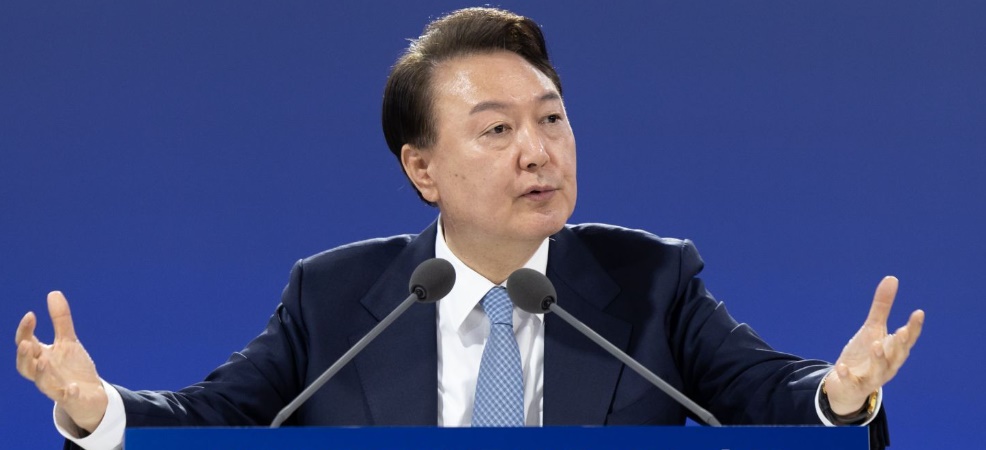
- The National Bio Committee directly under the President, which was scheduled to be launched this month, has been disrupted by President Suk-Yeol Yoon’s declaration of emergency martial law. As the National Assembly is in the early stages of voting on an impeachment bill against President Suk-Yeol Yoon, who was supposed to chair the committee, the establishment of the National Pharmaceutical and Biotech Control Tower is at risk of being canceled. According to the Ministry of Health and Welfare on the 10th, the first meeting of the National Bio Committee, originally scheduled for sometime this month, has been postponed indefinitely. The MOHW explained that it has not received a specific date for the launch of the committee nor a date for its future launch. The National Bio Committee, a body directly under the president, is responsible for deliberating on policies such as R&D and approval in the pharmaceutical and biotech sectors. The Ministry of Science and ICT, the Ministry of Health and Welfare, and the Ministry of Trade, Industry, and Energy, all of which are related to the industry, have been jointly preparing for its launch. Sang-Yeop Lee, Vice President of the Korea Advanced Institute of Science and Technology (KAIST), was internally designated as the Civilian Vice Chairman, and more than 20 bio experts in the field of biotechnology, including Bit-nae-ri Kim, Director at the Institute for Basic Science, Han-Seung Ko, head of Samsung Electronics' Future Business Planning Division, and Young-Tae Kim, President of Seoul National University Hospital, were scheduled to participate as civilian committee members. In particular, the controversial inclusion of a global pharmaceutical company executive among the civilian members has stirred up controversy, and the confusion surrounding the Bio Committee grew greater with the rise of the impeachment situation due to President Yoon's declaration of martial law. The government's plans to become one of the top five global bio powerhouses and create blockbuster national drugs have been compromised. In the midst of the state of impeachment, President Yoon has stated that he will leave his term and stabilization plan to his party, and the opposition party has stated that they will repeat the impeachment vote every Saturday, virtually halting all schedules for the National Bio Committee. The pharma and biotech industry has expressed regret that the martial law and impeachment aftermath has unexpectedly shaken the establishment of the Bio Committee. “There were concerns that the National Bio Committee, directly under the president, would overlap with the Bio Health Innovation Committee, an organization directly under the prime minister, but the pharmaceutical industry still had high expectations,” said a pharmaceutical industry official. ”We do not expect the Bio Committee, chaired by the president, to be able to play its role in the situation where the impeachment bill is presented in the National Assembly.” “We have effectively lost one window to directly appeal to the president for policies to strengthen state support for domestic pharmaceutical companies aiming to develop global new drugs,” the official said, adding, ”It is the hope of the pharmaceutical industry to wait for the political turmoil to be cleared up quickly and for the committee's launch and operation plan to materialize.
- Company
- NeuroBiogen enters into Binding Term Sheet with US Company
- by Lee, Seok-Jun Dec 12, 2024 05:50am
- Scilex Holding Company, a Nasdaq-listed company, announced that d a binding Term Sheet had been signed between NeuroBiogen, a Korean company specializing in innovative new drugs, and Scilex Bio, a controlling interest of joint venture by Scilex Holding Company on December 10th, local time. Under the terms of the agreement, Scilex Bio will be granted an exclusive worldwide license to develop and commercialize tisolagiline (KDS2010), an oral treatment for Alzheimer's disease and obesity that is in clinical development by NeuroBiogen. The collaboration will leverage NeuroBiogen’s R&D capabilities for KDS2010 and Scilex’s commercialization expertise in the central nervous system and first-line therapy. “We are currently in the process of finalizing a term sheet with Scilex for the formal agreement, and are currently negotiating the details of the agreement,” said a NeuroBiogen representative. NeuroBiogen has successfully completed a Phase I clinical trial on KDS2010 for Alzheimer's disease and obesity and is conducting a Phase II trial. Meanwhile, Scilex, which was founded in 2011, is a leading research and development company for CNS-related therapies, including FDA-approved treatments for gout, migraine, and non-opioid painkillers.
- Company
- 'Effective in Asian patients' Leclaza vs Tagrisso comb
- by Son, Hyung Min Dec 12, 2024 05:49am
- Leclaza plus Rybrevant and Tagrisso plus platinum-based chemotherapy have shown consistent effects in Asian patients. The effects of the combination therapy of Leclaza and Tagrisso, which are non-small cell lung cancer (NSCLC) treatments, have been unveiled at the European Society for Medical Oncology (ESMO) Asia Congress 2024. ESMO Asia Congress 2024 took place over three days, starting on December 6, in Singapore. The concurrent use of Leclaza with Rybrevant subcutaneous (SC) formulation showed non-inferior results compared to the conventional Rybrevant intravenous (IV) injection. Tagrisso plus platinum-based chemotherapy has consistently improved overall survival compared to Tagrisso monotherapy in Asian patients. Leclaza plus Rybrevant SC formulation, injection-related adverse reactions sixfold↓in the PALOMA-3 study Combination therapy of YuhanAccording to industry sources on December 10, Janssen unveiled the result of the PALOMA-3 clinical trial, which was to investigate the potential of Leclaza plus Rybrevant SC formulation, treatments for epidermal growth factor receptor (EGFR)-mutated non-small cell lung cancer (NSCLC). Previously, in this clinical study, Leclaza plus Rybrevant SC showed non-inferiority compared to Leclaza plus Rybrevant IV. Leclaza plus SC Rybrevant combination therapy had an objective response rate (ORR) of 30.1%, whereas Leclaza plus IV Rybrevant combination therapy had an ORR of 32.5%, meeting the non-inferiority requirement. Leclaza plus SC Rybrevant combination therapy showed a positive trend regarding progression-free survival (PFS). PFS refers to a duration during which a patient's disease does not worsen. Unlike the oral formulation of Leclaza, Rybrevant was developed as an IV injection. For Rybrevant IV inj, patients have the inconvenience of visiting the hospital once every 2-3 weeks, and the administration takes more than an hour. Janssen plans to develop an SC formulation to offer ease of administration and reduce concern regarding adverse reactions related to injection. SC formulation is expected to improve patient convenience since it can significantly reduce the administration duration to within 10 minutes. The latest presentation is a follow-up clinical result where the efficacy and safety of the drug were evaluated in 255 Asian patients out of the total 418 study participants. Patients had previous treatment history of receiving AstraZeneca's targeted therapy Tagrisso and platinum-based chemotherapy. During the first 4 months of the treatment, 74% of the Leclaza+Rybrevant SC group and 75% of the Leclaza+Rybrevant IV group received anticoagulant agents to prevent venous thromboembolism (VTE). The key endpoints included disease control rate (DCR), duration of response (DOR), PFS, overall survival (OS), and safety. Clinical results showed that the Leclaza+Rybrevant SC group had a DCR of 80.2%, and the Leclaza+Rybrevant IV group had a DCR of 72.9%. DCR refers to a percentage of delaying the disease progression to extend patient survival. For PFS, Leclaza+Rybrevant SC group showed a favorable trend. At 12 months, 77% of the patients treated with Leclaza+Rybrevant SC survived. It was 61% for those treated with Leclaza+Rybrevant IV. DOR and PFS could not be estimated. For injection-related response (IRR), the Leclaza+Rybrevant SC group had an IRR sixfold less than the Leclaza+Rybrevant IV group. Most responses were mild, Grade 1-2. For the VTE occurrence rate, 11% of the Leclaza+Rybrevant SC group treated with anticoagulant had VTE, and it was 12% for the Leclaza+Rybrevant IV group. It was 18% and 22% for those who did not receive anticoagulants, respectively. The safety profile of Asian patients corresponded to those in other countries. The effectiveness of Tagrisso+platinum-based chemotherapy as a first-line treatment has been reconfirmed AstraZenecaAstraZeneca unveiled the study results of the FLAURA2 cohort study, which involved Tagrisso+platinum-based chemotherapy in Asian patients. Previous results of this clinical study showed that Tagrisso+platinum-based chemotherapy demonstrates a statistically significant improvement in PFS compared to Tagrisso monotherapy. Patients had not previously received treatment, and they were randomly assigned 1:1 to Tagrisso plus pemetrexed (product name: Alimta) plus cisplatin/carboplatin group and Tagrisso monotherapy group. Participants were categorized into Chinese Asian/non-Chinese Asian/non-Asian. The primary endpoint included PFS, and the secondary endpoints included OS, ORR, DOR, and safety. The clinical results showed that the PFS of the Tagrisso combination therapy group was 25.5 months, which was over six months older than the 19.4 months in the Tagrisso monotherapy group. The median OS was 40.5 months for the Tagrisso combination therapy group and 38.3 months for the Tagrisso monotherapy group. The safety profile showed that the adverse event rates over Grade 3 in the Tagrisso combination therapy group were 67%, higher than in the Tagrisso monotherapy group. The adverse event rates due to discontinued use of Tagrisso were 10% for the Tagrisso combination group and 7% for the monotherapy group. "Tagrisso+platinum-based chemotherapy showed consistent benefits in Asian patients similar to the previous clinical results. Such clinical results demonstrate the potential of the therapy as a first-line treatment of Asian patients with EGFR-positive advanced NSCLC," a researcher remarked.
- Policy
- HIRA sets plan for performance assessment of 'Qarziba'
- by Lee, Tak-Sun Dec 12, 2024 05:49am
- Product photo of QarzibaThe Health Insurance Review and Assessment Service (HIRA) has established a performance assessment plant for Qarziba and notified healthcare providers to submit documents. Qarziba is a high-cost treatment for severe diseases. As of December 1, the drug was listed for reimbursement under the condition of patient performance-based Risk Sharing Agreements (RSA) for treatment effects monitoring and follow-up of reimbursement appropriateness. According to sources on December 11, the number of drugs under the patient performance-based RSA increased to six, with the addition of Qarziba. Patient performance-based RSA is a new payment system in which pharmaceutical companies' refund rate varies depending on a patient's performance after receiving a medicine. As a result, healthcare providers that have administered those medicines must submit patient monitoring documents to HIRA to follow up on patient performance. The performance assessment, introduced to Kymriah in 2022, has expanded to six drugs, including Zolgensma, Spinraza, Evrysdi, Luxturna, and Qarziba. These drugs are subjected to 'Monitoring reimbursement for high-cost medicines.' Qarziba was designated the first drug for a "Pilot Project for Integration of Product Approvals, Reimbursement Coverage Reviews, and Drug Price Negotiations." The drug's ceiling price is KRW 11.48 million, and patients can receive the medicine for KRW 10.50 million yearly with a 5% co-patient rate and the ceiling price for co-patients applied. The HIRA explained that healthcare providers must submit a document for a patient who qualifies for the reimbursement standard of Qarziba and has received a drug. The assessment period for the high-risk group is 3 years, and recurrent/refractory is 2 years. As a result, healthcare providers must submit monitoring reports every 6 months, 12 months, and every year. Required documents include ▲consent form for long-term follow-up investigation for Qarziba administration ▲patient information for Qarziba administration ▲monitoring reports for Qarziba administration. These monitoring reports must be submitted four times: within 7 months, 13 months, 26 months, and 38 months following the first treatment initiation. If a patient passes away, the monitoring report must be submitted immediately. For patients who die at a facility other than the one administering Qarziba, that facility should label the case as "lost to follow-up" and include detailed notes in the special remarks section. For patients who fail to attend follow-up visits, facilities should also mark the case as "lost to follow-up" and note relevant details. Additionally, cases where assessments cannot be conducted due to the patient's condition should be noted as "unable to evaluate" with relevant details. The HIRA will evaluate patient survival and condition at each evaluation point. "Until the monitoring system is developed, healthcare providers should submit monitoring reports via email. Once the system is ready, reports should be submitted through the "high-cost drug management system" available on the healthcare provider portal," a HIRA personnel remarked.
- Company
- Merck Biopharma Korea and LG Chem will comarket Glucophage
- by Whang, byung-woo Dec 12, 2024 05:49am
- (from the left) In-Kyum Hwang, Head of the Diabetes and Cardiovascular Business Unit at Merck Biopharma Korea; In-Cheol Hwang, Senior Vice President of LG Chem’s Primary Care Business Division Merck Biopharma Korea announced on the 11th that it has signed a partnership agreement with LG Chem to jointly sell Glucophage (metformin hydrochloride), a treatment for type 2 diabetes, in Korea. Under the agreement, LG Chem will distribute Glucophage to healthcare providers in Korea starting January 1, 2025. Merck Biopharma Korea will continue to hold the marketing authorization. Glucophage is a treatment for type 2 diabetes, a condition in which the body becomes resistant to insulin, resulting in relatively impaired insulin secretion and elevated blood sugar. Since being first used in the clinic in 1957, it has been in use for more than 60 years and is recommended as a first-line treatment in the world's leading type 2 diabetes treatment guidelines, including the American Diabetes Association (ADA), the European Association for the Study of Diabetes (EASD) and the American Association of Clinical Endocrinology (AACE). The companies entered into the partnership agreement to expand their presence in the Korean diabetes market through the synergy of Merck's global quality management capabilities and LG Chem's strong marketing and sales capabilities. While LG Chem's Zemiglo product line holds a leading position in the domestic DPP-4 inhibitor market with a 23.8% share (according to UBIST, Q3 2024), the company's strategy is to further strengthen its presence in the diabetes treatment market through the sale of Glucophage. “Based on our close partnership with Merck, we will provide effective diabetes treatment solutions to our customers and further strengthen our market leadership position by continuously expanding our diabetes treatment portfolio,” said In-Cheol Hwang, Senior Vice President of LG Chem’s Primary Care Business Division. “Through our collaboration with LG Chem, we look forward to providing stable and reliable treatment options for diabetes patients in Korea,” said In-Kyum Hwang, Head of the Diabetes and Cardiovascular Business Unit at Merck Biopharma Korea. “Based on our corporate philosophy, ‘As One for Patients,’ we will continue to pursue patient-centric innovation and will continue our endeavors to improve the quality of life for people with type 2 diabetes.”

- Policy
- New drug approval fee to rise next year
- by Lee, Hye-Kyung Dec 12, 2024 05:49am
- The Ministry of Food and Drug Safety has begun finalizing plans to raise the new drug approval fee KRW 410 million from January 1 next year. The MFDS recently collected opinions on the “Operating Procedures for Approval and Examination of New Drug Products (Guideline for public officials)” from October 18 to November 15, and released the final revised guidelines that reflect consultative body discussions and industry opinion. The guideline, which is set to be enacted on the 11th, contains specific measures to implement the “Innovative Measures for New Drug Approval” that was announced by the MFDS on Sept. 9, including the operation of a dedicated review team for each product and prioritizing GMP-GCP on-site inspections. The new drug approval fee will be revised for new drugs (including advanced biopharmaceuticals) and orphan drugs that have been approved as orphan drugs and then converted to new drugs (change of approval). To expedite the approval of new drugs, MFDS has ▲shortened the approval period (295 days), ▲established a dedicated review team for each product, ▲prioritized manufacturing and quality control (GMP) and clinical trial (GCP) surveys, and ▲newly established a procedure for pre-registering supplemental submission data. The timing of each step, including the target approval date for new drugs under this procedure, is based on calendar days (including holidays and Saturdays) unless otherwise specified. Meeting the target approval date requires the cooperation of the pharmaceutical manufacturer to be met, with the caveat that the target date for receipt of the first supplement is D-60 and that there should be no delay in the on-site inspection schedule due to the applicant's circumstances. In addition, in the case of an application for conversion to a new drug after approval as an orphan drug (change of approval), a fee must be paid and a review conducted for the review of the areas requiring additional data review. However, no fee is required if the data submission has been completed and reviewed at the time of orphan drug approval. In addition, if the applicant reapplies for the same item within a period of 2 years from the date of rejection (withdrawal), only the supplemented data (other than the data that was reviewed before the rejection (withdrawal)) can be reviewed and processed. According to the procedure for the approval and examination of new drug applications, applicants can request a preliminary consultation before application. This can only be done a single time for each new drug that is scheduled to be filed within 3 months. The fee must be paid on the date of the application submission, and the fee cannot be canceled after submission. In the case of a complaint, the applicant may submit a possible on-site inspection period (at least three periods) for its local manufacturing site to be inspected. The preliminary review will be conducted within 7 days of application receipt, and the dedicated team for each item organized within 10 days of receipt. The initiation meeting for the marketing authorization review will be held within 14 days of receipt, either in person (in Osong), via video, or a combination of in-person and video. The outcome of the meeting will be notified to the applicant within 10 days from the date of the initiation meeting. The outcome of the initiation meeting will additionally include an estimated timeline for the agreed-upon milestones (GMP inspection schedule, expected date of first supplemental data notification, recommended date for completion of supplemental data submission for expedited processing (D-60), and target approval date). GMP inspections are conducted within 90 days of the application receipt and GCP inspections are conducted within 60 days of the first supplement. Various improvements have also been made to the supplement requests. Previously, the authorities only made the 1st and 2nd supplement notifications, but the revised proposal introduces a 1st supplement request briefing session and a 2nd supplement request briefing session to ensure that the complainant fully understands the supplement request. After the supplementation, the review process will be completed with a meeting of experts such as the Central Pharmaceutical Affairs Council, a final meeting (5 days before the target approval date), and final complaint processing by the approval department.
