
- LOGIN
- MemberShip
- 2026-06-24 04:51:56
- Policy
- Keytruda’s reimb expansion under review by CDRC
- by Lee, Tak-Sun Apr 17, 2024 06:06am
- MDS Korea 'Keytruda (pembrolizumab, MSD),' a cancer immunotherapy drug, will be considered for review by the Cancer Disease Review Committee this afternoon to discuss its expanding reimbursement. Keytruda’s reimbursement expansion has been submitted to the Cancer Disease Review Committee three times, but it has received re-evaluation decisions each time. Attention is being drawn to whether at least some of Keytruda’s indications will set reimbursement criteria, as this round of the Cancer Disease Review Committee will discuss the measure of the pharmaceutical company’s financial contribution. According to industry sources on the 16th, Keytruda’s reimbursement expansion application will be reviewed by the 3rd Cancer Disease Review Committee in 2024, which is scheduled to be held on the 17th. In June of last year, MSD Korea submitted Keytruda’s reimbursement expansion application to the Health Insurance Review and Assessment Service (HIRA) for 13 indications with high unmet needs in medical fields in Korea. MSD's application includes 13 indications: ▲ Early-stage triple-negative breast cancer ▲ Metastatic or recurrent triple-negative breast cancer ▲ Metastatic or recurrent head and neck cancer ▲ Advanced or metastatic esophageal cancer ▲ Adjuvant therapy after renal cell carcinoma surgery ▲ Non-invasive bladder cancer ▲ Persistent, recurrent, or metastatic cervical cancer ▲ Advanced endometrial cancer ▲ Metastatic endometrial cancer with MSI-H or dMMR ▲ Metastatic rectal cancer with MSI-H or dMMR that cannot be removed with surgery ▲ Metastatic small intestine cancer with MSI-H or dMMR ▲ Metastatic ovarian cancer with MSI-H or dMMR ▲ Metastatic pancreatic cancer with MSI-H or dMMR . In October and November of last year, some indications were considered for review by the Cancer Disease Review Committee but received re-evaluation decisions. Keytruda’s six indications were considered for reimbursement expansion in the first Cancer Disease Review Committee in January 2024, but the committee decided to reconsider them. The Cancer Disease Review Committee will prioritize reviewing the medical validity and clinical necessity of multiple indications for reimbursement expansion. Pharmaceutical companies' financial contribution measures towards proven indications will be analyzed to establish reimbursement criteria. Attention is drawn to whether Keytruda’s indications will set reimbursement criteria, as this round of the Cancer Disease Review Committee will consider the Pharmaceutical companies' financial contribution measures. Keytruda is an immune checkpoint inhibitor that treats cancer by inhibiting the PD-1 protein on the surface of T cells, preventing its binding to the PD-L1 receptor, and activating the immune cells. Keytruda is currently reimbursed for seven indications, including non-small cell lung cancer as a first-line treatment, melanoma, urothelial carcinoma, and four cancer types of Hodgkin’s lymphoma. According to IQVIA, Keytruda is ranked as the top-selling drug in Korea, with sales reaching KRW 398.7 last year.

- Policy
- A Korean 4th gen NSCLC drug starts clinical trial
- by Lee, Hye-Kyung Apr 16, 2024 05:47am
- A Phase 1 clinical trial for a domestically developed 4th generation non-small cell lung cancer (NSCLC) drug has been approved in Korea. The Ministry of Food and Drug Safety approved the Phase I trial for Oncobix’s oral ALK/EGFR inhibitor 'OBX02-011' on patients with advanced NSCLC on the 12th. The trial will be conducted at the National Cancer Center and will include dose escalation and dose expansion testing in the first-in-human Phase 1 trial. According to Oncobix, epidermal growth factor receptor (EGFR) mutations are one of the leading causes of NSCLC that account for approximately 10-30% of NSCLC, which is why an urgent need remains for the development of therapies to address the situation. Epidermal growth factor receptor (EGFR) mutations are found as a cause of cancer in some patients with NSCLC. Currently, NSCLC is treated with three generations of drugs, and are used according to mutation. EGFR inhibitors used to treat EGFR mutations include first-generation drugs gefitinib and erlotinib, second-generation drugs afatinib and dacomitinib, and third-generation drug Tagrisso (Osimertinib). Oncobix’s OBX02-011 has shown promise in nonclinical trials as a potential agent that can overcome resistance, which has been a drawback in existing third-generation NSCLC therapies. The company plans to verify its anticancer effect through the Phase 1 trial. Meanwhile, Oncobix was selected as a participating company in the 'Bio-Pharmaceuticals' category of the 2021 'Industrial Innovation Technology Support Platform Construction Project' package support service organized by the Ministry of Trade, Industry, and Energy, and has received partial support for the R&D costs for conducting the clinical trial from MOTIE.
- Policy
- Merck withdraws Tepmetko’s reimb application
- by Lee, Tak-Sun Apr 16, 2024 05:47am
- #I1 Merck voluntarily withdrew its reimbursement application for its Tepmetko’s Tab (tepotinib) after failing to establish reimbursement standards at the Health Insurance Review and Assessment Service's Cancer Disease Review Committee meeting in March After two unsuccessful attempts, the industry’s eyes are on whether the company will reapply for reimbursement after reorganizing its application. According to industry sources on the 14th, Merck recently submitted a document to HIRA to voluntarily withdraw the reimbursement application it had submitted for Tepmetko’s reimbursement. Tepmetko is a treatment for locally advanced or metastatic non-small cell lung cancer with a confirmed MET exon 14 skipping mutation. The MET inhibitors Tepmetko and Tabrecta (capmatinib, Novartis) were approved in Korea in 2021. MET exon 14 skipping mutation is a rare type of cancer that is present in approximately 3-4% of patients with non-small-cell lung cancer (NSCLC). Due to the lack of suitable treatments, expectations had been high for anticancer drugs targeting the disease. However, both drugs are struggling to receive reimbursement listing in Korea. Novartis failed to establish reimbursement standards for Tabrecta at the Cancer Disease Deliberation Committee meeting in August 2022 and February 2023, and received a non-reimbursement decision at the Drug Reimbursement Evaluation Committee meeting in April 2023. The DREC cited a lack of evidence of clinical utility as the reasoning behind the non-reimbursement decision. There has been no news of the company’s reimbursement attempts for Tabrecta thereafter. Instead, the company is selling its drug without reimbursement, which passed the drug committee (DC) reviews at Big 5 tertiary hospitals, including Samsung Medical Center, Seoul National University Hospital, Seoul St. Mary's Hospital, Seoul Asan Medical Center, and Sinchon Severance Hospital. Tepmetko is in a similar situation. The drug’s application was presented to the CDDC in February 2023 and March this year but did not get the desired result. However, its non-reimbursement sales are ongoing in the Big 5 tertiary hospitals in Korea. It also offers a patient support program. Merck is supporting a portion of the drug’s cost for patients undergoing treatment with Tepmetko. After failing two attempts, the industry's eyes are on how Merck will continue on its reimbursement journey hereon. The expectations are that Tabrecta will continue to be sold without reimbursement, and that Tepmetko will also follow suit. This is because the bar for accepting clinical utility set by the CDDC is high. However, Tepmetko was recently fully approved by the U.S. FDA, Therefore, it will be interesting to see if this approval will serve as a basis for setting new reimbursement standards in Korea as well. The FDA’s full approval was reportedly based on 28-month follow-up results from the Phase II VISION study.
- Policy
- K-pharma industry added 480 new jobs in Q4 of last year
- by Lee, Hye-Kyung Apr 16, 2024 05:47am
- As of the fourth quarter of last year, 81,000 people were employed in the pharmaceutical industry, a 2.4% increase year-over-year (YoY). New jobs in the medical service area included 4,757 jobs (80.4% of the total count), including healthcare professionals, followed by 480 jobs in the pharmaceutical industry, 438 jobs in the medical devices, and 244 jobs in the cosmetics industry. The Korea Health Industry Development Institute (KHIDI, President: Cha, Soon-do) announced the analysis of employment trends in the healthcare industry for the fourth quarter of 2023. The healthcare industry employed 1,050,000 people, a 3.4% (+35,000 people) increase YoY. In Q4 2023, 480 new jobs were created in the pharmaceutical industry, down 14.6% YoY. Among the healthcare industry workers, 81,000 people worked in the pharmaceutical industry. The sector with the highest increase in the number of employees was the traditional Korean medicine manufacturing business, with a growth rate of 7.9%. After this, there was a 2.6% increase in finished product manufacturing and a 1.3% increase in both biological agent manufacturing and medicinal and antibacterial products manufacturing. Women's employment in healthcare (+3.6% YoY) grew at a higher rate than men's (+2.6%) due to increased women's economic participation across industries. The pharmaceutical industry’s growth rate of female employees (+4.2%) was relatively high. In the medical device industry and medical services sector, the increase in the number of male employees (+2.9%) was relatively higher. The 60-and-above age group had the most noticeable increase in the number of employees, with a growth rate of 9.4% compared to the previous year. This was followed by the 50s (+6.7%), 30s (+4.7%), and 40s (+3.4%), in descending order of growth rate. On the other hand, the number of employees in the youth group (aged 29 and under) decreased by 1.7% compared to the same period last year. This decline appears to be due to a decrease in the youth population and increased economic participation among older people. The proportion of employees with less than 5 years of consecutive years of service was the highest, at 71.1% (748,000 people). Compared to other industries, the healthcare service sector showed an exceptionally high percentage of employees with less than 5 years of consecutive years of service (73.4%). By occupation, the healthcare and medical professionals field had the highest number of new jobs, which totaled 2,496 jobs (42.2%). This was followed by nurses with 1,042 jobs (17.6%), manufacturing operatives with 395 jobs (6.7%), medical technicians·therapists·rehabilitation specialists with 267 jobs (4.5%), and administrative support staff with 266 jobs (4.5%). “The healthcare industry’s job growth in 2023 remains at 3% and shows an upward trend. However, the healthcare industry faces challenges this year, including uncertain foreign economic conditions and prolonged geopolitical risks,” Lee Byungkwan, KHIDI’s Biohealth Innovative Planning leader, said. “It is essential to closely monitor macro-environmental trends and changes in the healthcare industry while proactively exploring emerging markets to respond preemptively,” he added.
- Company
- New macular degeneration drug 'Vabysmo' now available
- by Eo, Yun-Ho Apr 16, 2024 05:47am
- Roche Korea’s Vabysmo (faricimab), the first bispecific antibody for ophthalmologic disease. The macular degeneration drug 'Vabysmo' is now available for prescription at general hospitals. According to industry sources, Roche Korea’s Vabysmo (faricimab), the first bispecific antibody for ophthalmologic disease, has passed the drug committee (DC) of Big 5 tertiary general hospitals, including Samsung Medical Center in Seoul, Seoul National University Hospital, Seoul Asan Hospital, and Severance Hospital. It is also available for prescription at medical centers specializing in ophthalmologic disease, including Konyang University Hospital, Kim’s Eye Hospital, Nune Eye Hospital, Inje University Busan Paik Hospital, and Chung-Ang University Healthcare System. Vabysmo is expanding its prescription areas after being listed for insurance reimbursement last October. Approved in January 2023, it has been covered by reimbursement since last October to treat patients with neovascular or wet age-related macular degeneration (nAMD)-associated subfoveal choroidal neovascularization and to treat diabetic macular edema (DME). Vabysmo is a new drug that targets both vascular endothelial growth factor (VEGF)-A and angiopoietin-2 (Ang-2), which are involved in major disease pathways. Its clinical research for approval was based on a new mechanism. As the first intravitreal injection administered every 4 months (16 weeks), it can alleviate the burden on patients with only a few doses of administration via injection. The recommended dose for Vabysmo is 6 mg (0.05 mL) administered by intravitreal injection every month (4 weeks) for the first four administrations. After the initial treatment, patients with Neovascular (Wet) Age-Related Macular Degeneration (nAMD) who do not show any disease activity receive injections once every 4 months (16 weeks). Patients with DME can be dosed every 4 weeks for up to 4 months (16 weeks) with a doctor’s recommendation. Meanwhile, Vabysmo demonstrated its efficacy through four Phase 3 clinical trials: TENAYA and LUCERNE for the treatment of neovascular age-related macular degeneration (nAMD), and YOSEMITE and RHINE for the treatment of diabetic macular edema (DME). Among these trials, TENAYA and LUCERNE are non-inferiority trials comparing Vabysmo to 'Eylea (aflibercept)' for the treatment of Neovascular (Wet) Age-Related Macular Degeneration (nAMD). The results demonstrated that Vabysmo treatment administered every 4 months (16 weeks) showed non-inferior vision improvements compared to Eylea treatment administered every 2 months (8 weeks) at 1 year of treatment. In particular, 80% of the Vabysmo treatment group maintained an administration interval of over 3 months (12 weeks). In 2-year studies, 60% of the patients maintained an administration interval of over 4 months (16 weeks). The drug is expected to provide clinical benefits consistently.
- Policy
- Will the COVID-19 drug Paxlovid be reimbursed in H1 2024?
- by Lee, Tak-Sun Apr 16, 2024 05:46am
- Whether the reimbursement of the COVID-19 drug Paxlovid (nirmatrelvir and ritonavir, Pfizer), which the government has been working to make part of Korea’s general healthcare system after the end of the COVID-19 pandemic, will be able to be listed within the originally planned date is gaining attention. The Korea Disease Control and Prevention Agency aimed to list the drug within the first half of this year, but in the current situation, it appears that the authorities may miss the target date. According to industry sources on the 15th, the Health Insurance Reimbursement and Assessment Service requested a supplemental response letter for Paxlovid to Pfizer. As a result, Paxlovid was not presented at the Drug Reimbursement Evaluation Committee’s April 4 meeting. At the very least, the DREC will need to recognize the adequacy of the reimbursement in May to list the drug within the first half of the year as targeted. Even if it passes the DREC in May, it will not be easy to list the drug for reimbursement in the first half of the year if the NHIS applies the 60-day negotiation period. Pfizer applied for Paxlovid’s reimbursement to HIRA in October last year. Since then, HIRA has requested Pfizer to submit a supplemental response letter 3 times. As the drug was introduced urgently due to COVID-19, the company seems to have needed some time to prepare the required clinical trial data and pharmacoeconomic evaluation data. Pfizer submitted its first supplemental response in November last year and its second supplemental response in February this year. However, HIRA has requested another supplemental response thereafter. In its 2024 Major Policy Plan Report, the KDCA stated plans to ease the COVID-19 crisis level and adjust the same level of quarantine measures and special support system for COVID-19 as influenza to fully recover to daily life. For this, the agency said it would list COVID-19 drugs in Korea’s health insurance system in the first half of this year to supply the drug through the general healthcare system. However, as the reimbursement of the COVID-19 drug Paxlovid is progressing slower than expected, it is unclear whether the KDCA will meet its targeted plan. The agency plans to stop providing COVID-19 drugs for free from the second half of the year. If the government support is discontinued and patients are required to purchase the drug without reimbursement, its cost of KRW 700,000 for a five-day supply, could bring a serious financial burden. However, if the drug passes DREC in May and the NHIS negotiates quickly in line with the government’s policy, the drug may dramatically be listed for reimbursement in June, making Paxlovid’s coverage with the national health insurance possible within the first half of the year as planned. An industry official said, "Paxlovid’s reimbursement is essential to incorporate COVID-19 into Korea’s daily healthcare system and treat high-risk patients. However, it will be difficult for insurance authorities to recognize the appropriateness of its reimbursement without complete data submission, as they need to uphold the principle of the positive list system."
- Policy
- Drugs with 'amlodipine' formulation get pediatric indication
- by Lee, Hye-Kyung Apr 15, 2024 06:06am
- Now, the 109 items of 'amlodipine besylate' monotherapy, which is used for the treatment of hypertension and angina, can be used for treating pediatric patients with hypertension. The Ministry of Food and Drug Safety (MFDS) ordered the change of approval conditions for 'amlodipine besylate monotherapy (doses 5mg, 10mg, tab)'. The change of approval conditions will be in effect starting May 2nd. According to the details of the change of approval conditions, the previous precaution, 'Safety and efficacy have not been established in pediatric patients,' has been revised to 'This medication (2.5 mg-5 mg per day) has a blood pressure-lowering effect in patients aged 6-17 years.' However, the precaution will note that the drug’s effectiveness for hypertension in patients under the age of six has not been established. The Ministry of Food and Drug Safety (MFDS) ordered the change of approval conditions for According to the pediatric clinical trial data, 62 pediatric patients aged 6-17 years with hypertension received doses ranging from 1.25 mg to 20 mg daily. Pharmacokinetic parameters such as clearance and volume of distribution, when adjusted for body weight, were similar to those in adults. The clinical trial involved 268 pediatric patients aged 6-17 years with hypertension who were randomly assigned to receive either 2.5 mg or 5 mg of amlodipine once daily for the first four weeks. Then, the patients were randomly assigned to groups of the same amlodipine doses or the placebo group for the following four weeks. All patients who received amlodipine 2.5 mg or 5 mg showed a significant reduction in systolic blood pressure compared to placebo after eight weeks. Safety and efficacy studies in pediatric patients beyond eight weeks have not been conducted, and the long-term effects of amlodipine on growth and development, myocardial growth, and vascular smooth muscle in pediatric patients have not been studied. Furthermore, the drug was previously limited to 'pregnant women or women who may be pregnant' but now includes 'lactating women.' In the meantime, Ahngook Pharm is the first company in South Korea to receive approval for a formulation containing amlodipine for the treatment of pediatric hypertension. Last June, Ahngook Pharm received the MFDS approval for 'Levotension Tab' for the treatment of pediatric patients with hypertension between the ages of six and seventeen.
- Company
- Pharma, Biotech had outstanding export performance last year
- by Kim, Jin-Gu Apr 15, 2024 06:06am
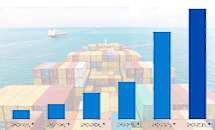
- It is reported that 30 of the listed pharmaceutical and biotechnology companies achieved a year-over-year (YoY) growth of 18% in export performance. Samsung Biologics’ exports significantly increased from KRW 2.85 trillion in 2022 to KRW 3.58 trillion last year. SK Biopharmaceuticals, ST Pharm, and Hanmi Pharmaceutical also experienced notable rises in export performance. Chon Kun Dang Pharmaceutical’s large-scale technology export last year impacted its export figures, which represented an increase of 2.6-fold over a year. 30 major pharmaceutical companies have experienced an 18% increase in export performance…Samsung Biologics has exceeded KRW 3.5 trillion in export figures According to the Financial Supervisory Service on April 11, thirty major pharmaceutical and biotechnology companies generated the total export figure of KRW 6.52 trillion last year. It was an 18% increase compared to KRW 5.52 in 2022. The data was collected from 30 pharmaceutical and biotechnology companies primarily focused on pharmaceutical businesses listed on the South Korean stock market (KOSPI) and the KOSDAQ stock market. Celltrion and its subsidiaries, which had not publicly disclosed their export performance in business reports, were excluded from the counting. The export performances of 30 major pharmaceutical and biotechnology companies have seen a notable increase recently. The total export figures were KRW 2.65 trillion in 2020, KRW 3.65 trillion in 2021, and KRW 5.52 trillion in 2022. Last year, they exceeded KRW 6.5 trillion, a 2.5-fold increase within the past three years. Samsung Biologics has exceeded KRW 3.5 trillion in export figures. Samsung Biologics is driving this upward trend. Its export figure surged from KRW 868.2 billion in 2020 to KRW 1.22 trillion in 2021, KRW 2.85 trillion in 2022, and KRW 3.58 trillion last year. Notably, exports to Europe have been surged. Last year, exports to Europe amounted to KRW 2.35 trillion, representing an increase of 32% compared to KRW 1.86 trillion in 2022. Samsung Biologics' exports to Europe exceeded KRW 500 billion in 2020 and soared to KRW 1.8 trillion in just two years. Furthermore, it recorded over KRW 2.3 trillion last year, a 4.5-fold increase over the past three years. Exports to North America expanded from KRW 289.5 billion in 2020 to KRW 448.6 in 2021 and then to KRW 854 in 2022. Last year, the export figure was KRW 971.1 billion, nearing KRW 1 trillion. Exports to countries other than Europe and North America amounted to KRW 19.3 billion in 2021, but it surged to KRW 255.1 billion last year. The upward trend in Samsung Biologics' export performance is expected to continue. At the end of last year, Samsung Biologics' cumulative order amount was US$12.03 billion (approximately KRW 16.3 trillion). Among them, Samsung Biologics delivered US$6.1 billion (approximately KRW 8.3 trillion), with the remaining orders totaling US$5.93 billion (approximately KRW 8.4 trillion). If the client succeeds in product development, the backlog of orders will increase to US$12.36 billion (approximately KRW 16.75 trillion). With the addition of new contracts this year, Samsung Biologics' backlog of orders is expected to further increase. SK Biopharmaceuticals·Hanmi achieved over 30% increase in export figures…With ’large-scale technology exports,’ CKD had a 2.6-fold increase in performance The export performance of 29 companies, excluding Samsung Biologics, amounted to KRW 2.68 trillion in 2022 and then increased over 10% to KRW 2.94 trillion last year. Compared to their KRW 1.78 in 2020, they saw a 1.7-fold increase over the past three years. In particular, SK Biopharmaceuticals, Hanmi Pharmaceutical, and Chong Kun Dang Pharm have shown notable growth in export performance. SK Biopharmaceuticals' export figure increased by 44% from KRW 246.2 billion in 2022 to KRW 354.9 billion last year, driven by expanded prescription of the anti-seizure medication 'Cenobamate' in the North American market. Revenue from Cenobamate and sleep disorders medication 'Solriamfetol' increased by 46%, from KRW 192.9 billion to KRW 282.3 billion. Additionally, export performance from contract manufacturing for global partners increased by 36%, from KRW 53.2 billion to KRW 72.6 billion. Hanmi Pharmaceutical's export figure increased by 37% from KRW 147.7 billion in 2022 to KRW 202.6 billion last year. Exports increased by 70%, from KRW 25.5 billion to KRW 43.3 billion, while exports of raw materials and pharmaceutical ingredients increased by 13%, from KRW 118.6 billion to KRW 133.8 billion. Technology exports, which stood at KRW 3.6 billion in 2022, increased significantly to KRW 25.5 billion last year. Chong Kun Dang Pharm's export figure increased 2.6-fold, from KRW 65.1 billion to KRW 169.4 billion over the past year, due to a large-scale technology export contract signed at the end of last year. In November last year, Chong Kun Dang Pharm signed a technology export contract with Novartis for the histone deacetylase 6 (HDAC6) inhibitor 'CKD-510'. Under this contract, Chong Kun Dang Pharm received an upfront payment of US$80 million (approximately KRW 106.1 billion), and it agreed to receive milestone payments totaling US$1.23 billion (approximately KRW 1.6 trillion) and sales royalties based on future development and approval stages. Trends in the export performance of 30 listed pharmaceutical and biotechnology companies. Samsung Biologics, SK Biopharm, GC Labs, ST Pharm, Yuhan, SK Biosciences, Hanmi Pharmaceutical, Hugel, Chong Kun Dang Pharm, Daewoong Pharmaceutical, Dong-A ST, Medytox, Kolon Life Science, PharmaResearch, DongKook Pharmaceutical, Huons, Kyongbo Pharmaceutical, Il-Yang Pharmaceutical, HK inno.N, JW Pharmaceutical, and others (from the top). In addition, PharmaResearch and Huons saw an increase in export performance by over 60%. PharmaResearch's export figure increased by 65% from KRW 56.1 billion to KRW 92.8 billion, generated from medical devices such as Rejuran and Conjuran. Huons' export performance increased by 62% from KRW 34.2 billion to KRW 55.5 billion, driven by exports of local anesthetics to the North American market. The export figures of Yuhan, ST Pharm, Huons, Daewoong Pharmaceutical, Medytox, Dongkook Pharmaceutical, Kwangdong Pharmaceutical, and Daehan New Pharm increased by more than 10%. Il-Yang Pharmaceutical and JW Pharmaceutical also saw an increase in export performance compared to the previous year. Among 30 companies, 13 companies, including Samsung Biologics, SK Biopharm, GC Labs, ST Pharm, Yuhan, SK Biosciences, Hanmi Pharmaceutical, Hugel, Chong Kun Dang Pharm, Daewoong Pharmaceutical, Dong-A ST, Medytox, and Kolon Life Science, achieved export figures amounted to KRW 100 billion last year.
- Company
- Samsung Bioepis’s Stelara biosimilar Epyztek is approved
- by Son, Hyung-Min Apr 15, 2024 06:06am
- Samsung Bioepis announced on the 11th that it has obtained the first biosimilar approval in Korea for its autoimmune disease treatment Stelara biosimilar, Epyztek (project name SB17), from the Ministry of Food and Drug Safety. Stelara, which was developed by global pharmaceutical giant Janssen, is used to treat plaque psoriasis, psoriatic arthritis, Crohn's disease, and ulcerative colitis. Epyztek is the fourth autoimmune disease treatment developed by Samsung Bioepis, following Etoloce (Enbrel biosimilar), Remaloce (Remicade biosimilar), and Adaloche (Humira biosimilar). With the approval of Epyztek, Samsung Bioepis will now have three tumor necrosis factor-alpha (TNF-α) inhibitors (Etoloce, Remaloce, and Adaloche) and an interleukin inhibitor (Epiztek), further expanding its product portfolio for the treatment of patients with autoimmune diseases. "We are pleased to be able to offer more treatment options to patients by receiving the first approval for a Stelara biosimilar in Korea.” said Byoungin Jung, Vice President and Regulatory Affairs Team Leader at Samsung Bioepis. From July 2021 to November 2022, Samsung Bioepis conducted a Phase III clinical trial on Epyztek (SB17) in 503 patients with plaque psoriasis in 8 countries including Korea, and the results of the study confirmed the clinical equivalence in efficacy and safety of Epyztek with the original drug.
- Company
- Interleukin inhibitors approved for palmoplantar pustulosis
- by Eo, Yun-Ho Apr 15, 2024 06:06am
- (From upper side) Tremfya, Skyrizi Interleukin (IL)-23 inhibitors, which are mainly used for psoriasis, are making their way into the field of palmoplantar pustulosis in Korea. Following the approval of Janssen Korea’s ‘Tremfya (guselkumab), AbbVie Korea’s Skyrizi (risankizumab) has also added an indication for palmoplantar pustulosis and has signaled competition in the area. In the case of Tremfya, its reimbursement standard was extended to cover palmoplantar pustulosis as well. Currently, Tremfya is reimbursed for: ▲patients with a PPPASI score of 12 or higher, who have been treated with acitretin or methotrexate or cyclosporine at therapeutic doses for at least 3 months but are unable to continue treatment due to no response or side effects, or ▲ patients who were treated with phototherapy for at least 3 months but is unable to continue treatment due to no response or side effects. The drug was approved as a treatment for adult patients with plague psoriasis in April 2018 and as a treatment for adult patients with active psoriatic arthritis in March 2021, and the indications were applied insurance benefits in September 2018 and May 2022, respectively. Skyrizi was recently approved by the Ministry of Food and Drug Safety for the treatment of moderate to severe palmoplantar pustulosis in adults who have had an inadequate response to, or are intolerant of, standard therapy. Skyrizi was initially approved in Korea in June 2019 for the treatment of moderate-to-severe plaque psoriasis and its indication was later expanded as a treatment for active psoriatic arthritis in adults in January 2022. The approval for palmoplantar pustulosis was based on the results of the JumPPP study, a Phase 3 clinical trial conducted in Japan to evaluate the efficacy and safety of Skyrizi. The study analyzed 119 patients and showed that from baseline to week 16, the PPPASI (Palmoplantar Pustulosis Area and Severity Index) index decreased by an average of 11.96 in the Skyrizi treatment group, which was significantly greater than the 8.48 point decrease in the placebo group. Yong-Beom Choe, President of the Korean Society of Psoriasis (Konkuk University), said “Palmoplantar pustulosis is a cutaneous immune disease characterized by an eruption of sterile pustules on the palms and soles. As it is often accompanied by itching and pain, it severely affects the quality of life of patients. And due to frequent relapses, it needs to be constantly managed with correct diagnosis and effective treatment.”
