
- LOGIN
- MemberShip
- 2026-06-24 04:51:53
- InterView
- 'BMS will invest in and improve access to new drugs in KOR'
- by Eo, Yun-Ho Apr 15, 2024 06:06am
- Emma Charles, Senior Vice President of Intercontinental Markets at Bristol-Myers Squibb Multinational pharmaceutical companies are masters of adaptation and transformation. They adjust their pipelines and introduce new drugs through various mergers and acquisitions and technology export agreements to meet the rapidly changing trends in the healthcare industry. This involves a great deal of foresight. The companies need to assess the marketability of a new drug from the earliest stages of development, which is extremely costly and time-consuming. Bristol Myers Squibb is one representative company that has been actively adapting and seeking transformation. The company, which was once considered to have no item after its hepatitis B drug 'Baraclude Tab.' and theimmuno-oncology drug ‘Opdivo’ that it had co-developed with Ono Pharmaceutical, has received approval for 6 new drugs in Korea alone in the past 2 years after making small and large mergers and acquisitions, including the one with Celgene, which owns ‘Revlimid.’ In addition, the company has received reimbursement approval for the myelofibrosis treatment ‘Inrebic’, acute myeloid leukemia treatment ‘Onureg,’ plaque psoriasis treatment ‘Sotyktu,’ and ulcerative colitis treatment ‘Zeposia’ in Korea, and is working to list its obstructive hypertrophic cardiomyopathy drug ‘Camzyos’ for reimbursement as well. Dailypharm met with Emma Charles, Senior Vice President of Intercontinental Markets at Bristol Myers Squibb, who recently visited Korea, to learn more about the company's vision and strategy. The VP is in charge of overseeing the international market, which includes Asia, Oceania, Canada and Latin America. -BMS had once been perceived as a pharmaceutical company that specialized in certain diseases, such as cardiovascular disease, liver disease, and diabetes, but the 6 new drugs you recently launched are all in different therapeutic areas. BMS is in the stage of opening a new chapter for the next decade. We have a number of activities underway to identify the direction we will take in the future, in therapeutic areas such as cardiovascular, immunology, oncology, and hematology. In cardiovascular disease, we are working to develop a pipeline with new indications, including Camzyos, while building on our strengths. In immunology, we will maintain the long-standing leadership we built with our rheumatoid arthritis treatment ‘Orencia’ and continue to develop our new drug ‘Sotyktu’ as well as other drugs for autoimmune diseases such as lupus that are already underway. In addition, the areas of oncology and hematology will continue to serve as important pillars for BMS. -BMS has been actively securing various pipelines and drug candidates through mergers and acquisitions The company has sought aggressive M&A strategies for R&D to bring innovative new medicines to patients and continue growth. The company currently has over 30 pipelines in development. For example, the acquisition of RayzeBio and Mirati Therapeutics has strengthened our oncology area by adding targeted therapy candidates to our pipeline. We recently completed the acquisition of Karuna Therapeutics and acquired KarXT, which is indicated for psychiatric disorders such as schizophrenia and Alzheimer's disease. We plan to launch the drug in the U.S. this year and roll the drug out globally in the future. South Korea is also a very important market for us in driving R&D. We are actively conducting R&D on about 50 drug candidates in Korea. Taken together, we expect BMS to achieve much growth over the next decade and beyond. -I heard that you are conducting clinical studies for the CAR-T drugs ‘Breyanzi’ and 'Abecma’ in Korea. Do you have any specific plans for their launch in Korea? Unlike oral drugs, CAR-T drugs require a complex process of sending the patient's blood to a laboratory to extract T cells and manufacture them into therapeutic drugs. BMS is currently exploring ways to facilitate the introduction of CAR-T therapies in intercontinental markets and which markets to first target. It is clear that South Korea is a ready market, that already has CAR-T therapies available and the capacity to manage the complexities involved in their supply. While it's difficult to say exactly when we'll be able to introduce our drug to Korea, we want you to know that we're committed to bringing this revolutionary new medicine to the world. -Korean companies have been focusing on exporting technology through open innovation rather than full development. I would like to hear the BMS's view on open innovation and Korea’s performance in the area. Innovation is at the core of everything we do at BMS. We invested approximately USD 9.29 billion in R&D last year to provide life-changing treatments for patients, a portion of which was used for open innovation. In fact, products developed through open innovation account for more than 60% of BMS's revenue, making open innovation an important part of BMS's DNA for sustaining R&D and building new pipelines. BMS continues to collaborate with biotechs in various regions with promising candidates, as evidenced by the recent technology transfer agreement we made with the Korean company Orum Therapeutics. The open innovation program in Korea is not the same as in other countries. This shows that Korea values science and innovative drug development. - 6 new drugs have been approved and 4 have entered reimbursement. This is a significant achievement considering Korea’s insurance system, but there are remaining challenges. Reimbursement is a global challenge; it is never easy in any country. We have to prove the drug’s value over the standard of care through clinical trials, and as we negotiate to bring first-in-class treatments to market in areas where there were no treatments, we have to also emphasize how introducing innovative new drugs can save direct and indirect cost compared to existing treatments. Korea’s reimbursement system, which requires the company to prove the value of treatment by designing a clinical study and confirming the efficacy and safety through it, must be challenging for the team. But I trust the Korean team. They are doing their best to build an ecosystem through cross-departmental collaboration to quickly deliver innovative new drugs to patients. -Korea is pushing to make the use of real-world data (RWD) or real-world evidence (RWE) mandatory in the post-marketing evaluation of new drugs. What is your opinion on this? First of all, regardless of the pros and cons, I think it is important to continue collecting RWE after a drug is approved for the benefit of the patients, clinical sites, and the industry. For example, the company is accumulating RWE on Eliquis on its value and safety profile for stroke prevention in patients around the world. We believe that RWE can be actively used during negotiations with regulatory authorities to illustrate its benefits to patients and its complementary economic benefits to hospitals and healthcare systems, but whether it is appropriate to include it as a requirement will depend on market conditions.
- Company
- MSD Korea’s sales 7%↓ due to the transfer of Januvia sales
- by Son, Hyung-Min Apr 15, 2024 06:05am
- The sales of MSD Korea last year declined by 7.3% year-over-year (YoY). The sales of cancer immunotherapy 'Keytruda' have increased significantly, while the sales of COVID-19 treatment 'Lagevrio' have decreased. The company’s external growth appears to have stalled. Moreover, the transfer of local sales rights of a diabetes drug 'Januvia' series to Chon Kung Dang Pharmaceutical might have also contributed to the decline in sales. According to the Financial Supervisory Service on April 13th, MSD Korea recorded KRW 760.9 billion last year, down 7.3% from KRW 820.4 in 2022. Its revenue amounted to KRW 27.4 billion, down 4.2% YoY. The trend in MSD Korea’s sales performance (unit: KRW 100 million ). MSD Korea’s sales were KRW 471.6 billion in 2019 and KRW 484.7 billion in 2020, exceeding KRW 500 billion in 2021. In 2022, the company experienced significant growth, reaching KRW 800 billion, but the sales declined slightly the following year. Keytruda, MSD Korea’s main product, saw sales rise 66.4% from KRW 239.6 billion in 2022 to KRW 398.7 billion last year. However, the industry analysis suggests that the absence of the diabetes drug Januvia lineup and the sales decline of COVID-19 treatment Lagevrio may have led to an overall performance decline. In May of last year, MSD Korea transferred the sales rights of its diabetes drug, including the Januvia series, Steglatro and Stegluzan, to Chon Kung Dang Pharmaceutical. At the same time, the company closed the general medicine (GM) business division. According to UBIST, a market research agency, the outpatient prescriptions for Januvia (sitagliptin), Janumet (sitagliptin·metformin), and Janumet XR (sitagliptin·metformin) amounted to KRW 136.8 billion. The sales of Stegluzan (ertugliflozin·sitagliptin) and Steglatro (ertugliflozin) amounted to KRW 11.2 billion. The analysis suggests that the sales decline was caused by the absence of the cash cow, which generated around KRW 150 billion. The decline in sales of the COVID-19 treatment 'Lagevrio' has been pointed out as contributing to the overall decrease in sales. Global sales of Lagevrio amounted to US$1.4 billion, down 75% from US$5.7 billion in 2022. This sharp decline in sales was due to a decrease in COVID-19 patients as the world transitioned to an endemic. Pharmaceutical industry experts postulate that the South Korean market might have experienced a similar situation. In fact, the Korean government cut down on related funds after announcing an endemic. According to the Korea Disease Control and Prevention Agency (KDCA), the budget allocated to purchase COVID-19 drugs decreased by almost half, from KRW 384.3 billion in 2022 to KRW 179.8 billion last year. Additionally, the sales of the HPV vaccine Gardasil 9 experienced a slight decrease. While Gardasil 9 sales significantly increased from KRW 72.6 billion in 2021 to KRW 117 billion in 2022, it decreased by over KRW 10 billion YoY to KRW 106.4 billion last year. With Keytruda receiving reimbursement expansion and the launch of Vaxneuvance, will MSD Korea bounce back? MSD Korea hopes to bounce back with the reimbursement expansion of its cancer immunotherapy Keytruda and newly launched Vaxneuvance, immunization for the prevention of pneumococcal disease caused by Streptococcus pneumoniae. Last year, Keytruda experienced rapid growth in sales, increasing by more than 60% YoY. As of the end of last year, Keytruda's market share was 54.6% in the anticancer immunotherapy market. Keytruda's revenue expanded from KRW 11 billion in 2016 to over KRW 100 billion in 2020, surpassing KRW 200 billion the following year. Last year, the sales topped KRW 400 billion, recording rapid growth. The main driver for Keytruda's growth lies in its expanded indications. Keytruda has the most indications among anticancer drugs, with 26 approved indications in South Korea. However, the health insurance reimbursement applies to only four cancer types: lung cancer, Hodgkin's lymphoma, urothelial carcinoma, and melanoma. MSD is planning to expand reimbursement to various solid cancer types, including triple-negative breast cancer and head and neck cancer. If reimbursement is expanded, Keytruda's sales growth potential is expected to increase. Cancer immunotherapy Keytruda·pneumococcal vaccine Vaxneuvance. MSD Korea also expects sales growth for its new vaccine, Vaxneuvance, which was released this year. Vaxneuvance is indicated for preventing invasive diseases and pneumonia caused by pneumococcal serotypes (1, 3, 5, 6A, 9V, 14, 18C, 19F, 22F, 23F, 33F). In particular, Vaxneuvance has been included in the National Immunization Program (NIP) starting this month. The NIP vaccination is inteded for infants aged two months to under five years who have not yet received or completed the schedule for the pneumococcal conjugate vaccine. Vaxneuvance is expected to compete with Pfizer's 13-valent pneumococcal vaccine Prevenar13. According to market research firm IQVIA, Prevenar13 recorded sales of KRW 45.8 billion last year.
- Company
- Boryung actively pursues co-promotion deals…
- by Kim, Jin-Gu Apr 12, 2024 05:41am
- Boryung proactively seeks opportunities to partner with pharmaceutical and biotechnology companies in South Korea and overseas. Boryung appears to be in full swing after signing a co-distribution agreement with HK inno.N for 'K-CAB' and the four items of 'Kanarb' series at the end of last year. Pharmaceutical industry experts anticipate that Boryung could achieve synergy, including external growth, portfolio expansion, and strengthening its capacity in a vulnerable market, through a co-promotion expansion strategy. Joint distribution of breast cancer treatment 'Nerlynx'…Boryung strengthens its anticancer therapy portfolio Boryung reported on April 9 that it signed a mutual co-promotion agreement with Bixink Therapeutics for two types of breast cancer treatment. According to the agreements, they will begin jointly selling and marketing Bixink Therapeutics’ 'Nerlynx (neratinib)' and Boryung’s 'Fulvet (fulvestrant).' Nerlynx is an oral HER2-positive breast cancer treatment. It was approved by the U.S. Food and Drug Administration (FDA) in 2017, and Bixink Therapeutics introduced the drug in South Korea in 2021. Nerlynx is the only extended adjuvant therapy available in South Korea, designed to lower the risk of HER2-positive early-stage breast cancer recurrence and prevent brain metastasis. Fulvet is a generic version of Faslodex that was launched by Boryung last year. It is used either alone or as a combination therapy to treat patients with hormone receptor-positive or HER2-negative, post-menopause progressive·metastatic breast cancer. Boryung expands its portfolio. The current agreement is expected to provide a synergy to both companies. Bixink Therapeutics can expect to strengthen its sales and marketing capacity, while Boryung can expect to expand its product portfolio. Boryung has added new anticancer drugs, 'Xeloda'·'Taxol'·'Samfenet,' to its portfolio. According to IQVIA, a pharmaceutical market research agency, Nerlynx generated KRW 8.2 billion in sales last year, an increase of sevenfold compared to KRW 1.2 billion in 2022, when it first launched. With Boryung’s sales capacity, the drug’s annual sales can be expected to surpass KRW 10 billion. This year, the company has signed several co-promotion deals for 'Sonon 500L'·'Suprane Solution'·'Plasma Lyte' On March 21, Boryung has signed a co-promotion agreement with Healcerion for the portable ultrasound device 'Sonon 500L.' Since the beginning of this month, Boryung has been distributing Sonon 500L to nephrology clinics nationwide. The Sonon 500L is a wireless ultrasound device developed by Healcerion for clinical diagnosis. It is convenient and economically affordable compared to bulky conventional wired ultrasound machines. This product assists in locating blood vessel positions during blood dialysis. Dialysis patients need to insert a needle into their blood vessels three times a week for dialysis. However, the lack of nephrology dialysis rooms equipped with ultrasound machines has caused inconvenience in this process. Through the Sonon 500L co-promotion, Boryung expects to strengthen its position in nephrology. Boryung is the only domestic pharmaceutical company operating a specialized dialysis agency that supplies products related to kidney disease treatment. By adding an ultrasound device targeting dialysis rooms, synergy with existing nephrology-related products is anticipated. Boryung’s CEO Duhyeon Chang (left) and Healcerion’s CEO Jeong-won Ryu (right). In January of this year, Boryung signed a domestic sales agreement with Baxter for the inhaled anesthetic 'Suprane Solution' and the IV infusion 'Plasma Lyte.' Suprane Solution is a conventional inhaled anesthetic used for inducing and maintaining anesthesia during surgeries. Plasma Lyte is an IV infusion developed by Baxter. It is used to supply and correct extracellular fluid when the circulating blood volume or interstitial fluid is reduced. Through this agreement, Boryung expanded its portfolio of drugs used for anesthesia. Boryung previously sold the antiemetic 'Naseron (ramosetron)' and the reversal agent of muscle relaxant 'Breathon (sugammadex).' On April 3, Boryung signed a memorandum of understanding (MOU) with Vivozon Pharmaceutical to commercialize the non-narcotic analgesic Unafra (opiranserin) in South Korea. Opiranserin is a non-narcotic analgesic used for postoperative pain, and domestic product approval is expected by the end of the year. Upon receiving product approval, Vivozon Pharmaceutical will supply finished products to Boryung, and both companies will be responsible for distribution and sales, respectively. Boryung started to strengthen its partnership after signing a co-distribution agreement for its 'K-CAB'-'Kanarb' series last year Boryung appears to be in full swing for expanding partnership after signing a co-distribution agreement with HK inno.N for 'K-CAB'-'Kanarb' series at the end of last year. In December of last year, Boryung partnered with HK inno.N to jointly sell 'K-CAB' and four items of the 'Kanarb' series (Kanarb·Dukaro·Dukarb·Dukarb Plus). These two items are both blockbuster drugs with annual sales of over KRW 100 billion. HK inno.N’s CEO Dalwon Kwak (left), Boryung’s CEO Duhyeon Chang (right). Pharmaceutical industry experts anticipate that Boryung’s proactive expansion through partnerships will bring positive effects, including increased external growth, portfolio diversification, and entry into new markets. Boryung has set a sales target of 1 trillion won for this year. Last year, Boryung recorded sales of KRW 859.6 billion. Mathematically, sales need to increase by more than KRW 140 billion compared to the previous year, and it is expected that the contribution of K-CAB will likely play a significant role in this. In addition, it is also likely that the products covered by the co-promotion agreement signed this year will contribute to achieving this goal. By adding Nerlynx to their anticancer portfolio, Boryung can anticipate portfolio expansion, building on past strengths. Additionally, the company can now aim to strengthen its position in areas such as gastroenterology, nephrology, and anesthesiology, where its marketing and sales capabilities have been analyzed as lacking. The K-CAB co-promotion is expected to significantly boost Boryung's marketing and sales capabilities in the gastroenterology field. “We will create momentum for sustained growth through mutual co-promotion with diverse companies. We will also seek opportunities for mutual growth by establishing a 'collaborative business model,' which has been difficult to find in the industry,” the official from Boryung stated.
- Product
- ‘Wholesale inventory of 110 antitumor drugs at its lowest'
- by Kang, Hye-Kyung Apr 12, 2024 05:41am
- The Korean Pharmacists for Democratic Society (President: Kyung-Lim Jeon, KPDS) has pointed out the issue of antineoplastic drugs being out of stock. In the second week of April, the KPDS revealed through the ‘Stock Shortage Drugs of the Week Report’ that an estimated wholesale stock of 110 antineoplastic drugs has run out. The 110 items with less than 5% wholesale stock remaining include ▲ Xeloda Tab 500mg (Boryung), ▲Hydrine Cap 500mg (Korea United Pharm), ▲Agrylin Cap 0.5mg (Takeda Pharmaceuticals Korea), ▲ Tasigna Cap 150mg (Novartis Korea), ▲ Alecensa Cap 150mg (Roche Korea), ▲ Kisqali Tab 200mg (Novartis Korea), ▲ Alkyloxan Tab (JW Pharmaceutical), ▲ Purinetone Tab (Korea United Pharm,) ▲ Tasigna Cap. 200mg (Novartis Korea), ▲ Afinitor Tab 10mg (Novartis Korea), etc. The society reported "The number of items with a wholesale inventory of 5% or less compared to the supply was confirmed to be 110. This is the fourth consecutive week more than 100 items are having difficulties in wholesale supply, following 105 items in the third week of March, 117 items in the fourth week, and 108 items in the first week of April.” There were also 6 drugs with supply interruptions and shortages, which is an increase from the 3 in the previous week. The medicines discontinued or in short supply included 1 oral warfarin drug, 1 diabetic macular edema treatment, 2 eye surgery aids such as cataract surgery, and 2 anti-malignant tumor drugs. Among these, the shortage of the warfarin drug was due to the aftermath of the discontinuation of Jeil Pharmacuetical’s same product in February last year. Although a substitute is available for the warfarin formulation, the substitute is 30 times more expensive than the warfarin drug. The other drugs with supply interruptions and shortages are known to have substitutes available. The KPDS said, “The hospital-reported shortages included antineoplastic drugs, emergency hypertension drugs, enteral nutrition drugs, treatments for sexual precocity and prostate cancer, plasma protein albumin, ulcerative colitis drugs, and osteoporosis injections. The shortages of emergency hypertension drugs, enteral nutrition drugs, and albumin, which were pointed out as an issue in the previous report, do not seem to have been resolved due to the lack of substitutes."
- Company
- ‘Mounjaro may shift the Type 2 diabetes treatment paradigm'
- by Son, Hyung-Min Apr 12, 2024 05:41am
- Dr. Thomas Forst, professor of Internal Medicine and Endocrinology at the Johannes Gutenberg University in Main, Germany (Chief Medical Officer, CRS Clinical Research Services, Germany) Mounjaro has shown the most potent effect among incretin-based therapeutic agents. Based on the dramatic effect it showed in reducing blood sugar levels and weight loss in clinical trials, we expect the drug will bring about many changes field of diabetes treatment.” Thomas Forst, Professor of Internal Medicine and Endocrinology at the Johannes Gutenberg University in Main, Germany (Chief Medical Officer, CRS Clinical Research Services, Germany), met with Dailypharm and said Mounjaro has the potential to become a game-changer in the field of diabetes. Developed by the global pharmaceutical giant Eli Lilly, MUNJARO is a treatment for type 2 diabetes that acts on both the glucagon-like peptide-1 (GLP-1) and glucose-dependent insulinotropic polypeptide (GIP). People with type 2 diabetes have reduced incretin effect. This decrease in incretin effect is primarily due to decreased secretion of GLP-1 and impaired insulin-stimulating effects of GIP. GLP-1 and GIP are responsible for two-thirds of the postprandial insulin response. By acting on GIP in addition to GLP-1, Mounjaro can further improve glycemic control. Another of its strengths is its weight loss benefit. In 3 clinical studies of patients with type 2 diabetes, more than half of patients lost 5% or more of their body weight. As most patients with diabetes are pre-obese or obese, weight management is a critical issue. This is why the analysis is that Mounjaro’s use could increase on-site. The number of diabetes patients on the rise globally...emphasizing the importance of blood sugar management The number of diabetics is on the rise globally. According to a study published in the medical journal Lancet, approximately 529 million people were living with diabetes worldwide in 2021. By 2050, the number is expected to reach approximately 1.31 billion worldwide. "With the increase in people with type 2 diabetes, complications such as hypertension and dyslipidemia are also on the rise," said Professor Forst. "The increase in the incidence of diabetic complications means that the number of myocardial infarctions, strokes, and deaths from cardiovascular disease is also on the rise. Therefore, there is a great need for the discovery of new therapeutic agents and their effective use.” The number of diabetes patients is also on the rise in Korea. According to the 2021 fact sheet released by the Korean Diabetes Association (KDA), the prevalence of diabetes in adults aged over 30 years was 16.7%. The number has been on the rise for the past 9 years. The problem is in the treatment outcomes. Despite being treated with oral hypoglycemic medications or insulin, 75% of diabetes patients in South Korea do not achieve a glycated hemoglobin (HbA1c) level below 6.5%, which is the treatment goal and pre-diabetes stage. About 20% of people with diabetes have HbA1c levels above 8.0% and are in need of more aggressive treatment. “HbA1c is a measure that gives you a big picture of how well a patient had controlled his or her blood sugar levels over a three-month period,” explained Professor Forst. “Looking at fasting blood glucose level alone can lead to a false sense that your blood sugar is being well controlled.” Due to this importance in achieving an HbA1c level, there has been a need for a treatment that effectively lowers the blood glucose level. Mounjaro demonstrated its blood glucose reduction effect in clinical trials. In the SURPASS 1-5 trials, the drug showed greater HbA1c reduction than semaglutide, insulin, and other existing diabetes treatments. More specifically, in the SURPASS 4-5 and SURPASS J-mono trials that were conducted on patients with type 2 diabetes, Mounjaro reduced HbA1c by a mean of -2.11% to -2.8%. "In clinical trials, many patients achieved their target HbA1c level,” said Professor Forst. “Even patients who did not achieve the HbA1c level goal of 6.5%, which is the diagnostic threshold for diabetes, benefited from the use of Mounjaro." 'Weight loss effect’ is another benefit of the diabetes drug Mounjaro One of the other strengths of Mounjaro is its weight-loss benefit. In clinical trials, most patients who were administered the drug lost weight. Currently, Mounjaro is approved as a treatment for type 2 diabetes and is not indicated for weight loss. However, it is clear that weight loss can be of great benefit to diabetes patients. In Korea, 78% of people with type 2 diabetes are pre-obese or obese. The more obese the people with type 2 diabetes are, the more likely they are to have poor blood sugar control and develop diabetes-related complications Therefore, domestic and international clinical practice guidelines recommend that overweight or obese diabetics lose 5-15% of their body weight. Major international academic societies also concur. The American Diabetes Association (ADA) emphasized the importance and urgency of weight management in the overall care of people with diabetes in its 2024 diabetes treatment guidelines that it released recently. According to the ADA, adult patients with type 2 diabetes can achieve better glycemic blood levels, blood pressure, and lipid control when they lose 3-7% of their body weight, and weight loss of 10% or more can have a positive long-term impact on reducing cardiovascular mortality. In the SURPASS 4-5 and J-mono studies, 48-89% of patients who were administered Mounjaro achieved a weight loss of 5% or more. In the SURPASS-2 study, Mounjaro also demonstrated faster weight loss results compared to the GLP-1 agent semaglutide. "Weight gain and obesity are important risk factors for diabetes, and diabetes is also linked to several inflammatory and cardiovascular diseases, including hypertension and dyslipidemia. Maintaining a healthy weight is as important as controlling the blood glucose level for people with diabetes.” He added, "I would say Mounjaro is a good option for people with diabetes who are struggling with weight control, as the drug has been clinically proven to help them lose weight." ” Mounjaro will rise as a game changer if it also demonstrates cardiovascular benefits" Currently, some diabetes drugs are expanding their area after demonstrating cardiovascular benefits. SGLT-2 inhibitors, for example, are approved for heart failure and chronic kidney disease. The SURPASS-CVOT clinical trial is also underway for Mounjaro to evaluate the drug’s cardiovascular benefits. It has enrolled more than 13,000 adult diabetes patients with comorbid cardiovascular disease. Dr. Forst expects Mounjaro to become a game-changer if it proves to be effective in cardiovascular disease. "We will have to wait for the results of the ongoing studies that have cardiovascular events as an endpoint, but if Mounjaro proves to be more effective than GLP-1 receptor agonists in reducing cardiovascular events, I am confident that Mounjaro will be a game-changer,” said Dr. Forst.
- Opinion
- [Reporter’s View] Additions to the post-management system
- by Eo, Yun-Ho Apr 12, 2024 05:41am
- “The introduction of the post-management system aims to secure additional evidence related to medicines of uncertain safety and efficacy. The system is intended to improve healthcare by reverifying those medicines with medical knowledge.” Although the intention seems reasonable, some are voicing concerns. The concern is that reinforcing the system could eventually result in 'drug price reduction.’ During the 48th Dailypharm Future Forum, which discussed ‘Directions for appropriate system improvement of Post-management System,’ Korean pharmaceutical companies, global companies, and academics all shared a unanimous skepticism toward the system. The prevailing opinion questioned the system’s necessity and whether RWE (Real-world evidence) would be utilized. Their opinion is well-founded. According to the analysis titled ‘A study on the analysis and rationalization of drug expenditures for new drugs in Korea,‘ the expenditures spent on new drugs from Korea’s health insurance funds only represent 8.5% of the Korea’s total drug expenditure. This figure accounts for 2.1% of the total medical service fee covered by Korea’s health insurance. Compared to other OECD countries, the impact of new drugs on Korea's health insurance funds appears to be among the lowest-ranking levels. The expenditures spent on items of Economic Evaluation exemption and RSA drugs, which include new drugs for severe diseases like cancer and rare diseases, are similarly low, accounting for 0.3% and 2.7% of total drug expenditures, respectively. The system’s requirement for RWE (Real-world evidence) appears to be inadequate. Typically, the hierarchy of evidence includes meta-analysis, literature reviews, randomized controlled trials (RCT), clinical and observational studies with control groups, observational studies without control groups, case reports, and expert opinions. The system's RWE requirement falls under 'observational studies without control groups-case reports.' Adjusting insurance drug prices based on data with a high bias probability could be an unreasonable approach. Additionally, if such document submission is reinforced, pharmaceutical companies will bear the burden of allocating a separate budget to conduct research. The industry is concerned that if the system leads to a reduction in drug prices, pharmaceutical companies will essentially be generating data that could contribute to a decline in sales. This aligns with the concerns of Korea-passing. However, the response of the Health Insurance Review and Assessment Service (HIRA) was encouraging. While maintaining the stance that additional evidence is needed for most drugs with uncertain efficacy and safety, as they are essential medicines in clinical practice and are subject to Economic Evaluation exemption, they agreed on RWE's limitations and concerns regarding the requirement of evidence in the data used for analysis. The post-management system will probably be further reinforced. A drug performance evaluation committee within HIRA Research is also postulated. There should be ‘further discussion.’ It’s crucial to determine whether the system will act as another method of reducing drug prices or if it will serve the government’s stated purpose of ‘alleviating uncertainty.’
- Policy
- Reimb price of Forxiga generics fluctuates amid changes
- by Lee, Tak-Sun Apr 12, 2024 05:41am
- AstraZeneca How the changes in reimbursement status of Forxiga (dapagliflozin propanediol monohydrate) generics will affect market competition is gaining industry-wide attention. The generic versions, which had been introduced to the market in April last year, are facing price changes due to changes in their reimbursement status. The premium pricing granted to first generics and Korea Innovative Pharmaceutical Companies ended on the 8th, and Ilsung Pharmaceuticals' reimbursement was suspended on the 9th. Pharmaceutical companies are eyeing how these reimbursement changes will impact the generic market ahead of the market withdrawal of the original Forxiga. According to industry sources on the 11th, the premium pricing granted to dapagliflozin propanediol monohydrate 5mg and 10mg generics ended on the 4th. In the case of the 5mg dose, prices of all 7 generic drugs that were granted non-innovative company first generic premium pricing (previously priced at KRW 291) and all 3 generic drugs that were granted innovative company first generic premium pricing (previously priced at KRW 333) will be reduced to KRW 262 with the end of the 1 year premium pricing period. As a result, the prices of all 21 products on the reimbursement list are now the same, which means that companies will no longer be able to use the higher drug price as a weapon to increase promotion costs. In the case of the 5mg product, the competition is between the generic drugs as the original Forxiga 5mg (AZ) was added to the reimbursement list in 2014 and then removed in 2018. In addition, Ilsung Pharmaceuticals' Dapalon Tab 5mg was suspended from reimbursement on Sept. 9. The MFDS decided to cancel its license after it was revealed that the company sold the product before the original Forxiga’s patent expiry last year. Daewoong Pharmaceutical, which had sold the original Forxiga from March 2018 to January, also entered the market with its own generic on the 1st. Through a transfer and assignment, the company’s Forxilo 5mg was added to the reimbursement list. The premium pricing granted to 10mg products, which are much more competitive, has also ended. The price of 18 non-innovative company first generics (previously KRW 437) and 5 innovative company first generics (previously 499 won) will be lowered to KRW 393. As a result, the generic price of the 10mg products will be split into two: KRW 393 for drugs that met both requirements and KRW 334 for those that met only one requirement. With the end of the premium pricing granted to generic drugs, their price gap with the original Forxiga 10mg, which is maintained at KRW 734 through a stay of execution of an administrative disposition order, has widened. However, Forxiga 10mg will be withdrawn from the domestic market in the second half of the year. Before that, it will reportedly transfer indications for chronic heart failure and chronic renal failure, including diabetes, to HK Inno.N’s product. Currently, the generic product only has a diabetes indication. Until its market withdrawal, AstraZeneca wants to maintain the domestic price of the drug, which is contingent on the results of the ongoing price-volume agreement negotiations with the National Health Insurance Service. Reimbursement for Ilsung Pharmaceuticals' Dapalon Tab 10mg was also suspended as of the 9th. On the other hand, the premium pricing of 12 salt-modified drugs will remain intact for 2 years (until April 8, 2026) due to having three or fewer generic companies manufacturing the same. This puts generic companies at a disadvantage in terms of spending expenditures. The sharp changes in the reimbursement landscape for Forxiga generics mark the start of a new round of competition in the market. Meanwhile, Forxiga generics have generated about KRW 30 billion in outpatient prescriptions (UBIST) in the 9 months since it entered the market in April last year.
- Company
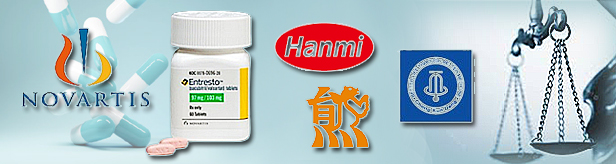
- K-Pharma wins another patent dispute against ‘Entresto’
- by Kim, Jin-Gu Apr 11, 2024 05:45am
- Generic companies win the third trial surrounding the method-of-use patent of Novartis’ ‘Entresto,’ a heart failure treatment. As generic companies win the third trial surrounding the method-of-use patent of Novartis’ ‘Entresto,’ a heart failure treatment, they are one step closer to an early entry of their generic products. Now, the patent hurdle is down to two for early entry of generic versions of Entresto. If generic companies succeed in overcoming the remaining two patents, an annual market size of KRW 60 billion is anticipated to open. On April 8, the pharmaceutical industry reported that the Supreme Court ruled of ‘discontinuance of a trial’ on Novartis’ appeal against Hanmi Pharmaceutical and others in Entresto’s method-of-use patent nullification trial. The ‘discontinuance of a trial’ ruling refers to the system under which the Supreme Court ceases to hear appeals, dismisses such appeals, and confirms that a lower court ruling is intact. In other words, Novartis appealed to the court, arguing that the patent court ruling was unjust, but the Supreme Court ruled that there was no basis for the appeal. Generic companies won the first and second trials of the method-of-use patent dispute trials. In April 2021, Hanmi and other pharmaceutical companies claimed nullification of Entresto’s method-of-use patent and requested a ruling. Last November, Generics also won a case in the second trial following Novartis’ appeal. Subsequently, Novartis appealed against the decision yet again, but the Supreme Court ultimately dismissed Novartis’ final appeal. As a result, only two patents remain for the early entry of generic versions of Entresto: the salt· hydrates patent, which expires in November 2026, and the crystalline form patent, which expires in September 2027. Regarding these patents, the generic companies won their cases during the first trial of patent dispute. After losing the first trial, Novartis appealed to the patent court, asking to cancel the first trial decision. If the generic companies win the second trial, generics can be released earlier in the market. There is a possibility that Novartis may appeal to the Supreme Court. Since the generic companies have already won both the first and second trials, they will face less burden due to patent infringement. According to UBIST, a market research agency, Entresto recorded outpatient prescription sales of KRW 57.5 billion last year, up 35% compared to 2022. Entresto was launched in October 2017 with reimbursement. It consistently expanded its indication, generating outpatient prescription sales of KRW 5.5 billion in 2018, KRW 14.3 billion in 2019, KRW 22.4 billion in 2020, KRW 32.4 billion in 2021, and KRW 42.5 billion in 2022.
- Policy
- Clopidogrel recall due to 1 CMO…’no issue escalation’
- by Lee, Hye-Kyung Apr 11, 2024 05:44am
- The issue that stirred up the clopidogrel recall that had been ongoing since March was found to have been caused by a single contract manufacturer, making the concern of it escalating to a series of recalls unlikely. Starting with Daewoong Bio's 'Clovons Tab' on March 17, the Ministry of Food and Drug Safety recalled a total of 29 items from 27 companies by April 2. The MFDS’s reason for the recall is 'exceeding the standard for miscellaneous related impurities during post-marketing stability tests'. In the case of marketed drugs, stability tests are required to be conducted annually for all dosage forms, on at least one manufacturing lot each per packaging type that contains the same substance as the marketed product. However, if the items manufactured by the contract manufacturing organization (CMO) are identical to the items manufactured by the consignor in accordance with the 'Standards for the Manufacturing and Quality Control of Finished Pharmaceutical Products' in terms of raw materials, quantity, manufacturing method, manufacturing facilities, and packaging materials, the consignor may submit the CMO’s stability test data. Regarding the clopidogrel situation, an MFDS official said, "It is not a problem of impurities in the clopidogrel ingredient itself, which was the issue during the nitrosamine impurity issue. The items that have been announced for recall so far were all manufactured by a single CMO on consignment." "There is a deadline for submitting post-marketing stability testing data, and the recall was triggered by a discovery of an impurity in the purity test that was conducted within the deadline.” The 29 items of the 27 companies that have been recalled were manufactured by Daewoong Bio, and most of them were manufactured in 2021 and 2022, therefore their expiration date has passed or is about a year away. In particular, among the 27 companies, ▲Icure, ▲Ildong Pharmaceutical, ▲Pharmgen Science, ▲Intro BioPharma, ▲Ilsung Pharmaceuticals, ▲Kyongbo Pharmaceutical, ▲Hanlim Pharm, ▲Kunil Pharm, ▲Kolong Pharma, ▲Reyon Pharm, ▲Seoul Pharma, ▲Eden Pharma, ▲Ahngook New Pharm, ▲Yuyu Pharma, ▲ Hankook Korus Pharm changed to in-house manufacturing or switched contract manufacturers. However, as the MFDS's recall announcement did not disclose the companies that had previously signed CMO contracts with Daewoong Bio, concerns arose on how the impurity crisis may continue to the more recent products manufactured and sold by companies that had changed CMOs. In this regard, an MFDS official said, "If you search the current information, there are 13 consignors of Daewoong Bio. Some of the consignors that were entrusted manufacturing in the past have changed to in-house manufacturing or other CMOs.” "Currently, items other than those listed in Daewoong Bio's batch information are produced by on their own or by other manufacturers. "In the case of clopidogrel, there are no impurities in the clopidogrel ingredient itself, unlike the nitrosamine impurity issue.
- Company
- SK’s CMO business posted KRW 812 billion last year…
- by Chon, Seung-Hyun Apr 11, 2024 05:44am
- SK Group's contract manufacturing organization (CMO) business posted a deficit last year. Sales reached nearly KRW 1 trillion, but its growth was sluggish. Investments increased due to the expansion of production facilities at acquired companies, and demand for contract manufacture of COVID-19 drugs from overseas pharmaceutical companies decreased. According to SK on April 9, SK Pharmteco’s sales revenue last year was KRW 812 billion, down 10.5% from the previous year. SK Pharmteco posted an operating profit of KRW 49 billion in 2022 but turned to an operating loss of KRW 89 billion. Quarterly sales of SK Pharmteco (Unit: 100 mil, Source: SK). Established in January 2020 in California, U.S., SK Pharmteco is SK Group's contract manufacturing organization (CMO) in charge of the company’s manufacturing of consigned pharmaceutical products. SK Pharmteco is comprised of five entities: SK Biotech, SK Biotech Ireland, AMPAC, Yposkesi, and CBM. The company has a localization strategy that allows the company to carry out CMO businesses in the U.S. and Europe by establishing local manufacturing facilities. Quarterly sales of SK Pharmteco (Unit: 100 mil, Source: SK). SK Pharmteco’s sales increased from KRW 651 billion in 2020 to KRW 776 billion in 2021, and KRW 907 billion in 2022, but the growth slowed down last year. In terms of quarterly sales, SK Pharmteco recorded KRW 249 billion in sales in Q4 2022, followed by KRW 197 billion in Q1 2023, a 20.9% decrease from the previous quarter. The company posted a loss of KRW 15 billion in Q1 last year. Sales rebounded to KRW 214 billion in Q2 last year but fell 15.7% YoY to KRW 183 billion in Q3. The decline in orders for COVID-19 drugs from large pharmaceutical companies created a revenue gap for CDMOs. SK Pharmteco posted a loss of KRW 15 billion each in Q1 and Q2 last year. The losses reflected costs related to the expansion of its production facility in Virginia, U.S. In the Q4 last year, sales reached KRW 218 billion, up 19.1% from the previous quarter. The company explained, “Sales increased due to the expansion of our pipeline that includes our core products, and the effect of the acquisition of CBM.” The company posted a loss of KRW 59 billion in Q4 last year, which reflects the initial operating loss of the gene cell therapy business following the acquisition of CBM. SK Pharmteco acquired the management rights for The Center for Breakthrough Medicines (CBM), a U.S. cell and gene therapy CDMO, in September last year. In January 2022, SK Pharmteco invested USD 350 million (approximately KRW 420 billion) to fortify its bio business in the U.S. and became the second-largest shareholder. It ascended to become CBM's largest shareholder afterward by exercising the call option rights it secured during that time. CBM is building a 65,000㎡ facility, the world's largest single manufacturing facility for cell and gene therapies, of which approximately 28,000㎡ have been completed to house its Viral Vector GMP facility and development and analytical laboratories. When the GMP production facility for plasmids, the raw material used for cell and gene therapy drugs, is completed this year, the entire process, including development, production, and analysis, from plasmids to finished products such as viral vectors and cell therapy products, will be provided in one place. Viral vectors are virus-based gene transfer vectors that insert therapeutic DNA into viruses for safe and efficient administration to the human body. Compared to using different suppliers for each development and production process, the production period and cost can be reduced. SK is implementing a strategy at the group level to develop SK Pharmteco into a global CDMO company. Unlike how Samsung Biologics, whose CMO business has been growing rapidly in recent years, produces and supplies biopharmaceuticals ordered by overseas customers at its Songdo plant in Incheon, SK Pharmteco implemented a localization strategy and built production bases in the U.S., Europe, and other countries to develop its CMO business. SK Biotech, which is in charge of the domestic production base, was established in April 2015 by spinning off SK Biopharm's raw pharmaceutical material business. In 2016, SK incorporated SK Biotech as a 100% subsidiary. SK invested KRW 40 billion in March 2016 and KRW 172.5 billion in November 2017 through a paid-in capital increase. SK Biotech engages in the business of developing new raw materials using its proprietary technology. SK SK Pharmteco has secured a total of 5 overseas bases since 2017. SK Biotech Ireland is the successor of BMS’s Ireland plant, which was acquired by SK Biotech in June 2017 for KRW 170 billion. In 2019, SK acquired a 100% stake in U.S. biopharmaceutical CDMO AMPAC to secure a U.S. manufacturing base. AMPAC has production facilities in California, Texas, and Virginia. SK Group invested about KRW 1 trillion to acquire SK Biotech Ireland and AMPAC. The three entities, SK Biotech, SK Biotech Ireland, and AMPAC, produce synthetic drugs. In March 2021, SK Pharmteco expanded into the biopharmaceuticals sector with the acquisition of French gene and cell therapy drug contract manufacturer Yposkesi. Last year, it became the largest shareholder of CMB and secured an additional production base for cell and gene therapy. SK Pharmteco plans to strengthen its global market penetration through integrated operations of CBM and Yposkesi. Yposkesi’s second plant was completed in June last year, and totaled at 10,000㎡, the largest in Europe.
