
- LOGIN
- MemberShip
- 2026-06-24 04:51:51
- Company
- No news on Phesgo's reimb progress for 7 months
- by Eo, Yun-Ho Mar 27, 2024 06:04am
- The insurance reimbursement process for Phesgo, a drug that was expected to benefit from the preferential drug pricing system, is making little progress. No news has been heard on its progress for 7 months. Roche Korea’s Perjeta (pertuzumab+ trastuzumab), a subcutaneous injectable combination of the company’s Perjeta and Herceptin, passed the Health Insurance Review and Assessment Service's Cancer Disease Deliberation Committee review in August last year. Since then, Roche has been negotiating with the National Health Insurance Service on Perjeta’s supply and quality control terms after the application was reported to the Drug Reimbursement Evaluation Committee. However, there has been no news of a settlement or breakdown of the negotiations to date. Phesgo was recognized as the first biobetter anticancer drug for its innovativeness in improving patient convenience and reducing treatment time by converting the intravenous Herceptin and Perjeta injections into a fixed-dose subcutaneous injection. If a patient with metastatic HER2-positive breast cancer who was receiving maintenance therapy every 3 weeks with intravenous Herceptin-Perjeta switches to Phesgo SC, his or her total dosing and monitoring time is reduced by 90% from 270 minutes (90 +180 minutes) to 20 minutes (5 +15 minutes). In addition, Phesgo is administered subcutaneously to the thigh, rather than through a vein, reducing the risk of blood vessel and nerve damage from repeated intravenous injections. These benefits of Phesgo can serve as an advantage amid the current healthcare disruptions present in Korea. However, due to delays in the approval process, which could have been completed as early as the end of last year, have rendered the drug a “pie in the sky” for the patients. In the case of Nexviazyme (avalglucosidase alfa), which was the first biobetter drug to receive preferential treatment, the process took five months to complete. Therefore, it remains to be seen how much longer the tug-of-war between the government and Roche, which began last year, will last. The NCCN guidelines state that Phesgo can replace Perjeta-Herceptin, and in the UK, 90% of patients treated with Herceptin and Perjeta switched to Phesgo in the first year of Phesgo's launch. Therefore, a significant number of patients treated with Herceptin-Perjeta are likely to switch to Phesgo upon its approval in Korea. Meanwhile, in 2016, the government announced a plan to provide preferential drug pricing for biobetters that show an improvement over approved biosimilars and biologics that have contributed to the improvement of healthcare in Korea. Given the difficulty of developing biobetters compared to synthetic drugs, the price of biobetters was set at 100% to 120% of the price of the target product (original, etc.), and Nexviazyme became the first drug to benefit from the measure.
- Company
- Adtralza reimb drives biologics competition in atopy market
- by Eo, Yun-Ho Mar 26, 2024 06:30am
- (Photos from the left) Sanofi’s Dupixent and LEO Pharma’s Adtralza. Biopharmaceuticals face competition in the atopic dermatitis sector. According to industry sources, LEO Pharma’s Adtralza (tralokinumab), a treatment for atopic dermatitis with an underlying mechanism of neutralizing interleukin-13 (IL-13), is anticipated to launch with reimbursement starting in May. Adtralza is the second biologic approved for atopic dermatitis, following Sanofi-aventis Korea’s 'Dupixent (dupilumab).' Adtralza was approved in Korea last August and passed the review by the Drug Reimbursement Evaluation Committee (DREC) of the Health Insurance Review and Assessment Service (HIRA). The company recently completed price negotiations with the National Health Insurance Service (NHIS). It can expect to be listed as early as April, but the company is preparing for an official launch in May. Adtralza is indicated for adults (18 years of age and over) and children (12-17 years of age) with moderate to severe atopic dermatitis that is not adequately managed by topical treatments or for whom topical treatments are not advised. Adtralza’s recommended initial dose is 600 mg (given as four injections of 150 mg) followed by 300 mg (given as two injections of 150 mg) every two weeks. Adtralza provides a convenient dosing option for patients with moderate to severe atopic dermatitis. At the doctor’s discretion, patients who achieve clear or almost clear skin after 16 weeks of treatment may consider dosing every fourth week. This drug is a biopharmaceutical that specifically targets IL-13. While Sanofi-aventis Korea’s Dupixent (dupilumab) targets both IL-4 and IL-13, it is difficult to compare the mechanism of actions of the two drugs directly. To what extent Adtralza's entry will impact the atopic dermatitis market competition remains to be watched. Dupixent is steadily expanding its presence in the Korean market. It renewed the Risk Sharing Agreement (RSA) contract in February of last year. Dupixent secured an initial four-year RSA contract from January 2020 to December 2023. The type of contract was a refund model, a total expenditure cap model, and an initial treatment cost refund model. Initially, Dupixent was covered by reimbursement for treating atopic dermatitis in adults but later expanded to include children and adolescents aged six years and above. Recently, it is being discussed for the reimbursement expansion for treating toddlers aged six months to five years with severe atopic dermatitis. Additionally, it is considered for the reimbursement expansion for treating adult asthma, in addition to atopic dermatitis. The market for atopic dermatitis comes alive as orally administered JAK inhibitors join. JAK inhibitors that have indications of atopic dermatitis are Lilly Korea’s 'Olumiant (baricitinib),' Korea abbvie’s 'Rinvoq (upadacitinib),' and Pfizer Korea’s ‘Cibinqo (abrocitinib).’ These drugs are covered by insurance reimbursement.
- Company
- Sam Chun Dang Pharm introduces Eylea biosimilar to Europe
- by Nho, Byung Chul Mar 26, 2024 06:30am
- Sam Chun Dang Pharm. Sam Chun Dang Pharm announced on the 25th an exclusive distribution agreement for the Eylea biosimilar with nine Western European countries (UK, Belgium, Netherlands, Norway, Portugal, Sweden, Greece, Ireland, and Finland). Under the agreement, Sam Chun Dang Pharm will receive 55% of the partnering company’s net sales, further strengthening its presence in the European market. Sam Chun Dang Pharm has established a sales network in the UK, Germany, Spain, and Italy, and the current agreement has established a stepping stone for entering the UK market, which is the biggest market in Europe: “Sam Chun Dang Pharm was able to sign the agreement on the most favorable terms as we received 55% of the sales. This was possible because Eylea PFS (Pre-filled Syringe) dominates 90% of the total sales in the European market. Additionally, Sam Chun Dang Pharm took advantage of being the first-mover in the market by applying for EMA for the first time as a Eylea biosimilar PFS in Europe,” an official from Sam Chun Dang Pharm stated. And explained, “The product has price competitiveness, and it does not pose a potential infringement of original patent.” The fact that Sam Chun Dang Pharm is the only biosimilar developer to have signed contracts with advanced countries such as Europe, Canada, and Japan, besides companies with direct sales systems, proves its presence in the industry. In November last year, Sam Chun Dang Pharm achieved contract fees and milestones amounting to 50 million euros (approximately KRW 70 billion), including contracts with five European countries. They achieved the targeted contract fees and milestones in 14 countries, excluding France. According to the company's explanation, the amount is expected to increase as more country contracts are added. The French government passed a bill to promote the use of biosimilars, which is postulating the expansion of the French market. Sam Chun Dang Pharm is currently developing a new marketing strategy and will soon enter the French market with conditions tailored to this specific environment. The company is also in the final stages of contract negotiations with Eastern European countries. Including this recent contract, Sam Chun Dang Pharm has secured KRW 140 billion in contract payments and milestones, with expected sales exceeding KRW 6 trillion. The company plans to establish a dominant presence in major advanced countries' markets and plans to further expand its influence in the global healthcare sector. “In addition to closely monitoring opportunities to enter France, the last remaining country in Europe, and Eastern Europe, we are closely monitoring the trends in patent disputes with local partners in the United States, the most critical market in North America. We are currently negotiating and are establishing early sales strategies through patent strategies that reflect these trends,” a company official explained. “After finalizing this contract, “In addition to closely monitoring opportunities to enter France, the last remaining country in Europe, and Eastern Europe, we are closely monitoring the trends in patent disputes with local partners in the United States, the most critical market in North America. We are currently negotiating and are establishing early sales strategies through patent strategies that reflect these trends,” a company official explained. “After finalizing this contract, Sam Chun Dang Pharm will secure its presence in the European and North American markets, representing 80% of the global market. This achievement will be a significant stepping stone for Sam Chun Dang Pharm to become a leader in the global biosimilar market.” will secure its presence in the European and North American markets, representing 80% of the global market. This achievement will be a significant stepping stone for Sam Chun Dang Pharm to become a leader in the global biosimilar market.”
- Policy
- MFDS reviews enacting a separate and special law for drugs
- by Lee, Hye-Kyung Mar 26, 2024 06:30am
- The Ministry of Food and Drug Safety (MFDS) is considering enacting a 'special law' to separately manage drug safety management. For this, the MFDS recently launched a call for researchers for the ‘Study for the Analysis of the Legal System of the Pharmaceutical Affairs Act and Review of the Special Act on Drug Safety Management'. The research will be conducted for 7 months from the date the research service is outsourced, and a budget of KRW 50 million will be invested to review reorganizing the legal structure of the ‘Pharmaceutical Affairs Act' in line with the newly changing regulatory environment and to lay the foundation for the enactment of a special law. The 'Pharmaceutical Affairs Act' was enacted in 1953, and has evolved with the development of the pharmaceutical industry, covering a wide range of pharmacist functions and drug licensing, management, and use. The MFDS raised the need for a comprehensive review of the law, explaining, "The law has been partially revised 48 times over the years, limited to only those necessary to introduce new systems and improve operational problems." Therefore, the study will review the legal system and consistency of the law through analysis of the history of the enactment and amendment of the Pharmaceutical Affairs Act, and identify revisions needed under the jurisdiction of MFDS, based on the results. The special law on drug safety management will analyze the domestic pharmaceutical environment and administrative conditions for drug safety management, and conduct demand surveys through industry-wide surveys, etc. The MFDS will conduct a demand survey on major issues and stakeholders' positions on areas that need to be managed by a separate law, the Special Act. In terms of areas requiring drug safety management, the research team will review clinical and licensing, manufacturing and quality control, licensing patent linkage system and data protection system, post-marketing safety management, and the supply system in place for drugs such as essential medicines. The MFDS explained, "Through the study, we will classify, organize, and systematically review the provisions in the Pharmaceutical Affairs Act regarding the areas where special laws need to be enacted. We will also investigate the statutes of special laws enacted in major countries such as the United States and Europe by field with regards to the areas where special laws need to be enacted." In addition, the study will include research on the effective regulatory operation plans for new drugs that cannot be managed by existing laws, such as converged medical products and new drugs utilizing AI. Meanwhile, the MFDS has been enacting and implementing the 'Special Act on Imported Food Safety Management' since February 4, 2016. The Special Act on Imported Food Safety Management aims to improve the consistency and efficiency of the administrative measures posed by unifying the provisions on imported food safety management that were dispersed into the Food Sanitation Act, the Livestock Hygiene Management Act, the Health Functional Food Act, and the Livestock Epidemic Prevention Act. After discussions, the MFDS decided to improve and complement systems already in place in the Food Sanitation Act while maintaining the current status quo, and the scope of regulation was expanded and strengthened by introducing a new registration system for overseas manufacturing companies and establishing new business types such as imported food declaration agencies and internet purchase agencies.
- Company
- Takeda’s colorectal cancer drug 'Fruzaqla' nears KOR entry
- by Eo, Yun-Ho Mar 26, 2024 06:30am
- New colorectal cancer drug New colorectal cancer drug 'Fruzaqla' is likely to receive approval for commercialization in South Korea. According to industry sources on the 11th, Takeda Pharmaceuticals Korea’s Fruzaqla (fruquintinib), designated as Global Innovative products on Fast Track (GIFT) by the Ministry of Food and Drug Safety (MFDS), is under review for approval. GIFT-designated pharmaceuticals are provided various supports for rapid commercialization, including ▲supports for preparing requirements for regulatory approval ▲rolling review process is applied, which enables regulatory review on prepared documents first ▲close communication between the regulatory reviewer and the developing company, such as briefing of an item and complementary support sessions ▲regulatory supports, including RA consulting. As a GIFT-designated product, Fruzaqla is expected to receive faster product approval. Fruzaqla received the Orphan Drug Designation last month in South Korea. The FDA designated Fruzaqla for priority review in May last year and approved the drug in November of the same year. Fruzaqla is indicated for ‘the treatment of adult patients with metastatic colorectal cancer (mCRC) who have been previously treated with flouropyrimidine-, oxaliplatin-, and irinotecan-based chemotherapy, or who have been previously treated or cannot be treated with an anti-VEGF treatment, an anti-EFGR treatment (if RAS wild-type), and at least one of trifluridine plus tipiracil or regorafenib treatment.’ Fruzaqla is a VEGFR-1, -2, -3 receptors inhibitor that Takeda Pharmaceutical acquired the rights to the drug from Hong Kong Hutchmed. The efficacy of Fruzaqla was evaluated based on the FRESCO clinical trial conducted in China and published in JAMA and the global FRESCO-2 clinical trial published in LANSET. These clinical trials compared the combination therapy of Fruzaqla plus best supportive care (BSC) with placebo combination therapy in patients with previously treated metastatic CRC (mCRC). The FRESCO and FRESCO-2 clinical trials achieved primary endpoints and crucial secondary endpoints, demonstrating consistent effectiveness in 734 patients who received Fruzaqla treatment. In FRESCRO-2 clinical trial, the fruquintinib-treatment group yielded a median overall survival (OS) of 7.4 months, versus 4.8 months for the placebo group. In FRESCO clinical trial, the fruquintinib-treatment group yielded a median OS of 9.3 months, versus 6.6 months in the placebo group. The GIFT program designates products that fall into one of the following standards: ▲a medicinal product intended for the treatment of serious diseases, such as life-threatening cancers ▲a medicinal product intended for the prevention or treatment of infectious diseases with a serious threat to public health, such as an infectious disease outbreak caused by bioterrorism or pandemic ▲a new medicinal product developed by an innovative pharmaceutical company designated and notified by the Ministry of Health and Welfare ▲a combination of a medical device and a medicinal product designated for expedited review.
- Policy
- Daewoong joins in competition in the Forxiga generic market
- by Lee, Tak-Sun Mar 26, 2024 06:30am
- Daewoong Pharmaceutical, which had been in charge of the domestic sales and marketing of the original SGLT-2 diabetes drug ‘Forxiga (propanediol hydrate),’ is belatedly entering the generic market through a transfer and acquisition deal. Daewoong had sold Forxiga until January this year. It is analyzed that Daewoong also entered the generic market after AstraZeneca announced its plan to withdraw the drug from the Korean market in the second half of this year. According to the industry on the 5th, Daewoong Pharmaceutical will be listing its Forxiga generic ‘Forxilo Tablet 5mg' at a ceiling price of KRW 262 from April through a transfer and acquisition. Daewoong reportedly acquired Zalozin Tab 5mg from NBK Pharm. The drug is produced by Dongkoo Bio&Pharma upon consignment. Daewoong also acquired the license for Forxilo 10mg in January through an assignment and transfer deal Daewoong did not enter the generic market when Forxiga’s patent expired in April last year because it was selling the original Forxiga Tab at the time. Daewoong has been in charge of domestic sales and marketing of AstraZeneca's Forxiga since March 2018. The company continued to sell Forxiga even after launching its SGLT-2 class drug Envlo (enavogliflozin) in May last year. However, its ties with AstraZeneca ended at the end of the past year with AstraZeneca’s announcement that it will discontinue sales of Forxiga in Korea. In January, Daewoong stopped the distribution and sales of Forxiga, and HK Inno.N took over. Daewoong's entry into the generic market is expected to change the competitive landscape of the market. In particular, generic companies are expected to compete fiercely for the remaining pie once the original withdraws from the domestic market in the second half of the year. Although Daewoong is focusing on promoting its own new drug Envlo, the pharmaceutical industry believes that the power and experience the company had accumulated selling the original Forxiga for 6 years is a force to be reckoned with. Another factor that will affect the market structure is that from April 8, the generic pricing premium applied to innovative Forxiga generic drugs will end. This is because the reduced drug price is likely to reduce promotion costs. However, the pricing premium will be maintained on April 8, 2026, for salt-modified drugs produced by three or fewer generic companies.
- Policy
- Pfizer tops global mkt…Samsung Biologics tops Korean mkt
- by Lee, Hye-Kyung Mar 26, 2024 06:30am
- In 2022, global pharmaceutical giant Pfizer and Korean pharmaceutical giant Samsung Biologics took the top spots in terms of sales, earning KRW 91 billion and KRW 2.437 trillion, respectively. in 2022, according to a new report released by the Korea Health Industry Development Institute, According to the '2023 Health Industry Statistics' recently published by the Korea Health Industry Promotion Institue, sales in the domestic pharmaceutical industry totaled at KRW 37.69 trillion in 2022, up 12.8% year-on-year from KRW 33.42 trillion in the previous year. On the other hand, R&D expenditures the companies invested company granted for each employee totaled at KRW 314.9 billion in the same year, up a mere 6.4% year-on-year. When looking at the sales of the 'Big 5' companies, Pfizer brought in over KRW 91 billion in global pharmaceutical sales and ranked first, followed by AbbVie's KRW 56 billion, then Johnson & Jones, Novartis, and Merck's earnings of KRW 50 billion each. Domestic pharmaceutical companies surpassed the 'KRW 1 trillion club' threshold, with Samsung Biologics posting sales of KRW 2.437 trillion, Celltrion Pharm KRW 1.937 trillion, Yuhan Corp KRW 1.7264 trillion, Chong Kun Dang KRW 1.4723 trillion, and GC Biopharma KRW 1.2449 trillion. In terms of the overall domestic pharmaceutical industry market size, in 2022, the global pharmaceutical industry was valued at USD 1.357 trillion and the domestic pharmaceutical industry was valued at USD 22 billion (KRW 28.905 trillion), showing a -7% difference compared to 2021. The slowdown in growth is expected to continue until 2023. According to the statistics compiled by KHIDI, the global pharmaceutical industry, which has been showing -3% growth ($139.2 billion in the global market and KRW 21 billion in the Korean market) by 2023, will recover its sales from this year and increase market size by 8.3% to reach USD 1.478 trillion and KRW 26 billion, respectively. The top 10 countries in the global pharmaceutical industry in 2022 were the United States with 30.7% (KRW 416 billion), China with 14.4% (USD 196 billion), and Japan with 6.9% ($93 billion), and KHIDI recorded 1.6% ($22 billion), ranking 12th in the world. In 2022, Korea exported $8.083 billion worth of drugs and imported $8.795 billion, with exports going to the U.S. grossing USD 986 million, Japan at USD 772 million, and Germany at USD 773.6 million. In terms of domestic imports, Germany accounted for the most at $1.578 billion, followed by the United States’ USD 1.154 billion and China’s KRW 957 million. Meanwhile, in 2022, a total of 619 domestic drug manufacturers produced a total of 28.953 trillion won (KRW 25.572 trillion from finished drugs and KRW 3.379 trillion in raw materials.) In the domestic pharmaceutical industry, 788.85 people, with 61.4% of them working at workplaces with 300 or more employees.
- Policy
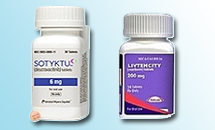
- Sotyktu, Livtencity to be reimb from April
- by Lee, Jeong-Hwan Mar 25, 2024 05:59am
- Sotyktu for plaque psoriasis and Livtencity 200 mg for cytomegalovirus (CMV) infection will be newly listed for reimbursement from the 1st of next month. GLP-1 receptor agonists (GLP-1 RAs, single-agent therapy, and combination therapy) will be reimbursed for use in combination with basal insulin therapy when a patient’s HbA1c level is 7% or higher, even with the use of metformin combination therapy. Reimbursement for the macular degeneration drug Beovu will be extended to cover diabetic macular edema, Rinvoq to moderate-to-severe active ulcerative colitis in adults, Cellcept to connective tissue disease-associated interstitial lung disease, and Soliris to optic neuromyelitis optica spectral disorder (NMOSD). The Ministry of Health and Welfare (MOHW) announced a notice on the partial amendment to the details of the criteria and methods for the application of reimbursement benefits (pharmaceuticals) that contained the changes above on the 22nd. A new reimbursement standard will be set for BMS’s psoriasis drug Sotyktu. Patients with chronic severe plaque psoriasis are eligible. Takeda Pharmaceutical’s Livtencity will be reimbursed for the treatment of cytomegalovirus (CMV) infection and disease following solid organ transplantation or hematopoietic stem cell transplantation. GLP-1 receptor agonists (GLP-1 RAs, single-agent therapy, and combination therapy) will be reimbursed for use in combination with basal insulin therapy when a patient’s HbA1c level is 7% or higher, even with the use of metformin combination therapy. Macular degeneration treatment Beovu will be reimbursed based on the same standards set for anti-VEGF agents in diabetic macular edema (up to 14 total doses per patient, including ranibizumab, faricimab, and aflibercept). Rinvoq’s reimbursement will be extended to cover treatment for adults with moderate-to-severe active ulcerative colitis. For the use of interleukin inhibitors and TNF-α inhibitors criteria set for its use in plaque psoriasis, the previous treatment criteria for the use of MTX or cyclosporine has been expanded to include "DMF administered in patients who were expected to have adverse reactions to MTX or cyclosporine or who are unable to continue treatment due to adverse reactions. Cellcept will be reimbursed for connective tissue disease-related interstitial lung disease, in addition to systemic neuropathy. The serum level criteria that had been applied to fertility medications such as Pergoveris and Luveris will be removed.
- InterView
- ‘New head, new drugs…Bayer’s transition has just begun'
- by Eo, Yun-Ho Mar 25, 2024 05:59am
- JinA Lee, CEO of Bayer Korea Everyone gets stuck at some point. The difference is in how quickly you resolve the situation and carry on. The multinational pharmaceutical giant Bayer Korea was certainly ‘stuck’ at one point. Although the company had released and successfully sold liver cancer treatments ‘Nexavar’ and ‘Stivarga,’ the anticoagulant ‘Xarelto,’ and the wet age-related macular degeneration treatment ‘Eylea,’ no news of the next 'big thing' had risen for a while. Also, some of the company’s new drugs were approved but had difficulty receiving reimbursement. But Bayer pushed through and has carried on. In the past 6 months, the company has launched the heart failure drug Verquovo and chronic kidney disease drug Kerendia with reimbursement, exerting the company’s strong foothold in the market as a cardiovascular powerhouse. There was also another notable major change in the company. For the first time in the company's 70 years of existence, a Korean head was appointed to lead the company. The new CEO, Jin-A Lee (53) took over in November last year. This holds great significance and symbolism as the company had previously been led only by foreigners, including Friedrich-Wilhelm Gause, Niels Hessmann, and Ingrid Drechsel. Amid the whirlwind of change, Dailypharm met up with Jin-A Lee, CEO of Bayer Korea to learn more about Bayer's transition, the new products and the new leader.. -You are the first Korean CEO of Bayer Korea. Has the company's policy changed? This year marks the 69th anniversary of Bayer's launch in Korea, and we will be celebrating our 70th year next year. As with all global companies, the connection between the global headquarters, regional subsidiaries, and local markets is essential in promoting growth in the early stages of new market entry. That's why competent leaders from global headquarters had been appointed. However, these days, about 80% of global pharmaceutical companies are appointing local leadership to head their subsidiaries. I believe I can explain Bayer's unprecedented decision to appoint a Korean representative at this point in time in two ways. First, due to the rising importance of the Korean market, the company has demonstrated its leadership and capabilities, exposed to various opportunities and experiences. Korea is already a very competitive market and we have high expectations on its sustainable growth, especially as an insurance market. Another reason is Korea’s excellent R&D environment. Many global companies including Bayer have been conducting clinical trials in Korea, and Korea’s value in early clinical trials to Phase III, Phase IV, and even RWD (Real-World Data) research has become more prominent. - Bayer had been slow in releasing new drugs. And the recent launch of Verquovo and Kerendia seems to mark the start of a generational change in the company’s pipeline. What expectations do you have for the new drugs that were recently launched? Bayer is known for its broad portfolio of therapies in cardiovascular, ophthalmology, cancer, and women's health. As you may well know, it is also one of the world's top 5 pharmaceutical companies in the cardiovascular market, driven by sales of Aspirin and Xarelto. We believe Verquvo and Kerendia will continue on the legacy. The drugs were developed specifically to address the growing complexity of complex chronic diseases and this will be innovative growth drivers in the heart and kidney sector amid the aging population. In that aspect, we are also particularly excited about Kerendia. Among patients with diabetes, which is a major chronic disease, up to 40% of the patients with type 2 diabetes are known to have chronic kidney disease, and type 2 diabetes accounts for half of the causes of end-stage renal failure in Korea. Unfortunately, no new reimbursed treatment option was introduced to this field for 20 years. And Kerendia became the first drug to target the unmet need in chronic kidney disease. - Let's talk about anti-cancer drugs. Many multinational companies are now focusing on strengthening their anticancer capabilities. It's become a trend. Bayer was considered a leader in liver cancer for a long time but hasn’t shown much progress since then. In Korea, the prostate cancer drug Nubeqa has been approved but is yet to be used actively in the field. In the case of Nubeqa, we are making multifaceted efforts to improve its access for prostate cancer patients in Korea in accordance with the domestic situation. However, it is still too early to give concrete updates on our progress. Most global pharmaceutical companies are indeed focusing on anticancer drugs these days, but Bayer seeks to provide new treatment options for a variety of diseases based on a balanced portfolio. Of course, this means that we will continue to work and discover innovative products in the field of cancer as well. - As you are Korean, you must have a good understanding of the Korean insurance reimbursement system. How do you plan to communicate with the government and the company hereon? As Korea has a single-payer market, limitations do exist due to limited finances. No matter how good or innovative a drug is, if it doesn't meet Korea’s insurance standards or doesn't meet the pharmacoeconomic evaluation criteria, it cannot be introduced into the country. This is very unfortunate. However the government is open to granting reimbursement for necessary drugs, so I think the role of the company is very important in communicating the value of our drugs, so we will focus on closing the gap between the two. For example, NTRK gene fusion cancer is a very rare cancer with a very small patient population, so we expected its reimbursement to be difficult. But Vitrakvi was successfully granted reimbursement based on its clinical efficacy and safety profile. We also worked tirelessly to convey the need for Kerendia and Verquvo in the Korean market to the global headquarters, and as a result, we were able to quickly release the drugs to the Korean market. -Bayer's organizational structure is changing at the headquarters level. The company has announced a new way of operations called ‘Dynamic shared ownership (DSO),’ which is a significant shift at the company level, organizing divisions by disease rather than by pipeline. A Korean subsidiary of another pharmaceutical company had face difficulties localizing such changes. Based on that, it seems a more flexible approach would be needed to apply the transition to your business operations. That is a very possible problem. Although DSOs can be termed differently in different companies, the model is becoming a trend in the global market. The idea is to create an agile organization that is better able to respond to situations to deliver value for patients and healthcare providers, but I would like to emphasize how Bayer is implementing the system differently in different countries, unlike others. Last year, the global CEO of Bayer held a conference with all of Bayer's subsidiaries. He said that changing the management system is similar to building a house and that you can't build an identical house in each country because the soil is different, and the environment is different. In other words, the big picture is the same, such as cutting through bureaucracy and simplifying approval processes, but the details and contextual decisions need to be tailored to each country.
- Policy
- Expanded ‘pre-notification for change approval’
- by Lee, Hye-Kyung Mar 25, 2024 05:59am
- The pilot system for ‘pre-notification for pharmaceutical change approval,’ which allows companies to predict the schedule of post-approval changes, will now applied to pharmaceuticals required for reporting production, imports, and supply disruptions. Since December 18th of last year, the Ministry of Food and Drug Safety (MFDS) has been implementing a pilot system for pre-notifying processing post-approval changes. The system was designed to consider the product’s manufacturing and import schedule and process the application within the due date specified by the applying company. Previously, post-approval changes were processed without notification once the MFDS completed the review according to the approval and review procedure. This made it difficult for applying companies to predict the date of change approval. The system has been updated to make the drug approval system flexible and reasonable. Starting this year, the MFDS pilot system for ‘pre-notification for pharmaceutical change approval’ will be expanded to drugs requiring reports of production, imports, and supply disruptions. The pre-notification system for post-approval changes, piloted until December 31st, includes the processing of change approvals for new drugs, orphan drugs, and cutting-edge biomedicines past the legal processing due date. Starting this year, the system will be expanded to include pharmaceuticals requiring reports of production, import, and supply disruptions, in order to ensure a stable domestic supply of pharmaceuticals. The list of pharmaceuticals subject to reporting production, import, and supply disruptions, posted annually by the Health Insurance Review and Assessment Service (HIRA), includes about 2,805 items (excluding duplicates) as of 2023, including anticancer drugs with 1-2 suppliers. Companies that wish to be pre-notified for pharmaceutical change approval can select ‘yes’ to the ‘modification of change date’ when filing an application to the MFDS. When adjustment dates were not specified at the time of application, companies can apply for the system via official letter until seven days before the processing deadline. If a company wishes to request a modification to the post-approval change date, it must specify the date after the legal processing date. For example, if the application's total processing period is 50 days, the company can specify the date within 50 working days of the processing deadline. However, companies cannot shorten the processing duration through this system because it was designed not to affect the existing approval review process. The pre-notification system only applies to cases where the application processing has to be delayed (extended) beyond the original processing deadline due to the drug's manufacturing or import schedule. Modifications to change approval date (extension) can generally be applied to products, except when they fall under one of the following criteria: ▲restrictions to efficacy, method-of-use, and dose that relate to the safety of the product ▲a change in warning labels ▲or when requiring importance and urgency. The MFDS will pilot the system until the end of December this year and decide on formal operation after an evaluation and review of the results. “For pharmaceutical, we receive many requests for simple changes or extension of the deadline for drugs with confirmed approval,” an official from the MFDS stated. “The pre-notification system is an additional administrative procedure designed to aid the industry. So we encourage companies to apply for the system when they need it.”
