
- LOGIN
- MemberShip
- 2026-06-24 04:51:52
- Company
- NIP vaccine Vaxneuvance lands in ‘Big 5’ hospitals in KOR
- by Eo, Yun-Ho Apr 11, 2024 05:44am
- The pneumococcal vaccine Vaxneuvance, which can now be received free of charge in Korea, is quickly landing in general hospitals in Korea. According to industry sources, MSD’s vaccine has passed the drug committees (DCs) of the ‘Big 5’ tertiary hospitals in Korea, including Samsung Medical Center, Seoul National University Hospital, Seoul St. Mary's Hospital, Seoul Asan Medical Center, and Sinchon Severance Hospital. It is also being rapidly supplied to local clinic-level institutions as well. Vaxneuvance, which has been included in the National Immunization Program (NIP) since January 1, is used to prevent invasive diseases and pneumonia caused by a total of 15 pneumoniae serotypes (1, 3, 4, 5, 6A, 6B, 7F, 9V, 14, 18C, 19A, 19F, 22F, 23F, and 33F) in all ages from 6 weeks of age and above. All children 2 months to 5 years of age who have not yet received the pneumococcal conjugate vaccine or who have started but have not completed their schedule are eligible to receive Vaxneuvance through NIP. Vaxneuvance confirmed its cross-immunization ability with the existing PCV13 through pediatric clinical studies, so children who have received at least one dose of existing PCV13 may cross-vaccinate the remaining recommended doses with Vaxneuvance. In addition to protection against the 13 serotypes it shares with PCV13, Vaxneuvance offers protection against two new serotypes, 22F, and 33F, which are the leading causes of invasive pneumococcal disease. With an increase in serotype replacement, which refers to the expansion of non-vaccine serotypes caused by serotypes not included in existing vaccines, being reported globally, Vaxneuvance is rising as a preventive option that meets the current pneumococcal disease situation. The immunogenicity of individual serotypes in a vaccine is as important as the range of prevention in vaccine selection criteria, as it can predict the efficacy of a vaccine. The World Health Organization (WHO) has recommendations for standardized immunogenicity testing of pneumococcal vaccines. In a total of 12 clinical studies on adults or infants, children, and adolescents, Vaxneuvance confirmed its immunogenicity was non-inferior to conventional PCV13 in the 13 shared serotypes, and superior against unique serotypes 22F and 33F, confirming equivalent levels of immunogenicity across all 15 serotypes included in the vaccine. In addition, there remained an unmet need for protection against serotype 3, which causes fatal invasive disease in children, as it continues to be reported following conventional pneumococcal vaccination, and Vaxneuvance confirmed superior immunogenicity over PCV13 against the serotype.
- Policy
- 4th-generation, 3 chamber IV nutrition receives reimb
- by Lee, Tak-Sun Apr 11, 2024 05:44am
- JW Pharmaceutical’s fourth-generation 3 chamber nutrient fluid was officially launched in January. Fourth-generation 3 chamber Total Parenteral Nutrition (TPN), with enhanced amino acids contents, are being introduced into the market. Following the reimbursement listing of related products by Baxter and JW Pharmaceutical, HK inno.N and Fresenius Kabi have joined the competition. Companies that competed previously in the third-generation market are now entering fourth-generation market. The 3-chamber nutrient fluid is an IV infusion product that contains 3-chamber bags for amino acids, lipids, and sugars. Recent fourth-generation products contain higher amino acid contents. On April 1, HK inno.N’s 'Omapplusone Inj' was listed for reimbursement at KRW 50,246. Last year, Olimel N12E Inj was listed as a third-generation product for reimbursement for the first time. From October to November of last year, four doses of Olimel N12E Inj (650, 1000, 1500, 2000 mL) were launched with reimbursement coverage. Its reimbursement ceiling prices are KRW 29,746 for the 650 mL product and KRW 55,202 for the 2000 mL product. JW Pharmaceutical’s Winuf A Plus Inj and Winuf A Plus Peri Inj entered the market as well. From November to December of last year, two Winuf A Plus Inj (1090, 1438 mL) products and two Winuf A Plus Peri Inj (1089, 1452 mL) products were listed for reimbursement. The minimum price was set at KRW 40,197 for Winuf A Plus Inj (1090 mL), and the maximum price was set at KRW 45,679 for (1452 mL) This year, HK inno.N reimbursement listed their products in February and this month. Seven products, including three Omapplusone Inj (986ml, 1477ml, 1970 mL) and four Omapplusone Peri Inj (724, 952, 1448, 1904 mL), were reimbursement listed. The company’s approach seems to offer a wide range of doses than its competitors. The minimum price was set at KRW 31,285 for Omapplusone Peri Inj (724 mL), and the maximum price was set at KRW 54,153 for Omapplusone Inj (1970 mL). Last January, Fresenius Kabi, a foreign pharmaceutical company, secured a listing of Ntense EF Inj (1012 mL) at KRW 40,197. It was reported that the company is currently in the process of pricing Ntense Inj. These four pharmaceutical companies compete intensely in the third-generation nutrition fluids market. In order of market share, JW Pharmaceutical, Fresenius Kabi, HK inno.N, and Baxter dominate the market, which is approximately KRW 150 billion. As pharmaceutical companies release their fourth-generation products into the market, tough competition for securing a place in the market is anticipated.
- Company
- Mundipharma Korea closes its opioid analgesics business
- by Son, Hyung-Min Apr 09, 2024 05:50am
- Mundipharma Korea is drastically reorganizing its opioid analgesics specialty drug business unit. This is the second time the Korean branch made such large-scale reshuffles since the bankruptcy of its US headquarters, Purdue Pharma in August 2022. The company is known to be searching for a domestic pharmaceutical company to take over the sales of its opioid analgesics and manage its sales with a minimum number of employees. According to industry sources on the 5th, the company is conducting an Early Retirement Program (ERP). This time the target is 25 sales and marketing employees in the specialty drug business unit for the opioid analgesics. The ERP compensation terms are monthly base salary*(years of service*2+9) + severance pay, calculated as of 2024. The retirement bonus is KRW 20 million for less than 5 years of service, KRW 30 million for less than 10 years of service, KRW 40 million for less than 15 years of service, and KRW 50 million for 15 years or more years of service. If an employee with 20 years of service whose monthly salary is KRW 5 million leaves the company, he or she will receive 49 months of salary plus KRW 50 million, or KRW 295 million. Mundipharma Korea is experiencing the aftermath of its U.S.-based Purdue Pharma's downsizing of its opioid analgesics division. Opioid analgesics have become a social problem in the U.S., with overdose deaths and addiction leading to trillions of dollars in fines for drugmakers. In 2019, Purdue Pharma agreed to pay a KRW 5 trillion settlement to 15 U.S. states after admitting that it aggressively marketed its opioid analgesic OxyContin and concealed its addictive properties. The company has filed for bankruptcy since then. Currently, the opioid analgesics sold by Mundipharma Korea in Korea are Norspan, OxyContin, IR cordon, Targin, OxyNorm, etc. The combined annual sales of these products grossed around KRW 30 in 2023. However, sales of all of these products have been declining since 2019. Currently, Mundipharma Korea is looking for a domestic pharmaceutical company that can handle the sales of its opioid analgesics. It plans to retain 4 internal employees (two wholesale call sales personnel, one collaboration personnel, and one strategy personnel) to manage the distribution network. Psychotropic drugs such as Norspan will be sold and distributed by the partner company, and the other products will be distributed by Mundipharma Korea. This is why the company seeks to only retain the staff necessary for distribution and collaboration. The company said, "This personnel reduction decision was made on a global level, and the local management has no authority to make decisions on the matter.” The company's labor union is also expressing dissatisfaction. A union official said, "The company had carried out a personnel restructuring a year and a half ago, and we have been showing high productivity with the remaining few. So we feel a greater sense of loss with this year’s reduction. The negotiations regarding our job security are at a standstill. We are also in the process of wage negotiations, but feel like the company is drawing a line." "Sales of major opioid analgesics are down, but I think the 25 people have done a good job of covering the work that had been done by over 100 people. It is disappointing that this effort has not been recognized and that the company has shown no willingness to avoid layoffs."
- Policy
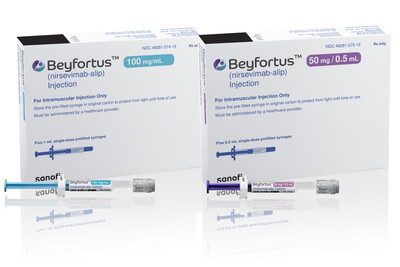
- Approval of Beyfortus imminent in Korea
- by Lee, Hye-Kyung Apr 09, 2024 05:50am
- Beyfortus (nirsevimab), a long-acting antibody designed to prevent respiratory syncytial virus (RSV) in infants that was jointly developed by Sanofi and AstraZeneca, is soon to receive marketing authorization in Korea. According to the minutes of the Central Pharmaceutical Affairs Council meeting held on March 6, which was released by the Ministry of Food and Drug Safety on the 5th, the members discussed the "feasibility of granting marketing authorization based on the submitted data, which includes bridging data” for an RSV vaccine and concluded that it was “feasible” Although the name of the product was not disclosed in the minutes, the discussed item appears to be Beyfortus, which applied for approval last year, based on how the unnamed drug 'can be used in healthy children', and submitted data on clinical trials conducted on newborns, and dosages divided into weight groups. Beyfortus is approved and used in the U.S. and Europe for the prevention of RSV lower respiratory tract disease in neonates and newborns born during the RSV season or will experience the first RSV season, and in infants up to 24 months of age who are susceptible to severe RSV disease during their second RSV season. RSV is a contagious virus that affects the lungs and breathing when infected and is a potentially life-threatening and serious condition primarily in young infants, people with certain chronic medical conditions, and the elderly. It is estimated that RSV kills approximately 102,000 children worldwide each year. The CPAC discussed the feasibility of the drug’s approval with the included bridging data, and one member said, "Although the number of Korean subjects is small, the characteristics of the drug and the disease do not appear to be sensitive to ethnicity. We believe that it can be authorized.” Existing treatments had limitations in preventing RSV disease in high-risk populations, but this drug could be used in healthy children, potentially expanding RSV prevention options. However, it was also mentioned that post-marketing surveillance (second review) would be required as it is a new drug. One committee member said, "The pharmacokinetics, ADA, and other evaluation indices presented from post-marketing clinical trials in 20 infants have limitations due to difficulties in blood collection and data interpretation." Another said that future safety monitoring and continuous follow-up on the RSV epidemic in Korea would also be necessary. Regarding this, the MFDS said, "There are cases where deliberations had been made using bridging data. We wanted to discuss the feasibility of its approval and ways to supplement the lack of data. The existing RSV drug was exempted from submitting bridging data because it was an orphan drug." Regarding the dosage, the CPAC said that the dosage of the existing product is 15mg/kg, this drug is administered at a fixed dose by weight group (less than 5 kg / more than 5 kg). Therefore, although there may be a difference in exposure for those on the borderline of weight, it would not be a problem for ease of use. The CPAC chairman said, “Our members concluded that when considering the mechanism of action of how the drug binds to the virus, the drug is not expected to be sensitive to ethnic factors, and the actual data also proved as such. Based on the data confirming that the binding site of the virus has not mutated or developed resistance, and the unmet medical need, the drug’s marketing authorization is deemed feasible.” If and when Beyfortus is approved, Sanofi will be responsible for its domestic marketing and sales.
- Company
- Korean and global pharmas in race for lung cancer drugs
- by Son, Hyung-Min Apr 09, 2024 05:50am
- Pharmaceutical and biotechnology companies in South Korea are conducting clinical trials to overcome drug resistance in conventional non-small cell lung cancer (NSCLC) therapy. These companies are developing 4th-generation lung cancer treatments that have proven effective in patients with drug resistance after the use of 1st-to-3rd-generation targeted therapies. Conventional EGFR-positive NSCLC therapies are categorized into 1st-generation AstraZeneca’s Iressa (gefitinib) and Roche’s Tarceva (erlotinib), 2nd-generation Boehringer Ingelheim’s Giotrif and Pfizer’s Vizimpro (dacomitinib), and 3rd-generation Yuhan Pharmaceutical’s Leclaza (lazertinib) and AstraZeneca’s Tagrisso (osimertinib). However, drug resistance can still occur when using targeted therapies with proven effectiveness. The C797S mutation is the most common mutation in EGFR-positive targeted therapies. Treatment options following the targeted therapies are limited. Patients with resistance to targeted therapies have the option of using anticancer chemotherapy, docetaxel, or cancer immunotherapy. However, these drugs do not significantly improve response rates. Latecomer companies target a C797S mutation that causes resistance after the conventional 1st-to-3rd-generation targeted therapies, aiming to seek commercialization opportunities. The analysis is that these drugs compete against antibody-drug conjugates (ADC), which have proven effective in patients resistant to targeted therapies, for commercialization. The K-Bio industry is conducting clinical trials targeting C797S mutation According to industry sources on April 6, domestic biotech venture J INTS BIO presented clinical phase 1/2 results on its 4th-generation EGFR-positive candidate JIN-A02. Byoung Chul Cho (Director of the Lung Cancer Center at Yonsei Cancer Hospital), who is also in charge of Leclaza and Rybrevant, leads the clinical stage of JIN-A02. JIN-A02, a 4th-generation EGFR tyrosine kinase inhibitor (TKI), has an underlying mechanism of action that selectively binds to C797S, which causes resistance to 3rd-generation NSCLC treatment. In the clinical study, JIN-A02 confirmed a partial response (PR) in one patient and stable disease (SD). J INTS BIO explained that among 4th-generation EGFR-TKI treatments, it is the first instance of PR in patients with the C797S mutation. Bridge Biotherapeutics is developing BBT-207, a 4th-generation EGFR-positive lung cancer treatment. A phase 1/2 trial of BBT-207 is currently being conducted, enrolling 90 patients with EFGR-positive NSCLC in South Korea and the United States. Bridge Biotherapeutics plans to understand data on different mutations in patients acquired through liquid biopsy. In a preclinical trial, BBT-207 demonstrated anti-tumor effectiveness in various EGFR mutations, including the C797S mutation. Therapex has received approval from the Ministry of Food and Drug Safety (MFDS) for a phase 1/2 TRX-221 trial last month. Therapex plans to determine the recommended dose in Phase 1 and assess effectiveness in Phase 2a. The company aims to obtain approval for the indication in advanced NSCLC with EGFR C797S mutation. Previously, Therapex demonstrated the drug’s dose-dependent anticancer efficacy and blood-brain barrier (BBB) permeability in a Tagrisso-resistant brain tumor mouse model. Voronoi has obtained approval for a phase 1 trial in South Korea and is conducting the clinical trial. Voronoi also targets EGFR C797S. Through this phase 1 trial, the company plans to evaluate the drug’s effectiveness against the C797S-resistant mechanism of action. HK inno.N is conducting research on IN-119873, a 4th-generation targeted anticancer treatment, for patients who have shown resistance in the first-line treatment of NSCLC or have an L858R mutation. Unlike conventional treatments that target the binding site of adenosine triphosphate (ATP), an energy source of cancer cells, IN-119873 targets the allosteric binding site (one of the protein binding sites) of the EGFR, providing a significant advantage. Korean and overseas companies are developing fourth-generation EGFR-positive targeted lung cancer treatments. For overseas pharmaceutical companies, Black Diamond Therapeutics leads the clinical race…Will it surpass ADC Overseas pharmaceutical companies, as well as Korean biotechnology companies, are actively conducting clinical trials on 4th-generation lung cancer treatments. Black Diamond Therapeutics confirmed the highest number of partial responses (PR) in their phase 1/2 clinical trial. They are repurposing their existing brain tumor treatment, BDTX-1535, as a 4th-generation lung cancer targeted therapy. In a clinical trial targeting NSCLC patients with acquired resistance to targeted therapy, Black Diamond Therapeutics's 4th-generation EGFR-TKI treatment, BDTX-1535, yielded results of five patients with partial response (PR) and six patients with stable disease (SD) out of a total of twelve. In contrast, the U.S.-based Blueprint Medicines faces difficulties in drug development as it failed to confirm efficacy in Phase 1 clinical trials. The company faced setbacks with its 4th-generation targeted therapy candidate, BLU-945 monotherapy. However, the company is currently exploring the possibility of commercializing it as a combination therapy with Tagrisso. Blueprint Medicines plans to target exon 21 L858R mutations rather than the C797S mutation in Tagrisso-resistant patients. However, the commercialization of these targeted therapies faces a challenge in surpassing ADC clinical results. Currently, Daiichi Sankyo and MSD are jointly developing an ADC that has shown effectiveness in Tagrisso-resistant patients, and their data are being disclosed. Daiichi Sankyo and MSD’s Patritumab deruxtecan, which targets human epidermal growth factor receptor 3 (HER3), has shown effectiveness in EGFR-TKI patients compared to platinum-based chemotherapy in the phase 2 HERTHENA-Lung01 study. In the clinical trial, patritumab demonstrated complete responses (CR) and confirmed 66 partial responses (PR). The objective response rate (ORR) was observed at 29.8%. Currently, this treatment is designated as a priority review drug by the U.S. Food and Drug Administration (FDA), with approval expected to be finalized in June of this year.
- Opinion
- [Reporter’s View] Delays in reimbursement listing
- by Lee, Tak-Sun Apr 09, 2024 05:50am
- Last January, the Health Insurance Review and Assessment Service (HIRA) posted a document explaining the delay in listing and related press reports. The message was that the HIRA strives to implement faster listing, but pharmaceutical companies must cooperate. “Pharmaceutical companies must submit relevant documents for drugs subjected to the cost-effectiveness evaluation waiver system because cost-effectiveness of the drug may be determined vague,’ the HIRA said. “To shorten the evaluation period, proactive cooperation from pharmaceutical companies by submitting comprehensive data demonstrating the clinical utility and cost-effectiveness of drugs is necessary,” the HIRA emphasized. During the National Assembly audit in October last year, swift reimbursement orders for the cancer drug 'Enhertu inj' and the orphan drug 'Ilaris inj' emerged, and there have been numerous press releases related to the issue. In January, media coverage asking for swift reimbursement peaked as Enhertu inj and Ilaris inj were not yet under review by the Drug Reimbursement Evaluation Committee (DREC). The press primarily focused on the HIRA’s assessment delay. None of the articles demanded that pharmaceutical companies swiftly submit comprehensive documents. In January, HIRA’s explanatory document included such complaints and resentments. “During the early stage of reimbursement assessment, some pharmaceutical companies leave out important documents,” an official from the HIRA explained. Again, in the February DREC review, Enhertu received reimbursement appropriateness following the January DREC review. In March, negotiations for drug prices were completed. Starting in April, Enhertu is reimbursed for the upper limit amount of KRW 1,431,000 for patients with HER2 expression-positive metastatic breast cancer or gastric cancer who have received prior treatments. On the other hand, reimbursement for Ilaris is still under review. In March, the DREC conditionally recognized the reimbursement appropriateness pending further submission of evidence by the pharmaceutical company. After the pharmaceutical company raised objections, it was reviewed again in April. However, the DREC review delivered the same conclusion. Now, the pharmaceutical company has to make its decision. There has been a lot of media attention recently on medications that are intended for patients with low numbers or severe conditions. While insurers want to provide reimbursements quickly to address patients' urgent needs, they need to consider both the effectiveness and cost of the medication. Therefore, a thorough evaluation is necessary from the insurer's perspective. Recently, media reports urging swift reimbursement put psychological pressure on the HIRA. “There is significant pressure to accommodate patient community demands through media coverage. HIRA handles these issues through informal complaint-handling rather than formal procedures, leading to increased workload and stress for staff,” according to a recent report on ‘Comparison of Reimbursement Management Systems for High-cost Drugs in Korea and Overseas (researcher Kim Yoo-jung).’ The media often blames the HIRA for delays in the reimbursement assessment of drugs, hindering its normal operations. Recently, the HIRA announced its intention to expedite the inclusion of high-cost anticancer drugs and orphan drugs through a "pre-entry, post-assessment" policy. This means that even for Ilaris, the assessment results may follow a post-evaluation format for prioritized entry. While HIRA has played its card, whether the market is mature enough to accept this approach remains uncertain. Criticism accusing HIRA of passing on responsibility for insufficient data from pharmaceutical companies may not be entirely justified. According to HIRA, achieving swift reimbursement requires the cooperation of both HIRA and pharmaceutical companies. It's the responsibility of both parties to ensure swift inclusion. Pressuring for speedy inclusion through public opinion can cause more disruption instead of facilitating the process. Establishing formal administrative procedures that allow patients to participate in decision-making, as demonstrated in the recent HIRA study, is essential. This will clear up misunderstandings around current assessments and ensure impartial evaluations. Advocating for reimbursement through the National Assembly or the media is not legitimate.
- Company
- Ilaris reimb passes DREC review, but again with a condition
- by Eo, Yun-Ho Apr 09, 2024 05:50am
- The orphan drug 'Ilaris' has again received a conditional reimbursement decision in Korea. Ilaris (canakinumab), Novartis Korea’s treatment for hereditary periodic fever syndrome, was quickly resubmitted to the Health Insurance Review and Assessment Service's Drug Reimbursement Evaluation Committee on the 4th after receiving a conditional reimbursement decision at the same level in February but faced the same results. However, whether the scope of additional data requested by the government was reduced compared to before remains key to the drug’s road to reimbursement. Novartis was unable to accept the conditions set by the DREC in February. However, it is unlikely that DREC would have set the same level of additional documentation requirements in its second conditional reimbursement decision. In other words, what the government took into consideration this time and whether the drugmaker accepts the new terms will determine the future fate of Ilaris. Since being approved in 2015, Ilaris has already failed two reimbursement attempts. With patients waiting more than 8 years, it will be interesting to see if the government and the pharmaceutical company can reach an agreement and move toward expanding coverage. Ilaris is indicated in Korea to treat ▲Cryopyrin-Associated Periodic Syndromes (CAPS), ▲Tumor Necrosis Factor Receptor Associated Periodic Syndrome (TRAPS), ▲hyperimmunoglobulin D Syndrome (HIDS)/Mevalonate Kinase Deficiency (MKD), ▲ Familial Mediterranean Fever (FMF), and ▲ Systemic juvenile idiopathic arthritis (JIA). Among the indications, CAPS is further categorized into ▲Familial Cold Autoinflammatory Syndrome (FCAS)/Familial Cold Urticaria (FCU), ▲Merkle-Wells Syndrome (MWS), and ▲Neonatal Onset Multisystem Inflammatory Disease (NOMID)/Chronic Infantile Neurological Cutaneous Articular Syndrome (CINCA). With such a small patient population and complex indications, reimbursement discussions for the drug have not been easy. The number of patients for the many indications of Ilaris’ is extremely small. Some indications for Ilaris don't even have disease codes or have only recently been registered. Dr. Dae-Cheol Jeong, President of the Korean College of Pediatric Clinical Immunology (Department of Pediatrics, St. Mary's Hospital, Seoul, Korea), said, "There are many challenges to reimbursing Ilaris because due to its very specific indications and the very small number of patients each. The current situation is regrettable as some patients are even considering emigrating to countries where Ilaris can be prescribed with reimbursement."
- Company
- Two new CML drugs were granted reimbursement in one year
- by Eo, Yun-Ho Apr 08, 2024 05:46am
- (Upper picture)Scemblix, Bosulif The chronic myelogenous leukemia (CML) treatment market is starting to show activity again. According to industry sources, treatment options for CML have been expanded with the reimbursement of Novartis Korea's 4th generation CML treatment ‘Scemblix (asciminib) in July last year, and Pfizer Korea’s 2nd generation drug 'Bosulif (bosutinib)’ this year. Scemblix, a next-generation drug, made headlines when it finalized its reimbursement listing process within a year of its application. Although it is a fourth-generation drug, its estimated cost was comparable to its third-generation alternative, Korea Otsuka Pharmaceutical’s ‘Iclusig (ponatinib),’ and was listed without drug pricing negotiations by accepting a price less than 100% of the weighted average price (WAP) of its alternative. The reimbursement process for Bosulif was not so slow either. Bosulif, which was approved in Korea in January last year, is a 2nd generation-targeted anticancer therapy like Novartis Korea’s ’ ‘Tasigna (nilotinib),’ BMS Korea’s ‘Sprycel (dasatinib),’ Il-Yang Pharmaceutical’s ‘Supect (ladotinib)’. The drug, which was approved in January, has been commercialized later in Korea than in other countries as it was approved by the U.S. FDA in 2012 but submitted reimbursement applications immediately after receiving marketing authorization and smoothly became listed for reimbursement in January this year. However, the reimbursement standard for Bosulif is under controversy. The reimbursement standard for Bosulif was set as "second-line or later treatment for patients with Philadelphia chromosome-positive chronic myeloid leukemia aged 18 years or older in chronic phase, accelerated phase, or blast phase who are resistant or intolerant to prior therapy that contained imatinib,” which is narrower than the indication it was granted for by the MFDS. In response, the Korea Leukemia Patients Organization issued a statement calling for Bosulif’s reimbursement in the first-line and for pediatric patients. Pfizer is also known to be considering expanding reimbursement to those indications. Meanwhile, Scemblix was approved as a treatment for adult patients with Ph+ CML in the chronic phase previously treated with two or more tyrosine kinase inhibitors (TKIs) after demonstrating its safety and efficacy through the Phase III ASCEMBL trial. Study results showed that Scemblix improved the rate of major molecular response (MMR) compared to its comparator bosutinib by 2 times. Also, the rate of treatment discontinuation due to adverse reactions in the Scemblix group was 5.8%, about one-fourth of the control group's 21.1%, confirming its overall safety profile. Bosulif’s safety and efficacy were verified through the Phase III NCT02130557 trial that was conducted on patients with newly diagnosed Ph+ CML. The major efficacy outcome measure was the major molecular response (MMR) at 12 months. Results showed that MMR at 12 months was 47% in the Bosulif arm and 36% in the Glivec (imatinib) arm. MMR at 60 months was 74% in the Bosulif arm and 66% in the Glivec arm. The median time to MMR in respondents after 60 weeks of follow-up was 9.0 months in the Bosulif arm and 11.9 months in the Glivec arm.
- Company
- Early breast cancer treatments fail to get reimb in KOR
- by Eo, Yun-Ho Apr 08, 2024 05:46am
- It seems unlikely that a new reimbursed option will be introduced to the early breast cancer environment anytime soon. First, Lilly Korea again failed to overcome the barrier of the Health Insurance Review and Assessment Service's Cancer Disease Review Committee for its CDK4/6 inhibitor Verzenio (abemaciclib). This was the company’s second failed attempt to receive reimbursement for the drug in Korea. Verzenio was the only new drug available for HR+/HER2- breast cancer other than the endocrine therapy letrozole generic. In the field of early-stage breast cancer, Lilly Korea faced challenges in presenting Verzenio’s reimbursement to be deliberated by the Drug Reimbursement Evaluation Committee from its initial attempt. Verzenio’s reimbursement was presented as an agenda in May last year, 6 months after submitting its application, but received a 'no reimbursement standard established' result. The company resubmitted its to HIRA 5 months later in October. Following Verzenio's reapplication, a petition titled "Request for Reimbursement of Verzenio, a targeted therapy for early breast cancer," was posted on the Cheong Wa Dae National Petition Board the same month. Lilly added the 5-year monarchE data presented at the 2023 European Society for Medical Oncology (ESMO) Congress to reinforce its evidence but failed its second attempt as well. This makes Verzenio's reimbursement unlikely for the foreseeable future in Korea. There is another drug pending in the early breast cancer space that is seeking reimbursement in Korea as well. Bixlink Therapeutics' Nerlynx (neratinib maleate) is also struggling to reach the reimbursement stage. Nerlynx is used for HER2+ early breast cancer, just like Verzenio is used for HER2- breast cancer. Nerlynx is indicated for the extended adjuvant treatment of patients with early-stage hormone receptor-positive HER2-positive breast cancer and who completed adjuvant ‘trastuzumab-based therapy’ less than 1 year ago. However, reimbursement for Nerlynx has been pending after failing the first attempt in February last year and the reattempt in December of the same year, and no news of its reimbursement progress has been heard of since. However, in March 2023, the U.S. National Comprehensive Cancer Network (NCCN) treatment guidelines raised the level of evidence for Verzenio+endocrine therapy to Category 1 from Category 2A for adjuvant therapy in HR+/HER2- high-risk breast cancer patients. Nerlynx is also recommended in the NCCN guidelines as a treatment for early-stage and metastatic breast cancer.
- Company
- Sanofi’s Dupixent sales skyrocket after expanded indication
- by Nho, Byung Chul Apr 08, 2024 05:46am
- Cinqair, Dupixent, Xolair, and Fasenra (clockwise from top-left). Sanofi-aventis Korea’s Dupixent (dupilumab) has accomplished outstanding external growth in the market for asthma biologic treatments. Based on pharmaceutical drug sales performance, Dupixent generated sales of KRW 143.1 billion last year. It has been ranked as the top-selling drug for the past five years. Dupixent sales were around KRW 8 billion in 2019 but have grown 1688% in four years. Dupixent secured its position as the leading product in the market by having a wider range of indications than its competitors. It has been approved for efficacy and effectiveness in type 2 inflammatory asthma, severe eosinophilic asthma, corticosteroid-dependent asthma, and atopic dermatitis. Among biologic asthma therapies, it offers the most treatment options. Notably, prurigo nodularis is related to type 2 inflammatory diseases, including atopy and asthma, and almost half of the patients with prurigo nodularis also have atopic diseases. Dupixent is the only biologic to target this disease. Novartis’ Xolair (omalizumab) ranked second and generated KRW 5.0 billion, KRW 6.1 billion, KRW 11.6 billion, KRW 15.7 billion, and KRW 21.1 in the last five years. Xolair has also consistently shown an upward trend in the sales curve. According to analysis, it is due to Xolair’s wide range of approved indications, such as allergic asthma, chronic sinusitis, and chronic idiopathic urticaria. Cinqair (reslizumab), which followed Xolair, generated approximately KRW 1.6 billion in sales last year. GSK’s Nucala (mepolizumab) and AstraZeneca’s Fasenra (benralizumab) have each shown performances in 2023, approximately KRW 700 million and KRW 400 million, respectively. Currently, Cinqair, Nucala, and Fasenra have indications for severe eosinophilic asthma only. Asthma treatment sales performances in the market (Nucala, Dupixent, Cinqair, Xolair, and Fasenra). According to South Korea’s asthma treatment guidelines, low-dose inhaled corticosteroids (ICS) and formoterol are recommended as the first-line asthma treatment. When short-acting beta agonists (SABA) are used as an alternative strategy, low-dose ICS is combined. Therapies recommended in second-to-fourth-line treatment include ICS plus leukotriene receptor antagonist or ICS plus beta 2 agonist. Fifth-line treatment involves tiotropium, anti-IgE agents (omalizumab), anti-IL/5R agents (mepolizumab, reslizumab, benralizumab), or anti-IL-4R agents (dupilumab). However, reimbursement does not cover combination therapies using biologics, such as Xolair, Nucala, and Cinqair, in treating severe asthma patients.
