
- LOGIN
- MemberShip
- 2026-06-14 08:30:07
- Policy
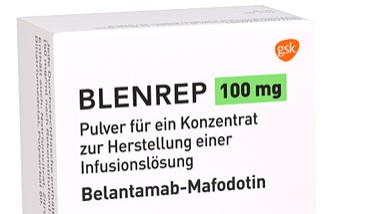
- Multiple myeloma drug 'Blenrep inj' seeking reimbursement
- by Jung, Heung-Jun Apr 08, 2026 07:47am
- GSK Korea's Blenrep inj (belantamab mafodotin), a new treatment for multiple myeloma, has officially entered the race for health insurance reimbursement listing.It has been just three months since receiving marketing authorization in December of last year as a designated new drug under the Global Innovative Product on Fast Track (GIFT) system.According to industry sources on the 8th, GSK Korea recently submitted an application to the Health Insurance Review and Assessment Service (HIRA) for the determination of reimbursement for Blenrep.Blenrep is a first-in-class Antibody-Drug Conjugate (ADC) targeting the B-cell maturation antigen (BCMA), which is overexpressed on the surface of multiple myeloma cancer cells. It induces cell death by releasing cytotoxic agents directly into the cancer cells. It has been approved as a second-line treatment for adult patients with relapsed or refractory multiple myeloma who have received at least one prior therapy.Blenrep holds clinical value by expanding treatment options for hematologic malignancies in an ADC market that has been focused on solid tumors in recent years, represented by drugs like Enhertu and Trodelvy.The approved indications in Korea are not for monotherapy but for combination therapies with ▲bortezomib and dexamethasone ▲ pomalidomide and dexamethasone.While the Central Pharmaceutical Affairs Council (CPAC) of the Ministry of Food and Drug Safety (MFDS) previously raised concerns regarding ocular toxicity, it concluded that the clinical benefits outweigh the risks. Consequently, the approval included management conditions, including regular ophthalmic examinations and the use of monitoring checklists.The approved dosage and administration also include requirements for eye exams and dose adjustments to manage adverse reactions. The upcoming reviews by the Cancer Disease Review Committee and the Pharmaceutical Reimbursement Evaluation Committee are expected to involve a thorough examination of reimbursement criteria and verification of cost-effectiveness in light of these requirements.Since this drug was approved as a second-line combination therapy to be used alongside existing anticancer drugs, analyzing the impact on National Health Insurance finances due to increased total treatment costs and negotiating Risk Sharing Agreements (RSA) are expected to be significant challenges in the listing process.

- Company
- K-biosimilars gain influence in domestic market
- by Chon, Seung-Hyun Apr 08, 2026 07:46am
- Domestically developed biosimilars have gradually expanded their influence in the domestic market. Celltrion’s Remsima and Samsung Bioepis’s Onbevezi competed for the top spot by a narrow margin, both recording sales in the KRW 40 billion range. Celltrion’s Prolia biosimilar, joined by Daewoong Pharmaceutical, surpassed KRW 10 billion in sales in its first year of release. This trend reflects the increasing involvement of traditional pharmaceutical companies in biosimilar sales, which has strengthened market penetration.According to the Financial Supervisory Service on the 7th, Celltrion’s Remsima recorded KRW 45.5 billion in sales last year, up 3.4% year-on-year, securing the top spot among domestically developed biosimilars. In 2024, Samsung Bioepis’s Onbevzi took the lead with KRW 45.2 billion, but last year Remsima overtook it by KRW 5.5 billion. The figures are based on sales disclosed by Celltrion Pharm and Boryung, which handle domestic sales for Celltrion and Samsung Bioepis biosimilars, respectively.Remsima is a biosimilar of the autoimmune treatment Remicade. It was approved in 2012 as Korea’s first domestically developed antibody biosimilar. It is used to treat Crohn’s disease, ankylosing spondylitis, ulcerative colitis, and rheumatoid arthritis.Onbevzi is a biosimilar version of the oncology drug Avastin. It is an anticancer drug used to treat metastatic colorectal cancer, metastatic breast cancer, non-small cell lung cancer, advanced or metastatic renal cell carcinoma, glioblastoma, epithelial ovarian cancer, fallopian tube cancer, primary peritoneal cancer, and cervical cancer.Being the first biosimilar product introduced to the domestic market, Remsima had long led sales, but the rapid growth of Onbevzi since its introduction shifted the market into a duopoly structure.In 2023, Remsima maintained a narrow lead of KRW 0.8 billion, but in 2024, Onbevzi overtook it for the first time by KRW 1.2 billion. However, Onbevzi’s sales declined 11.5% year-on-year to KRW 40 billion last year, allowing Remsima to regain the top position.The domestic biosimilar market is drawing attention as a battleground driven by traditional pharmaceutical companies’ sales capabilities.In the Avastin market, Samsung Bioepis launched Onbevzi in September 2021, followed by entries from Celltrion and Alvogen Korea. As the first entrant, Onbevzi maximized its advantage by leveraging tailored sales strategies. Samsung Bioepis also secured an exclusive domestic sales agreement with Boryung immediately after approval. Boryung is known for its strong presence in oncology sales.Celltrion’s biosimilars are marketed domestically through Celltrion Pharm. Celltrion’s Herzuma, a biosimilar version of Herceptin, recorded KRW 21.9 billion in sales last year, up 2.8%, ranking behind Onbevzi and Remsima. Truxima, a biosimilar version of MabThera, recorded KRW 12.3 billion in sales, up 7.9%.While domestically developed biosimilars are still far from achieving commercial success in the global market, they appear to be gradually expanding their influence with the support of traditional pharmaceutical companies.Last year, 8 of Celltrion’s 12 biosimilar product lines sold in the global market exceeded KRW 100 billion in sales. Remsima recorded sales of KRW 1.0495 trillion last year, surpassing the KRW 1 trillion mark for the second consecutive year.Remsima SC generated KRW 717.2 billion in sales, up 27.1% year-on-year. Zymfentra grew from KRW 36.6 billion in 2024 to KRW 122.2 billion last year, more than tripling and surpassing KRW 100 billion. Remsima SC is a subcutaneous formulation developed from the original intravenous Remsima, and it has been approved in the U.S. as a new drug under the name Zymfentra. Truxima and Herzuma generated sales of KRW 526.3 billion and KRW 217.1 billion, respectively, in the global market last year.Recently, sales competition has been intensifying with traditional pharmaceutical companies joining the biosimilar market en masse.Samsung Bioepis has established disease-specific sales capabilities tailored to biosimilars.It initially partnered with Daewoong Pharmaceutical for its Herceptin biosimilar in 2017 but switched to Boryung in 2021. Immediately after receiving domestic approval for Onbevzi, a biosimilar of Avastin, in 2021, the company signed an exclusive domestic sales agreement with Boryung. Samsung Bioepis selected Samil Pharmaceutical as the sales partner for biosimilars of Lucentis and Eylea, treatments for ophthalmic diseases.Last year, Samsung Bioepis selected Hanmi Pharmaceutical as its domestic sales partner for its Prolia biosimilar Obodence. Samsung Bioepis handles production and supply, while both companies jointly manage marketing and sales. Its original version, Prolia, which was developed by Amgen, works by inhibiting the activity of osteoclasts that break down bone, thereby preventing bone resorption and increasing bone density. It prevents bone loss in postmenopausal women and reduces the risk of fractures, while in cancer patients, it inhibits bone metastasis and protects bone structure to reduce complications.Daewoong Pharmaceutical signed a joint sales and distribution agreement with Celltrion Pharm last year and began domestic sales of Celltrion’s Prolia biosimilar, Stoboclo. Daewoong Pharmaceutical is conducting joint sales of Stoboclo with Celltrion Pharm at general hospitals and clinics nationwide. Celltrion has sold biosimilars in the domestic market through its affiliate, Celltrion Pharm. Stoboclo is the first Celltrion biosimilar to be sold by a pharmaceutical company other than Celltrion Pharm. Stoboclo generated sales of KRW 11.8 billion last year.Daewoong Pharm’s strategy is to expand prescriptions at major general and university hospitals nationwide to grow Stoboclo into a ‘mega blockbuster’ with annual sales exceeding KRW 100 billion. Currently, Stoboclo has been introduced to more than 50 major general and university hospitals nationwide, rapidly expanding its prescription base. Daewoong has also joined the sales efforts for LG Chem’s Humira biosimilar Xelenka.
- Company
- Tepmetko shifts MET-mutated lung cancer treatment paradigm
- by Son, Hyung Min Apr 08, 2026 07:46am
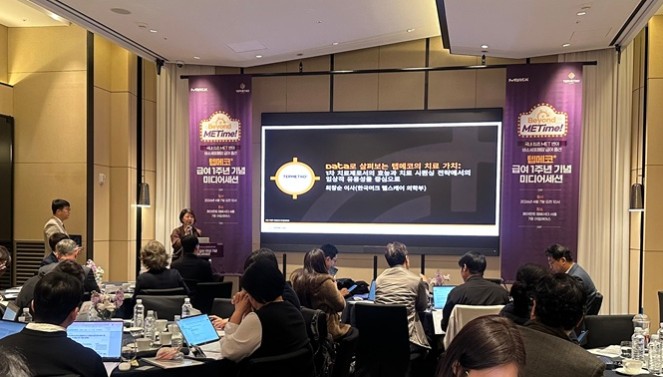
- The treatment landscape for non-small cell lung cancer (NSCLC) MET exon 14 skipping alterations is undergoing significant changes within one year of Tepmetko’s reimbursement introduction. In a rare mutation area where targeted treatment options were previously limited, both clinical efficacy and patient access have improved with the introduction of Tepmetko, prompting a redefinition of treatment strategies and highlighting the growing importance of biomarker-based precision medicine.On the 7th, Merck Korea held a press conference at the Fairmont Hotel in Yeouido, Seoul, to commemorate the first anniversary of the reimbursement of Tepmetko (tepotinib), a treatment for non-small cell lung cancer (NSCLC), and shared clinical outcomes and changes in the actual clinical setting.A view of the press conference marking the first anniversary of Tepmeco’s reimbursement coverage in KoreaTepmetko was approved in Korea in 2021 as a treatment for locally advanced or metastatic NSCLC with MET exon 14 skipping alterations and has been reimbursed since April last year. It works by selectively inhibiting MET phosphorylation and downstream signaling, thereby blocking tumor cell proliferation and migration.MET exon 14 skipping is a representative mutation that causes dysregulation of MET signaling and is known to promote tumor growth and metastasis. Although it is a rare mutation found in approximately 3–4% of metastatic NSCLC patients, it is associated with a poor prognosis and aggressive disease.Clinical evidence has also accumulated. In the global Phase II VISION study, Tepmetko demonstrated tumor reduction in over 90% of patients, with an objective response rate (ORR) of 58.6%, progression-free survival (PFS) of 15.9 months, and overall survival (OS) of 29.7 months. The duration of response was 46.4 months, confirming long-term treatment benefits.Subgroup analysis in Asian patients showed similar results, with an ORR of 56.6%, PFS of 13.8 months, and OS of 25.5 months, indicating consistent therapeutic benefits in patient populations including Koreans.Professor Ji-Youn Han of the Department of Hematology and Oncology at the National Cancer Center said, “Before Tepmetko’s introduction, there were no reimbursed treatment options targeting MET mutations, limiting patient access. Significant changes have emerged in the treatment landscape for rare lung cancers in the year since Tepmetko’s reimbursement.”Need grows for NGS-based testingProfessor Ji-Youn Han of the Department of Hematology and Oncology at the National Cancer Center\As targeted therapies for NSCLC continue to emerge, the need for next-generation sequencing (NGS) is also increasing.In NSCLC, multiple biomarkers exist, including MET, EGFR, ROS1, ALK, BRAF, KRAS, and RET. NGS offers the advantage of being able to test for these biomarkers all at once.While Professor Han positively noted that personalized treatment has become possible even for rare lung cancers such as those with MET mutations, she also pointed out the limitation of how access to NGS-based testing is limited for patients in practice.She explained, “In Korea, factors such as turnaround time (TAT), cost burden, and difficulty in obtaining adequate samples limit the broader adoption of NGS. While the current 50% patient co-insurance rate is acceptable, further efforts are needed to reduce cost burden and improve testing access to ensure accurate testing for more patients.” She added, “Tepmetko has demonstrated consistent response rates and durable treatment effects regardless of biopsy method (tissue or liquid biopsy) or line of therapy. NGS-based biomarker testing offers the advantage of proactively identifying patients who stand to benefit from treatment and providing concrete evidence for establishing treatment strategies and selecting medications.”
- Company
- Domestic approval of high-dose 'Spinraza' imminent
- by Son, Hyung Min Apr 08, 2026 07:46am
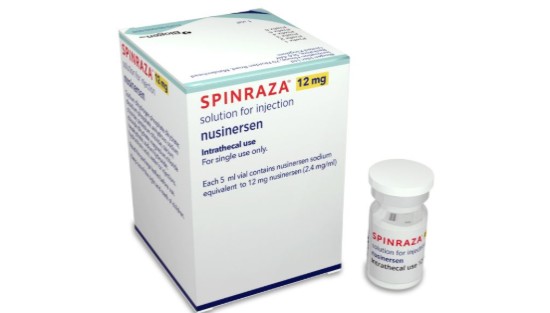
- SMA treatment 'Spinraza'Ahead of the introduction of 'Spinraza,' a high-dose regimen of the spinal muscular atrophy (SMA) treatment, to Korea following global approvals, the possibility of a shift in treatment strategy is being raised.The trend of improving effectiveness through dose optimization is evident, moving away from the existing low-dose (12mg) treatment.According to industry sources on the 8th, the domestic approval of Biogen Korea's Spinraza (nusinersen) high-dose formulations (50mg/5mL, 28mg/5mL) is imminent. An approval decision is expected within this month.Previously, the U.S. Food and Drug Administration (FDA) and the European Medicines Agency (EMA) approved the high-dose regimen. The strategy involves administering 50mg twice at 14-day intervals during the initial loading phase, followed by a 28mg maintenance therapy at 4-month intervals, thereby maximizing therapeutic effects by increasing the drug concentration compared to the existing regimen.Spinraza is an antisense oligonucleotide (ASO) that continuously increases SMN protein levels. To deliver treatment to the cause of the disease, it can be administered directly into the central nervous system, where motor neurons are located, via intrathecal injection. Since Spinraza allows multiple administrations, it can demonstrate differentiation in its administration method.Spinraza has confirmed a consistent effect and safety profile across all ages and types based on clinical research data and real-world evidence (RWE) accumulated over more than 8 years of treatment.The efficacy of the high-dose Spinraza was confirmed through the Phase 2/3 DEVOTE study. In the primary cohort analysis, the treatment-naïve symptomatic infant patient group showed a statistically significant improvement in motor function assessment (CHOP-INTEND).The treatment group recorded an average increase of +15.1 points, while the comparison group (untreated group) showed -11.1 points, resulting in a mean difference of 26.19 points. While motor function improved in the high-dose regimen group, it worsened in the untreated group, proving a distinct therapeutic effect compared to the natural course of the disease.Regarding safety, a profile similar to the existing low-dose regimen was confirmed. However, pneumonia, aspiration pneumonia, and malnutrition were reported as major adverse reactions in infant SMA patients.The high-dose drug can also be used in patients already receiving treatment. Patients who were maintaining low-dose treatment can continue maintenance therapy at the same 4-month intervals after a single high-dose loading, allowing for a dose increase while maintaining treatment continuity.This high-dose strategy is seen as a variable that can change the SMA treatment paradigm beyond simply adding an option. The approach to maximize treatment response is considered to have begun, given that dose optimization was pursued based on long-term (over 10 years) data from the existing treatment.In particular, as approvals have already been granted in major countries such as the U.S., Europe, and Japan, attention is focused on the timing of introduction and the reimbursement strategy in Korea. If the high-dose drug becomes a differentiated option compared to existing treatments, its impact on the overall SMA treatment landscape is expected to be significant.More treatment options…treatment choice based on mechanisms of action·administration methods·reimbursement The domestic SMA treatment includes Spinraza, Roche's 'Evrysdi (risdiplam)', and Novartis' 'Zolgensma (onasemnogene abeparvovec)'. All share the common goal of improving SMN protein deficiency but differ in their mechanisms of action and administration methods.Spinraza is an ASO-based treatment that acts on the central nervous system via direct intrathecal administration and has dominated the market based on long-term clinical data and prescribing experience. Evrysdi is an oral small-molecule treatment that regulates SMN2 splicing, characterized by its ability to cross the blood-brain barrier and act systemically.Zolgensma is a gene therapy that directly delivers the SMN1 gene, with therapeutic effects expected after a single administration.Recently, with the expansion of reimbursement criteria for Evrysdi, the flexibility of treatment strategies has greatly improved. The introduction of the tablet form, the extension of the prescription period (up to approximately 2 months), and the allowance of bidirectional switching with injections are evaluated as having made treatment choices based on patient conditions much more flexible.Ultimately, the SMA treatment trend is shifting away from a single, treatment-centered approach toward a customized strategy that considers the mechanism, administration method, and reimbursement criteria.
- Company
- Mounjaro reimb for diabetes remains uncertain in KOR
- by Eo, Yun-Ho Apr 08, 2026 07:46am
- Mounjaro, the star of the obesity treatment boom, has encountered a roadblock in its expansion of reimbursement for diabetes in Korea.According to industry sources, Eli Lilly Korea and the National Health Insurance Service (NHIS) failed to conclude pricing negotiations for Mounjaro (tirzepatide), a dual GIP/GLP-1 receptor agonist, within the deadline. A decision has now been made to extend the negotiation period.Whether Lilly and the NHIS will be able to reach an agreement and secure reimbursement listing for Mounjaro remains to be seen. Its competitor, Novo Nordisk’s Ozempic (semaglutide), which contains the same active ingredient as Wegovy, has been listed for reimbursement for diabetes since February.Mounjaro had previously passed the Drug Reimbursement Evaluation Committee (DREC) review under the Health Insurance Review and Assessment Service (HIRA) in December last year.Although it has generated exceptional sales as an obesity treatment, Mounjaro is also indicated in diabetes as an “adjunct to diet and exercise to improve glycemic control in adults with type 2 diabetes (monotherapy or combination therapy) and for chronic weight management in adults with obesity (initial BMI ≥30 kg/m²) or overweight patients with at least one weight-related comorbidity (hypertension, dyslipidemia, type 2 diabetes, obstructive sleep apnea, or cardiovascular disease), in conjunction with a reduced-calorie diet and increased physical activity.”For both indications, the recommended starting dose is 2.5 mg once weekly (intended for treatment initiation, not for glycemic control or weight management). After four weeks, the dose is increased to 5 mg once weekly. If further dose adjustment is necessary, the dose may be increased by 2.5 mg increments after at least 4 weeks at the current dose, up to a maximum of 15 mg once weekly.Meanwhile, Mounjaro is drawing attention as the first treatment to suggest the possibility of “remission” in diabetes.In the Phase III SURPASS study, which became the basis for its approval, Mounjaro demonstrated its potential for diabetes remission by achieving statistically superior improvements in HbA1c and body weight compared to all control groups, including semaglutide (1 mg, brand name Ozempic), insulin degludec, and insulin glargine.Furthermore, at the European Association for the Study of Diabetes (EASD) meeting held last September, the company presented results from the Phase III SURPASS-CVOT clinical trial, which directly compared Mounjaro with Lilly’s GLP-1 receptor agonist Trulicity, thereby reinforcing data on cardiovascular prevention effects and improvements in overall survival.

- Product
- Obesity drugs 'all-season market'…preference for high dose
- by Kim JiEun Apr 07, 2026 07:22am
- Injectable obesity treatments such as Wegovy and Mounjaro are shifting the market landscape. Moving away from the previous pattern in which demand spiked during specific seasons, a stable year-round demand is emerging, while short-term supply instability is emerging, particularly for high-dose products.According to local pharmacies and the wholesale industry, the obesity treatment market previously was defined as a 'seasonal market,' with prescriptions concentrated during the New Year for weight-loss resolutions or in the period leading up to summer. However, since the launch of Wegovy and Mounjaro, this pattern has been changing rapidly.An official from the wholesale industry explained, "In the past, demand was concentrated in specific seasons, but recently, a steady sales trend has continued regardless of the season," and that "A key characteristic of these items is that sales volatility has not been significant since their launch."Increasing demand for high-dose products is being observed even on pharmacy-exclusive online malls. Preference for the 5mg dose of Mounjaro and the 2.4mg dose of Wegovy is prominent, and at times, supply instability, such as temporary stockouts, has occurred.An official from a pharmacy-exclusive online mall stated, "While the overall sales trend for Wegovy remains stable, demand for high-dose products is particularly high," adding, "There have been instances where temporary supply-demand imbalances appeared."However, critics point out that the distribution structure remains heavily skewed toward hospitals and clinics. Aside from some large-scale pharmacies, many neighborhood pharmacies are giving up on carrying the products altogether.Furthermore, analysis suggests that the trend of patients flocking to clinics is intensifying as rumors regarding 'reimbursement status' for Mounjaro have recently spread.According to industry sources, these rumors appear to have originated from Mounjaro's diabetes indication obtaining 'reimbursement adequacy'. As news spread that it passed the initial hurdle for listing on the reimbursement schedule by passing the Pharmaceutical Reimbursement Evaluation Committee, cases of people misinterpreting this as actual reimbursement have increased.However, the drug is currently at a stage where follow-up procedures, such as price negotiations and deliberations by the Health Insurance Policy Deliberation Committee, remain. Thus, it has not been reimbursed.A pharmacist in Gangnam, Seoul, said, "For pharmacies that haven't previously carried the drug, securing the product itself is not easy," and that "Since nearby clinics are actively prescribing and selling, there isn't much incentive for pharmacies to handle it."The pharmacist added, "As rumors of Mounjaro's reimbursement circulate, demand for direct purchase at hospitals seems to have increased," and that "This trend is concentrating patients at clinics."

- Company
- Drug pricing re-evaluation lawsuit reverses the situation
- by Kim, Jin-Gu Apr 07, 2026 07:22am
- The lawsuit Medica Korea filed to cancel the price reductions on its existing drugs, challenging the government's re-evaluation of maximum prices, has concluded in the pharmaceutical company's favor. This ruling is expected to have a significant impact beyond the relief to an individual company, influencing the implementation of future government drug price reduction measures.In particular, the significance of this ruling has grown as the government announced a reform plan last month that strengthens the drug price reduction rate from the current 15% to 20% when generic standard requirements are not met. Analysis suggests that pharmaceutical companies facing price cuts due to administrative delays now have a clear justification for pursuing legal action.3-Year Legal Battle Concludes... A Litigation Started by 'Re-evaluation of Listed Drugs'The origin of this case was the "Generic drug price system reform" implemented in July 2020. The government decided to apply differential drug prices based on whether two standard requirements were met: ▲ conducting independent bioequivalence tests and ▲ using registered drug master files (DMF). Additionally, the government conducted a re-evaluation by applying these standards to drugs already listed on the reimbursement list.In September 2023, following the re-evaluation, the Ministry of Health and Welfare (MOHW) announced a price reduction for five items, including Medica Korea's 'Telmisartan Tab,' citing noncompliance with standard requirements.Medica Korea responded immediately by filing a lawsuit to cancel the disposition and an application for a stay of execution. Both the first and second-instance courts ruled in favor of the pharmaceutical company. Subsequently, on the 2nd, the Supreme Court finalized the original verdict by dismissing the government's appeal through a "discontinuation of proceedings." The three-year legal dispute ended in a complete victory for the pharmaceutical company. This is considered unusual, given that cases in which pharmaceutical companies win drug price lawsuits against the government have been very rare.“Violation of Administrative Procedures + Abuse of Discretion”... The Court Highlights Three Illegalities in the Government's MeasureAccording to the Article 8(2) issued by the Seoul High Court's ruling, confirmed by the Supreme Court, the court found that the MOHW's disposition not only violated administrative procedural principles but also constituted a deviation and abuse of discretionary power.◆“Administration Cannot Change Its Word” = The court pointed out the "unauthorized change of grounds for disposition" applied by the government to some items. The MOHW initially issued a price reduction for Medica Korea's five items because they failed to meet 'Standard Requirement 1' (independent bioequivalence testing). However, during the lawsuit, they argued that the items also failed to meet 'Standard Requirement 2' (the use of a registered DMF).Regarding this, the court stated that it is unacceptable to present separate facts that lack identity with the original grounds at the time of disposition. This is interpreted as a reaffirmation of the principle that the executive branch must not infringe upon a party's right to defense by arbitrarily changing the basis for a disposition.◆“Substantial Fulfillment is More Important Than Paperwork” = The court ruled that 'substantial fulfillment of requirements' should take precedence over the 'formal completeness of documents.' Medica Korea was unable to submit the final "DMF Change Authorization Certificate" within the government-set deadline. However, they had already submitted an 'Application for change authorization' before this, clearly indicating their intent to use registered drug master files. Despite this, the government issued the price reduction citing 'failure to submit documents within the deadline.'The court judged that “submitting the authorization certificate is merely one means of proving fulfillment, not the sole evidentiary material,” and that “if a pharmaceutical company has made its best efforts, it should be recognized.”◆A Warning Against ‘Administrative Convenience’ = The court clarified that the situation where the Ministry of Food and Drug Safety's (MFDS) review was delayed due to an explosion of change authorization applications following the drug price reform 'cannot be viewed as the responsibility of the plaintiff (pharmaceutical company).'The court ruled that it is unreasonable to hold a company responsible for document-submission delays caused by external factors beyond its control, to reduce drug prices. This is interpreted as a court warning against the government's drug price reductions driven by administrative convenience.Will 'Second Medica' Cases Follow Amid Concerns of Recurring ‘Administrative Bottlenecks’?This ruling is expected to have a greater ripple effect, as it coincides with the government's last month's drug-pricing reform plan. Under the reform, the basic calculation rate for generic drug prices will be reduced from 53.55% to 45%. Concurrently, the reduction rate for failing to meet standard requirements will be raised from 15% to 20%.Under the existing system, if one standard requirement was not met, the generic drug price was applied at 45.52% (53.55 x 0.85); if two were not met, at 38.69% (45.52 x 0.85). Under the new system, it will drop significantly to 36.00% (45.00 x 0.8) for one failure and 28.8% (36.00 x 0.8) for two failures.Upcoming drug-pricing reform plan. Under the reform, the basic calculation rate for generic drug prices will be reduced from 53.55% to 45%. Concurrently, the reduction rate for failing to meet standard requirements will be raised from 15% to 20%.These standards also apply to already-listed generics. Industry concerns are that the chaos of 2023 will repeat itself. In September 2023, the government simultaneously lowered the prices of 7,355 items. This was a measure that applied the drug price system, reformed in 2020, to existing items en masse. However, during the large-scale price reduction process, delays in data submission and review bottlenecks occurred, leading to continuous confusion and administrative conflicts regarding the interpretation of standards.The Medica Korea lawsuit is also analyzed to have occurred against this backdrop. Analysts believe that, in the process of evaluating and disposing of numerous items in a short period, the government failed to adequately review individual cases, leading to 'formalistic judgments' taking precedence.There is a possibility that even more listed items will be subject to price reductions in this reform. In this case, the administrative burden on the government will inevitably increase. It is noted that this process could create a vicious cycle of administrative errors, leading to more lawsuits.Reduction Rate Increased from 15% to 20%... Potential for Mass Recurrence of ‘Defensive Bioequivalence’ TestsThe measures taken by the pharmaceutical industry for 'price defense' are also factors fueling market confusion. Specifically, there is a high possibility that so-called 'defensive bioequivalence' tests to meet standard requirements will flood the market again.After the 2020 system reform, pharmaceutical companies rushed to conduct bioequivalence tests to defend prices. Companies developed generics themselves through internal formulation research and then conducted bioequivalence tests. Based on the equivalence results, they adopted a strategy of shifting from outsourced to in-house manufacturing to meet the 'conducting bioequivalence tests' requirement and maintain drug prices. In fact, the annual number of bioequivalence test approvals, which was 178 in 2018, surged to 323 in 2020 and 505 in 2021.The number of bioequivalence test approvals by month (unit: case, source: MFDS)The cost per bioequivalence test is estimated at KRW 300-500 million. Criticisms have been raised that spending hundreds of millions of won on bioequivalence tests to maintain drug prices, when the drugs are already being sold without issue after the government has recognized their safety and efficacy, is a waste of resources. Nevertheless, because the scale of price reductions has increased, the structure forces companies to increase additional bioequivalence tests to prevent losses."Litigation is Profitable"... The 'Learning Effect' Presented by the Medica Korea PrecedentConcerns are rising in the pharmaceutical industry that the litigation wars that followed the simultaneous reduction of 7,300 items in September 2023 will be repeated.With the Supreme Court's ruling now established, pharmaceutical companies' response is expected to become more aggressive. From a company's perspective, rather than accepting a 20% reduction, it is a rational choice to file a lawsuit to cancel the price reduction and seek a stay of execution under the Medica Korea precedent. Voices are high that unnecessary litigation will proliferate socially.Consequently, the government has a significant administrative burden during the large-scale drug price adjustment process. Following this Supreme Court ruling, the government's mechanical administrative convenience will find it difficult to gain legal legitimacy. Moving forward, the government faces the task of establishing flexible administrative guidelines that take into account realistic factors, such as the MFDS's review status, rather than insisting solely on the 'formal completeness of documents' during the price adjustment process for listed generics.A pharmaceutical industry official stated, "This ruling clearly established that substantial efforts by companies should not be ignored for administrative convenience. This case is expected to serve as an important legal reference for pharmaceutical companies to respond to the government's administration in the upcoming large-scale drug price reductions."

- Policy
- Government to prevent drug supply disruptions amid Middle East tensions
- by Jung, Heung-Jun Apr 07, 2026 07:22am
- Concerned that geopolitical risks in the Middle East could escalate into instability in the drug supply chain, the government is simultaneously pursuing regulatory improvements and conducting a survey of the current supply situation.This is because logistical disruptions involving raw materials and packaging materials could affect the domestic drug supply. In particular, there are concerns that shortages of petrochemical raw materials, such as naphtha, could exacerbate packaging supply issues.On the 3rd, the Pharmaceutical Supply Management Division of the Health Insurance Review and Assessment Service (HIRA) launched a survey on pharmaceutical supply status through the Korea Pharmaceutical and Bio-Pharma Manufacturers Association.The aim is to identify which drugs are being affected by import delays and supply disruptions due to risks in the Middle East. HIRA plans to use this information to proactively prepare countermeasures.HIRA is monitoring drug distribution inventory levels through the Korea Pharmaceutical Information Center. However, there is a limitation in that, while it has data on domestically distributed drugs, it is difficult to predict supply disruptions caused by import and logistics delays.HIRA is expected to compile information from pharmaceutical companies, including product names, packaging materials, and inventory levels, by next week and use this as a basis for formulating strategies such as future drug price management and securing alternative medications.If disruptions in the logistics networks for raw materials and packaging materials persist, the impact on domestic pharmaceutical companies’ production costs and supply stability could increase even further. Consequently, the government appears to be taking preemptive action before supply instability becomes a reality.The Ministry of Food and Drug Safety also discussed countermeasures last week with three companies supplying basic IV fluids and introduced unprecedented regulatory easing measures, including a fast-track system for approval changes.The measures were announced on the 3rd during a joint meeting of the Emergency Economic Measures Headquarters Meeting and Ministerial Meeting on Economic Affairs. The government announced regulatory easing measures. The MFDS lowered regulatory barriers to enable pharmaceutical and medical device manufacturers to diversify their supply chains for raw materials and packaging materials, such as IV solutions and syringe needles.First, in cases where changes to product approval are required due to shortages of petrochemical raw materials such as naphtha, a 'fast-track system' has been newly established to prioritize review over other items.Additionally, for medical devices, the agency allowed manufacturers to make changes to packaging materials to undergo document reviews instead of on-site GMP inspections.This is intended to reduce the one to two months it typically takes for pharmaceutical companies to complete product license amendment reviews. The measures to shorten review periods will be implemented immediately as part of the government’s proactive administration initiative.

- Policy
- Silymarin to undergo reimbursement reevaluations this year
- by Jung, Heung-Jun Apr 07, 2026 07:22am
- The ingredient 'silymarin (milk thistle extract),' which was the subject of a lawsuit after the company contested the results of the 2021 reimbursement reevaluation, is finally being put to the test once again. It is scheduled to be included in this year’s list of items subject to re-evaluation, alongside ginkgo biloba and dobesilate, which were previously on the list.According to industry sources on the 6th, the Health Insurance Review and Assessment Service (HIRA) Drug Reimbursement Evaluation Committee recently discussed a proposal to add silymarin to the list of items subject to reevaluation.In the 2021 reimbursement reevaluation, which also included dried bilberry extract and Avocado-soya unsaponifiables, silymarin was deemed inappropriate for reimbursement. In November of that year, the Ministry of Health and Welfare announced its decision to delist.Pharmaceutical companies filed injunction requests and administrative lawsuits. While the first trial in November 2023 upheld the reimbursement withdrawal, the appellate court overturned the decision in December last year, ruling in favor of the companies. The ruling became final after the Ministry of Health and Welfare chose not to appeal.Based on a review of the appellate court’s ruling, it appears that the direction has been set to conduct a re-evaluation of reimbursement appropriateness rather than delisting.This is interpreted as the court having pointed out procedural flaws in the reevaluation process rather than having judged the clinical utility of the drugs.Seven ingredients, including ginkgo biloba extract and calcium dobesilate, had already been discussed for reevaluation this year. It is reported that there have been changes to some of the other items. Although the agenda for items subject to reimbursement reevaluation was submitted to the Drug Reimbursement Evaluation Committee last January, the Health Insurance Policy Deliberation Committee has not yet reached a decision.Generally, items for reimbursement reevaluation are decided by the Health Insurance Policy Deliberation Committee immediately after being submitted to the Drug Reimbursement Evaluation Committee, but the process has been delayed due to the drug pricing reform, which includes changes to the reimbursement reevaluation criteria.Since the drug pricing reform plan was finalized at the March Health Insurance Policy Deliberation Committee meeting, the items are expected to be submitted to the committee this month.Furthermore, the items to be reevaluated next year remain unclear. Because the drug pricing reform has changed the annual reimbursement reevaluation to be conducted on an as-needed basis, the decision on items for 2027 will require further observation.
- Company
- Vadanem launches in Korea…draws attention as oral option
- by Son, Hyung Min Apr 07, 2026 07:22am
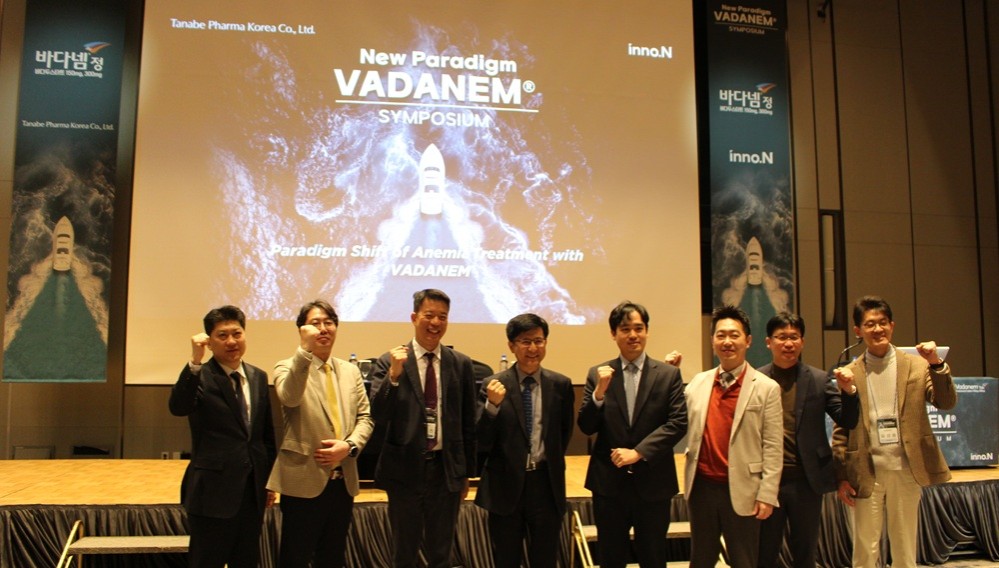
- The treatment paradigm for renal anemia may shift from a traditional ESA-centered approach to a multi-layered structure that includes oral treatment options. Amid this trend, Tanabe Pharma Korea and HK inno.N announced the domestic launch of the renal anemia treatment ‘Vadanem (vadadustat),’ signaling potential changes in treatment strategy.The two companies recently held a launch symposium titled ‘New Paradigm VADANEM Symposium’ at the Lotte Hotel Busan. The event featured a wide range of discussions on the mechanism of action and clinical data of HIF-PHI class therapies, as well as strategies for their application in real-world clinical practice.A view of the ‘Vadanem’ launch symposium.Renal anemia is a common complication in patients with chronic kidney disease (CKD), primarily caused by reduced erythropoietin (EPO) production due to impaired kidney function. Consequently, current treatment primarily relies on recombinant erythropoiesis-stimulating agents (ESAs) administered via injection.However, since ESAs are administered subcutaneously or intravenously, limitations have been pointed out, including treatment inconvenience, adverse reactions such as increased blood pressure and vomiting, as well as storage constraints. Although long-acting formulations with improved half-lives have emerged, the inconvenience of injection-based administration remains unresolved.Against this backdrop, oral HIF-prolyl hydroxylase inhibitors (HIF-PHIs) are emerging as a new alternative. This class of drugs works by inhibiting the enzymes that degrade hypoxia-inducible factors (HIF), thereby stimulating endogenous EPO production while simultaneously regulating iron absorption and utilization. They also offer advantages in administration convenience and storage compared to injectables.Vadanem is an oral HIF-PHI that regulates the HIF pathway. It induces endogenous erythropoietin production and improves iron utilization efficiency through a mechanism distinct from that of conventional ESAs.The symposium reflected this shift, highlighting the potential transition from ESA-centered treatment to a multi-layered approach that includes oral therapies.The first day’s session focused intensively on the mechanisms of HIF-PHI-class therapies and the clinical evidence for Vadanem. Chaired by Professor Jong-soo Lee of Ulsan University College of Medicine, presentations were delivered by Professor Bong Soo Park of Inje University College of Medicine and Professor Eun-sil Koh of The Catholic University of Korea College of Medicine.Professor Bong Soo Park of Inje University College of Medicine explained, “While ESAs supplement exogenous EPO, HIF-PHIs activate the hypoxia response pathway to induce endogenous EPO production. This represents a more physiological treatment strategy, as it also regulates iron metabolism.”Professor Eun-sil Koh of the Catholic University of Korea College of Medicine introduced the clinical results of Vadanem, stating, “In the INNO2VATE 1 and 2 clinical trials involving dialysis patients, Vadanem demonstrated non-inferiority in terms of hemoglobin (Hb) improvement compared to the injectable drug darbepoetin alfa (brand name Nesp).”In fact, during the primary efficacy evaluation period (weeks 24–36), the change in hemoglobin (Hb) was 10.36 g/dL for Vadanem and 10.61 g/dL for darbepoetin alfa, and in INNO2VATE 2, these values were 10.36 g/dL and 10.53 g/dL, respectively. Vadanem met the predefined non-inferiority criteria in both studies. Hb levels remained stable and showed similar trends during the long-term evaluation from weeks 40 to 52.It also demonstrated non-inferiority compared to darbepoetin alfa in terms of the risk of major adverse cardiovascular events (MACE). In the overall population, the hazard ratio (HR) for MACE was 0.96, meeting the predefined non-inferiority criteria (FDA 1.25, EMA 1.3).Professor Koh explained, “Consistent results were observed for individual cardiovascular events such as death, myocardial infarction, and stroke. We have established clinical evidence regarding both efficacy and safety.”VADANEM launch symposiumDuring the second day’s session, titled ‘VADANEM in Practice and Beyond,’ discussions focused on how to apply the mechanisms and clinical evidence presented the previous day to actual clinical practice.In particular, given the confirmed clinical efficacy and safety data for Vadanem, attention centered on which patient groups should be prioritized for treatment.Professor Sungjin Chung of the Catholic University of Korea College of Medicine stated, “In patients with CKD-related anemia, various factors such as ESA hyporesponsiveness, iron deficiency, and inflammation interact in a complex manner. For this patient population, HIF-PHI agents could serve as a new treatment alternative.”He added, “In patients with reduced ESA responsiveness, Hb control is often difficult with existing treatments. HIF-based approaches provide a clinically meaningful option.”He further noted, “Depending on the patient’s condition, we can adopt a more flexible treatment strategy, such as switching from ESA or considering oral therapy from the outset. Given the nature of the disease, which requires long-term treatment, oral formulations are also significant in terms of adherence. Their scope of application is expected to gradually expand in practice.”With the launch of Vadanem, attention is focused on whether HIF-PHI therapies will establish themselves as a mainstream option in Korea. The convenience of oral administration and regulation of iron metabolism are considered key factors in future changes to CKD anemia treatment strategies.Professor Sehoon Park of Seoul National University College of Medicine predicted, “We are entering an era that requires patient-tailored approaches based on multiple options rather than a single treatment strategy. The role of HIF-PHI class therapies will expand within this trend.”
