
- LOGIN
- MemberShip
- 2026-06-14 08:30:07
- Policy
- Will only trivalent vaccines be available this season?
- by Lee, Tak-Sun Mar 27, 2026 08:33am
- AI 이미지 생성 활용With the WHO recommending a full shift back to trivalent influenza vaccines, supply suspensions of quadrivalent vaccines are continuing one after another.There is even a possibility that quadrivalent vaccines may disappear from the domestic market in the 2026–2027 season. In fact, only trivalent vaccines have been included in the National Immunization Program (NIP) since last year.According to industry sources on the 25th, Boryung BioPharma recently reported to the MFDS that it would discontinue the supply of Boryung Flu V Tetra Vaccine.Boryung Flu V Tetra Vaccine is a quadrivalent vaccine approved in 2016, designed to protect against four influenza virus strains.The company explained, “As the WHO’s recommended influenza strain composition for the 2026–27 season does not include quadrivalent influenza vaccines, we have decided to discontinue production and supply of this product.”It added, “We plan to produce and supply trivalent influenza vaccines instead, and there is no risk of supply shortages resulting from the discontinuation of this product.”Boryung Biopharma had already discontinued another quadrivalent vaccine, Boryung Flu VIII Tetra, last year in line with WHO recommendations.On the 12th, Seqirus Korea likewise reported to the MFDS that it would discontinue supply of its Fluad Quad Prefilled Syringe. This is also a quadrivalent influenza vaccine, and the decision was made in accordance with WHO guidance.The company stated, “We plan to supply the trivalent version of this vaccine, ‘Fluad Prefilled Syringe ((influenza surface antigen MF59C.1 adjuvanted vaccine),’ in the domestic market.”CSL Korea, on the 19th, obtained approval for a trivalent influenza vaccine, Flucelvax Prefilled Syringe. Flucelvax previously had an approved quadrivalent version, and this time an additional trivalent version has been approved. This is interpreted as the company obtaining approval for a new product to transition to a trivalent vaccine in accordance with WHO recommendations. Furthermore, a trivalent vaccine is now mandatory for pharmaceutical companies wishing to participate in the National Immunization Program (NIP).The WHO recommended a trivalent influenza vaccine in February of this year, following its recommendation last year, noting that not a single case of the B/Yamagata lineage virus has been detected worldwide since March 2020.In particular, the WHO determined that there is no longer a need to include a viral antigen that no longer exists in the vaccine. Consequently, it established the trivalent vaccine composition, which excludes the Yamagata antigen from the existing quadrivalent vaccine system, as the standard and recommended a complete return to trivalent vaccines.Following WHO guidance, the government already switched the NIP influenza vaccines from quadrivalent to trivalent last year. As a result, quadrivalent vaccines were sold only in the private market. However, some confusion arose as certain pharmaceutical companies continued promoting quadrivalent vaccines without clearly disclosing the WHO recommendation.This year, as pharmaceutical companies are gradually shifting back to the trivalent vaccine, there are predictions that the quadrivalent vaccine may completely disappear from the market.
- Policy
- Complete revision to the "Innovative Pharma Company" certification
- by Lee, Jeong-Hwan Mar 27, 2026 08:32am
- The Ministry of Health and Welfare (MOHW) will make administrative move to encourage drug investment by raising the R&D expenditure requirement for "Innovative Pharmaceutical Company" certification.The MOHW will improve administrative fairness by revising the disqualification criteria related to illegal rebates. Specifically, "rebate violations that concluded more than five years before the point of certification or renewal evaluation" will now be excluded from the review process. The new policy aims to address the irrationality of revoking certifications based on violations that occurred in the distant past. However, the proposed "points-based scoring system" for rebate-related cancellations will not be introduced.Additionally, the certification track for foreign pharmaceutical companies will be newly established and revised. To encourage foreign firms to host research and production facilities in Korea, attract overseas capital, and engage in joint research and open innovation, the score weightings for these categories will be increased.Transparency in the certification process will also be enhanced. The minimum passing score for certification (65 points) will be explicitly stated in the official notice, and companies that fail to gain certification will be formally notified of the specific reasons for their disqualification.The Ministry of Health and Welfare (MOHW) revises the "Innovative Pharmaceutical Company" certification. 1. R&D expenditure ratio will be raised 2. "Rebate violations that concluded more than five years before the point of certification or renewal evaluation" will be excluded from review 3. Foreign company track for Innovative Pharmaceutical Company certificationOn the 26th, the MOHW issued a legislative and administrative notice regarding amendments to the Enforcement Decree, Enforcement Rules, and related notices of the "Special Act on Promotion and Support of Pharmaceutical Industry" (the Pharmaceutical Industry Act). The public opinion engagement remain open until May 6.R&D Expenditure Ratio to Rise by 2%pFirst, the R&D expenditure ratios required for the certification and renewal of Innovative Pharmaceutical Companies will be increased. While the ratio relative to pharmaceutical sales will rise by 2 percentage points across the board, the application of this new standard will be 'deferred for three years from the date of enforcement' to allow companies sufficient time to prepare.Through this administrative move, the MOHW aims to encourage a continuous expansion of R&D investment among certified firms.Furthermore, the system will now categorize firms into "Innovative Pharmaceutical Companies" and "Foreign Innovative Pharmaceutical Companies" to provide a regulatory system that accounts for the unique characteristics of multinational corporations. The track for foreign firms will be implemented immediately upon announcement.For companies holding cGMP (current Good Manufacturing Practice) or EU GMP certification seeking renewal under the relaxed "R&D expenditure-to-sales" ratio, they must now submit evidentiary materials prepared within 3 years of the certification's expiration date. This administrative move resolves the current lack of a specific timeframe for GMP-related documentation.The amendments to Enforcement Rules will take effect on the date of announcement and are expected to apply to renewal applications starting in the second half of this year.Revising 'Rebate Checking Policies' and 'Detailed Evaluation Criteria'Regarding illegal rebates, the MOHW has decided to exclude violations that occurred more than 5 years before the certification or renewal review.In cases where administrative appeals or lawsuits are filed, certification can be revoked within one year of the date of dismissal of the appeal or a final ruling against the company.By maintaining the current revocation structure rather than switching to a points-based system, and excluding violations older than five years, the MOHW aims to eliminate the irrationality of penalizing firms for old actions. This addresses repeated parliamentary criticism that legal stability and predictability for pharmaceutical companies were undermined when certifications were revoked for ancient violations.The current standards state that administrative actions for rebates under the Pharmaceutical Affairs Act or the Fair Trade Act that occurred five years before the certification review are excluded. However, if a lawsuit is filed challenging the administrative action, the date the judgment becomes final is treated as the date of the administrative action.Consequently, cases have occurred in which "Innovative Pharmaceutical Company" certifications were revoked due to rebate violations that occurred a long time ago. Criticisms rose from the National Assembly that the predictability and legal stability for pharmaceutical companies are being undermined.Furthermore, the detailed evaluation criteria for certification will also be improved and will be noted in the appendix. The total score will be adjusted from 120 to 100 points, and the number of evaluation items will be reduced from 25 to 17.Objectivity in certification standards will be enhanced by converting evaluation items, such as R&D investment, the number of clinical trials, and export volume, into quantitative indicators (4 out of 17 items).Notably, a new category will be established to recognize excellence in social responsibility activities, such as the production and supply of medicines that help stabilize the supply chain.For the Domestic Innovative Pharmaceutical Company certification standards, the score weightings for items such as partnership·collaboration activities, non-clinical·clinical trials, candidate development, and transparency in corporate management will be increased. Conversely, items such as research personnel, research/production facilities, and R&D strategies will be adjusted downward.Establishment of Certification Standards for Foreign Innovative Pharmaceutical CompaniesFurthermore, based on the types of Innovative Pharmaceutical Companies classified under the Enforcement Decree of the Pharmaceutical Industry Act, detailed certification review criteria for Domestic Innovative Pharmaceutical Companies and Foreign Innovative Pharmaceutical Companies will be separately regulated.Foreign pharmaceutical companies will be permitted to choose and apply under either the Domestic Innovative Pharmaceutical Company certification standards or the Foreign Innovative Pharmaceutical Company certification standards.The certification standards for Foreign Innovative Pharmaceutical Companies will have increased weightings for specific items to encourage foreign pharmaceutical firms to establish domestic research and production facilities, as well as to attract foreign capital, facilitate joint research, and promote open innovation.Given the characteristics of foreign pharmaceutical companies, in which the global headquarters typically holds the technology and patents, the score weightings for items related to the development of non-clinical and clinical trial candidates and to pharmaceutical patent technology transfer performance will be reduced.Finally, the MOHW will state the minimum passing score of 65 points and mandate that the reasons for failure be specified in notifications to companies. These changes will be reflected starting with new and renewal applications in the second half of this year.Meanwhile, the MOHW plans to systematically analyze the types and capabilities of Korean pharmaceutical and biotech companies and establish a "Strategy for Fostering National Pharmaceutical & Biotech-Industry" within this year.

- Company
- Price cuts trigger ‘100:100’ promotion comeback
- by Kim, Jin-Gu Mar 27, 2026 08:32am
- Amid the government’s announcement of sweeping generic drug price cuts, the so-called “100:100” promotions, where pharmaceutical companies return the full prescription amount as commission to CSOs (contract sales organizations), have re-emerged in the field.The government’s drug pricing system reform is cited as the reason behind the revival of this distorted sales model, which involves accepting heavy financial losses. With price cuts expected as early as July, most pharmaceutical companies are facing a direct hit to profitability. As a result, the industry appears to be resorting to desperate measures to offset losses before the price cuts take effect. The core strategy behind the spread of the 100:100 promotions is to quickly clear inventory before the price cuts while using high commission rates as bait to retain prescribers and encourage them to switch to the company’s products.“100% commission on new prescriptions”…Spread of 100:100 promotionsAccording to the industry sources on the 26th, Company A—a mid-sized firm with annual sales of around KRW 200 billion—recently announced on the 24th that it would implement a 100:100 promotion. The program offers 100% commission on new prescription sales for about 20 products, including its flagship dementia and hypertension combination drugs. The promotion runs from April to June, and any new prescriptions during this period will receive 100% commission for the following 3 months.The notice also includes a condition requiring sales to be maintained for 6 months after the promotion ends. It also states that commissions will be reclaimed if sales fall below the average during the promotion period. With price cuts expected to take effect in July, the move is interpreted as an attempt to secure continued prescriptions for the company’s products even under the new, reduced pricing structure.The so-called “100:100” promotion is now spreading across the industry. Company B, a small firm with annual sales under KRW 50 billion, is reportedly offering “100% commission for securing new clients” for highly competitive products such as lipid-lowering drugs. Company C, with annual sales of KRW 70 billion, also implemented a 100:100 promotion earlier this year for its new products. Industry sources indicate that an additional 2–3 mid-sized or small firms are currently running similar promotions.Government pressure on generic price cuts fueling distorted sales practices?The 100:100 model refers to a structure in which pharmaceutical companies pay CSOs commissions equal to the actual prescription volume. For example, if a CSO secures prescriptions worth KRW 10,000, the company pays the same amount (KRW 10,000) as commission.From the pharmaceutical company’s perspective, this means that every sale results in a loss when considering manufacturing costs, labor, and logistics. While short-term losses are inevitable, this method was often employed to facilitate initial market entry and secure prescribers. However, some have pointed to it as a backdoor for providing illegal rebates.This distorted sales model reportedly disappeared from the front lines for a while following the successive introduction of government policies aimed at improving distribution transparency, including the CSO reporting system and mandatory expenditure reports. A pharmaceutical industry insider stated, “Except for cases where a pharmaceutical company temporarily adopts it ahead of a new product launch, ‘100: 100’ promotions have been virtually nonexistent recently.”However, as fear of drastic price cuts spreads across the industry, the model has resurfaced in the sales field.Last November, the government announced a reform plan to lower the generic pricing rate from 53.55% to the low-40% range. Since then, a sense of crisis has intensified, particularly among small and medium-sized pharmaceutical companies, who feel that “it is impossible to maintain prescriptions through normal sales methods,” ultimately leading to the revival of the ‘100:100’ promotions.For smaller companies, these promotions allow them to push out inventory at the highest possible price before the expected July price cut, thereby preserving revenue. At the same time, high commissions help secure prescription channels, minimizing the impact after the price reduction. This has led to criticism that aggressive government price cuts are inadvertently encouraging irregular sales practices.Another key factor behind the resurgence is the pharmaceutical companies’ “aggressive switching” strategy that exploits the structural vulnerability of CSOs. For CSOs, which receive commissions at a fixed rate, drug price cuts mean a sharp drop in actual revenue. For example, if a CSO earns a 50% commission (KRW 500) on a product priced at KRW 1,000, a price drop to KRW 800 immediately reduces their income to KRW 400. This represents a significant blow comparable to that faced by pharmaceutical companies.The 100:100 promotion exploits this weakness. By offering exceptionally high commission rates, companies entice CSOs to switch prescriptions from competing products to their own. By guaranteeing commissions that more than offset reduced margins, the strategy creates strong incentives for CSOs to engage in product switching.A pharmaceutical industry insider commented, “As the government pushes aggressive price cuts targeting generics, companies have resorted to gambling, spending money to buy tomorrow’s prescriptions instead of investing in R&D. Mid-sized and small firms, which are heavily dependent on generics and face significant losses, are particularly vulnerable to the temptation of 100:100 promotions.”Concerns are also emerging within the CSO sector. A CSO executive stated, “While high commissions may promise immediate gains, they effectively push us toward illegal rebate practices. In a situation where it’s difficult to refuse pharmaceutical companies’ offers, there is growing concern that both pharma sales organizations and CSOs could face mutual destruction, or that market order itself could be disrupted after the price cuts.”Further spread of irregular practices expected during the “gap period” until price cuts take effectThe problem is that these sales practices are likely to intensify in the near term. The government plans to finalize generic drug price cuts through the Health Insurance Policy Deliberation Committee on the 26th. The revised pricing rate is expected to fall in the low-to-mid 40% range. The implementation is expected either in July this year or January next year.This creates a “gap period” of 3 to 9 months before the actual price cuts take effect. During this period, pharmaceutical companies are likely to use aggressive strategies to push out existing inventory. Like those already implementing 100:100 promotions, many may view this as the last opportunity to secure prescriptions.This is why criticism has emerged within the industry that the government’s aggressive push for drug price cuts has paradoxically disrupted the previously stable distribution order. One industry insider criticized, “The government needs to recognize the unintended side effects that price-cut-focused regulatory policies are creating in the field.”
- Company
- Anticancer drug 'Truqap' likely to be tabled in CDRC
- by Eo, Yun-Ho Mar 27, 2026 08:32am
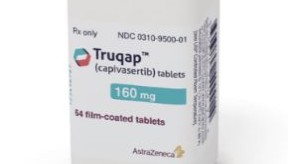
- The AKT-targeting oral anticancer drug 'Truqap' has entered a crucial stage for insurance reimbursement listing.According to sources, AstraZeneca Korea submitted a reimbursement application for Truqap (capivasertib), a treatment for hormone receptor (HR)-positive, human epidermal growth factor receptor 2 (HER2)-negative advanced breast cancer. The company is currently discussing the date of tabling at the Health Insurance Review and Assessment Service (HIRA)'s Cancer Drug Review Committee (CDRC). It is expected to be considered as early as May.Attention is focused on whether Truqap will pass the CDRC and succeed in final reimbursement listing.Truqap, which was approved in South Korea in April 2024, was launched as a non-reimbursed drug in September of the same year. This drug can be prescribed in combination with fulvestrant for cases that progress during or after endocrine therapy, or recur within 12 months of completing adjuvant therapy.The significance of Truqap's introduction lies in the expanded options for second-line treatment, given the high unmet need following first-line therapy for HR-positive/HER2-negative patients. Cases of HR-positive/HER2-negative patients account for approximately 70% of all breast cancer patients.Truqap's efficacy was demonstrated through the Phase 3 CAPItello-291 study. According to the research results, patients who failed first-line therapy following endocrine therapy (ET) with or without a CDK4/6 inhibitor had a median progression-free survival (mPFS) of approximately 2.5 times longer than in the fulvestrant monotherapy group.Specifically, the mPFS for the Truqap + fulvestrant combination group was 7.3 months, more than double the 3.1 months observed in the fulvestrant monotherapy group, and it reduced the risk of disease progression or death by 50%.Professor Kyung Hwa Park of the Department of Medical Oncology and Hematology at Korea University Anam Hospital explained, "Patients with one or more PIK3CA/AKT1/PTEN mutations, who account for about 50% of HR-positive/HER2-negative patients, may experience faster disease progression. Consequently, there has been a continuous call for second-line targeted treatments for metastatic breast cancer that specifically target these mutations."Furthermore, Professor Park added, "It is very rare for patients with metastatic breast cancer to achieve a complete cure with first-line treatment. Most patients fail treatment and progress to second- or subsequent lines of therapy. Since the mutations targeted by Truqap are subtypes that frequently metastasize to the liver and various other organs, positive clinical effects from the treatment are expected."
- Policy
- Industry calls for more proactive drug pricing incentives
- by Lee, Jeong-Hwan Mar 27, 2026 08:32am
- When asked what should be the top priority administrative action after the government fully implements the drug pricing reform plan in the second half of this year, the pharmaceutical industry immediately responded, “Establishing proper drug pricing incentive policies.”Given that the reform plan places significant emphasis on lowering generic drug prices, the industry is demanding proactive measures to design policies that either clearly favor generics, which have contributed to savings in the National Health Insurance budget, or ensure that no further price cuts are imposed.At the same time, the industry proposed conducting a proper post-evaluation of whether past policies, such as blanket price cuts for generics and differential pricing based on criteria, have actually achieved their intended goals of reducing NHI expenditure and addressing the excessive proliferation of generic products.Following the across-the-board price cuts in 2012, virtually all pharmaceutical companies decided to produce multiple generic products, triggering the first generic drug boom. The proposal calls for a thorough analysis of why a second boom, marked by a further increase in the number of generic drug items, occurred following the 2020 announcement of a tiered pricing system based on requirements for in-house bioequivalence testing and Drug Master File (DMF) registration, in order to set the direction for a new drug pricing system.On the 26th, the pharmaceutical industry criticized that government efforts to establish drug pricing incentives, which are closely tied to domestic companies’ investment in innovative drug R&D, remain significantly insufficient.It also criticized the government for repeatedly introducing price cuts without conducting follow-up administrative measures to evaluate policies in collaboration with the industry, despite the fact that a boom in the number of generics has occurred every time drug prices were revised.Domestic new drugs and generics lack sufficient incentives…“requires proactive administration”Domestic pharmaceutical companies argue that a multidimensional approach to pricing incentives is necessary to achieve the government’s stated goal of shifting toward a new-drug-centered innovative pharmaceutical industry structure.They criticize that the MOHW’s efforts are severely lacking, noting that corresponding preferential regulations are necessary to encourage pharmaceutical companies to develop globally competitive, first-in-class blockbuster drugs with no substitutes.Suggestions followed that it is urgent to design a drug pricing system that comprehensively recognizes the value of domestic pharmaceutical companies, including establishing exclusive preferential regulations for domestic new drugs, creating an exception track for post-listing price reductions for domestic new drugs, and reducing the price reduction rate for generics that have significantly replaced originals and contributed to savings in the national health insurance budget.In essence, they argue that the government must address the criticism that “there are plenty of policies that cut prices, but none that add value.”Criticism that the MOHW focuses solely on price reductions and neglects efforts to establish preferential pricing regulations for domestically developed new drugs persists even in this latest drug pricing reform plan.In the latest reform, the MOHW included provisions to delay or defer price cuts for already-listed generics for innovative and quasi-innovative pharmaceutical companies, and to apply a premium to their reduction rates. It also included preferential provisions for innovative and quasi-innovative companies regarding newly listed drugsNevertheless, the pharmaceutical industry remains steadfast in its position that there are no preferential policies that adequately compensate for the fair value of domestically developed new drugs.This is because, despite the MOHW’s stated intention to restructure the domestic pharmaceutical industry around innovative new drugs through the drug price reform, there are no preferential policies in place for new drugs first developed by Korean pharmaceutical companies.In fact, in response to requests from the National Assembly and the industry to introduce exclusive incentives for domestic new drugs, the MOHW has repeatedly stated that such measures must be carefully reviewed due to potential trade conflicts with countries such as the United States.In contrast, Japan applies innovation and utility premiums to domestically developed drugs with proven clinical value, and also provides a priority introduction premium for new drugs approved for the first time in Japan.The pharmaceutical industry is demanding that if preferential drug pricing (premiums) at the time of listing is realistically impossible, a track be created to grant them exceptional benefits when the post-listing price reduction mechanism is applied. In other words, they are asking that domestic new drugs be excluded from price-volume agreement negotiations, price reductions based on actual transaction prices, and price reductions due to expanded indications, or that the reduction rates be adjusted so that these drugs can derive tangible benefits.Furthermore, they argued that the domestic pharmaceutical industry’s innovation could be supported by recognizing the value of generics, which have a high substitution rate for expensive original drugs, and lowering their price reduction rates, in line with the goal of saving national health insurance finances, which is the very reason for the existence of generics.For generics with usage rates exceeding 80–90% in prescriptions, confirming clear contributions to NHI savings, the industry requested the government to explore proactive measures to lessen price reductions.The National Assembly is also demanding the establishment of a clear differential compensation mechanism for pharmaceutical companies that have demonstrated contributions to the development of the pharmaceutical industry and investments in the value of new drugs, in order to foster the pharmaceutical and biotech industries.Rep. In-soon Nam of the Democratic Party of Korea stated, “The current drug pricing system provides insufficient returns relative to R&D investment. A differentiated pricing system based on factors such as R&D investment ratio, successful new drug development, and global exports is needed, including expanded incentives at listing or exemptions and reductions in price cuts.Lack of post-evaluation in pricing reform also an issueThe pharmaceutical industry also urged the MOHW to reflect on the historical trajectory of Korea’s drug pricing system and jointly set the future direction.Korea established the framework of its pricing system with the introduction of the Positive List System (PLS) in 2006 and the price-volume agreement (PVA), and has since operated the system with incremental adjustments for nearly 20 years.In November 2011, the government reinstated the joint bioequivalence testing system and implemented a blanket price cut in April 2012, applying a generic pricing rate of 53.55%. In 2020, it introduced differential pricing based on direct bioequivalence testing and DMF requirements, along with the 1+3 joint bioequivalence rule.Then, in November last year, the MOHW presented a new reform plan, stating that distortions caused by the proliferation of generics under past policies had reached a point where they could no longer be ignored.The MOHW’s rationale is that the problem has become entrenched, with pharmaceutical companies uniformly launching dozens to hundreds of generics containing the same active ingredient and focusing their efforts on sales and rebate competition for generics rather than innovative drugs, leaving the MOHW with no choice but to intervene.While the domestic industry partially agrees with this assessment, it points out that the root cause of the current multi-product generic structure lies in past government policies on approvals and pricing.In fact, when joint bioequivalence testing and across-the-board drug price cuts were implemented simultaneously in 2012, pharmaceutical companies sought to overcome declining profit margins by rushing into multi-product generic production. This triggered the first generic drug boom, resulting in a significant increase in the number of products despite short-term cost-saving effects.Every time the government implemented reforms to the approval and drug pricing systems, the number of domestic generic drug products increased significantly. (Korea Pharmaceutical and Bio-Pharma Manufacturers Association)According to the MFDS, newly approved generics nearly doubled from 727 in 2012 to 1,283 in 2013, and further increased to 1,684 in 2014 and 1,914 in 2015. The number of reimbursed generics also doubled from 1,094 in 2012 to 1,717 in 2013 and 2,359 in 2015.The 2020 reforms, including differential pricing based on criteria and restrictions on joint bioequivalence (1+3), triggered a second generic boom.At the time of the blanket price cut, the MOHW promoted the policy as a way to elevate Korea’s pharmaceutical industry to a global level. However, in reality, it resulted in the unintended consequence of an explosive increase in the number of generic products.ccordingly, academia and the pharmaceutical industry are calling for post-evaluation and reassessment of the MOHW’s past pricing policies aimed at reducing drug expenditure, curbing generic proliferation, fostering industry development, and promoting innovation.Professor Jong-hyuk Lee of Chung-Ang University College of Pharmacy stated, “It has been 20 years since the introduction of the positive list system. The government’s direction on managing new drug reimbursement and generic pricing is not wrong, but while the goal of addressing excessive multi-product listings is valid, we need to analyze whether the current reform will actually lead to increased R&D investment or reduced NHI expenditure.”Jae-hyun Lee, head of the Pharmaceutical Research Center at Sungkyunkwan University, added, “Both the 2012 blanket price cut and the current reform plan link generics and new drugs. While it is true that the government mobilizes various systems to achieve policy goals, it is necessary to evaluate and reflect on whether these systems were designed and implemented in accordance with their original intentions, and to make revisions accordingly.”Director Lee added, “It is undesirable for policymakers to design a system in a way that expects secondary effects on new drugs through generic drug pricing or aims to achieve other outcomes, such as eliminating rebates as a side effect. If generic drug prices are to be adjusted, the system must remain faithful to its original intent by limiting reductions and surcharges to generics alone. It is contradictory to adopt a half-hearted approach that allows innovative pharmaceutical companies to have their generic drug prices cut by a smaller margin.”
- Policy
- Can cutting generic prices really create new drugs?
- by Lee, Jeong-Hwan Mar 26, 2026 09:29am
- "It is unclear whether the policy objective of this drug price reform plan is to foster the domestic pharmaceutical industry or to rapidly introduce global new drugs from abroad. Will savings generated by lowering generic drug prices actually be used for domestic new drugs and robust domestic pharmaceutical companies, or end up flowing into the high-priced new drugs of multinational pharmaceutical companies? Can the government’s policy, which aims to create domestic pharmaceutical companies capable of producing blockbuster drugs by adjusting generic drug prices, truly be realized?"Although the Ministry of Health and Welfare has proposed a drug pricing reform aimed at shifting the domestic pharmaceutical industry toward innovation-driven new drug development by lowering generic prices and differentiating pricing for newly listed drugs by company, academia is questioning both its credibility and effectiveness.The concern is that if the government repeatedly implements across-the-board price cuts while merely touting the promotion of the pharmaceutical industry and the creation of domestic new drugs without presenting a detailed blueprint for where, how much, and how to allocate limited health insurance funds, it may ultimately result in savings from generics being used to reimburse high-cost global innovative drugs.At the same time, critics argue that the policy paradigm itself is flawed, as it attempts to generate innovative drugs that are rooted in basic and advanced science through partial adjustment of pricing policies for generics, which is a manufacturing-based industry.It is suggested that the MOHW must embark on a shift in its administrative paradigm, considering the need to design a two-track system that separates and distinguishes generic and new drug policies, in order to move closer to a rational policy that minimizes areas of conflict.On the 24th, the public health community criticized the ongoing backlash from the domestic pharmaceutical industry regarding the drug pricing reform plan announced by the MOHW for implementation this year, calling it “the result of an administration that has abandoned predictability.”While the MOHW cited “pharmaceutical industry structural innovation” as the rationale and justification for its drug pricing reform plan, which includes a drastic reduction in the pricing calculation rate for pre-listed generic drugs from 53.55% to the 40% range, the prevailing view among academics is that it is difficult to predict whether this will succeed.“The government’s concept of ‘industry promotion’ lacks clarity in both philosophy and target”Health economists and pharmaceutical pricing experts are questioning whether the MOHW has a clear philosophy for the rational management of drug expenditures within the national health insurance budget, and what the specific direction of its policy goal to foster the pharmaceutical industry actually is.They argue that it is unclear whether the “development of the pharmaceutical industry” mentioned by the MOHW refers to fostering the domestic pharmaceutical industry or to improving patient access through the rapid inclusion of original new drugs, many of which are produced by multinational pharmaceutical companies, for reimbursement in the national health insurance system.They also point out that the MOHW has not clearly defined how much pharmaceutical spending should be allowed within the insurance budget, how that spending should be allocated between prelisted generics and innovative new drugs, or how to address growing demands for coverage of ultra-high-priced drugs.Many scholars argue that tinkering with the drug pricing system in this manner without clarity makes it difficult to set precise policy goals, inevitably leading to the vague and ambiguous slogans of “fostering the pharmaceutical industry” and “reducing health insurance costs.”This is why concerns are being raised that the drug pricing reform plan recently proposed by the MOHW is disproportionately disadvantageous to domestic generic-focused pharmaceutical companies, while favoring multinational companies.Professor Jong-hyuk Lee of Chung-Ang University College of Pharmacy noted that the MOHW’s reform plan failed to align the levels of price reduction regulations imposed on generics and original drugs to a similar degree, despite its stated goal of addressing fairness between domestic and multinational companies.He argued that it is necessary to question whether the ministry is consistently lumping together generic drug regulations, which affect only domestic pharmaceutical companies, and patient access issues, which are directly linked to improved reimbursement rates for multinational companies’ new drugs, under the guise of “fostering the pharmaceutical industry.” The point is to demand transparency regarding the policy philosophy.“The Ministry’s definition of the pharmaceutical industry is vague. Domestic and multinational sectors are being lumped together. In reality, this reform reduces the profits of domestic companies through generic price cuts, potentially reallocating those resources to reimburse multinational companies’ innovative new drugs.”He continued, “While it is not desirable to draw a line between domestic and multinational companies, this drug pricing reform plan contains virtually no provisions that would cause losses for off-patent original drugs, and instead tends to include numerous regulations that are disadvantageous to domestic companies, such as generic price cuts. Even regarding post-listing control, the timing is being consolidated and adjusted, which will likely lead to situations where original drug prices are cut less frequently. Consequently, multinational companies are more likely to reap the actual benefits than domestic firms.”“The government must clearly present its philosophy on how pharmaceutical spending will be allocated and what industry fostering and development concretely means. It’s unclear how much savings will be generated from generic price cuts, and whether those funds will be reinvested in domestic companies or used to expand access to innovative drugs. This is precisely why the industry is calling for joint research with the government, to clarify these uncertainties.”Linking generic drug prices to new drug development the right approach?… time to rethink the administrative paradigm”Some point out that the MOHW’s current administrative approach, which links generic drug pricing policies with the creation of innovative new drugs, is bound to lead to inevitable contradictions.The argument is that generics should be viewed from the perspective of protecting manufacturing, a traditional industry, and public health security, while new drugs should be supported through an environment that fully fosters basic and advanced science; however, linking the two often leads to conflicts.Rather than simply maintaining the current approach, where the MOHW adjusts generic drug prices to encourage more pharmaceutical companies to focus on innovative drug development, the government needs to consider a paradigm shift, such as adopting a two-track administrative system that separates policies for generics and innovative drugs.In essence, the purpose of generic drug pricing is to ensure a stable supply of cost-effective medications to the public within the constraints of limited national health insurance funds. Cost control through price reductions and management, along with the stabilization of quality and supply, are the core elements of the system.Conversely, fostering the development of new drugs hinges on pharmaceutical companies making bold investments in high-risk, high-return clinical trial R&D and strengthening the fundamental capabilities of basic life sciences, such as chemistry, biology, and genetics.Accordingly, the academic community urges the government to establish a nuanced drug pricing system that allows the generic industry to grow, based on its understanding of the value of generics, while simultaneously implementing a separate administrative framework that fully supports the creation of innovative new drugs, independent of the generic sector.Jae-hyun Lee, Director of the Pharmaceutical Regulatory Science Center at Sungkyunkwan University, stated, “The government needs to better understand the role and value of the generic industry. Generic pricing policy should focus on creating an environment where companies can sustainably produce high-quality, affordable generics. Trying to promote innovation through generic pricing is fundamentally contradictory.”Lee explained, “This means the drug pricing system should focus solely on creating an environment where pharmaceutical companies strive to manufacture generics properly. Instead of the current approach of uniformly lowering drug prices, we need a system that differentially adjusts prices by comparing the average price per therapeutic class or ingredient with international averages.He also criticized the reform for lacking predictability from the perspective of pharmaceutical companies.“Government policy must ensure transparency and predictability. Without predictability, companies will resort to workarounds—such as increasing prescription volume to offset price cuts. Japan gradually reduced prices to around 40% over a decade, allowing companies time to adjust. Korea should also adopt a similar phased approach and give companies time to prepare.”Industry voices the government’s lack of understanding on the value of genericsDomestic pharmaceutical companies also argue that the government significantly undervalues the role of generics.They complain that every pricing reform is built on the assumption of across-the-board generic price cuts, inevitably leading to repeated government and industry conflict.They further point out that generics play a critical role in healthcare security and should be actively supported by the government, rather than subject to one-sided cost-cutting policies that fail to adequately consider the difficulties faced by the pharmaceutical industry, including rising manufacturing costs, such as raw materials and labor expenses.An administration focused solely on generic drug regulations, such as price cuts, will ultimately encourage the use of cheap, low-quality raw materials and lead to problems such as the abandonment of production of essential drugs with low profitability, thereby deepening reliance on imported generics.Young-joo Kim, Chair of the Policy Planning Committee for the Emergency Task Force on Drug Price System Reform, stated, “Since generics account for about 50% of South Korea’s pharmaceutical and biotech industry, lowering drug prices will immediately trigger a massive decline in sales. This threatens the survival of pharmaceutical companies. leading to reduced R&D investment due to declining profitability, difficulties in retaining top-tier research talent, and workforce restructuring resulting from production cuts.”“Korea currently manufactures and supplies most generics domestically, which ensures quality control and supply stability while also funding R&D. In contrast, countries that aggressively cut generic prices now rely heavily on imports, leading to various issues such as frequent stockouts, quality control issues leading to fatalities, and supply instability.”A pricing official from a leading domestic pharmaceutical company added, “The government should move beyond abstract slogans like ‘industry advancement’ and properly recognize the value of domestic generics in its pricing policies. There needs to be clear criteria to reward companies that consistently produce and supply high-quality generics, along with a governance system that works in partnership with the industry,” he said.The official concluded, “The negative effects of blanket price cuts are already evident, such as the collapse of the domestic API manufacturing industry. If the government insists on linking generics and innovation, then companies that demonstrate true innovation should be fully exempt from price cuts. Without such changes, conflicts between the industry and the government will persist.”

- Opinion
- [Reporter's View] Advanced cancer patients face Tx gaps
- by Son, Hyung Min Mar 26, 2026 09:29am
- The cancer treatment landscape is shifting rapidly. However, the benefits of this trend are not equally applied to all patients. In particular, patients with advanced cancer repeatedly pushed to the back of the line regarding treatment access, even when viable treatment options exist.The structure is evident in the field of breast cancer. Driven by the expansion of national cancer screening programs, patients with early-stage breast cancer now account for approximately 70% of all cases, many of whom are managed as healthy survivors capable of long-term survival post-treatment. This represents undeniable progress in terms of early diagnosis and clinical outcomes.However, this progress does not translate consistently across all stages of the disease. The issue is not confined solely to metastatic (Stage IV) patients. Limitations in treatment access begin as early as the advanced stages, where the risk of recurrence is high.Disparity is observed in the adjuvant therapy stage. Recently, indications for several therapies were expanded to include adjuvant treatment for early-stage breast cancer, yet reimbursement has failed to keep pace. While regulatory approval has been granted, actual clinical use remains restricted.Adjuvant therapy is designed to suppress recurrence. The key is to preemptively eliminate micrometastases that may remain even after the visible lesion has been surgically removed. Although treatment at this stage can determine long-term prognosis, the current structure makes practical application difficult due to the heavy financial burden on patients.Ultimately, this gap inevitably leads to recurrence. Recurrence is not merely a progression of the disease. Recurrence destabilizes every aspect of a patient's life. As treatment resumes, the burden of medical expenses surges, and constraints on economic activity due to prolonged treatment become unavoidable. The burden of family caregiving also intensifies once again.Given that a significant portion of patients in certain cancer types are in their 40s and 50s, this is not just an individual issue but a cost borne by society as a whole.Despite this, the current system is closer to a model that allocates more resources to managing the aftermath of recurrence than to reducing it. Preventive treatments are restricted due to cost, while the treatment costs and social burdens incurred after recurrence are less considered.Industry experts point to a simple reason. The high volume of patients. As the patient population grows, the fiscal burden increases, ultimately raising the threshold for reimbursement.It does not mean that this issue cannot be disregarded. If the structure of restricting treatment access simply because of high patient numbers persists, the burden will eventually return to the patients and society at large.The problem is that this trend is not limited to a specific cancer type. Adjuvant therapy indications are continuously expanding, not only in breast cancer but also in major solid tumors such as gastric cancer. While treatment strategies to reduce recurrence are evolving rapidly, actual access is failing to keep pace.The issue is not about the availability of treatments. It lies in a structure where access is not granted in a timely manner when treatment is most critical. Therefore, it is time for a more realistic view that sees intervention at the stage of reducing recurrence as a structural necessity rather than a mere cost issue.

- Policy
- Criticism over MFDS’s delayed crackdown on oral albumin
- by Lee, Tak-Sun Mar 26, 2026 09:29am
- Although the Ministry of Food and Drug Safety announced a planned inspection targeting false and exaggerated advertising of ‘oral albumin’ products, the market is criticizing the move as a ‘belated response’ that came only after consumer harm had already occurred.At the time the issue was first raised earlier this year by media outlets and civic groups, sales had already peaked, and illegal advertising intensified further during the Lunar New Year holiday season. Critics argue that the MFDS should have officially announced the inspection earlier through media channels to curb illegal market practices.AI-generated imageMFDS’s “Emergency Response Team for Unfair Food Practices,” which officially launched on the 24th, announced a focused inspection of unfair advertising for albumin-containing foods as its first initiative. Although albumin derived from eggs or milk is broken down into amino acids upon consumption and does not directly increase blood albumin levels, false advertisements have been rampant on home shopping channels and social media, claiming it has the same effects as the pharmaceutical ‘serum albumin.’In particular, as of December last year, albumin products ranked first in the number of home shopping health product broadcasts, and some products sold out more than 10 times, showing explosive sales. Despite being a high-priced product costing around KRW 100,000 per month, it successfully targeted consumers eager to recover from fatigue and boost their immunity.In January, Dailypharm had already published an in-depth report on the harms of oral albumin supplements, followed by similar media coverage.As the MFDS response remained insufficient despite media reports, civic groups and the medical community called for stronger action. On the 20th, the consumer advocacy group Consumers Together issued a statement calling it “a nationwide fraud that packages ordinary food without proven medical efficacy as if it had therapeutic effects. We ask the MFDS to conduct a full investigation into false advertising and impose strict penalties under a zero-tolerance principle.”Earlier, the Korean Medical Association also raised concerns, stating that “there is no clinical evidence supporting oral albumin.” It further indicated that it is considering referring so-called ‘show doctors’ who appeared in misleading advertisements by exploiting their professional authority, to the Ethics Committee and recommending disciplinary action.“Only acting after the peak?”… industry criticism growsIt was only after the KMA and consumer groups issued strong demands that the MFDS officially announced its first planned inspection of oral albumin products through its Emergency Response Team for Unfair Food Practices. However, the pharmaceutical sector and related industries are questioning the practicality of this planned inspection, as large-scale sales had already taken place during peak seasons such as the Lunar New Year.According to the distribution industry, many companies have already generated substantial profits and entered a discount phase to clear remaining inventory following the crackdown announcement. A pharmacist who requested anonymity criticized, “By the time the MFDS declared enforcement, companies had already sold most of their stock,” calling it “a textbook case of a belated response.” An industry official also pointed out that “At the very least, targeted inspections should have been conducted before the Lunar New Year, when sales peak.”In response to criticism of delayed action, the MFDS stated, “We have continuously conducted crackdowns on misleading advertisements for oral albumin products. The launch of this emergency response team is aimed at tackling overall unfair food practices, and is not a targeted inspection specifically for oral albumin.”However, criticism has emerged that there have been no officially planned inspections regarding false advertising of edible albumin products to date, and that existing crackdowns have relied primarily on online post-hoc monitoring. This suggests that there are limitations in responding to real-time advertisements on home shopping channels or social media.While the MFDS aims to overcome these limitations through the new emergency response team, it is expected to face growing accountability issues over consumer damage that has already occurred.

- Opinion
- [Reporter's View] KIMES calls for policy making
- by Hwang, byoung woo Mar 26, 2026 09:29am
- 'The 41st Korea International Medical & Hospital Equipment Show (KIMES 2026)' unveiled the Korean medical device trend shift.More companies are showcasing Artificial Intelligence (AI), which is now regarded as essential, and the technology is shifting to 'how AI is utilized.'A prominent feature of this year’s exhibition is the presentation of specific visions for the stage after adopting technology. Rather than simply emphasizing AI's accuracy, major companies provided detailed explanations of interoperability with hospital systems (PACS/EMR), the repurposing of accumulated data, and revenue structures based on Software as a Service (SaaS) models.This means that the medical AI industry has moved past the initial stage of debating 'whether to adopt' and has entered a maturity phase, focusing on clinical utility and sustainable business models. However, a brutal reality confirmed at the show is that this technological advancement is not immediately translating into market expansion.While there is a consensus that new technology is necessary in the field, the pace of implementation often falls short of expectations due to cost burdens and institutional limitations.This trend in the industrial field aligns with the direction of the recently launched "Second Stage of the Korea Interagency Medical Device R&D Project."While the first stage focused on establishing a technological foundation and building a pipeline for domestic medical devices, the second stage clearly defines a 'market entry-centered' support structure that covers clinical trials, licensing, and commercialization to ensure these technologies take root in actual medical settings.It is encouraging that government policy and industrial trends are aligned with the same goal. The second stage serves as a 'verification stage' to confirm whether developed technologies can avoid being shelved and instead have their value recognized in the market. However, industry workers remain concerned about the disconnect between each stage.The reason for this concern is that the process leading from technological development to hospital adoption, reimbursement application, and market expansion often fails to connect organically, frequently stopping at individual stages.Ultimately, the success or failure of the domestic medical device industry will depend not on the perfection of the technology itself, but on how the 'connection structure' is designed to allow that technology to flow into the actual market.Industry experts suggest that leaving the integration of technology entirely to the market may take too long and face inherent limitations. They point out that more proactive consideration is needed, especially since the global market is currently competing on a similar level.In fact, the platform strategies and subscription models emphasized at KIMES will inevitably face constraints on expansion unless the reimbursement system and institutional support functions are provided.The industry goals identified at KIMES 2026 and the policy direction of the second interagency project are in alignment. However, a gap in speed and execution remains between these two trends. How effectively this policy-wise and field-wise gap can be bridged will likely be the key variable determining the global competitiveness and market growth rate of Korea's medical devices in the future.It is now time for policy-making that ensures R&D achievements do not remain confined to show booths but lead to outcomes in patient clinics.

- Company
- Takeda’s ‘Takhzyro’ listed for reimbursement
- by Son, Hyung Min Mar 26, 2026 09:28am
- Hereditary angioedema (HAE) treatment strategies are showing signs of shifting from an emergency response–centered approach to long-term prevention. With Takeda’s kallikrein inhibitor ‘Takhzyro’ entering the reimbursement list, changes are expected in the existing treatment paradigm that relied on repeated management of acute attacks.On the 25th, Takeda Pharmaceuticals Korea held a press conference at the Glad Hotel in Yeouido, Seoul, announcing the reimbursement listing and domestic launch of the HAE treatment Takhzyro (lanadelumab).Reimbursement criteria include ▲Cases where, despite receiving the androgen-suppressing agent ‘Danazol’ for six months or more, attacks requiring an average of three or more monthly doses of pirazir (acetate) have occurred in the past six months, ▲ases where Danazol administration is contraindicated or cannot be administered due to side effects, provided that emergency treatment was required an average of three or more times per month during the six months prior to administration of this drug.Professor Kyung-min Ahn, Division of Allergy and Clinical Immunology, Ewha Womans University Seoul HospitalHAE is a rare genetic disorder characterized by recurrent severe swelling of the face, hands, feet, abdomen, and especially the airways, caused by a deficiency or dysfunction of C1 esterase. It is characterized by painful swelling without urticaria or itching, and laryngeal edema can lead to fatal asphyxiation.Takhzyro is a treatment used for the routine prevention of symptoms of hereditary angioedema. This medication works by selectively inhibiting the plasma kallikrein (pKal) enzyme, which triggers bradykinin production, thereby preventing angioedema.The efficacy and safety of Takhzyro were confirmed through Globee’s Phase III HELP study. This study enrolled 125 patients with Type 1 and 2 HAE who experienced an average of 3.7 acute swelling episodes per month.In the trial, the group receiving Takhzyro 300 mg every two weeks showed an 83% reduction in moderate-to-severe acute attacks and an 87% reduction in attacks requiring acute treatment compared to placebo.Additionally, in the HELP OLE extension study, which followed 212 patients for approximately 30 months, an average 87.4% reduction in acute attacks was maintained compared to baseline. No new safety concerns were reported in long-term follow-up.Professor Kyung-min Ahn of the Department of Allergy and Clinical Immunology at Ewha Womans University Seoul Hospital stated, “The reduction in acute angioedema and long-term maintenance of efficacy confirmed in clinical studies demonstrate that Takhzyro is a treatment capable of stably managing the disease.”He added, “In major countries such as the U.S. and Europe, prevention-focused treatments have already become the standard of care. In particular, both emergency and preventive treatments are reimbursed, enabling personalized care. The inclusion of Takzyro in the national health insurance reimbursement system aligns with global treatment strategies.”“Fundamental prevention of HAE is needed”Young Joo Cho, Professor of Allergy and Clinical Immunology, Ewha Womans University Mokdong HospitalHAE treatment is divided into preventive therapy and acute treatment. Danazol, an androgen therapy, has primarily been used for prevention.However, danazol has serious adverse effects in women, including hirsutism, acne, voice changes, and amenorrhea. As a result, regular blood tests (liver function, lipid profile) and ultrasound monitoring are essential.Firazyr is used for acute treatment. Approved in 2018, Firazyr is a subcutaneous injection that blocks the action of bradykinin, which causes vasodilation, and relieves acute swelling within two hours. It has the advantage of allowing patients to self-administer the medication.However, experts agree that in order for patients to maintain a normal life, treatment should shift toward prevention-based therapy.The 2021 guidelines from the World Allergy Organization (WAO) and the European Academy of Allergy and Clinical Immunology (EAACI) clearly define the treatment goal for HAE as “complete disease control and normalization of patients’ lives,” emphasizing the need for long-term preventive therapy.Professor Young Joo Cho of the Department of Allergy and Clinical Immunology at Ewha Womans University Mokdong Hospital explained, “Acute attacks significantly affect patients’ quality of life, including work, leisure, and travel. The reimbursement of Takhzyro represents an important step toward shifting Korea’s HAE treatment strategy from acute management to prevention.”She added, “D Although danazol is inexpensive, it causes side effects that make it virtually unusable for women. Danazol is rarely used overseas. It is regrettable that the criteria for domestic reimbursement for Taczyro require the use of danazol first.”
