
- LOGIN
- MemberShip
- 2026-06-14 08:30:07
- Policy
- CKD and Samjin win approval for 3mg donepezil 3 mg
- by Lee, Tak-Sun Mar 23, 2026 08:42am
- Leading generic manufacturers of the long-standing best-selling dementia treatment “Donepezil” are strengthening their product lineups by introducing a new 3mg low-dose formulation.Attention is focused on whether this will change a market structure that has so far centered on 5 mg and 10 mg products.According to the Ministry of Food and Drug Safety, following the approval of Chong Kun Dang’s “Neuropezil Tab 3mg” on the 18th, Samjin Pharmaceutical’s “Neutoin Tab 3mg” received marketing authorization two days later on the 20th.Neuropezil and Neutoin are leading donepezil generics that have recorded outpatient prescription sales of KRW 12.9 billion and KRW 5.2 billion, respectively, last year, based on Ubest data.The company that first opened the 3 mg donepezil market was Hyundai Pharm. On June 28, 2023, Hyundai became the first in Korea to win approval for ‘Hipezil 3 mg’, taking the lead in the low-dose market. Later, on February 27 last year, Myungin Pharmaceutical obtained the first generic approval with ‘Silvercept 3 mg.’ Silvercept also recorded KRW 5.3 billion in outpatient prescriptions last year, ranking relatively high among generics.At present, even Aricept, the original donepezil brand, does not have a 3 mg lineup in Korea. However, the fact that 3 mg products are already marketed and widely used in clinical practice in neighboring Japan became a key driver for Korean companies’ development efforts.The reason the pharmaceutical industry is focusing on the 3mg strength is safety. While donepezil is highly effective in alleviating dementia symptoms, a considerable number of patients report gastrointestinal side effects such as nausea, vomiting, and diarrhea during the initial stages of treatment.Korean companies, including Hyundai Pharm, developed 3 mg products so that the initial dose could be set at 3 mg for patients at high risk of gastrointestinal side effects or for elderly patients. During the approval process, two studies published in SCI-level academic journals were submitted as clinical evidence, and Japanese marketing authorization information was also used as reference material.An industry official stated, “Donepezil 3mg will serve as a useful alternative for high-risk patients who had to discontinue drug therapy due to side effects. With major pharmaceutical companies such as Chong Kun Dang and Samjin Pharmaceutical joining the field, the proportion of low-dose prescriptions in the dementia treatment market is expected to gradually increase in the future.”
- Company
- Bispecific Ab for biliary tract cancer wins nod in KOR
- by Son, Hyung Min Mar 23, 2026 08:42am
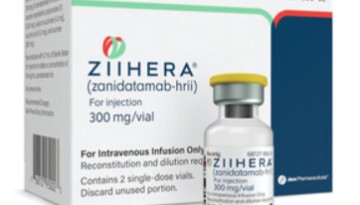
- A targeted therapy with a new mechanism of action has emerged in the treatment landscape for biliary tract cancer. There is a strong trend moving away from the existing chemotherapy-centered approach toward biomarker-based precision medicine strategies.Biliary tract cancer treatment 'Ziihera'On the 19th, the Ministry of Food and Drug Safety (MFDS) approved BeOne Medicines' 'Ziihera (zanidatamab),' a treatment for human epidermal growth factor receptor 2 (HER2)-positive biliary tract cancer.Ziihera was approved as a monotherapy for adult patients with unresectable or metastatic HER2-positive (IHC 3+) biliary tract cancer who have previously received at least one systemic therapy.It is expected to become a new treatment option for a patient group that has had limited choices following previous therapies.Ziihera is a bispecific antibody that simultaneously binds to two distinct sites (ECD2, ECD4) of the HER2 receptor.The mechanistic characteristic of Ziihera is inducing tumor cell death by more potently inhibiting HER2 signaling while simultaneously activating various immune mechanisms such as antibody-dependent cellular cytotoxicity (ADCC), complement-dependent cytotoxicity (CDC), and antibody-dependent cellular phagocytosis (ADCP).Ziihera is a new drug developed by the Canadian biopharmaceutical company Zymeworks. Subsequently, the U.S. company Jazz Pharmaceuticals licensed the development and commercialization rights for the substance from Zymeworks, and, under the contract, BeOne Medicines holds the commercialization rights in Asian regions, including Korea and China, excluding Japan.This approval is highly significant, as it is the first bispecific antibody approved for biliary tract cancer. Analysis suggests that the treatment strategy targeting HER2 has become an option in clinical settings.The approval was based on the results of the global Phase 2b 'HERIZON-BTC-01' study. According to the clinical results, the confirmed objective response rate (cORR) based on independent central review (BICR) in the HER2-positive IHC 3+ patient group (62 patients) was 52%.The complete response (CR) was 3%, and the partial response (PR) was 48%.The median duration of response (DOR) was 14.9 months, and among responding patients, 59% maintained the response for 6 months or longer, while 44% maintained it for 12 months or longer. In the overall HER2-positive patient group, the ORR was 41%, and the median overall survival (OS) was 15.5 months.Regarding safety, the most commonly reported adverse events were diarrhea, infusion-related reactions, and anemia. Serious adverse events occurred in 47.7% of the subjects.Biliary tract cancer, low survival rates·treatment gaps... will the shift to targeted therapy accelerate?Biliary tract cancer occurs in the bile ducts through which bile is produced in the liver, and since early symptoms are not clear, a significant number of patients are diagnosed at an advanced stage. Because of this, it is considered a primary intractable cancer with a poor prognosis.According to the South Korea Central Cancer Registry, the number of patients with biliary tract cancer in Korea increased by approximately 40%, from 5,444 in 2011 to 7,617 in 2021. Although the patient population is relatively small, treatment outcomes remain limited due to the difficulty of early diagnosis, rapid metastasis to surrounding organs, and high recurrence rates characteristic of the disease.Targeted therapy for biliary tract cancer 'Tibsovo 'In fact, the 5-year relative survival rate (2017–2021) is only 28.9%, with more than 7 out of 10 patients reported to die.Particularly in patients with unresectable locally advanced or metastatic biliary tract cancer, the limited treatment options available after the failure of first-line therapy have been pointed out as the largest unmet medical need in clinical settings.Amid these treatment gaps, targeted therapy-based strategies have been rapidly expanding. Representative examples include Handok’s targeted therapies 'Pemazyre (pemigatinib)' for patients with FGFR2 fusion or rearrangement, and 'Tibsovo (ivosidenib)' for patients with IDH1 mutations.FGFR genetic abnormalities are known to be involved in tumor cell proliferation, survival, angiogenesis, and drug resistance, while IDH1 mutations are reported with relatively high frequency in intrahepatic cholangiocarcinoma.In fact, Tibsovo, which targets IDH1, improved progression-free survival (PFS) in the global Phase 3 ClarIDHy study, establishing itself as the first targeted therapy to succeed in a Phase 3 clinical trial in the biliary tract cancer field. However, unlike Pemazyre, there has been no news regarding reimbursement for Tibsovo since its domestic authorization in 2024.As treatments targeting specific genetic mutations are introduced one after another, the addition of a HER2-targeted treatment strategy is shifting biliary tract cancer treatment toward a biomarker-based, multi-layered approach.Furthermore, additional bispecific antibodies are awaiting commercialization. The bispecific antibody candidate 'tovesimig (HDB001A)', being developed by Compass Therapeutics in the U.S., recently achieved efficacy in the topline results of its global Phase 2/3 study.Tovesimig is a new biliary tract cancer drug candidate developed by the Korean company ABL Bio. Handok holds the domestic rights, and Compass holds the global rights. This drug candidate is a bispecific antibody that simultaneously targets delta-like ligand 4 (DLL4) and vascular endothelial growth factor (VEGF), both of which promote the formation of new blood vessels in the tumor microenvironment.According to the topline results, the ORR set as the primary endpoint was 17.1% for the tovesimig + Paclitaxel group, which was higher than the 5.3% of the Paclitaxel group. Additionally, progressive disease (PD) was 16.2% in patients co-administered tovesimig + Paclitaxel, whereas it was 42.1% in patients administered Paclitaxel alone.
- Company
- Diabetes drug 'Ozempic' prescriptions available at general hospitals
- by Eo, Yun-Ho Mar 23, 2026 08:42am
- 'Ozempic,' a diabetes treatment version of the obesity drug Wegovy, is entering the general hospital prescription areas.According to industry sources, Novo Nordisk Korea's GLP-1 receptor agonist (GLP-1 RA) Ozempic has passed the drug committees (DC) of 'Big 5' tertiary general hospitals, including Samsung Medical Center, Seoul National University Hospital, Seoul Asan Medical Center, and Sinchon Severance Hospital.Since it was added to the insurance reimbursement list in February, Ozempic has continued to expand prescription areas.Ozempic can be prescribed as part of a triple therapy including metformin and sulfonylurea (SU), or in combination with insulin. However, unlike existing GLP-1 analogs, the reimbursement criteria have been restricted to 'Type 2 diabetes patients whose glycated hemoglobin (HbA1C) levels remain at 7% or higher despite at least 2 to 4 months of combination drug therapy.'While analysis suggests that this is Ministry of Health and Welfare's measure to prevent misuse or abuse of Ozempic, some critics argue it limits patient access. It remains to be seen how Ozempic, with many limitations, will perform in the diabetes treatment market.Jang Won Son, a professor of the Department of Internal Medicine at Bucheon St. Mary's Hospital, stated, "Since Ozempic's domestic reimbursement criteria have some partial limitations, compared with the current guidelines, proactive discussions regarding flexible application that comprehensively consider potential complications are needed. Whether an initial measure that excessively considers misuses can be reassessed later is important."Meanwhile, Ozempic demonstrated superior blood sugar-lowering and weight loss effects compared to various diabetes medications, including DPP-4 inhibitor Januvia (sitagliptin), the exendin-4-based GLP-1 RA Byetta (exenatide), and the GLP-1 RA Trulicity (dulaglutide), through six Phase 3 studies (SUSTAIN 1–5 and 7). Notably, Ozempic showed superior blood sugar-lowering effects compared to insulin while maintaining a lower risk of hypoglycemia.The 'SUSTAIN 9' study confirmed additional blood sugar and weight reduction effects in Type 2 diabetes patients who did not achieve sufficient control following treatment with SGLT-2 inhibitors, a leading class of oral diabetes medications. In the 'SUSTAIN 6' Phase 3 trial, the drug reduced the risk of major adverse cardiovascular events (MACE) by 26% in adult patients with Type 2 diabetes and high cardiovascular risk.

- Policy
- Tightened rebate rules pressure innovative pharma certifications
- by Lee, Jeong-Hwan Mar 23, 2026 08:42am
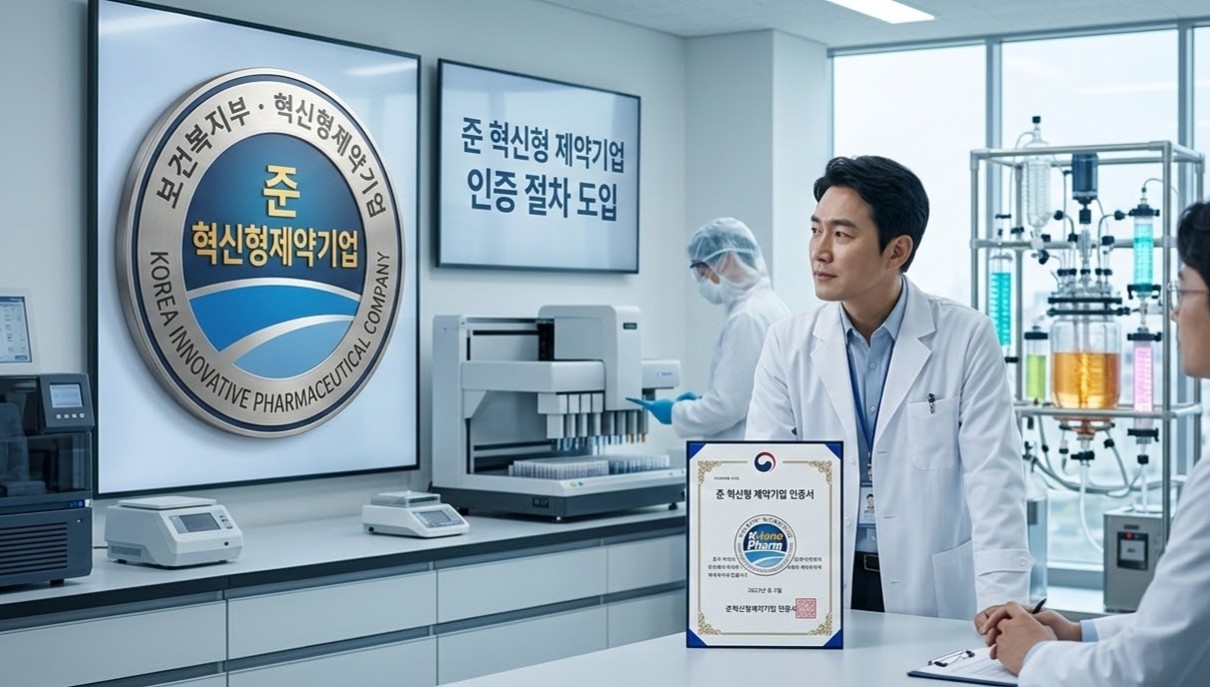
- As the Ministry of Health and Welfare designs a reform of the innovative pharmaceutical company certification criteria, the pharmaceutical industry is raising concerns that the revised framework must include a system capable of reflecting companies’ self-regulatory efforts in compliance management, such as the prohibition of illegal rebates.The argument is that the reform plan must explicitly include provisions allowing the certification review process to consider a corporation’s efforts to prohibit rebates when illegal rebates are provided or detected due to individual misconduct by sales representatives, despite thorough management and supervision by the company itself.The logic behind this is that incorporating such provisions into the reform plan would prevent cases where certification is unfairly revoked due to rebates in which the corporation was not involved, while also creating incentives for pharmaceutical companies to operate internal compliance systems and lead self-policing efforts against rebates.According to the pharmaceutical industry and the ministry on the 20th, an amendment to the administrative notice improving the certification review criteria for Innovative Pharmaceutical Companies will soon be released for public comment.The MOHW plans to incorporate a revised statute of limitations for rebates, which would exclude illegal rebates occurring “more than five years prior” to the date of certification or recertification following the implementation of the reform plan.This is intended to encourage pharmaceutical companies’ commitment to developing innovative new drugs by not linking the revocation of Innovative Pharmaceutical Company certification to illegal rebates that occurred too long ago.However, the pharmaceutical industry argues that, in addition to this five-year rebate exclusion rule, the reform should also contain a mechanism to address the unintended consequence where pharmaceutical companies that have made sufficient efforts to prevent illegal rebates still face unconditional certification revocation, following the exemption for rebates older than five years.In other words, even where a company has established systems for monitoring and managing rebate prohibitions and has worked diligently to maintain compliance, it should be guaranteed the right to present a defense during the certification revocation review process if a rebate occurred due to the misconduct of an individual sales representative.On this, the industry said, “We are not asking for all rebates stemming from individual sales representatives’ misconduct to be automatically excluded from grounds for certification revocation. Rather, we are asking that an administrative track be established to allow for due consideration of the corporation’s efforts toward compliance-oriented management.”The reason for this is that if this provision is not reflected in the reform plan, pharmaceutical companies’ efforts toward compliance management to prohibit rebates will not be reflected at all during certification revocation reviews. This would increase the need to contest the unfairness of certification revocation in court, potentially leading to a significant rise in unnecessary administrative revocation lawsuits between pharmaceutical companies and the MOHW.In particular, pharmaceutical companies point out that the current regulations under review by the MOHW, which hold corporations jointly liable for the personal illegal acts of their internal sales representatives, while specifying that administrative sanctions for illegal rebates by Contract Sales Organizations (CSOs) should be imposed solely on the CSOs without linking them to the corporations, raise concerns that this could encourage pharmaceutical companies to abandon their own sales organizations and shift to CSO-based sales operations.In addition, as the ministry’s current drug pricing reform proposal moves in the direction of strengthening preferential measures based on whether a company is certified as an innovative company, there is concern that the management damage to companies whose certification is unfairly revoked will become far greater than before if no provision is included to reflect compliance management efforts.An industry official said, “If companies that have internal rebate-prevention systems and have made genuine efforts to control illegal conduct are judged under the same certification revocation standard as companies that do not implement compliance management, then the incentive for firms to eliminate illegal practices on their own disappears. There is also concern about the adverse effect that, as a disparity in administrative penalties arises between a pharmaceutical company’s internal sales staff and external CSO sales staff, if pharmaceutical companies decide to reduce the risk of administrative penalties by relying on CSO sales, the risk of circumventing regulations through backdoor rebate practices will increase.”Meanwhile, it appears unlikely that this reform proposal will include a provision to convert the revocation standard for innovative company certification in rebate-related cases into a demerit-point system.

- InterView
- Pneumonia prevention strategies need to be redesigned for the elderly
- by Son, Hyung Min Mar 23, 2026 08:41am
- As pneumonia emerges as a major disease that simultaneously causes death and functional decline in older adults, the need to redesign prevention strategies is growing.In particular, since the prognosis following pneumonia is more severe in older adults, there is a call to shift from a treatment-centered approach after diagnosis to a focus on prevention.Chang-oh Kim, Professor of Geriatric Medicine at Severance HospitalIn a recent interview with DailyPharm, Professor Chang-oh Kim of the Division of Geriatrics at Severance Hospital discussed the clinical risks of pneumonia in older adults, changes in vaccine strategy, and the need to improve the National Immunization Program (NIP).According to Statistics Korea, pneumonia was the third leading cause of death in Korea in 2024, following cancer and heart disease.Given the rapidly aging demographic structure of the country, the disease burden of pneumonia is likely to increase further in the future.In particular, pneumococcal infections carry a high risk of progressing to severe illness in older adults. It is known that the mortality rate from pneumococcal bacteremia among those aged 65 and older is approximately 60%, while meningitis reaches 80%. Even among survivors, there are numerous cases where neurological sequelae or functional impairment persist.Despite this burden, the adult immunization system remains limited. In the Korea Disease Control and Prevention Agency’s prioritization assessment for vaccines to be included in the national program, the pneumococcal vaccine ranked highly for those aged 65 and older, but that priority has not yet been sufficiently reflected in the actual system.Currently, Korea has approved 23-valent polysaccharide vaccine (PPSV23) and 13-, 15-, 20-, and 21-valent protein conjugate vaccines (PCV). In its 2025 recommendations, the Korean Society of Infectious Diseases recommends either a single PCV20 dose or sequential PCV15 and PPSV23 vaccination in adults aged 65 and older and in high-risk groups. This is interpreted as a trend toward reorganizing prevention strategies to focus on serotypes with a high disease burden.Need to expand adult NIP rises… ‘Finer age segmentation also proposed as an option’Professor Kim explains that despite changes in pneumococcal prevention strategies, the institutional framework has not fully reflected these changes.According to Professor Kim, while protein-conjugated vaccines are systematically administered to children through the National Immunization Program (NIP), the system for adults still relies on out-of-pocket payments. This has created a blind spot where adult vaccination is pushed down the priority list.Professor Kim pointed out, “Adult vaccination lies in a blind spot both institutionally and in terms of awareness. Policy support is needed so that prevention can be naturally incorporated into a treatment-centered healthcare structure.”He particularly stressed the need for a more finely segmented age-based approach. Professor Kim explained that while older adults are currently defined as those aged 65 and older, in actual clinical practice, functional decline often becomes distinctly apparent after the mid-70s.Professor Kim said, “While the number of vaccines intended for inclusion in the NIP is continuously increasing, financial limitations also exist. In that respect, a more realistic approach would be to segment age criteria more finely.”He added, “Considering the disease burden, hospitalization rate, severity, and functional decline in older adults, the social and economic benefits that can be gained through vaccination are substantial. We need to more actively consider expanding adult NIP. “Pneumonia in older adults: the problem lies after onset, not in diagnosis”Professor Kim defined pneumonia in older adults not as a simple infectious disease but as “a disease that can lead to risk of death and long-term functional decline.”In older adults, age-related decline in immune function acts as a basic vulnerability factor. As immune defenses weaken, pathogens such as pneumococcus can invade more easily, and even after infection, the inflammatory response cannot be effectively controlled, making severe progression more likely. The risk is further exacerbated by the presence of various underlying conditions, such as diabetes, cardiovascular disease, and chronic lung disease.The nonspecific nature of clinical symptoms is also cited as a problem.Professor Kim explained, “In elderly patients, typical pneumonia symptoms like fever or cough often do not appear; instead, they frequently seek medical care due to impaired consciousness or generalized weakness. As a result, delays in diagnosis and treatment are common.”Aspiration risk due to impaired swallowing function is also a major factor. Food or secretions can enter the airway and lead to aspiration pneumonia, which further increases disease severity.Above all, functional decline after recovery remains a major issue. Even if the infection itself improves, many patients experience reduced muscle strength and physical function, leading to a significant decline in their ability to perform activities of daily living, and many do not recover to their prior state.Kim emphasized, “In older adults, the prognosis following the onset of pneumonia is more critical than the pneumonia itself. This is why we must shift from a treatment-centered to a prevention-centered approach.”He added, “The key in pneumococcal prevention is not only preventing what happens after invasive infection occurs, but also reducing pneumonia itself by suppressing bacterial colonization and transmission at the mucosal stage.”He also mentioned changes in vaccine strategy. Recently, prevention strategies have evolved with the emergence of vaccines such as the 20-valent pneumococcal conjugate vaccine (Prevnar 20) that offers expanded serotype coverage. Compared with PCV13, PCV20 includes seven additional serotypes—8, 10A, 11A, 12F, 15B, 22F, and 33F—selected with consideration of invasive disease potential, disease severity, and antibiotic resistance.Professor Kim explained, “In the past, polysaccharide vaccines garnered attention due to the large number of serotypes they covered, but today, reducing infections through mucosal immunity has become more important. Protein-conjugated vaccines have now advanced to a stage where they can sufficiently fulfill this role.”He continued, “Considering these factors, the Korea Society of Infectious Diseases also recommends the 20-valent vaccine, and I believe discussions on improving the National Immunization Program (NIP) should be made based on these recommendations.”Korean studies have also shown that about 51% of adult invasive pneumococcal disease is caused by serotypes included in PCV20, supporting the importance of prevention strategies that reflect the actual disease burden.Professor Kim emphasized, “There are more than 100 pneumococcal serotypes, but what matters is not the number but how many of the serotypes with a high disease burden are covered. If dominant serotypes are covered, even a limited number of serotypes can prevent a significant portion of all infections.”
- Company
- En masse designation of quasi-innovative pharmas?
- by Kim, Jin-Gu Mar 20, 2026 08:55am
- The government is reviewing a pricing incentive scheme for companies deemed equivalent to innovative pharmaceutical firms (“quasi-innovative” companies). Although more than 30 companies are expected to meet the criteria, the actual level of preferential treatment granted to the companies appears limited, leading to criticism that the policy is merely a publicity stunt.According to industry sources on the 19th, the government is considering establishing a new preferential pricing track for “companies equivalent to innovative pharmaceutical firms (quasi-innovative firms).”The government’s policy is to review price preferences to enable solid pharmaceutical companies with potential to advance to the level of innovative pharmaceutical firms at an early stage. These details were revealed during the Health Insurance Policy Deliberation Committee subcommittee meeting on the 11th.The government has proposed R&D investment ratios relative to revenue as the key criterion. Companies with revenue above KRW 100 billion must have an R&D ratio of at least 5%, and companies below KRW 100 billion must have at least 7%. Companies that have received administrative sanctions within the past 5 years under the Pharmaceutical Affairs Act, Fair Trade Act, or Pharmaceutical Industry Act due to rebate-related issues will be excluded.Companies that meet these requirements will receive preferential drug pricing. Preferential pricing will be applied to newly listed generics, and the duration of this preferential treatment is currently under review to be similar to that for innovative pharmaceutical companies. The government also plans to grant temporary special exemptions when adjusting the prices of already listed drugs.This plan is interpreted as a response to the pharmaceutical industry’s backlash against the drug pricing system reform draft released last November. At that time, the government proposed applying price discounts of 68%, 60%, and 55% to innovative pharmaceutical companies based on their R&D ratios. However, criticism arose that the benefits would be concentrated among a select few top companies, while most companies would find it difficult to avoid price reductions.Applying the new criteria would significantly increase the number of companies eligible for preferential pricing.An analysis of 98 listed pharmaceutical companies classified as pharmaceutical firms on the KOSPI and KOSDAQ that will be affected by price cuts found that 32 companies would newly qualify. This excludes holding companies, R&D-focused biotech ventures, and medical device firms that are not affected by price cuts.Conversely, 45 companies failed to meet the criteria. The remaining 21 are companies that had previously been designated as innovative pharmaceutical companies.Among companies with revenue above KRW 100 billion, those meeting the ≥5% R&D ratio include firms such as ▲CMG Pharmaceutical, J▲W Pharmaceutical, ▲SK Bioscience, ▲SK Biopharmaceuticals, ▲Kyungdong Pharm, ▲Kyungbo Pharm, ▲Daehan New Pharm, ▲Dong-A ST, ▲Myung-In Pharm, ▲Samjin Pharm, ▲Sam Chung Dang Pharm, ▲Ahn-Gook Pharmaceutical, ▲Withus Pharmaceutical, ▲Korea United Pharm, ▲Il-Yang Pharm, ▲Jeil Pharmaceuticval, ▲Chong Kun Dang, ▲Kolon Life Science, ▲Hana Pharm, ▲ Hanall Biopharma, ▲Whanin Pharm, ▲Humedix, and ▲Huons. These companies will likely be included as quasi-innovative pharmaceutical companies.On the other hand, companies such as ▲HLB Pharma, ▲Kwang Dong Pharmaceutical, ▲Kukjeon Pharmaceutical, ▲Kukje Pharm, ▲Dai Han Pharm, ▲Dongkook Life Science, ▲Myungmoon Pharm, ▲Binex, ▲Samsung Biologics, ▲Samil Pharm, ▲Celltrion Pharm, ▲Sinsin Pharmaceutical, ▲CTC Bio, ▲Arlico Pharm, ▲RP Bio, ▲Yungjin Pharm, ▲Yuyu Pharma, ▲Reyon Pharmacuetical, ▲ Jinyang Pharm, ▲Kips Pharma, ▲Theragen Etex, ▲Pharmgen Science, ▲Hawil Pharm, ▲Hugel have R&D rations belos 5% as of the end of last year or Q3 last year, and fail to meet the threshold. It will be unlikely for these companies to receive preferential treatment during price cuts.Among companies with revenue below KRW 100 billion, relatively few meet the ≥7% R&D threshold, with only a handful such as ▲Samsung Pharmaceutical, ▲Sam-A Pharmaceutical, ▲Samyang Biopharm, ▲Cellbion, ▲Onconic Therapeutics, ▲ENCell, ▲GL PharmTech, and ▲Prestige Biologics.In fact, within the same revenue bracket, many companies do not meet the criteria for quasi-innovative pharmaceutical firms. These include ▲JW Shinyak, ▲Kyungnam Pharm, ▲Korean Drug Pharm, ▲Dongsung Pharmaceutical, ▲DuChemBio, ▲Vaskan Bio Pharm, ▲Vivozon Pharmaceutical, ▲Samik Pharmaceutical, ▲Seoul Pharma, ▲Sinil Pharmacuetical, ▲Icure, ▲Aprogen Biologics, ▲L&C Bio, ▲Optus Pharmacuetical, ▲Ilsung IS, ▲Cho-A Pharm, ▲Telcon TF Pharmaceutical, ▲TDS Pharm, ▲BNC Korea, ▲ Union Korea Pharm, ▲ Korea Pharma, among others, which have R&D ratios below 7%, making it highly likely they will not receive preferential treatment in the event of drug price reductions.Industry observers emphasize that the actual level of pricing incentives matters more than the number of eligible companies. Even if many firms qualify, limited incentives could render the policy merely symbolic.In the revised reform plan, the government proposed a 60% pricing premium for innovative pharmaceutical companies when listing new generics, with the preferential period extended to up to 4 years. For quasi-innovative companies, a lower level of benefit is expected.It is reported that the government is considering a preferential level of around 50% for quasi-innovative companies. Given that generic prices are currently set at around 58.55%, this implies that price reductions would still be unavoidable even with preferential treatment. The relatively short preferential period of 1+3 years is also criticized as insufficient to provide meaningful incentives.An industry official commented, “The introduction of criteria for quasi-innovative pharmaceutical companies and pricing incentives is positive in itself. However, in reality, it is more of a structure that reduces the extent of price cuts and is far from being a true incentive. It is a scheme designed to include a large number of companies for the sake of appearances, while in reality, it forces them to lower drug prices.”
- Policy
- Bispecific Ab 'Ziihera inj' for biliary tract cancer wins nod
- by Lee, Tak-Sun Mar 20, 2026 08:55am
- 'Ziihera inj'BeOne Medicines Korea's bispecific antibody for biliary tract cancer, 'Ziihera inj,' has obtained final approval. Analysis suggests that the expedited approval was made possible through the GIFT (Global Innovative product on Fast Track) review process. It is expected to provide new therapeutic opportunities for patients with biliary tract cancer.The Ministry of Food and Drug Safety (MFDS, Minister Oh Yu-Kyoung) announced that it has approved the imported orphan drug 'Ziihera inj 300mg (zanidatamab)' on the 19th.Ziihera is an orphan drug indicated for the treatment of adult patients with unresectable, locally advanced, or metastatic HER2-positive (IHC 3+) biliary tract cancer who have previously received at least one systemic therapy.HER2-positive (IHC 3+) refers to a state where HER2, a protein involved in regulating cell growth, is highly overexpressed as determined by an Immunohistochemistry (IHC) test.This drug is a bispecific antibody that simultaneously binds to two different extracellular domains (ECD4 and ECD2) of the HER2 protein. As an antineoplastic agent, its mechanism involves reducing HER2 expression to inhibit the growth of tumor cells. It is the first drug approved in South Korea for this specific indication. Consequently, expectations are high that it will offer a new treatment window for patients suffering from biliary tract cancer.Ziihera inj received expedited review after being designated as the 40th product under the 'Global Innovative product on Fast Track (GIFT)' system. GIFT is a support program designed to accelerate the commercialization of globally innovative medical products by assisting in the early stages of development (clinical trials).An official from the MFDS stated, "We will continue to ensure that new treatments for patients with rare and intractable diseases are supplied promptly, using our expertise in regulatory science, thereby expanding their opportunities for treatment."
- Policy
- Xtandi to list tablet form to defend market ahead of patent expiry
- by Jung, Heung-Jun Mar 20, 2026 08:55am
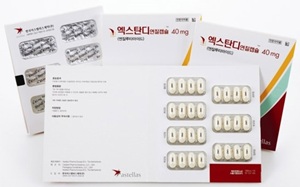
- Astellas Korea’s prostate cancer drug Xtandi Tab (enzalutamide) is expected to be listed for reimbursement next month. With 3 months remaining before the drug’s patent expiry, the company appears poised to defend its market share by adding the tablet formulation to its reimbursement lineup.This move appears to be an effort to secure a foothold in the tablet prescription market, where no generics have yet been approved, in preparation for generic competition following patent expiry.According to industry sources on the 19th, Astellas will add tablets to Korea’s reimbursement list next month, following the listing of its soft capsule formulation.Unlike the soft capsules approved in 2013, the tablet formulation was approved in December 2024. This means the tablets are entering the reimbursement list approximately 1 year and 3 months after approval.In the case of Xtandi soft capsules, multiple generics have already received approval and are awaiting the expiration of the substance patent on June 27.Alvogen Korea’s Anamide Soft Capsules, Daewon Pharmaceutical’s Enzadex Soft Capsules, Hanall Biopharma’s Enzaloo Soft Capsules, and Menarini Korea’s EnzalX Soft Capsules are expected to be launched.Generic competition is also expected to intensify for the tablet formulation. Companies including Hanmi, Chong Kun Dang, Alvogen Korea, JW Pharmaceutical, and GL Pharma have won passive scope confirmation trials on Xtandi’s composition patents.However, since no generics have yet received marketing approval, entry into the tablet market is expected to lag behind capsules.The newly listed Xtandi Tab will be available in 40 mg and 80 mg strengths, expanding the reimbursement lineup at the same price level as the capsule formulation.According to the market research institution UBIST, Xtandi recorded KRW 38 billion in sales last year, up 26% from KRW 30.2 billion the previous year.However, it appears difficult to sustain this sales growth trend starting in the second half of this year due to the market penetration of generics.
- Policy
- Twice-yearly injectable HIV drug Sunlenca nears approval in Korea
- by Lee, Tak-Sun Mar 20, 2026 08:55am
- AI-generated imageGilead Sciences’ multidrug-resistant HIV treatment Sunlenca (lenacapavir sodium) is reportedly nearing marketing approval in Korea.The drug was designated in March last year for the MFDS GIFT (Global Innovative product on Fast Track) program, and it has recently been reported that the safety and efficacy review has been completed.According to industry sources on the 19th, the MFDS has completed its safety and efficacy assessment of Sunlenca. Once a product passes this stage, only the final approval process typically remains. In addition, products that have undergone safety and efficacy reviews can apply for reimbursement to the Health Insurance Review and Assessment Service (HIRA) under the approval–reimbursement assessment linkage system.Observers predict that if Sunlenca has received a positive determination in the safety and efficacy review, it is highly likely to receive marketing authorization approval in the near future.Sunlenca is a first-in-class capsid inhibitor that targets multiple stages of the HIV replication cycle. It is primarily aimed at patients with multidrug-resistant HIV who have developed resistance to existing treatments and have no further treatment options.It inhibits HIV-1 at multiple points throughout the viral lifecycle, including by interfering with the capsid-mediated nuclear entry of the pre-integration complex and impairing virion production and proper capsid core formation.A key feature of the drug is its twice-yearly injectable dosing, offering improved convenience.This is because it is a “long-acting” formulation that requires only a single injection every 6 months (26 weeks) during the maintenance phase, after an initial phase combined with oral therapy. As a result, it is widely recognized for significantly reducing the psychological burden and inconvenience previously experienced by patients who had to take medication daily.An industry official stated, “Sunlenca is of great clinical significance in that it provides strong viral suppression through a completely new mechanism for these patients. In particular, the fact that it is a long-acting injectable administered once every six months can maximize patient adherence.”Sunlenca has already been approved by the U.S. Food and Drug Administration (FDA) and the European Medicines Agency (EMA) and is currently in use. Recently, it has also demonstrated exceptional efficacy as a pre-exposure prophylaxis (PrEP), drawing attention as a potential game-changer, set to reshape the HIV treatment market.The FDA approved Sunlenca in December 2022, following fast-track, breakthrough therapy designation (BTD), and priority review (PR) designations. The EMA approved it earlier in August 2022, and Japan’s PMDA approved it through priority review in August 2023.In Korea, it was designated an orphan drug in December 2024, and on March 4 last year, it was designated as GIFT product No. 46, reflecting the lack of existing treatment options.The indication submitted for its use in Korea is as combination therapy with other antiretrovirals for the treatment of HIV-1 infection in hin adults with multidrug-resistant HIV-1 infection who have a history of treatment failure with current antiretroviral therapy due to resistance, intolerance, or safety issues.
- Company
- Medical device companies gather for KIMES2026
- by Hwang, byoung woo Mar 20, 2026 08:55am
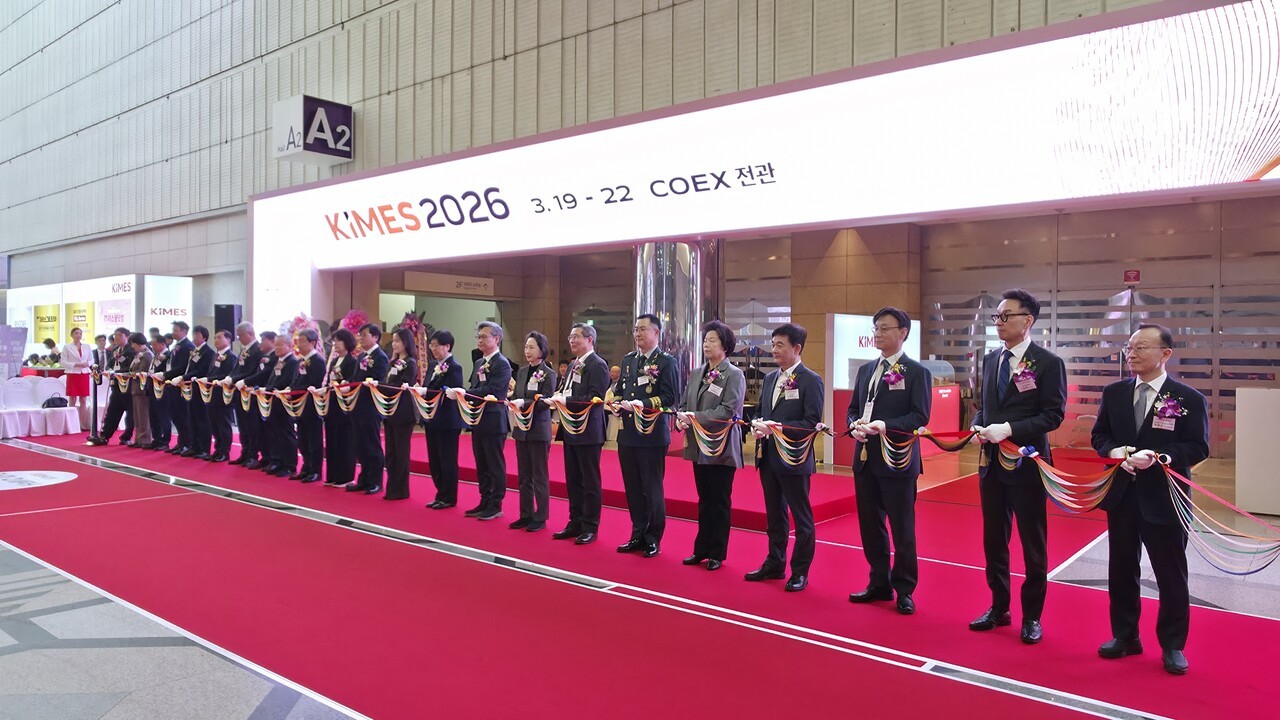
- A four-day Korea International Medical & Hospital Equipment Show (KIMES) 2026 takes off on March 19At the medical device exhibition, the primary topic has emerged from the 'whether to adopt Artificial Intelligence (AI)' to the question of 'how to implement it.'At 'KIMES 2026,' which opened on the 19th, a clear shift in hospital views toward AI acceptance was observed, signaling a rapid migration of the industry's competitive axis.KIMES, celebrating its 41st anniversary, is South Korea's largest medical device exhibition, reflecting global healthcare trends and encompassing the entire industrial ecosystem. This year's event featured 1,490 manufacturers from 41 countries, including 846 domestic and 644 international companies.In this exhibition, major players in ultrasound, diagnostic imaging, endoscopy, and patient monitoring moved beyond standalone hardware to showcase integrated solutions linking diagnosis, treatment, and management. Notably, a 'platform war' is intensifying, with AI serving as the nexus connecting medical data and clinical workflows.Beyond hardware to 'platform' competition…AI-Driven industrial restructuringFirst, global medical device companies presented 'Life-cycle Patient Management' as their core strategy this year.GE HealthCare Korea emphasized a structural continuum from diagnosis to treatment and monitoring by unveiling integrated solutions that combine ultrasound, MRI, and patient monitoring technologies. By presenting ultrasound for quantitative fatty liver analysis, AI-based MRI image reconstruction, and pain-response monitoring during surgery, the company showcased its direction toward data-driven precision medicine.Samsung Medison also placed its platform strategy at the forefront by revealing its next-generation ultrasound brand, 'One Platform.' This structure ensures consistency across the entire examination process through a unified User Interface (UI) and automated features through AI to enhance diagnostic efficiency.These industry leaders are moving past performance competition of individual devices to engage in a full-scale platform battle, one that connects diverse medical data points to facilitate clinical decision-making.The direction of change was also distinct in the diagnostic imaging sector. While the transition from film-based X-rays to digital detectors is complete, advanced equipment such as CT and CBCT (Cone Beam Computed Tomography) is now becoming the standard for medical institutions.Specifically in dentistry, CBCT has effectively become the standard, making 3D-based diagnostics a common practice.Furthermore, the utility of portable X-rays and C-arm systems is expanding into operating rooms and emergency sites, evolving from simple diagnostic tools into procedural support equipment.The most notable change is the improvement in diagnostic efficiency enabled by AI.In the MRI field, there is a clear trend of using AI-based image reconstruction technology to shorten scan times. This is considered a critical factor that not only reduces patient wait times but also increases the number of scans, thereby directly impacting hospital operational efficiency and profitability.An official from SG HealthCare stated, "Reducing MRI scan times is more than just a convenience. It is directly linked to hospital operational efficiency," and "With the introduction of AI, demand for simultaneously improving scan speed and quality is rising rapidly."(Clockwise from top left) Booths of GE HealthCare, Samsung Medison, SG HealthCare, and Waycen"The necessity of AI adoption has grown"…a shift in fieldThe most significant change from this exhibition is the shift in how hospitals perceive medical AI. Industry representatives on-site unanimously noted that the nature of visitor inquiries has changed.In the past, questions primarily focused on hardware specifications or pricing. This year, however, there was a surge in inquiries regarding "whether AI features are applied," "where they are used in practice," and "what effects are observed."Analysis suggests that interest in AI has moved beyond the exploratory phase to the actual implementation review stage. A consensus on the necessity of AI adoption is spreading quickly, particularly among large-scale tertiary hospitals.Questions were raised regarding actual use cases and efficacy in various fields, including AI endoscopy, patient monitoring, and clinical support software, shifting the focus from technical validation to 'practical utility.'However, the market is still in its early stages, with variations in adoption rates among institutions. While some hospitals show aggressive intent to adopt, many others maintain a cautious approach, weighing costs against clinical utility.An official from an AI firm at the site commented, "The necessity for AI is becoming clear, starting with large hospitals. Once this trend solidifies, it is highly likely to influence small and medium-sized hospitals."Numerous technologies that incorporate AI, the current industry mainstay, were on display at medical device booths.Platform competition intensifies…reshaping hospital operationsKIMES 2026 demonstrated that the medical device industry is transitioning from a hardware-centric industry to a 'data-driven platform industry.'While performance and price were the core competitive factors in the past, ▲the new competitive axes include AI-based automation ▲data integration, workflow optimization ▲ensuring continuity of patient care.InBody showed a trend of expanding into primary points of contact, such as pharmacies, by combining digital technology with its body composition analysis solutions. They introduced cases in which measurement data is analyzed in real time and results are presented through visualization, a structure that connects simple measurement to consultation and health management.A view of the InBody booth.This is evaluated as an example of medical devices evolving beyond diagnostic tools into 'data-driven health management platforms.'In particular, AI technology has become a key factor influencing not only diagnostic assistance but also the operational efficiency and revenue structures of hospitals and pharmacies.The industry anticipates that future competition in the medical device market will likely be reorganized around 'platform units' rather than individual equipment.An industry insider stated, "AI is not just a technology. It is an element that changes how hospitals operate," and concluded, "Corporate competitiveness will be determined by how effectively a company can connect and utilize data."
