
- LOGIN
- MemberShip
- 2026-06-14 08:30:07
- Company
- ‘Padcev + Keytruda’ reimbursement imminent in KOR
- by Son, Hyung Min Apr 07, 2026 07:22am
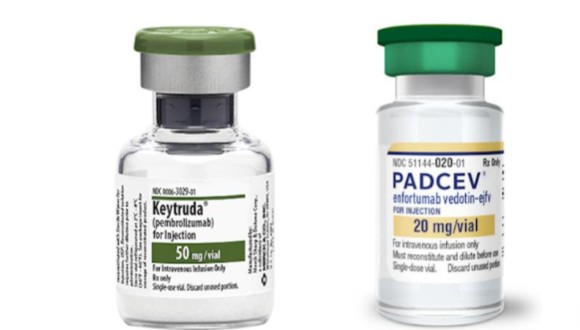
- Immunotherapy ‘Keytruda’ and ADC ‘PadcevWith combination therapy using antibody-drug conjugates (ADCs) and immuno-oncology drugs on the verge of being reimbursed in Korea, the treatment landscape for bladder cancer (urothelial carcinoma) is increasingly likely to undergo a structural shift.According to industry sources, the Health Insurance Review and Assessment Service (HIRA)’s Drug Reimbursement Evaluation Committee recognized the appropriateness of reimbursement for the combination therapy of Padcev and Keytruda as a first-line treatment for adults with locally advanced or metastatic urothelial carcinoma on April 2. Padcev monotherapy, however, did not receive reimbursement approval.This decision comes approximately 6 months after the combination regimen passed the Cancer Drug Deliberation Committee last October. If price negotiations with the National Health Insurance Service (NHIS) are concluded successfully, Padcev + Keytruda will be listed for reimbursement.Padcev is an ADC that targets Nectin-4, comprised of a fully human anti-Nectin-4 immunoglobulin G1 kappa monoclonal antibody conjugated to the small molecule microtubule-disrupting agent monomethyl auristatin E (MMAE), via a protease-cleavable maleimidocaproyl valine-cituline (vc) linker. Its mechanism of action involves selectively binding to tumor cells, internalization, and the release of MMAE via proteolytic cleavage, which subsequently induces cell death.Its key feature is the expected synergistic effect when used in combination with PD-1 inhibitors. This mechanism maximizes antitumor efficacy by simultaneously inducing direct cytotoxicity via MMAE and immune activation.These mechanistic strengths have also been confirmed in clinical trials. In the EV-302/KEYNOTE-A39 Phase 3 study, the combination therapy of Padcept and Keytruda achieved a median overall survival (OS) of 31.5 months in treatment-naïve urothelial carcinoma patients. This figure is approximately double that of the chemotherapy group, which recorded 16.1 months.Based on these results, the National Comprehensive Cancer Network (NCCN) recommends Padcev + Keytruda as a Category 1 preferred first-line regimen, positioning it as an option capable of replacing existing immuno-oncology drug + chemotherapy focused treatment strategies.ADC + Immuno-oncology drugs take center stage… shifts maintenance therapy-centric structureIf the Padcev + Keytruda combination regimen is actually reimbursed, there is a high likelihood that the combination could shift the treatment axis in urothelial carcinoma.Currently, various options coexist in the first-line treatment setting for urothelial carcinoma, including the combination of ‘Opdivo (nivolumab)’ and GemCis (gemcitabine + cisplatin) and the ADC + immuno-oncology drug combination.In addition, a sequencing strategy, which involves maintenance therapy with Merck’s ‘Bavencio (avelumab)’ after chemotherapy, has also established itself as a major pillar. Among the therapies, Bavencio is currently the only reimbursed option.Merck has emphasized adopting a sequencing strategy in which Bavencio maintenance therapy is administered after chemotherapy, followed by Padcev upon disease progression.In fact, real-world data (RWD) from multinational studies such as Japan’s JAVEMACS, the U.S.’s PATRIOT-II, and France’s AVENANCE showed that the median overall survival (OS) with Bavencio maintenance therapy exceeded 30 months, with some analyses reporting survival extended to over 40 months.Furthermore, in strategies where ADC is used following Bavencio maintenance therapy, OS exceeded 41 months, supporting long-term survival through sequential treatment.Ultimately, the future treatment landscape is likely to evolve into competition between potent combination therapy in the first-line setting and maintenance-based sequencing strategies.Whether or not reimbursement is approved is expected to serve as a key factor that goes beyond the simple addition of a treatment option. It is likely to reshape the very paradigm of bladder cancer treatment.
- Company
- Medtronic, 2nd generation Micra landing shifts the system
- by Hwang, byoung woo Apr 06, 2026 03:51pm
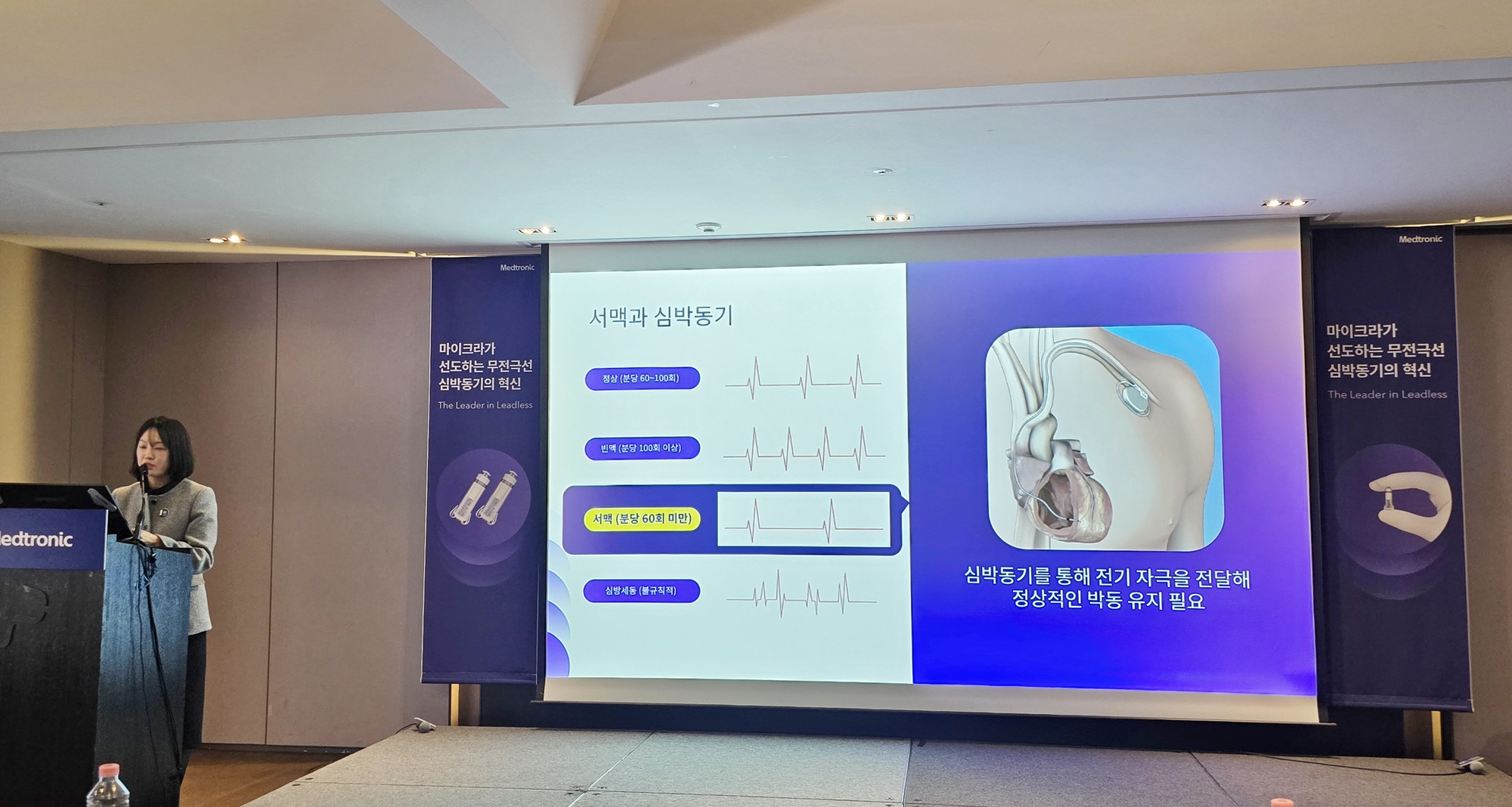
- Leadless pacemakers are shifting from a 'supplementary technology' to a variable that is fundamentally changing treatment structures in South Korea.The trend points to a convergence of technological advancements (improved battery life and procedural safety) and institutional changes, such as expanded insurance reimbursement. These factors are transforming access to treatment from a limited scope to a mainstream clinical reality.Medtronic Korea held a press conference on the 2nd for domestic launch of the 2nd generation Micra (Micra AV2), presenting these significant shifts.(From left: Ji Eun Song, Director at Medtronic Korea; Professor Hee Tae Yu, Cardiology, Severance Cardiovascular Hospital; Kangho Park, Marketing Manager at Medtronic Korea)Battery·Algorithm Improvements…The 2nd Generation EvolutionThe presentation explained the new product not merely as a new model, but as a turning point where leadless pacemaker technology, having been clinically validated, moves to its next stage.Since its introduction in 2015, Micra has been used to treat over 400,000 patients worldwide, accumulating data from 50,000 patients and over 450 studies. A 5-year follow-up study showed a major complication rate of approximately 4.5%, with no reported cases of device removal due to infection.Ji Eun Song, Senior Marketing Director of Cath Lab at Medtronic KoreaJi Eun Song, Senior Marketing Director of Cath Lab at Medtronic Korea, stated, "We are no longer at the stage of discussing whether the technology is possible. We are now at the stage of considering how far its application can be extended."The advancements in Micra AV2 can be summarized in three areas: battery, algorithms, and the delivery system.The most significant change is the battery life. The Micra AV2 lasts approximately 15.6 years and the VR2 approximately 16.7 years, representing improvements of 44% and 36%, respectively.Song emphasized. "Considering that we mostly have elderly patients, the reported figure indicates 80% of patients can maintain their treatment with a one-time treatment," adding, " This is not just a performance improvement; it is a change that impacts the treatment strategy itself."We have also improved algorithm. Atrial mechanical sensing has been refined, allowing for stable atrioventricular (AV) synchrony even at high heart rates, with the maximum tracking rate expanded to 135 bpm.Furthermore, the delivery system was upgraded with a rounded catheter tip, reducing pressure on the heart wall by up to 66%. Simulation-based analysis also suggested a potential reduction in perforation risk.Song stated, "As the heart-mechanical signaling monitoring function is improved, the device can now stably relay signals in a wider range of heart rates," adding, "Previously, device selection depended on patient conditions. Now, the latest improvement widened the range that a sing device can cover."Impact of expanded reimbursement…changes brought by clinical introductionClinical experts have also offered positive evaluations regarding the expanding role of leadless pacemakers.Professor Hee Tae YuProfessor Hee Tae Yu of Cardiology at Severance Cardiovascular Hospital stated, "Leadless pacemakers have opened up treatment possibilities for patients for whom conventional transvenous pacemakers were difficult. They are effectively an essential option for patients at high risk of infection or those with difficult venous access."Yu added, "The extended battery life and improved algorithms increase the consistency and predictability of treatment outcomes," and explained, "It is meaningful for long-term strategies."The domestic launch of Micra AV2 is particularly noteworthy as it coincides with the reform of the insurance coverage criteria for leadless pacemakers.As of December 1 last year, the Ministry of Health and Welfare limited the patient co-payment rate to 5% for cases where transvenous electrode insertion is impossible or has failed (e.g., venous stenosis, occlusion, or congenital malformations) and for patients with a current or past history of Cardiac Implantable Electronic Device (CIED) infection.Professor Yu noted, "With reimbursement currently applied to high-risk groups, the range of choices for leadless pacemakers in clinical settings has clearly widened. As more clinical data accumulates, there is a possibility that the target population will gradually expand."Future scope of application…coexistence with transvenous systemsDespite the system's expansion, reimbursement limitations remain a key issue. During the Q&A session, the scope of application emerged as a more central topic than the technology itself.Photos of Medtronic's implantable cardiac devicesProfessor Yu stated, "From a purely medical judgment perspective, it would be ideal to have no reimbursement restrictions. There are cases where a leadless pacemaker is more suitable, yet criteria limit the choice."In particular, Yu noted that elderly patients could be important candidates and emphasized the need for ongoing discussions on expanding coverage as clinical experience grows. However, the current application of essential coverage for high-risk groups was evaluated as a meaningful institutional starting point.Regarding traditional pacemakers, a period of coexistence is expected for leadless pacemakers and "At this stage, leadless pacemakers are not the primary choice for all patients," Professor Yu explained. "The role of transvenous pacemakers still exists." The transvenous method allows adjustment of electrode positions to maintain a more physiological conduction path, remaining a crucial option for younger patients or those who will be dependent on a pacemaker for a long time.In conclusion, Yu noted, "While leadless pacemakers are advancing rapidly, the current structure where they share purposes and coexist with transvenous pacemakers will be maintained for now. However, if leadless technology capable of physiological pacing is secured in the future, the scope of application could expand even further."

- Policy
- INN prescribing bill may be resubmitted to April subcommittee
- by Lee, Jeong-Hwan Apr 06, 2026 03:51pm
- 소병훈 보건복지위원장Attention is mounting within the healthcare and pharmaceutical sectors on whether a bill mandating limited international nonproprietary name (INN) prescribing for essential medicines or drugs with unstable supply will be reviewed by the National Assembly’s Health and Welfare Committee’s legislative subcommittee in April.The bill was included on the agenda of the Health and Welfare Committee’s legislative subcommittee last March, but did not get a chance to be reviewed as it was pushed back by other bills.On the 3rd, lawmakers from the Democratic Party of Korea have emphasized the need to convene the subcommittee in April to discuss bills under their purview that were not reviewed last month.As it is highly unlikely that the subcommittee will convene in May, just one month before the June 3 local elections, the Democratic Party of Korea members of the Welfare Committee saw a strong need to expedite the review of bills this month.Currently, the Health and Welfare Committee is led by Rep. Byung-hoon So (Gwangju-gap, Gyeonggi Province; third-term), who took over as the new chair following the resignation of former Chair Rep. Ju-min Park, who stepped down to run in the Democratic Party’s primary for the Seoul mayoral race.Accordingly, Chair Byung-hoon So, Democratic Party Executive Secretary Soo-jin Lee, and People Power Party Executive Secretary Mi-ae Kim are expected to begin discussions on the schedule for the April subcommittee meeting.Once the subcommittee meeting is confirmed, the bill mandating the limited use of INN prescribing, which was not reviewed last month, is highly likely to be placed on the agenda.Last month, on the day of the subcommittee meeting, the Korean Medical Association (KMA) held a “Rally to Block INN Prescriptions” on the steps in front of the National Assembly Main Building to pressure the Health and Welfare Committee.At that time, KMA President Taek-woo Kim made it clear that the association would take strong collective action if the bill were to be formally introduced.KMA President Taek-woo Kim led the rally to block the INN prescribing bill on the steps in front of the National Assembly Main Building on the 11th of last month.In particular, President Kim maintains a hardline stance that the bill must not be tabled at the April subcommittee meeting. The KMA is currently using the threat of a general doctors’ rally as leverage to block the review of the limited mandatory INN prescribing bill.However, the Democratic Party argues that the INN prescribing bill is part of President Lee’s campaign pledge and a national policy agenda adopted after his inauguration. They maintain that legislation is necessary to improve public access to medicines.A committee official stated, “The Democratic Party is calling for the need to convene the April subcommittee, but whether it will actually take place has not yet been finalized. It will be determined soon following consultations between the ruling and opposition party floor leaders, taking into account the schedule for the June 3 local elections.”There are three bills related to limited INN prescribing currently pending in the National Assembly: an amendment to the Pharmaceutical Affairs Act proposed by Rep. Yoon Kim of the Democratic Party of Korea, and amendments to the Medical Service Act and Pharmaceutical Affairs Act proposed by Rep. Jong-tae Jang of the same party.
- Opinion
- [Desk View] An odd policy ensuring high-priced biosimilars
- by Lee, Tak-Sun Apr 06, 2026 03:51pm
- If the government's recent decision to cut generic drug prices is aimed at reducing the National Health Insurance (NHI) financial burden, excluding biosimilars from this reform would be contradictory.As high-priced original biologics place a significant strain on NHI finances, promoting the use of lower-priced biosimilars could yield substantial financial savings. Patients could also significantly reduce their financial burden through affordable biosimilars.Major countries are implementing policies to increase biosimilar prescribing rates and dramatically reduce medical expenses. Japan has set a biosimilar market share target of 80% and provides financial rewards for prescriptions.France also encourages biosimilars to account for 70% of outpatient prescriptions and pays physicians a portion of the savings as an incentive.In contrast, South Korea's biosimilar prescription rate is merely 21% as of 2021.Unlike other developed nations, Korea has neither specific targets for prescription rates nor supporting policies. Ironically, the prescription rate remains low, despite the presence of two companies, Celltrion and Samsung Bioepis, that are globally competitive in the biosimilar field.The government attributes the low domestic biosimilar prescription rate to a preference for original drugs. While this is partially correct, it is also partially flawed.Another reason is that the government initially set biosimilar prices high to increase export competitiveness, resulting in a lack of price competitiveness with originals in the domestic market.When a biosimilar is listed for reimbursement, its price is set at up to 80% of the original drug's maximum price. After one year, both the original and the biosimilar are lowered to 70% of the maximum price. This means that the identical pricing structure is also applied to biologics.Consequently, biosimilars sometimes voluntarily lower their prices below the original to gain market competitiveness. However, in a market as small as Korea, the margin for voluntary price reductions by biosimilar manufacturers is limited.For this reason, biosimilar prices, which are 40% to 50% of the original price in global markets, remain at approximately 90% of the original drug price in Korea.This situation reinforces the preference for original drugs due to the negligible price difference and creates reverse discrimination, where only domestic patients bear the burden of high-priced biosimilars.To increase the biosimilar prescription rate, it is necessary to lower the price ratio relative to the original. Under the drug pricing reform, generic drugs will be set at approximately 45% of the original drug's maximum price. However, biosimilars are expected to maintain a guaranteed 70%. It is unrealistic to guarantee a 70% price point while hoping to drive up prescription rates through "low-cost biosimilars" at 40% to 50% of the reference price, as seen in other countries.Because biosimilar prices are kept above a certain level, the margin for price reductions on original drugs is also limited. This places a heavy burden on NHI finances. Even if the prices of cheap generics are cut, the contribution to fiscal savings will be low if the prices of expensive biologics remain unchanged.Despite these issues, the government conversely raised the price weighting from 70% to 80% in 2016 to support the competitiveness of the biosimilar industry. However, it must be recognized that the consumption volume of biologics in the domestic market has changed significantly since 2016. Biologics have now taken over major therapeutic markets, led by products like Prolia, which dominates the osteoporosis market thanks to its efficacy and convenience, and by various immune-oncology agents that have revolutionized cancer treatment.The problem is that these biologics are high-priced compared to synthetic drugs. Despite market growth, competition among biosimilars is also intensifying, and the domestic pricing structure limits the potential for cost savings.The government should first consider abolishing the identical pricing policy and lowering the price weighting.Incentive policies for biosimilar prescriptions, like those in other developed nations, may be necessary. In fact, this is needed not only for biosimilars but also for generic drugs. Significant fiscal savings result from replacing high-priced original drugs.Fundamentally, the government should favor prescribing low-cost generics or biosimilars to encourage companies to lower their prices voluntarily.However, it is unclear why the government continues to push for maintaining the original-generic (biosimilar) identical pricing mechanism while favoring a collective generic price reduction policy. In particular, the rationale for the government's push for a collective reduction in generic prices while maintaining a high-price guarantee policy for biosimilars remains unclear.
- Policy
- Korea to use RWD for post-listing control of expedited drugs
- by Jung, Heung-Jun Apr 06, 2026 03:51pm
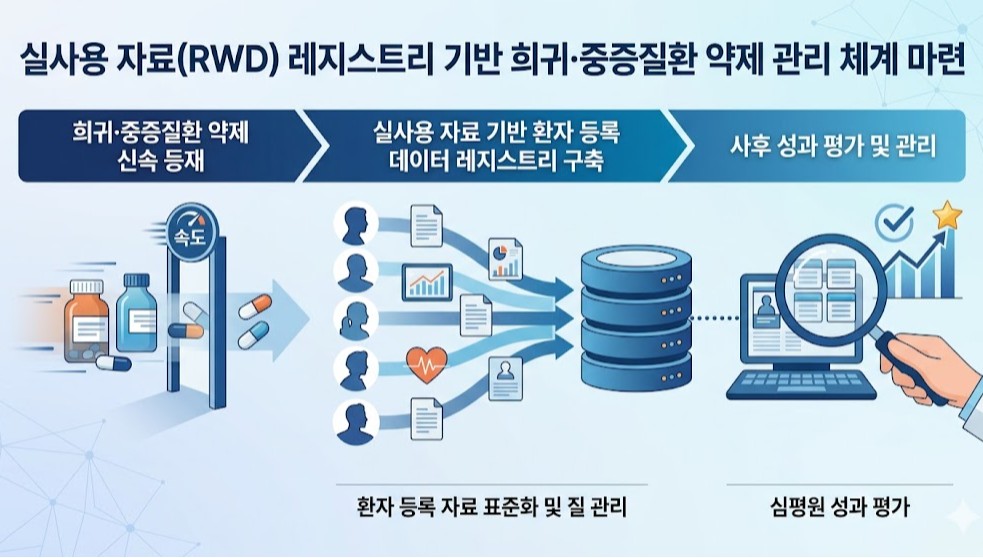
- A plan is being developed to utilize patient registry data, a subset of real-world data (RWD), to strengthen post-listing management of rare and severe disease treatments.This is an extension of the drug pricing system reform announced by the government last month through the National Health Insurance Policy Deliberation Committee. Previously, the government had revealed plans to expedite the listing of treatments for rare and severe diseases and then reevaluate their reimbursement status based on real-world data.According to industry sources on the 6th, HIRA and the Pharmacuetical Performance Assessment Department will conduct a study this year to establish an RWD registry-based management system. A registry refers to patient-level data collected by disease or drug.Although a call for proposals has not yet been issued, the research is scheduled to be completed by the end of this year.Following last year’s study on RWE (Real-World Evidence) guidelines for drug performance assessment, the government is now moving to establish a management system based on RWD registries.This research is significant as it moves beyond the conceptual definition stage towards building an actionable infrastructure. It also serves as a key follow-up measure for implementing the government’s drug pricing system reform.This is because a patient data management system must be established to implement measures such as performance-based reimbursement, adjustments to reimbursement scope, or drug price based on post-marketing evaluation results using real-world data.A HIRA official stated, “Building a registry is essential for managing rare disease treatments. We will conduct policy research on how to actually build such a system. I expect results to be available by the end of the year, following approximately 6 months of research.”The official further explained, “While this can be seen as an extension of the drug pricing system reform, there has long been a consensus that a registry is essential for establishing a management system for rare and severe disease drugs.”However, patient or disease-specific registration data in clinical settings have not yet been standardized, and concerns regarding proper quality control remain unresolved. These issues are expected to be key points of contention during the process of establishing a registry-based management system.An HIRA official stated, “We plan to commission the research soon. We ask researchers to show strong interest, given the high accessibility and utility of the registry data.”
- Company
- Bayer "Pipeline growth accelerate…back on the growth chart"
- by Son, Hyung Min Apr 03, 2026 08:03am
- Bayer is signaling a return to growth trajectory, delivering a series of achievements across its major pipelines. With recent new product approvals and late-stage clinical successes, Bayer's R&D strategic transformation is proving effective.On the 1st (local time), Bayer held its '2026 Pharma Media Day' and announced a medium-to-long-term growth plan based on a science-centered strategy and operational innovation.Stefan Oelrich, Member of the Board of Management of Bayer AG and President of the Pharmaceuticals Division, stated, "Our growth foundation is strengthening based on our focus on strategic priorities and scientific rigor. Through a multimodal pipeline and an AI-based operating model, we aim to recover a growth rate of 4% to 6% starting in 2027 and achieve an operating profit margin of 30% by 2030."Bayer held its '2026 Pharma Media Day'As of 2025, Bayer has secured five approvals, including three new products and two label expansions, and has achieved pipeline milestones by delivering positive results from six Phase 3 clinical trials.Bayer proposed ▲cardiovascular ▲oncology ▲immunology ▲rare diseases ▲women's health as the core pillars that will drive growth over the next decade.In particular, the Factor XIa inhibitor 'Asundexian' secured positive results in reducing the recurrence of ischemic stroke and was designated for Fast Track by the U.S. Food and Drug Administration (FDA), while the prostate cancer treatment 'darolutamide' is undergoing additional clinical trials to expand its treatment lines.Furthermore, 'Kerendia (finerenone)' is now a core growth product, demonstrating clinical utility across multiple Phase 3 studies and a mechanism that simultaneously targets heart and kidney diseases.Bayer also presented precision medicine-based anti-cancer agents and gene·cell therapies as next-generation growth engines.Various drug candidates, such as radiopharmaceutical-based Targeted Alpha Therapy (TAT), WRN inhibitors, and treatments for HER2-mutant lung cancer, are advancing toward clinical trials, while gene and cell therapies targeting Parkinson's disease and heart failure are also under development.In conjunction with this, Bayer is strengthening its integrated therapy-diagnosis strategy by expanding its innovation in diagnostics, including low-dose MRI contrast agents and molecular imaging technology.Bayer's strategy is to increase productivity by integrating AI throughout the entire R&D process.By combining global medical data with AI analysis platforms, Bayer is optimizing the entire process from drug candidate discovery to clinical development, aiming to improve R&D productivity by 40% by 2030.
- Company
- AZ launches triple-combination COPD inhaler Breztri in KOR
- by Son, Hyung Min Apr 03, 2026 08:02am
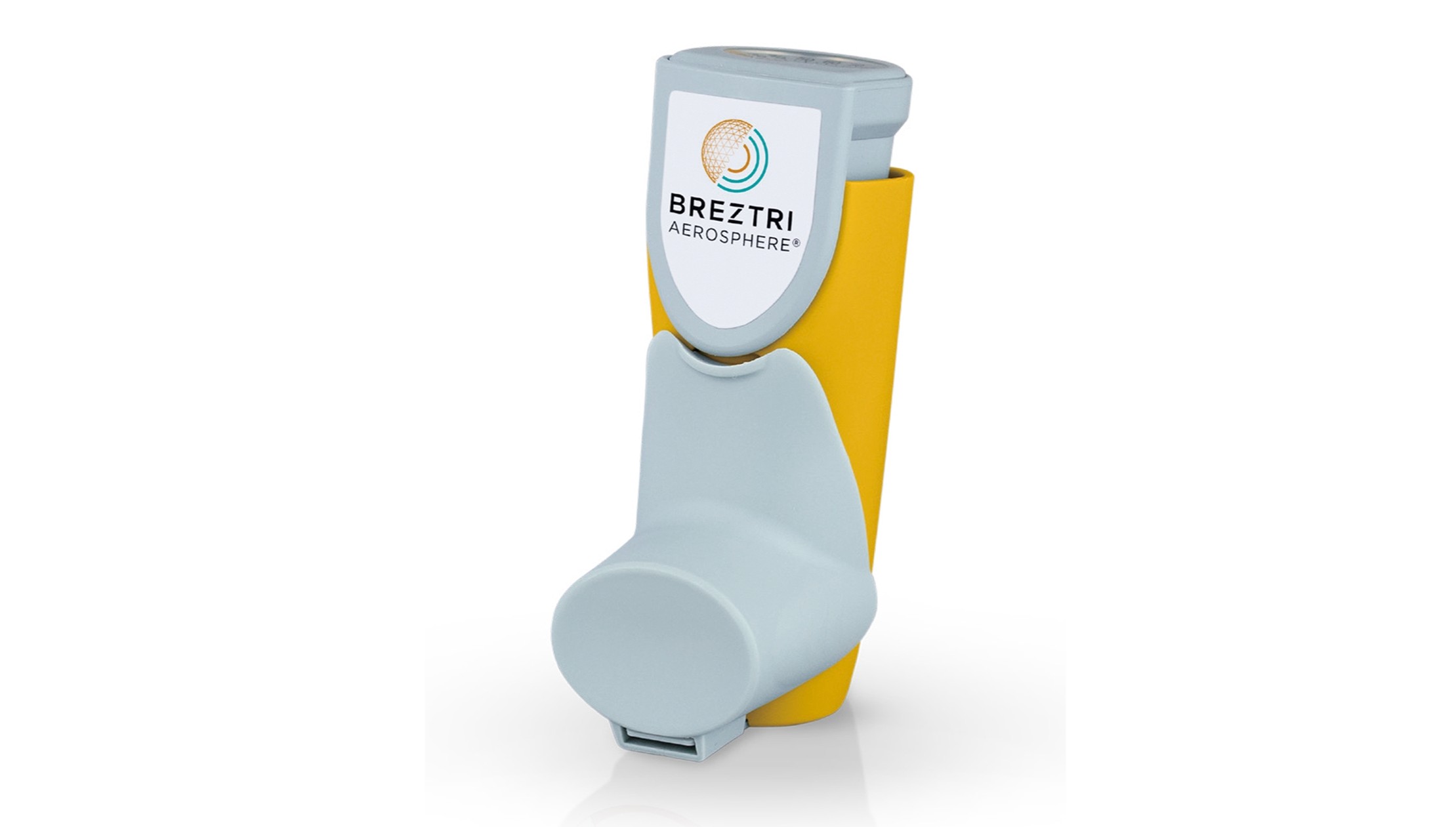
- Breztri AerosphereAstraZeneca Korea (Country President: Eldana Sauran) announced the launch of ‘Breztri Aerosphere (budesonide, glycopyrronium, formoterol),’ as a maintenance therapy for moderate-to-severe chronic obstructive pulmonary disease (COPD).Breztri Aerosphere is a single-inhaler triple-combination therapy that combines an inhaled corticosteroid (ICS), a long-acting beta-2 agonist (LABA), and a long-acting muscarinic antagonist (LAMA) in a single inhaler. It is indicated as a maintenance treatment for adult COPD patients to control symptoms and reduce exacerbations, and is administered twice daily.The clinical efficacy and safety profile of Breztri Aerosphere have been established through global Phase III trials, including ETHOS and KRONOS.The ETHOS (The Efficacy and Safety of Triple Therapy in Obstructive Lung Disease) study was a 52-week, multicenter, randomized, double-blind Phase III trial involving 8,588 patients aged 40–80 with moderate-to-very severe COPD.Results showed that Breztri Aerosphere reduced the annual rate of moderate or severe COPD exacerbations by approximately 24% compared with LAMA/LABA dual therapy, and by about 13% compared with ICS/LABA, demonstrating statistically significant results.A post-hoc analysis of ETHOS also demonstrated a significant reduction in all-cause mortality in the Breztri treatment group compared with LAMA/LABA.In another pivotal trial, KRONOS, Breztri Aerosphere demonstrated improvements in lung function.The 24-week global Phase III study enrolled 1,902 patients with moderate-to-very severe COPD. At Week 24, Breztri improved lung function by 22 mL compared with LAMA/LABA and by 74 mL compared with ICS/LABA (BFF MDI).COPD is a representative chronic respiratory disease caused by abnormalities in the airways and alveoli, such as bronchitis, bronchiolitis, and emphysema. It is characterized by chronic respiratory symptoms such as shortness of breath and coughing, and is a heterogeneous disease involving persistent and progressive airway obstruction. Compared to the general population, patients with COPD tend to develop various comorbidities at an earlier age. Factors such as smoking, aging, and chronic conditions associated with the disease itself, which include cardiovascular disease, musculoskeletal disorders, and diabetes, further increase disease burden.The 2026 Global Initiative for Chronic Obstructive Lung Disease (GOLD) guidelines recommend triple therapy with ICS, LAMA, and LABA in patients receiving ICS+LABA who are currently not experiencing an exacerbation but have a high symptom burden, or who are experiencing an exacerbation and have a blood eosinophil count of 100 cells/μL or higher.The guidelines also note that using a single inhaler can improve treatment convenience and adherence compared with multiple inhalers.Ji-young Kim, Executive Vice President of the Respiratory Business Unit at AstraZeneca Korea, stated, “Breztri Aerosphere is a treatment option that has demonstrated reductions in exacerbations and improvements in lung function in global clinical trials, offering a new treatment option for COPD patients in Korea. AstraZeneca Korea will continue to strive to improve the treatment environment and disease management for patients with respiratory diseases.”Breztri Aerosphere is a pMDI (pressurized metered-dose inhaler) designed to uniformly disperse drug particles using Aerosphere delivery technology, ensuring that the medication is delivered throughout both the large and small airways.pMDIs can be used by patients with insufficient inhalation flow rates and offer the advantage of delivering a consistent dose with each actuation. Additionally, as a single inhaler capable of administering three medications simultaneously, it can help improve treatment convenience and medication adherence for patients.

- Company
- "Finished drug firms·API suppliers suffer from high exchange rate"
- by Chon, Seung-Hyun Apr 03, 2026 08:02am
- The pharmaceutical industry is facing significant challenges conducting business amid high exchange rates and the war in the Middle East. As the KRW/USD exchange rate surpasses KRW 1,500, the cost pressure on imported Active Pharmaceutical Ingredients (APIs) is intensifying. Furthermore, with upcoming generic drug price cuts, seeking cheaper imported APIs is becoming increasingly difficult. The high exchange rate and price reductions are also major issues for API manufacturers.According to industry sources on the 2nd, the KRW/USD exchange rate in the Seoul foreign exchange market reached 1,501.5 KRW on the 1st. Compared to KRW 1,352.6 on July 2 of last year, this represents an increase of more than KRW 150 in just eight months.The KRW/USD exchange rate trend (unit: KRW, source: SMB)The exchange rate first surpassed KRW 1,500 on the 24th of last month and briefly stayed in the KRW 1,400 range for two days before surpassing KRW 1,500 again on March 29, continuing to increase. Amid concerns over a prolonged conflict stemming from the high-intensity standoff between the U.S. and Iran, the rate even surged past KRW 1,530 during intraday trading on the 31st, the highest level in 17 years since the global financial crisis in 2009.The decline in the value of the Korean won directly translates to cost-push pressure for pharmaceutical companies. Since these companies are highly dependent on imported APIs, the core raw materials for medicines, the rise in the KRW/USD exchange rate directly increases production costs.In 2024, the self-sufficiency rate for APIs was recorded at 31.4%, calculated using an average exchange rate of KRW 1,367. Self-sufficiency refers to the ratio of domestically produced products within the total market.With 69.6% of APIs used domestically being imported, the reliance on foreign raw materials is absolute. Since US dollars are used even when purchasing APIs from China and India, the largest sources of imports, the impact of the rising exchange rate is unavoidable.Recently, domestic pharmaceutical companies have also been considering switching API suppliers to reduce costs in response to the government's announced price cuts for generic drugs.Under the reformed drug pricing system discussed by the Ministry of Health and Welfare (MOHW) at the Health Insurance Policy Review Committee on the 26th of last month, the price for both off-patent drugs and generics will decrease from 53.55% to 45% of the pre-patent-expiry price of the new drug. Mathematically, this is a 16.0% cut in generic prices.Under the reformed drug pricing system discussed by the Ministry of Health and Welfare (MOHW) at the Health Insurance Policy Review Committee on the 26th of last month, the price for both off-patent drugs and generics will decrease from 53.55% to 45% of the pre-patent-expiry price of the new drug.The price reduction range increases further when "top-tier price requirements," such as conducting bioequivalence (BE) studies and using registered drug substances (DMF), are applied to existing listed generics. Under the reform, the penalty for failing to meet these requirements will expand from 15% to 20%. Since July 2020, requirements have been in place that generics can receive the 53.55% maximum price only if they meet both the direct BE study and DMF criteria. For each unmet requirement, the ceiling price drops by 15%.Applying the new 45% standard and the 20% cut for unmet requirements, generics failing one requirement drop to 36%, and those failing both drop to 28.8%. This means the price for a generic failing one requirement will be 20.9% lower than current levels, while those failing both will see a 25.6% decrease.Due to these price-reduction pressures, pharmaceutical companies are forced to seek cheaper imported products rather than relatively expensive domestic APIs to save costs.The value of API imports from China is already increasing. In 2024, Chinese API imports reached USD 816.32 million, up 110.2% from USD 388.31 million in 2014. In 2014, China was the 6th-largest source of drug imports for Korea, but it rose to 3rd place by 2024.Chinese API Import Amounts by Year (USD 1,000)In 2024, the value of Chinese APIs used in Korea was KRW 1.1159 trillion. Of the KRW 4.4007 trillion in APIs produced in Korea, only KRW 1.43 trillion was used in the domestic market. This indicates that the amount of Korean and Chinese APIs used in the local market is roughly equal. Considering that Chinese APIs are generally cheaper than domestic ones, this suggests that the actual volume of Chinese APIs used by domestic companies overwhelms that of domestic APIs.Under these circumstances, there are concerns that if generic prices drop further, more companies would refrain from using relatively expensive domestic APIs. Both finished drug manufacturers and API suppliers are structured in a way that could lead to simultaneous losses under pressure to reduce drug prices.For API manufacturers, the high exchange rate and price cuts act as major setbacks. Even for domestically produced APIs, starting materials are often imported, so they must worry about rising costs due to exchange rates. As pharmaceutical companies search for cheaper imported alternatives, the concerns of domestic API firms are further compounded.A pharmaceutical industry official stated, "If generic prices fall further, the movement to replace raw materials with cheaper alternatives to save costs will spread. As the dependency on imported APIs increases, domestic API companies find themselves in a position where they must worry about survival."Critics pointed out the ineffectiveness of the government's API preferential pricing policy. The government plans to apply price preferences to listed "essential national medicines" that use domestic APIs. This involves granting a price preference of up to 68% of the pre-patent-expiry price of new drugs for essential medicines made with domestic raw materials.However, pharmaceutical companies complain that the proportion of essential medicines within total drug sales is negligible, and even if prices are raised, there is insufficient incentive to switch to domestic APIs. To receive the preferential designation for domestic raw materials, a company must prove that all raw materials were synthesized at a domestic manufacturing site. Required documents include the ▲API Registration Certificate ▲Common Technical Document (CTD) ▲Manufacturing Instructions and Records.During a parliamentary audit last October, Rep. Baek Jonghean of the People Power Party pointed out, "The fact that not a single pharmaceutical company has applied for the price preference for essential national medicines using domestic raw materials for seven months is proof that the system exists in name only," adding, "Despite industry-wide complaints that the application criteria are too stringent, the MOHW's failure to recognize that the regulations will undermine the policy's ability to foster the domestic API industry."An industry source stated, "Due to the recent aftermath of the war in the Middle East, there are concerns over the supply instability of various raw materials, and with the added burden of costs from the high exchange rate, it is difficult to predict business plans for this year," adding, "In addition to the government's drug price reduction policy, it has become difficult to guarantee the business sustainability of both domestic finished drug and API manufacturers."
- Company
- AstraZeneca Korea appoints Ohad Goldberg as new Country President
- by Son, Hyung Min Apr 03, 2026 08:02am
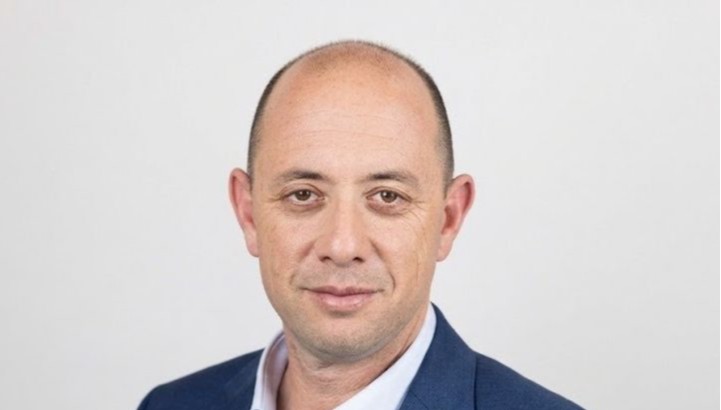
- Ohad Goldberg, new Country President of AstraZeneca KoreaAstraZeneca Korea announced that it has appointed Ohad Goldberg, Country President of AstraZeneca Israel, as the new Country President of AstraZeneca Korea, effective May 1, 2026.As the new Country President, Goldberg will oversee the company’s business operations in Korea. He plans to expand patient access to AstraZeneca’s medicines and continue to enhance AstraZeneca’s standing as a top-tier partner dedicated to strengthening the domestic life sciences ecosystem for the benefit of Korean patients and society.During his tenure as Country President of AstraZeneca Israel, Goldberg led significant organizational growth and strengthened partnerships across the healthcare ecosystem. With over 20 years of international leadership experience across life sciences, biotech, and ag-tech, he possesses proven capabilities in commercial operations, market access, and external affairs.He has led AstraZeneca Israel’s external partnerships with government, healthcare stakeholders, academia, and innovation platforms. He also served as Chairman of the Board for AION Labs and as a board member of Pharma Israel, representing AstraZeneca in multiple leadership roles.Ohad Goldberg, the new Country Manager of AstraZeneca Korea, said, “It is a great honor to take on this role at a pivotal time for healthcare reform in Korea. Together with our talented team, I look forward to contributing to the advancement of healthcare policy and to creating sustainable, long-term value for Korean patients and society by expanding equitable access to breakthrough medicines.”Goldberg has held senior leadership roles at AstraZeneca, including Global Launch Leader for Respiratory Biologics, Market Access Director, and Respiratory Business Unit Director for Israel, and senior roles in commercial strategy across Europe.
- Company
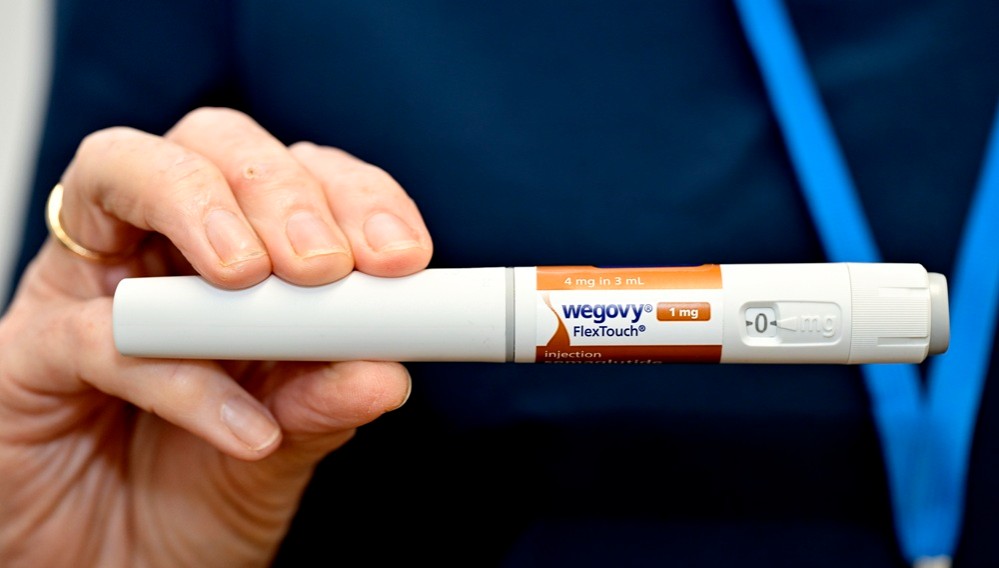
- Novo Nordisk hits record sales in Korea… led by Wegovy
- by Son, Hyung Min Apr 03, 2026 08:02am
- Novo Nordisk achieved record domestic sales, driven by its obesity treatment 'Wegovy.' As obesity treatments become a primary growth driver, the company’s earnings structure is shifting away from its previous focus on diabetes and hemophilia.According to the Financial Supervisory Service on the 3rd, Novo Nordisk’s sales increased from KRW 308.5 billion in 2024 to KRW 613.6 billion last year, up 85.6% year-on-year. Operating profit rose 77.1% over the same period, from KRW 13.7 billion to KRW 24.2 billion.Novo Nordisk’s performance shows a clear distinction before and after the launch of Wegovy (semaglutide).Prior to the arrival of Wegovy, the company maintained steady growth based on insulin products, hemophilia treatments, and the once-daily obesity drug ‘Saxenda (liraglutide),’ although growth rates were relatively limited.However, its performance surged with the launch of Wegovy in Korea in 2024. With the launch of Wegovy, Novo Nordisk recorded KRW 374.7 billion in sales that year, representing a 62.7% increase from the previous year.According to the market research institution IQVIA, Wegovy generated KRW 467 billion in sales last year, accounting for over 70% of total revenue, and established itself as Novo Nordisk’s core revenue source just one year after its launch. This represents a rare case where a single product drives the growth of a local affiliate.Quarterly trends also highlight rapid growth. Wegovy posted KRW 60.3 billion in Q4 2024, and sales rose to KRW 133.8 billion in Q2 2025, surpassing KRW 100 billion in quarterly sales. It recorded KRW 137 billion and KRW 116.7 billion in Q3 and Q4, respectively, quickly dominating the market.This shift has directly translated into actual market demand.Previously, obesity treatment relied mainly on diet and exercise, with limited use of adjunctive drugs. Injectable treatments like Saxenda existed, but the daily dosing burden and adherence issues constrained market expansion.In contrast, Wegovy demonstrated significant weight loss with once-weekly dosing, greatly improving convenience. Clinical results showing over 15% weight reduction served as a catalyst for shifting obesity treatment from a selective management option to an aggressive treatment option.In Korea, demand surged immediately after launch, leading to supply shortages, with clinics and hospitals reporting a spike in prescription inquiries. This is interpreted not as a temporary trend but as a release of latent demand.As a result, inventories increased sharply. Novo Nordisk’s inventory rose from KRW 80.8 billion in 2024 to KRW 348.2 billion last year, a 331% increase.This reflects the company’s supply expansion strategy to meet surging Wegovy demand. As supply shortages persisted, with repeated sell-outs following the initial launch, the company made a proactive effort to secure inventory and improve its distribution capabilities.In particular, since consistent and stable administration is crucial for obesity treatments, securing inventory is evaluated not merely as an increase in costs but as a key operational indicator supporting revenue growth.Beyond GLP-1 to next-generation mechanisms… Novo Nordisk expands its metabolic pipelineObesity drug ‘Wegovy’Novo Nordisk is globally expanding semaglutide’s indications beyond obesity and diabetes into broader metabolic diseases.Semaglutide has demonstrated reductions in major adverse cardiovascular events (MACE), extending its therapeutic scope beyond diabetes and obesity.By accumulating clinical evidence that encompasses not only diabetes patients but also high-risk cardiovascular groups, it has been clearly demonstrated that GLP-1 agonists can contribute to improving long-term outcomes beyond weight loss.Furthermore, with the addition of chronic kidney disease (CKD) indications, the company is increasing its presence in the renal disease sector previously pioneered by SGLT-2 inhibitors.Recently, semaglutide gained accelerated approval for MASH, further expanding into liver disease.Their mechanistic strengths of weight loss, improvement in insulin resistance, and suppression of inflammation have led to reduced hepatic fat accumulation and improved fibrosis, positioning them as a new alternative in the MASH field, where treatment options have previously been limited.In addition, the company is preparing new drugs with novel mechanisms of action. CagriSema is a combination drug containing 2.4 mg of semaglutide, the active ingredient in Wegovy, and 2.4 mg of the long-acting amylin analog cagrilintide. Cagrilintide mimics the action of amylin, a hormone that naturally suppresses appetite, and is being developed as a once-weekly dose due to its longer duration of action compared to existing treatments.Additionally, the triple agonist ‘UBT251 (GLP-1/GIP/GCG), currently being codeveloped with a Chinese partner, is also emerging as a next-generation growth driver. This is a multi-target drug in the same class as Eli Lilly’s retatrutide. Results of a 24-week Phase II clinical trial recently disclosed in China showed that UBT251 demonstrated a maximum weight loss of 19.7%.If these drugs are introduced to the domestic market, Novo Nordisk’s growth trajectory is expected to accelerate further.
